
 한국어
 English
 日本語
 中文(简体)
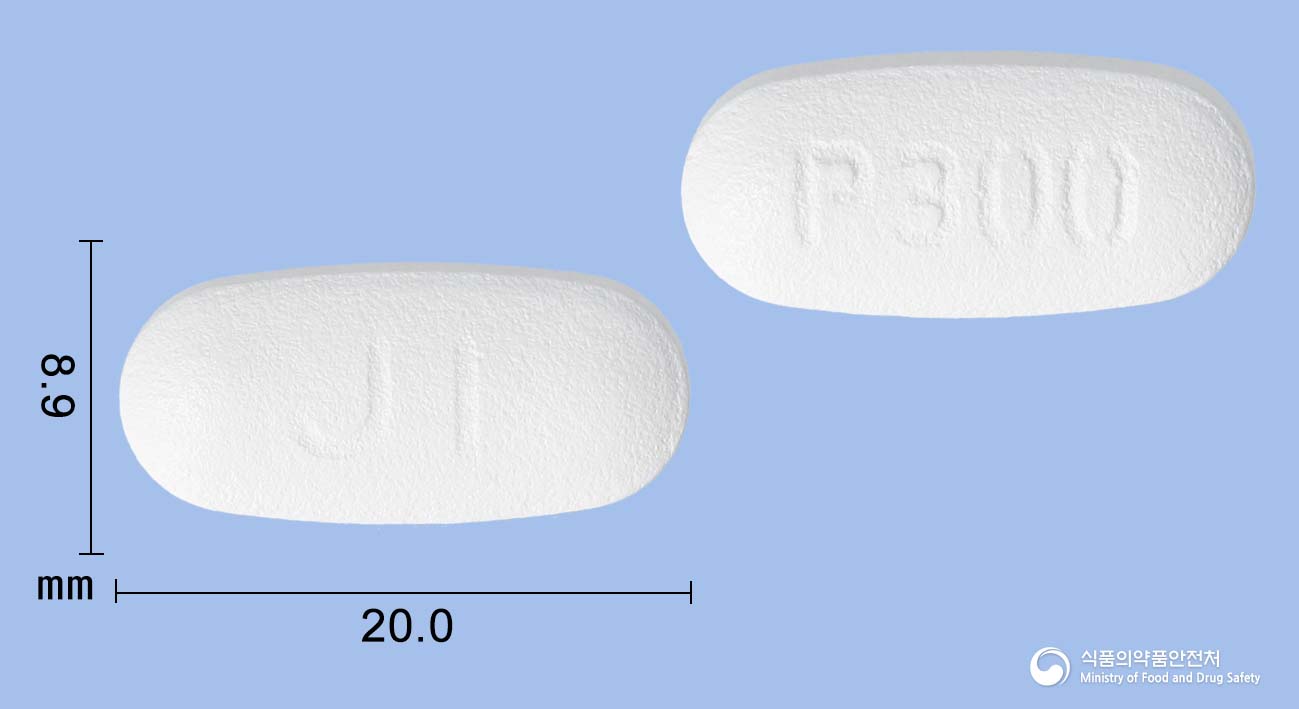 Viewing now
J-Gaba CR Sustained Release Tablet 300 mg (Pregabalin)
Pregabalin 188.5mg
Tablet · Prescription medication
Jeil Pharmaceutical Co., Ltd.
MFDS item code 201900140 · Approved 2019.01.11 · Insurance code 649701830
Treatment of peripheral neuropathic pain in adults
This medication is used for the relief of peripheral neuropathic pain in adults. It helps to reduce pain caused by nerve damage, thus assisting in the patient's daily life. It effectively controls pain and improves quality of life.
This medicine should be administered once daily after the evening meal. It should be swallowed whole and should not be split, crushed, or chewed. A starting dose of 150 mg per day may be administered. Based on each patient's response and tolerability, the dose may be increased at weekly intervals to a maximum of 600 mg per day. Based on current clinical experience, if treatment with this medicine is discontinued, it should be tapered gradually, with intervals of at least 1 week. The safety and efficacy of this medicine have not been established in patients with renal impairment. The safety and efficacy of this medicine have not been established in patients with hepatic impairment. The safety and efficacy of this medicine have not been established in older adults aged 65 years or older.
The safety and efficacy of this medicine have not been established in pediatric and adolescent patients under 19 years of age.
This medication may increase the risk of suicidal thoughts or behavior; therefore, if depression or mood changes occur during treatment, notify your doctor immediately. Do not use this medication if you are allergic to pregabalin or any of its ingredients. In diabetic patients, if weight gain occurs after this medication, it may be necessary to adjust the dosage of blood sugar control medications. If symptoms of angioedema appear, such as swelling of the face, mouth, or throat, stop taking the medication immediately and consult a doctor. Elderly patients may experience symptoms such as dizziness, drowsiness, or confusion, so caution should be exercised when starting treatment. This medication may cause blurred vision or other changes in vision; if these symptoms occur, consult a physician. Abruptly stopping this medication may lead to withdrawal symptoms such as insomnia, headache, anxiety, and nausea, so it should be gradually reduced under medical advice. If there is a history of substance abuse or mental illness, watch carefully for the risk of abuse when using this medication. Patients with impaired kidney function may need dosage adjustment. It should be administered with caution in patients with severe heart disease, as symptoms of heart failure may develop. Caution should be taken as co-administration with opioid analgesics increases the risk of central nervous system depression. Patients with compromised respiratory function or the elderly may be at higher risk for severe respiratory depression, necessitating dosage adjustments. During early pregnancy, there may be a risk of fetal malformation, so unless there is a specific reason, it should not be used during pregnancy, and women of childbearing age should use effective contraceptive methods. Breastfeeding females should consider discontinuing breastfeeding or the medication, as this drug may be passed into breast milk and affect the infant. Activities requiring attention, such as driving or operating machinery, should be avoided until drowsiness or dizziness resolves after taking this medication. In case of overdose, symptoms such as confusion, drowsiness, seizures may occur, and treatments like hemodialysis may be necessary if required. This medication should be kept out of the reach of children and should not be transferred to other containers. If symptoms such as skin rash, severe allergic reactions, or difficulty breathing occur while taking this medication, discontinue use and consult medical personnel immediately.
Not everyone experiences these, and they can vary from person to person.
Store this medication tightly closed to prevent exposure to air or moisture. It is important to maintain storage temperatures between 1 and 30 degrees Celsius to preserve the effectiveness of the medication.
White to pale yellow, rectangular, film-coated extended-release tablet
30 tablets (6 tablets/PTP x 5)
Even with the same ingredient, strength, dosage form and how it is taken can differ.
Viewing nowPregabalin 188.5mg
Tablet · Prescription medication
Jeil Pharmaceutical Co., Ltd.
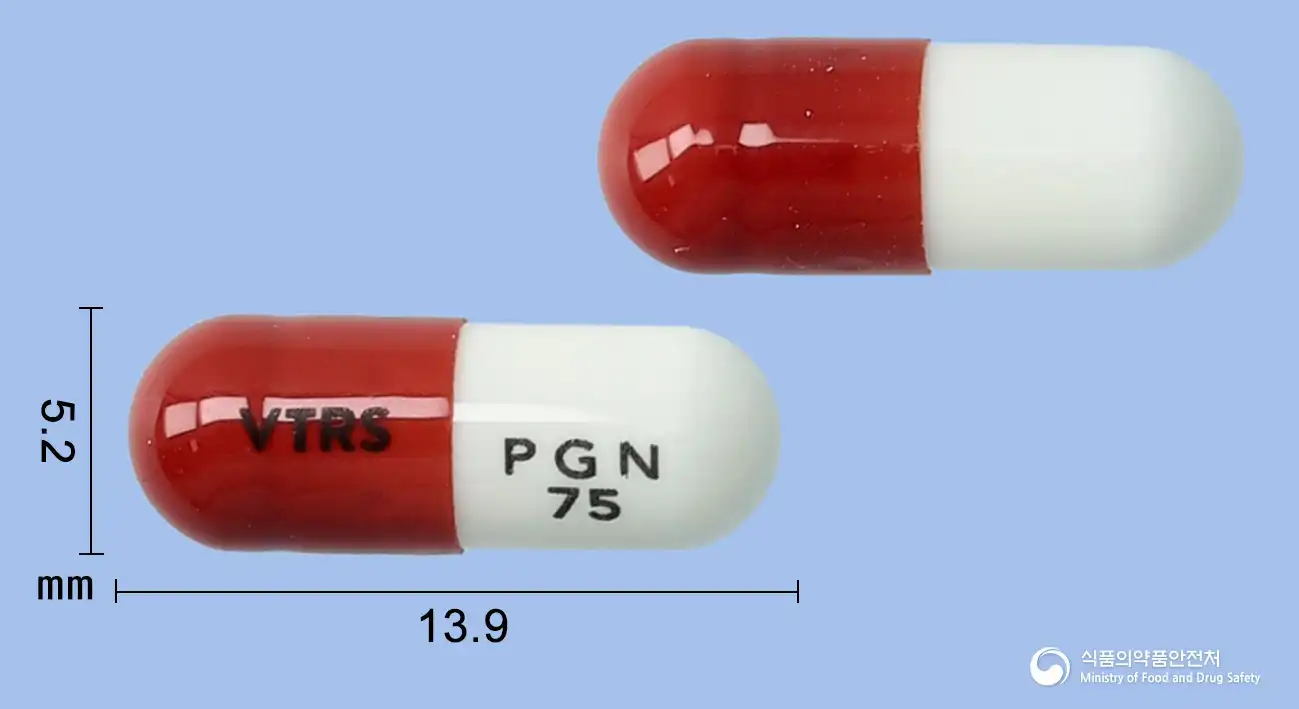
Pregabalin 75mg
Hard capsule · Prescription medication
Viatris Korea Co., Ltd.
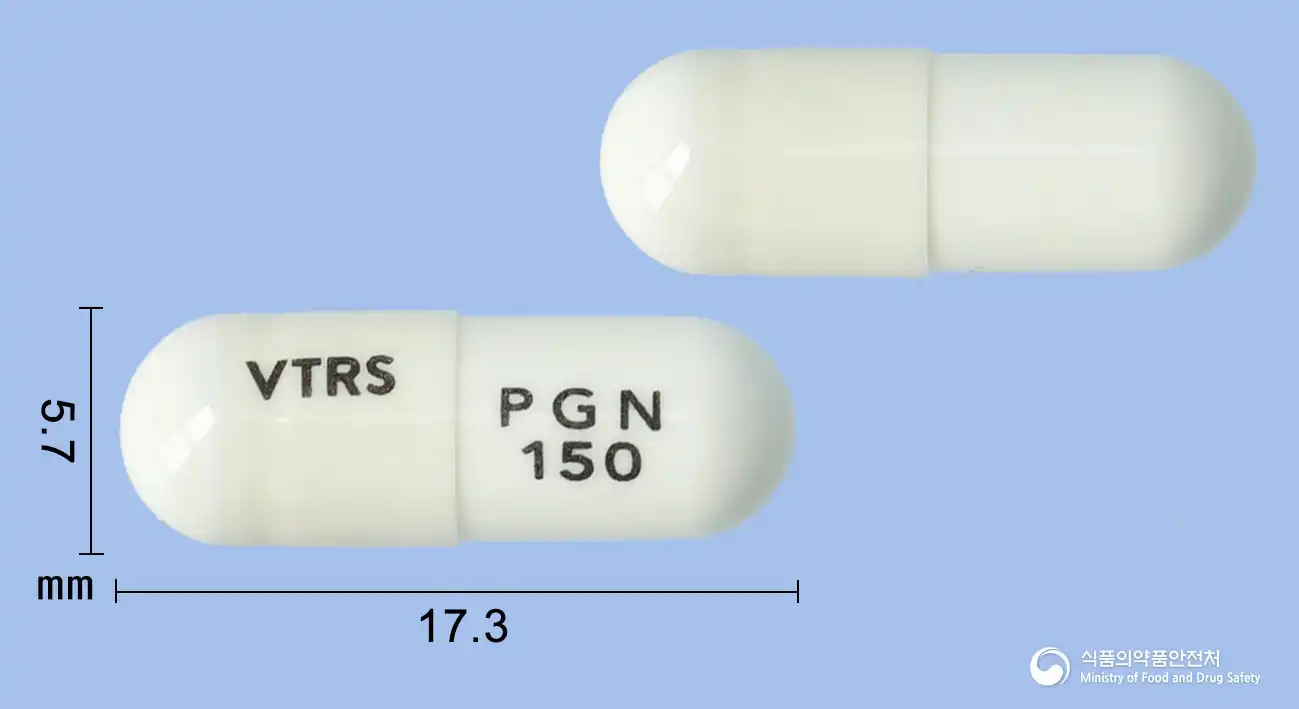
Pregabalin 150mg
Hard capsule · Prescription medication
Viatris Korea Co., Ltd.
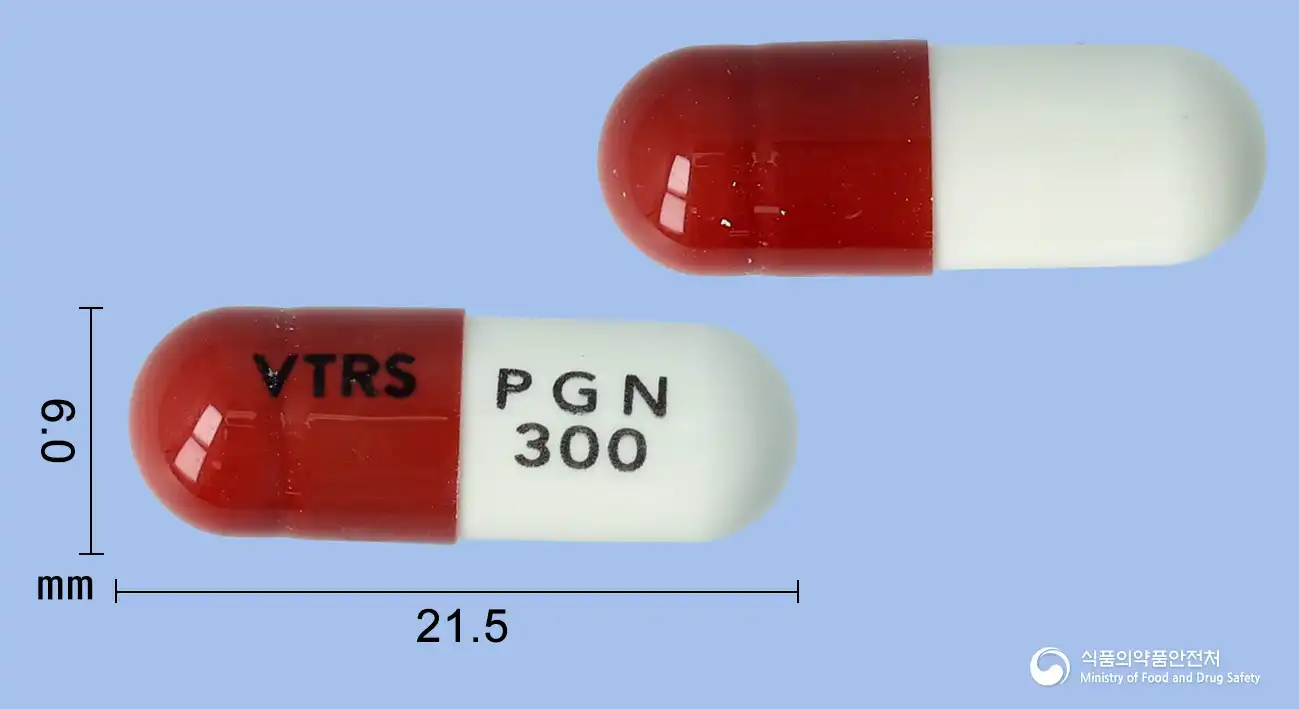
Pregabalin 300mg
Hard capsule · Prescription medication
Viatris Korea Co., Ltd.
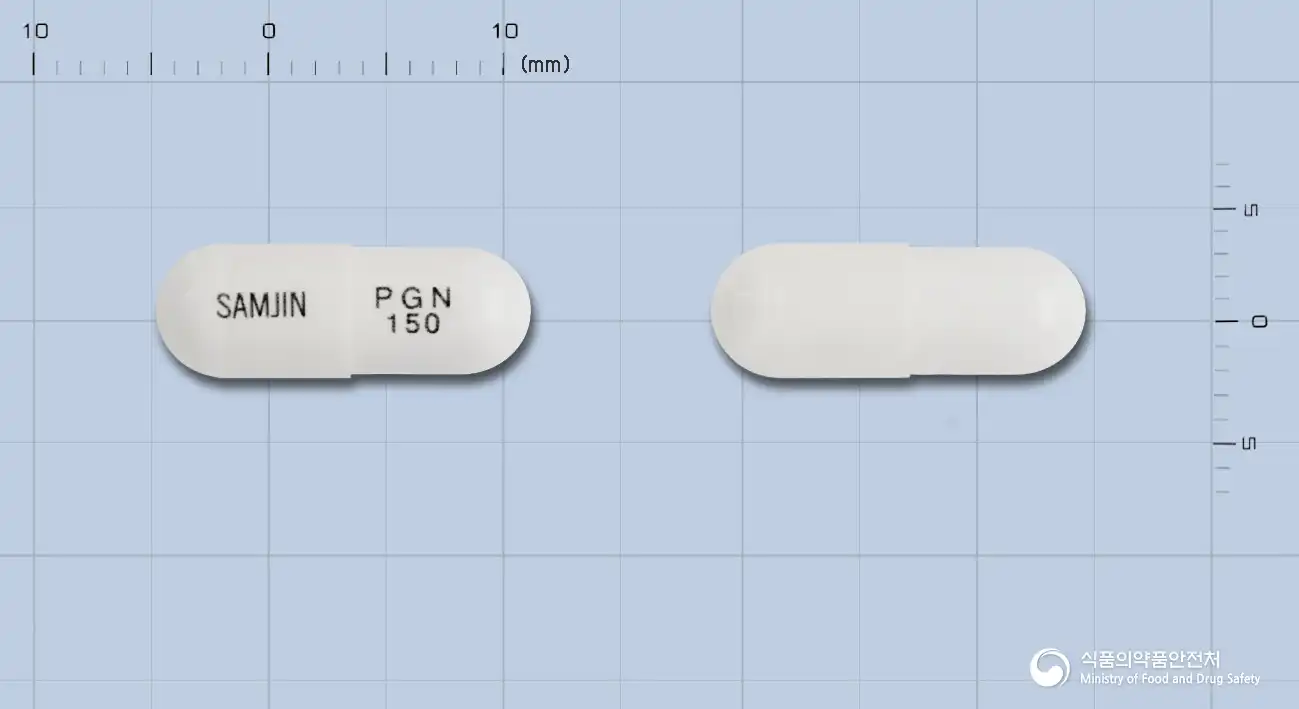
Pregabalin 150mg
Hard capsule · Prescription medication
Samjin Pharmaceutical Co., Ltd.
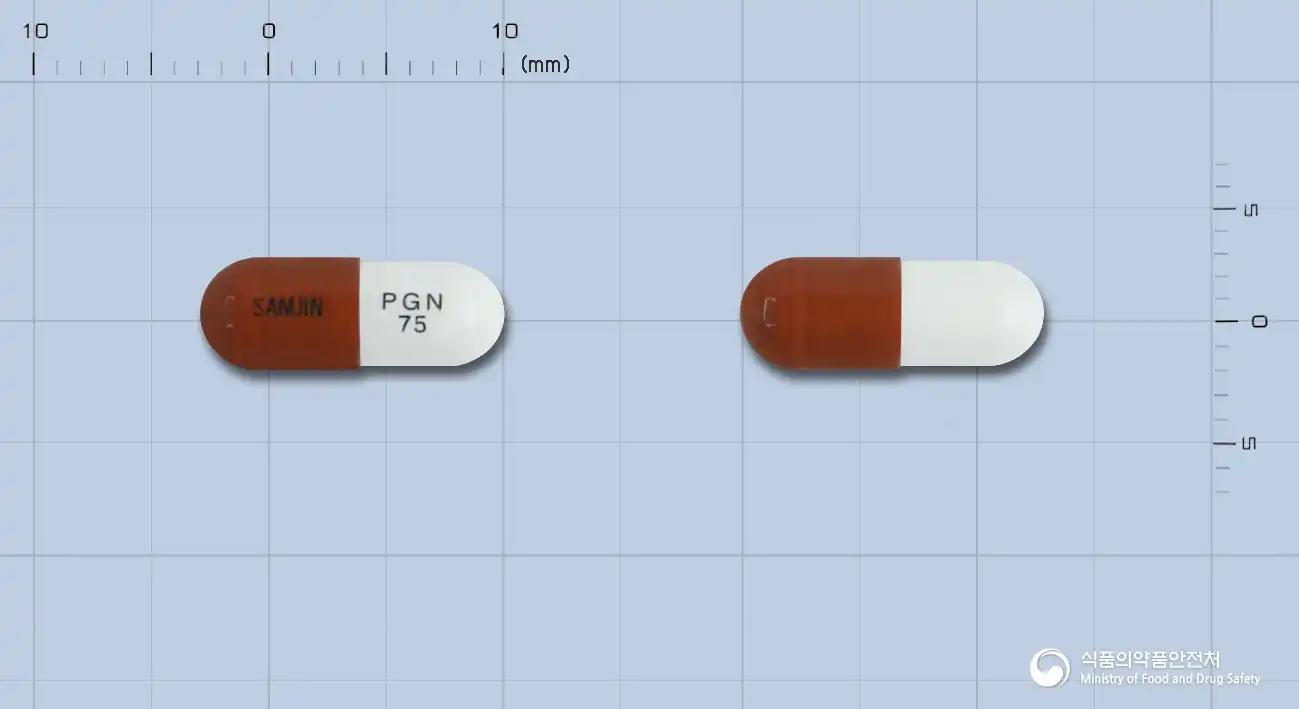
Pregabalin 75mg
Hard capsule · Prescription medication
Samjin Pharmaceutical Co., Ltd.
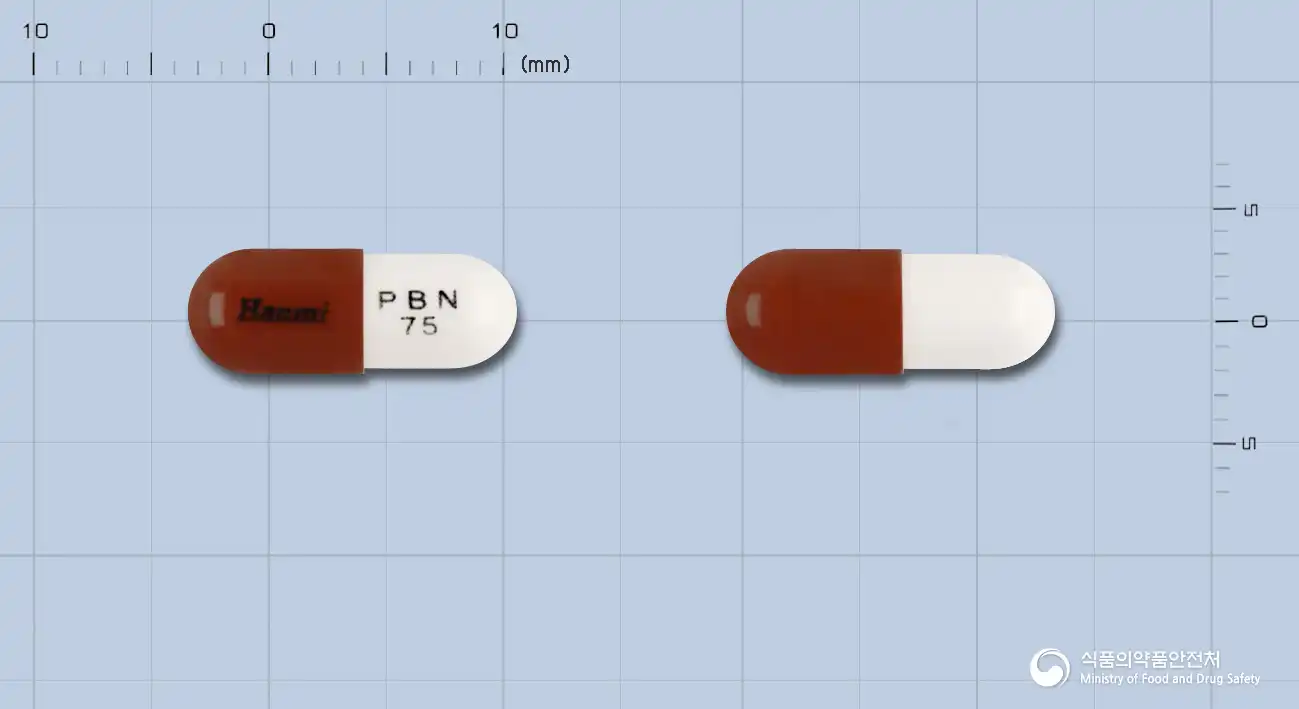
Pregabalin 75mg
Hard capsule · Prescription medication
Hanmi Pharm. Co., Ltd.
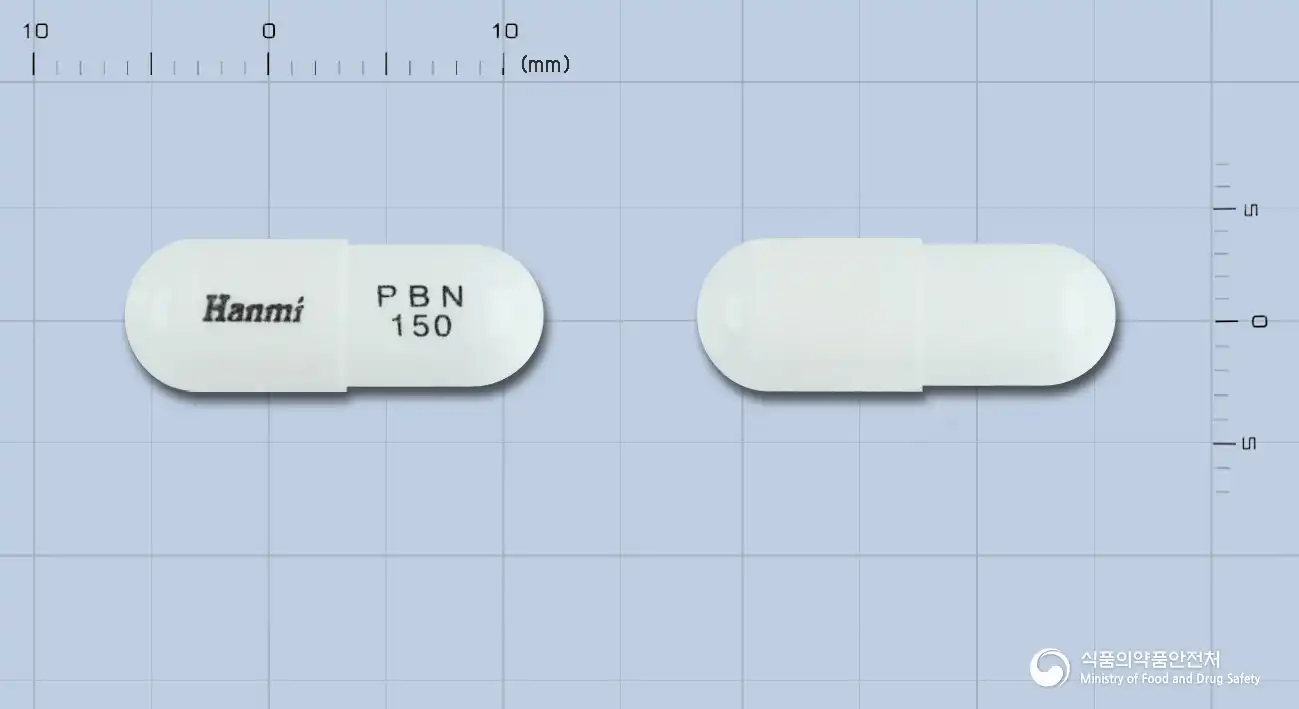
Pregabalin 150mg
Hard capsule · Prescription medication
Hanmi Pharmaceutical Co., Ltd.
Even with the same ingredient, the dose and directions can differ by strength and dosage form. Talk to a doctor or pharmacist before switching from a medication you are already taking.
No questions yet.
For anything that needs medical judgment, consult a doctor or pharmacist.
This drug information is based on data provided by the Korea Ministry of Food and Drug Safety.
Consult a doctor or pharmacist for accurate dosage, administration, and usage instructions.