
 한국어
 English
 日本語
 中文(简体)
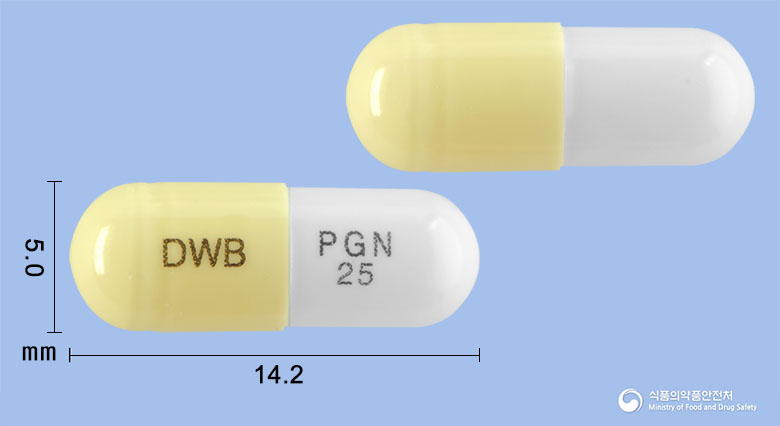 Viewing now
Lyribea Capsule 25mg (Pregabalin)
Pregabalin 25mg
Hard capsule · Prescription medication
Daewoong Bio Co., Ltd.
MFDS item code 201805041 · Approved 2018.12.12 · Insurance code 694002030
Treatment of neuropathic pain and fibromyalgia; adjunctive treatment of partial-onset seizures
This medication is used to treat pain caused by peripheral and central neuropathy in adults. It is also used as an adjunctive treatment for partial seizures in epilepsy patients, regardless of the presence of secondary generalized symptoms. Additionally, it is effective in improving symptoms of fibromyalgia. It is used to help various nerve-related disorders and symptoms, thereby improving the quality of life of patients.
This medicine, as pregabalin, is administered orally in 2 divided doses per day, with or without food. Because this medicine is primarily excreted by the kidneys, the dosage should be adjusted in patients with impaired renal function. (See section ‘5. Patients with Renal Impairment’) 1. Neuropathic pain 1) Peripheral neuropathic pain Adults: This medicine may be administered at an initial dose of 150 mg per day. Based on the individual patient’s response and tolerability, the dose may be increased to 300 mg per day after 3 to 7 days. If needed, the dose may subsequently be increased at 7-day intervals to a maximum of 600 mg per day. 2) Central neuropathic pain Adults: This medicine may be administered at an initial dose of 150 mg per day. Based on the individual patient’s response and tolerability, the dose may be increased to 300 mg per day after 1 week. After an additional 1 week, the dose may be increased to the target daily dose of 600 mg. If the target daily dose is not tolerated, dose reduction may be considered. (See section ‘4. Discontinuation of Treatment’) 2. Epilepsy Adults: This medicine may be administered at an initial dose of 150 mg per day. Based on the individual patient’s response and tolerability, the dose may be increased to 300 mg per day after 1 week. If needed, the dose may subsequently be increased at 7-day intervals to a maximum of 600 mg per day. 3. Fibromyalgia The recommended dose of this medicine for fibromyalgia is 300 mg to 450 mg per day. The initial dose is 75 mg twice daily (150 mg per day), and based on efficacy and tolerability, it may be increased within 1 week to 150 mg twice daily (300 mg per day). For patients who do not experience sufficient benefit at a dose of 300 mg per day, the dose may be increased within 1 week to 225 mg twice daily (450 mg per day). Clinical studies were also conducted at a dose of 600 mg per day, but there is no evidence of additional benefit or adequate tolerability at this dose. Considering the dose-dependent adverse reactions, doses exceeding 450 mg per day are not recommended. 4. Discontinuation of Treatment Based on current clinical experience, if treatment with this medicine is discontinued, it should be tapered gradually over at least 1 week. 5. Patients with Renal Impairment After entering the systemic circulation, this medicine is primarily excreted by the kidneys as unchanged drug. The clearance of this medicine is directly affected by creatinine clearance; therefore, dose reductions in patients with impaired renal function should be individualized based on creatinine clearance. Creatinine clearance [Table 1] is determined using the following formula: Creatinine clearance (mL/min)* = [140 – age (years)] x body weight (kg) 72 x serum creatinine concentration (serum creatinine, mg/dL) * For women, multiply the result obtained using the above formula by 0.85. This medicine is effectively removed from plasma by hemodialysis (approximately 50% within 4 hours). In patients undergoing hemodialysis, the daily dose of pregabalin should be adjusted based on renal function. In addition to the daily dose based on renal function, a supplemental dose should be administered immediately after each 4-hour hemodialysis session. [Table 1]. Pregabalin dosage based on renal function Creatinine clearance (CLcr), (mL/min) Total daily dose of pregabalin a Initial dose (mg/day) Maximum dose (mg/day) Administration method ≥60 150 600 BID or TID ≥30 -<60 75 300 BID or TID ≥15 -<30 25-50 150 QD or BID <15 25 75 QD Supplemental dose after hemodialysis 25 100 Single dose b TID = total daily dose administered in 3 divided doses BID = total daily dose administered in 2 divided doses QD = administered once daily a The total daily dose (mg/day) should be administered in divided doses as specified under the administration method. b Supplemental dose refers to an additional dose administered once. 6. Patients with Hepatic Impairment No dosage adjustment is necessary in patients with hepatic impairment. 8. Older Adults (65 years of age and older) Dose reduction may be necessary in older adults with impaired renal function.
Administration is not recommended for children under 12 years of age or adolescent patients aged 12 ~17 years because there are insufficient data on safety and efficacy.
This medication may increase the risk of suicidal thoughts or behavior, so patients should be closely monitored for mood changes or depressive symptoms while taking it. Patients allergic to this medication's components should not take it. Diabetic patients may need to adjust their blood sugar control medications due to weight gain. If symptoms of angioedema such as swelling around the face or mouth occur, discontinue use immediately. Elderly patients should be particularly cautious when starting treatment, as dizziness or drowsiness can increase the risk of falls. Transient blurred vision or visual changes may occur, which can improve upon discontinuation of the medication. When stopping this medication, withdrawal symptoms such as insomnia, headache, and anxiety may occur, so patients should consult their healthcare provider. Patients with a history of substance abuse should use this medication with caution due to a high risk of misuse or dependence. Patients with impaired kidney function may require dosage adjustments. Patients with severe heart conditions should exercise caution when using this medication. Due to its central nervous system depressant effects, using this medication alongside opioid analgesics may lead to increased respiratory depression or drowsiness, so care must be taken. Pregnant women should avoid this medication during early pregnancy due to the risk of fetal malformations, and women of childbearing age should use effective contraception. Women who are breastfeeding should consider discontinuing breastfeeding or stopping the medication as it may be passed into breast milk. Patients should exercise caution in dangerous activities such as driving or operating machinery as dizziness or drowsiness may occur after taking this medication. If severe skin rashes or allergic symptoms occur while taking this medication, discontinue use immediately and inform healthcare providers. In the event of an overdose, symptoms such as confusion, drowsiness, and depression may occur, and treatment such as hemodialysis may be necessary. This medication should be kept out of the reach of children and should not be transferred to other containers.
Not everyone experiences these, and they can vary from person to person.
This medication should be stored in a tightly closed container to protect it from air and moisture, and it is recommended to keep it in a cool place between 15 to 30 degrees Celsius. Storing it this way will help maintain the medication's effectiveness for a long time.
A hard capsule with a light yellow upper part and a white lower part filled with a white or light yellow powder
30 capsules/bottle, 100 capsules/bottle
Even with the same ingredient, strength, dosage form and how it is taken can differ.
Viewing nowPregabalin 25mg
Hard capsule · Prescription medication
Daewoong Bio Co., Ltd.
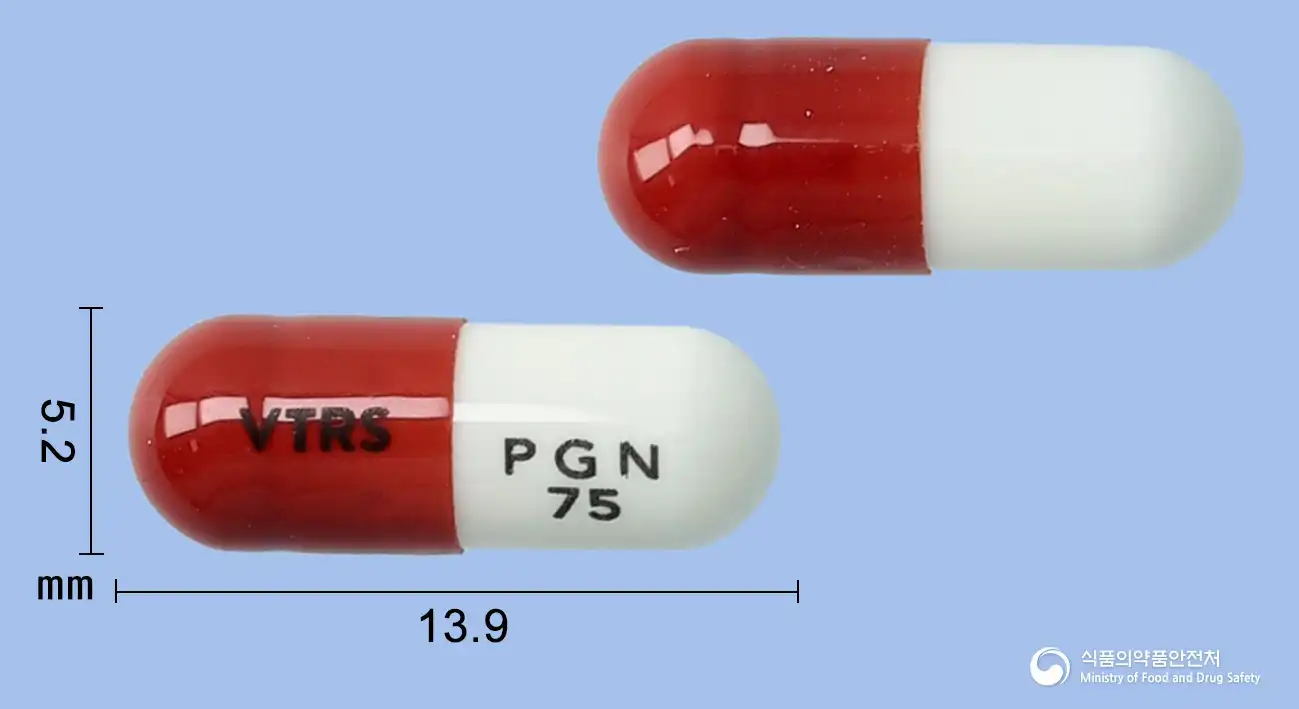
Pregabalin 75mg
Hard capsule · Prescription medication
Viatris Korea Co., Ltd.
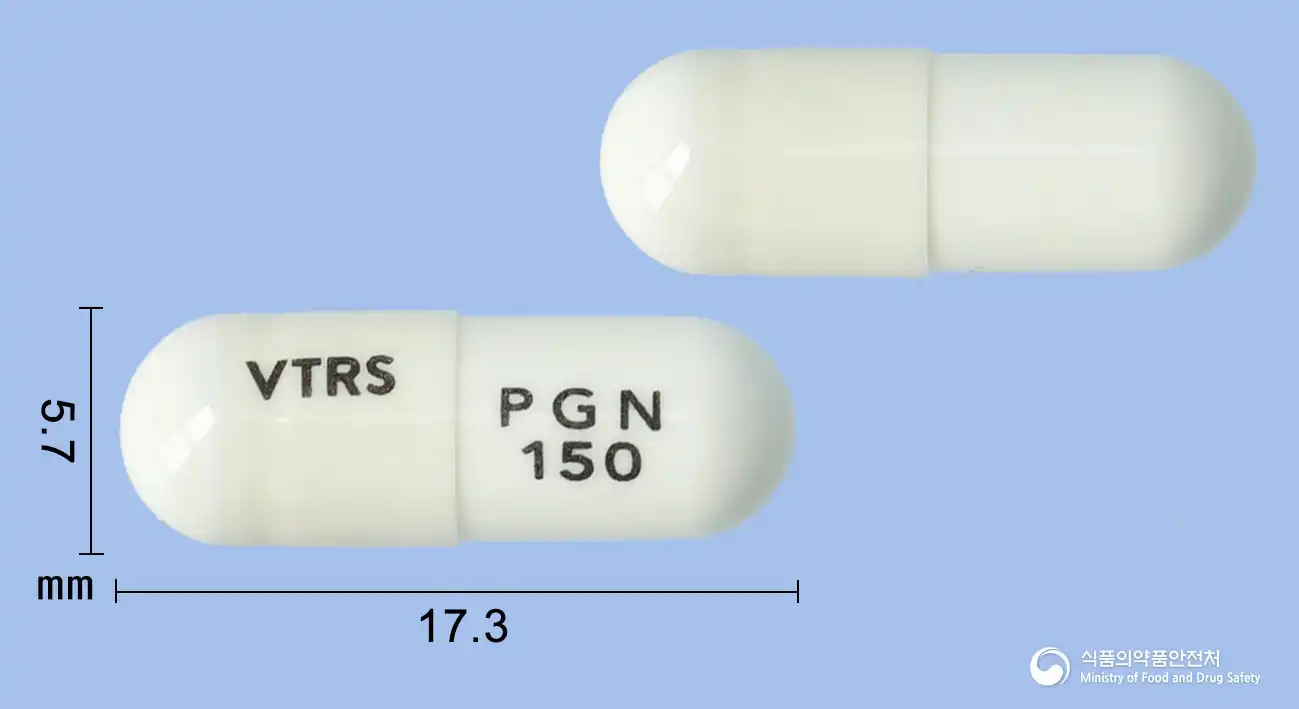
Pregabalin 150mg
Hard capsule · Prescription medication
Viatris Korea Co., Ltd.
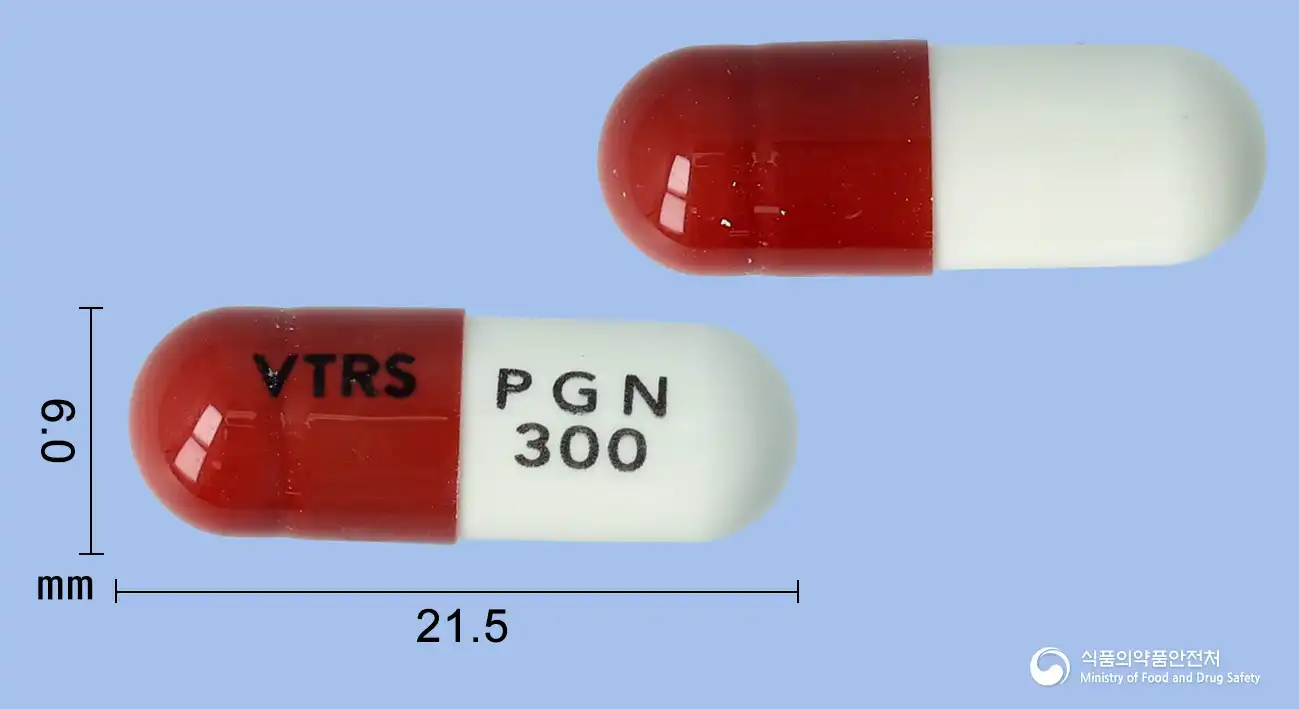
Pregabalin 300mg
Hard capsule · Prescription medication
Viatris Korea Co., Ltd.
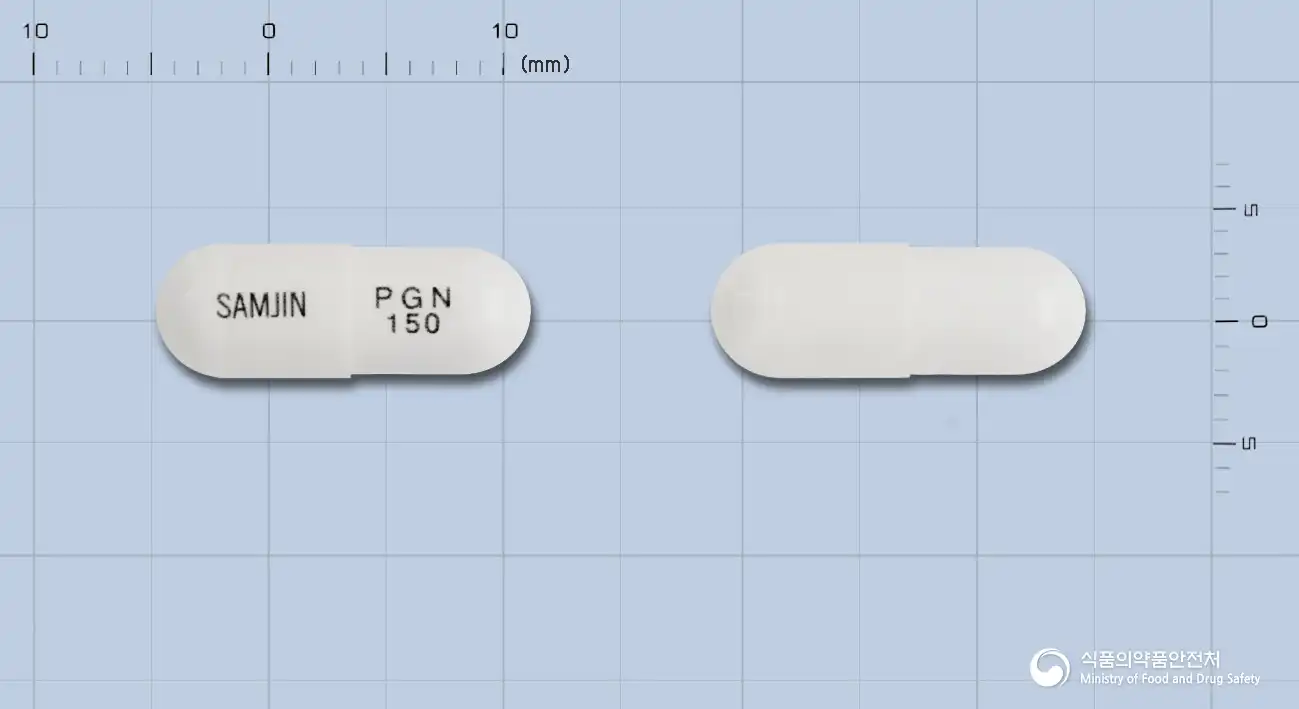
Pregabalin 150mg
Hard capsule · Prescription medication
Samjin Pharmaceutical Co., Ltd.
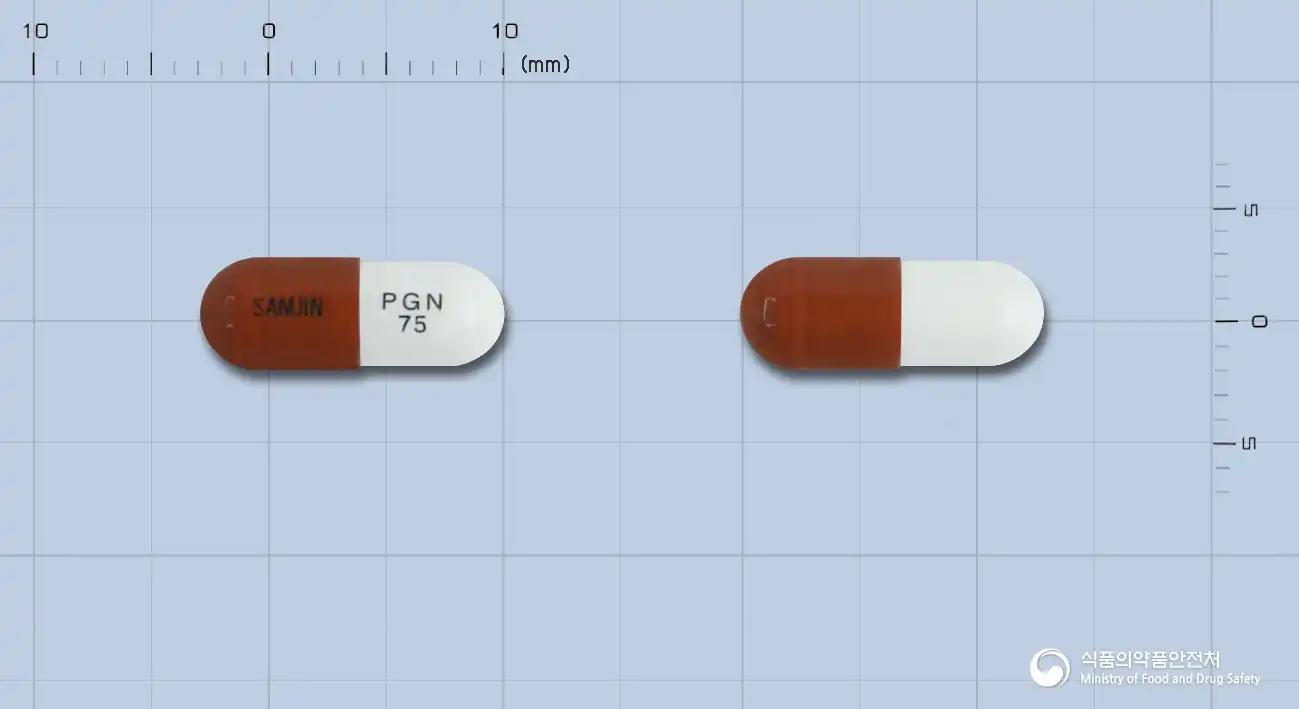
Pregabalin 75mg
Hard capsule · Prescription medication
Samjin Pharmaceutical Co., Ltd.
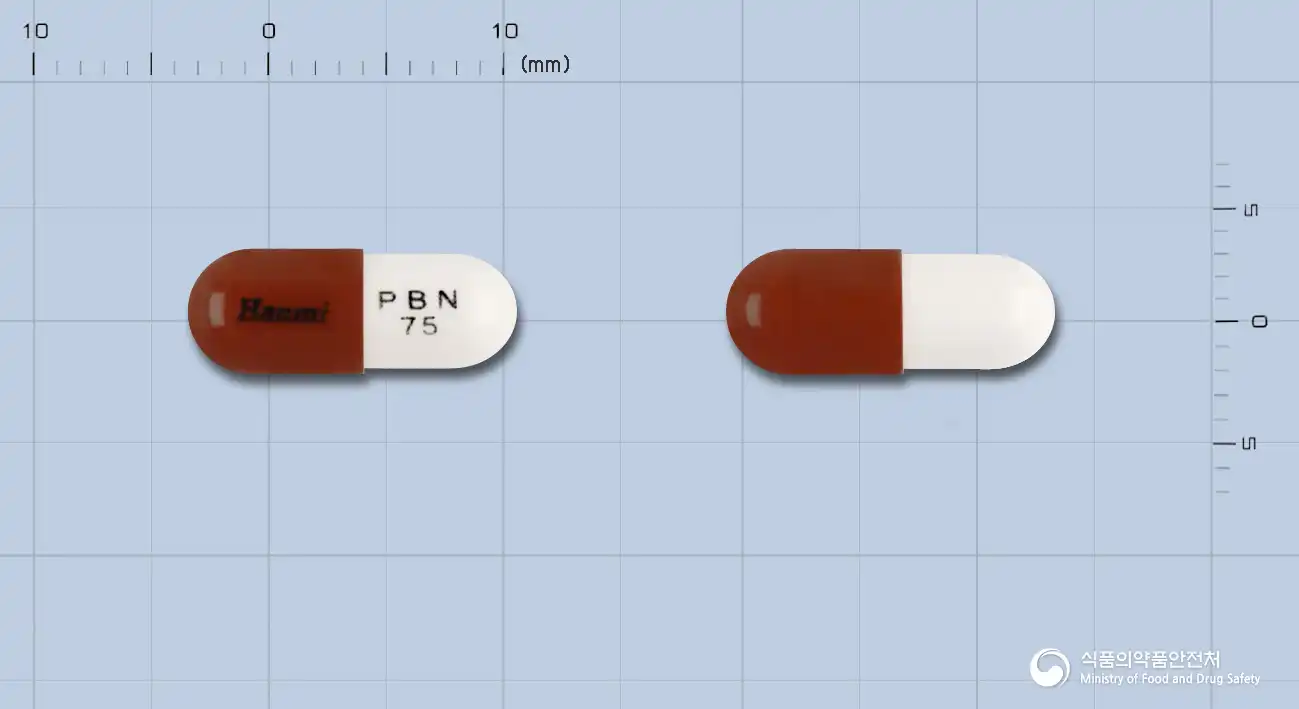
Pregabalin 75mg
Hard capsule · Prescription medication
Hanmi Pharm. Co., Ltd.
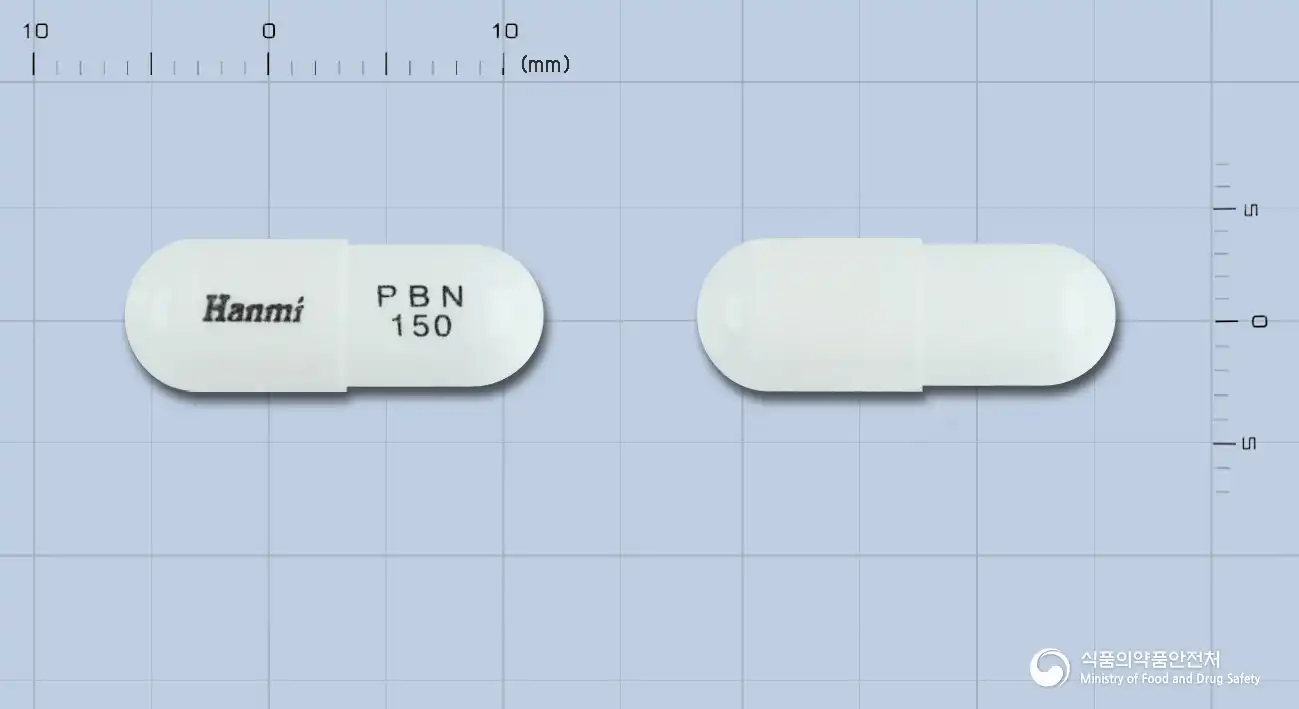
Pregabalin 150mg
Hard capsule · Prescription medication
Hanmi Pharmaceutical Co., Ltd.
Even with the same ingredient, the dose and directions can differ by strength and dosage form. Talk to a doctor or pharmacist before switching from a medication you are already taking.
No questions yet.
For anything that needs medical judgment, consult a doctor or pharmacist.
This drug information is based on data provided by the Korea Ministry of Food and Drug Safety.
Consult a doctor or pharmacist for accurate dosage, administration, and usage instructions.