
 한국어
한국어 English
 日本語
日本語 中文(简体)
Dosage form image
Viewing nowCombinationCreeprep Solution
Anhydrous Sodium Sulfate 17.5g · Potassium Sulfate 3.13g +1 more
Solution · Prescription medication · Combination
Korea Pharma Co., Ltd.
MFDS item code 201805039 · Notified 2018.12.12
This product's status changed to Approval withdrawn on 2025.03.28. It may no longer be sold, so consult a doctor or pharmacist before taking it.
Bowel cleansing effect for colon examination preparation
This medication is used to clean the colon before X-ray or endoscopic examination. It should only be used for preparation purposes, not for treating constipation. It helps remove unnecessary contents from the colon, thereby improving the accuracy of examination results.
1. Preparation of Solution Pour the contents of 1 bottle (177 mL) into the provided mixing container and add water until filling the container to the indicated line (approximately 473 mL). 2. Dosage and Administration In adults, the medication should be taken in split doses as follows: 1) The day before the examination On the evening before the examination, take the entire prepared solution and then fill an empty container with water to the indicated line (approximately 473 mL) and drink it twice over the course of one hour. 2)
This medication should not be used in patients who are allergic to this medication or its components. It should also not be administered to patients suspected of having gastrointestinal obstruction or perforation, patients with difficulty in passing gastric contents, or patients with a blocked bowel. Patients with toxic colitis or toxic megacolon, as well as those with severely impaired kidney function, should not use this medication. Administration is contraindicated in patients who are severely dehydrated, have ascites, or have congestive heart failure. Careful use is warranted in patients with severe fluid abnormalities or abnormal blood test results, those with a history of seizures or high seizure risk, and in patients at risk of arrhythmia. Patients with decreased renal function or those taking medications that may affect the kidneys, as well as patients with ulcers in the colonic mucosa or ischemic colitis, should also be administered this medication with caution. Patients with severe active ulcerative colitis and those who have a reduced gag reflex, which may increase the risk of aspiration, require careful usage. This medication may cause diarrhea after administration, so adequate fluid intake is essential. If symptoms of vomiting or dehydration occur, electrolyte and kidney function tests should be conducted, as fluid and electrolyte imbalance can cause serious issues such as cardiac arrhythmia, seizures, and exacerbation of kidney function. Even patients without a history of seizures may rarely experience seizures or loss of consciousness, so caution is necessary, especially for those at increased seizure risk. This medication may temporarily raise serum uric acid levels, posing an acute attack risk in gout patients; thus, caution is advised. For patients at high risk of cardiac arrhythmia, it is advisable to consider performing an ECG before and after using this medication. When taking this medication, it must be diluted in sufficient water, as taking it undiluted increases the risk of nausea, vomiting, dehydration, and electrolyte disturbances. It should be administered to pregnant women only when the diagnostic benefits outweigh the risks, and nursing mothers should use it cautiously. Safety in pediatric patients has not been established, hence careful use is necessary. It can be used in the elderly, but due to potential impairments in liver, kidney, and heart function, the risk of side effects may be elevated, necessitating caution. This medication should be consumed immediately after opening or diluting, and should be kept out of reach of children. Additionally, transferring to another container should be avoided as it may lead to a degradation in quality and risk of accidents.
Severe allergic reactions (hives, severe swelling), severe skin adverse reactions (severe rash with high fever, blisters, skin peeling, pain in oral/ocular mucosa), respiratory issues (shortness of breath or difficulty breathing, asthma attacks, breathing abnormalities accompanied by coughing and fever), liver abnormalities (yellowing of skin or eyes, severe fatigue), severe neurological symptoms (sudden and very severe headache, thunderclap headache, seizures, loss of consciousness)
Not everyone experiences these, and they can vary from person to person.
This medication should be stored in a tightly sealed container to protect it from exposure to air and moisture. Furthermore, it is recommended to avoid storage in excessively hot or cold places, maintaining a temperature between 1°C and 30°C.
A colorless to light yellow transparent liquid with an orange, lime-like aroma, contained in a white plastic bottle.
2 bottles (177 mL) per box
Even with the same ingredient, strength, dosage form and how it is taken can differ.
Anhydrous Sodium Sulfate 17.5g · Potassium Sulfate 3.13g +1 more
Solution · Prescription medication · Combination
Korea Pharma Co., Ltd.
Anhydrous Sodium Sulfate 17.5g · Potassium Sulfate 3.13g +1 more
Solution · Prescription medication · Combination
Korea Pharmbio Co., Ltd.
Anhydrous Sodium Sulfate 17.5g · Potassium Sulfate 3.13g +1 more
Solution · Prescription medication · Combination
McNulty Pharmaceutical Co., Ltd.
Anhydrous Sodium Sulfate 17.5g · Potassium Sulfate 3.13g +1 more
Prescription medication · Combination
IntroBioPharma Co., Ltd.
Anhydrous Sodium Sulfate 17.5g · Potassium Sulfate 3.13g +1 more
Prescription medication · Combination
Korea Pharmbio Co., Ltd.
 Combination
Anhydrous Sodium Sulfate 17.5mg · Potassium Sulfate 3.13mg +1 more
Tablet · Prescription medication · Combination
Taejun Pharmaceutical Co., Ltd.
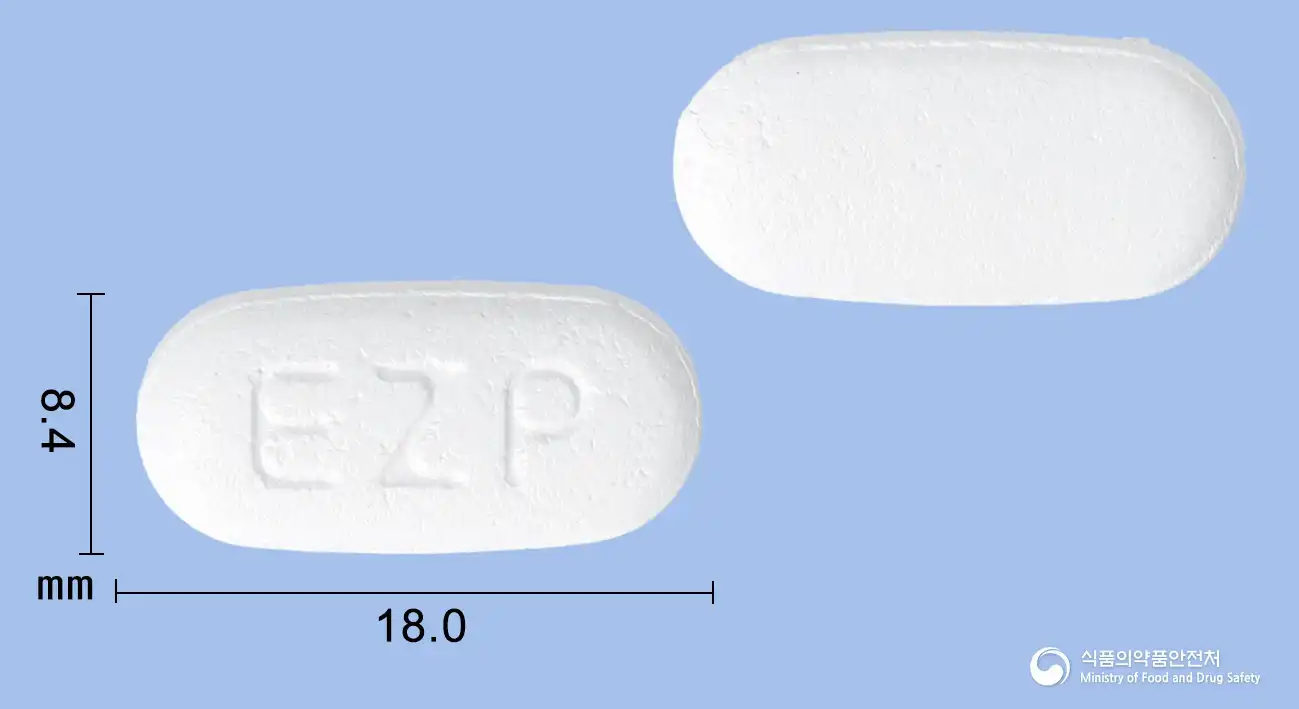 Combination
Anhydrous Sodium Sulfate 1250mg · Potassium Sulfate 220.833mg +1 more
Tablet · Prescription medication · Combination
Intro Bio Pharma Co., Ltd.
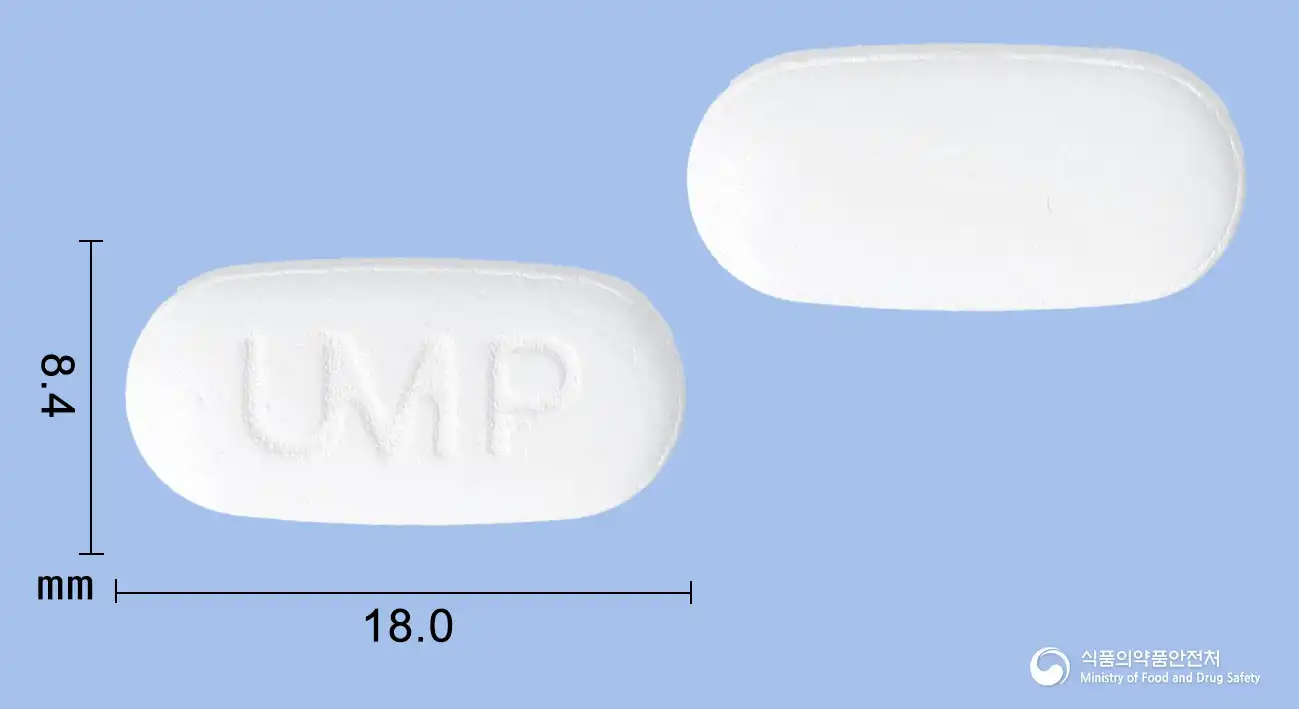 Combination
Anhydrous Sodium Sulfate 1250mg · Potassium Sulfate 220.833mg +1 more
Tablet · Prescription medication · Combination
Unimed Pharmaceutical Co., Ltd.
Even with the same ingredient, the dose and directions can differ by strength and dosage form. Talk to a doctor or pharmacist before switching from a medication you are already taking.
No questions yet.
For anything that needs medical judgment, consult a doctor or pharmacist.
This drug information is based on data provided by the Korea Ministry of Food and Drug Safety.
Consult a doctor or pharmacist for accurate dosage, administration, and usage instructions.