
 한국어
 English
 日本語
 中文(简体)
Dosage form image
Viewing nowHangsepeu Dry Syrup (Cefpodoxime Proxetil)
Cefpodoxime Proxetil 5g
Prescription medication
HanKook HyuTex Pharmaceutical Co., Ltd.
MFDS item code 201804828 · Approved 2018.11.29 · Insurance code 649104131
Treatment of respiratory and otorhinolaryngologic infections, skin and soft tissue infections, urinary tract infections, and scarlet fever
This medication is effective against various bacterial infections. It is used for treating inflammations of the skin and soft tissues such as furunculosis, carbuncles, impetigo, and cellulitis. It is also effective against respiratory infections such as pharyngitis, tonsillitis, acute bronchitis, and pneumonia. It helps in the treatment of urinary tract infections like pyelonephritis and cystitis, and is used for otitis media and sinusitis as well. Finally, it is a useful medication for treating scarlet fever, effectively improving various bacterial infections.
Infants and children: Administer cefpodoxime orally as a suspension at a dose of 3mg (potency)/kg per dose, 2~3 times daily. For severe cases or cases considered to have an insufficient response, administer orally at a dose of 4.5mg (potency)/kg per dose 3 times daily. Adjust the dose as appropriate according to age, symptoms, etc.
This medication contains the artificial sweetener aspartame, which is broken down into phenylalanine in the body. Therefore, it should not be used in patients with the genetic disorder phenylketonuria. The daily maximum allowable amount of aspartame should be limited to below the WHO recommended level, and only the minimum amount necessary should be used. For example, in the case of a 60kg adult, care should be taken to ensure that it does not exceed 2.4g per day. Patients who have had severe allergic reactions or shock after using this medication should not use it again. Also, since this medication contains lactose, patients with genetic issues such as galactose intolerance, lactase deficiency, or glucose-galactose malabsorption should not be administered this medication. Patients who have had allergic reactions to this medication or similar cephalosporin antibiotics should not use it in principle, but if it is absolutely necessary, it should be administered with caution. Patients allergic to penicillin antibiotics or those with a history of allergies should also be cautious. Patients with severely impaired kidney function should be careful as this medication may not be well excreted from the body and could pose risks. Additionally, patients who cannot take medication orally, elderly patients, or those in poor general health should be carefully monitored for symptoms of vitamin K deficiency. This medication may rarely cause various side effects, including shock, anaphylaxis, rash, urticaria, severe gastrointestinal disorders, interstitial pneumonia, blood disorders, central nervous system disorders, serious skin reactions, and liver and kidney function abnormalities. If any abnormal symptoms occur, administration should be stopped immediately, and appropriate treatment should be received. Long-term use of this medication may lead to the development of resistant bacteria, so sensitivity should be checked and used for the minimum necessary duration. Also, thorough medical consultation and skin reaction testing are recommended to prevent shock responses. Dizziness may occur when driving or operating machinery, so caution is advisable, and if used for more than ten days, it is recommended to check blood tests for white blood cell counts. In patients with decreased kidney function, without dosage adjustment, seizures may occur, so care is needed. Serious skin reactions have been reported with this medication, so patients should be informed of symptoms and signs, and skin reactions should be closely observed. If any abnormal reactions appear, administration should be stopped immediately, and alternative treatments should be considered. Care should be taken when using this medication in combination with other drugs as it may affect kidney function; it should be administered with caution, especially in conjunction with diuretics or certain antibiotics. Additionally, absorption rates may be affected by changes in gastric pH, so care should be taken during administration. Pregnant women or those who may become pregnant should only use this medication when the benefits of treatment outweigh the risks, as its safety has not been established. Nursing women are advised to discontinue breastfeeding as this medication can be transmitted through breast milk. Safety in children, especially infants younger than 2 months old, has not been established, so caution is necessary when using this medication. Elderly patients may be more prone to adverse reactions due to decreased physiological function and should have their dosage and intervals adjusted while being carefully monitored for bleeding risks due to vitamin K deficiency. This medication may affect the results of some clinical tests, so caution should be exercised during testing. Finally, the syrup formulation should be stored in a cool place after preparation, used within 2 weeks, and should be shaken well before use to ensure even distribution.
shock
Not everyone experiences these, and they can vary from person to person.
This medication may be sensitive to air or moisture, so it should be stored in a tightly closed container. The recommended storage temperature is between 1 to 30 degrees Celsius at room temperature. This will help maintain the medication's effectiveness for a longer period.
This medication is a yellow-orange granule.
40g/200mL /bottle
Even with the same ingredient, strength, dosage form and how it is taken can differ.
Cefpodoxime Proxetil 5g
Prescription medication
HanKook HyuTex Pharmaceutical Co., Ltd.
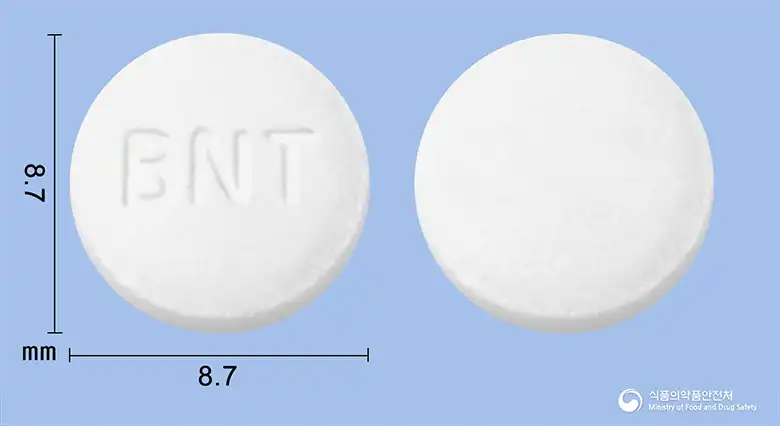
Cefpodoxime Proxetil 100mg
Tablet · Prescription medication
HK inno.N Co., Ltd.
Cefpodoxime Proxetil 5000mg
Prescription medication
HK inno.N Co., Ltd.
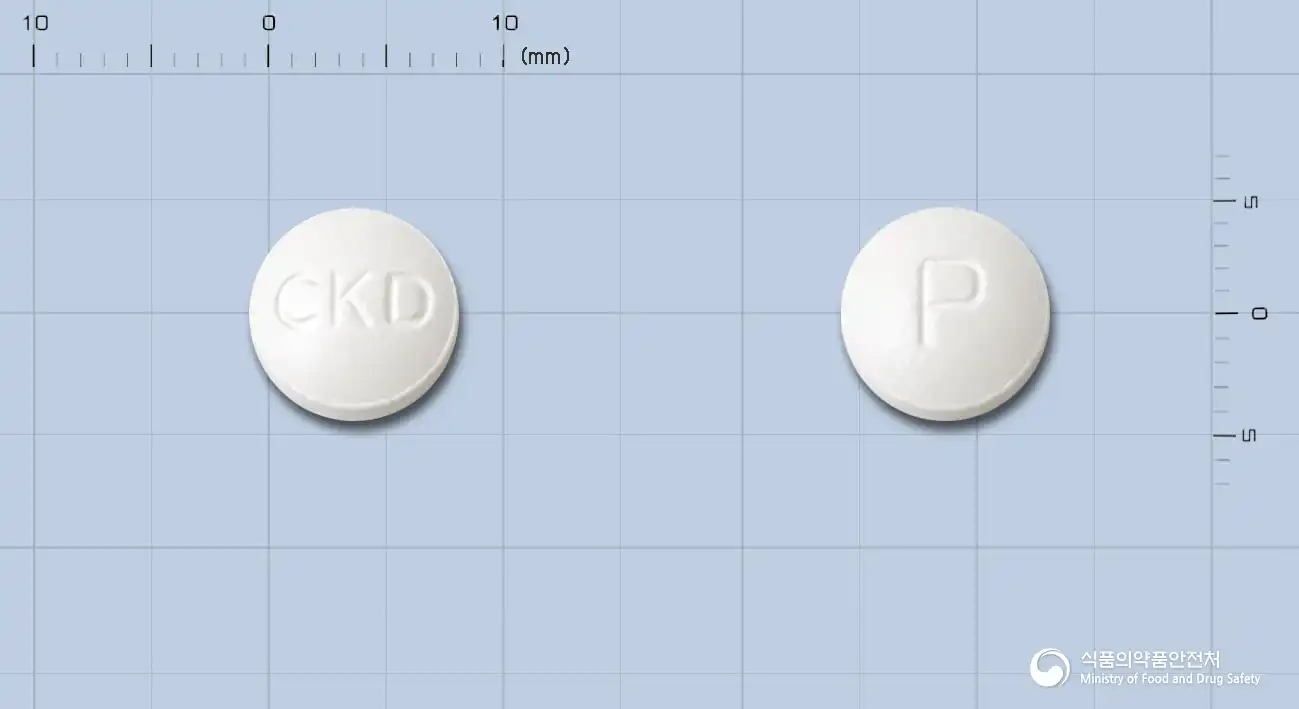
Cefpodoxime Proxetil 100mg
Tablet · Prescription medication
Jongkundang Co., Ltd.
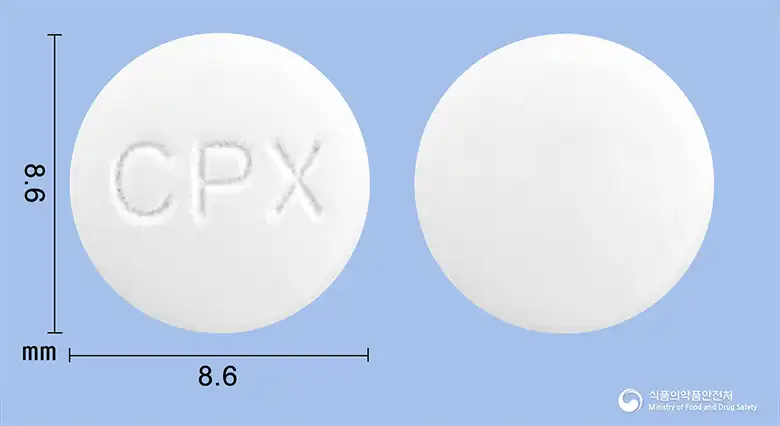
Cefpodoxime Proxetil 100mg
Tablet · Prescription medication
Youngjin Pharmaceutical Co., Ltd.
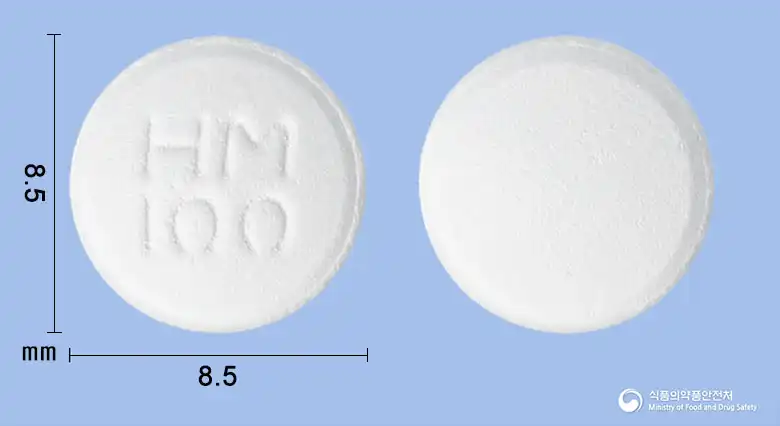
Cefpodoxime Proxetil 130mg
Tablet · Prescription medication
Hanmi Pharmaceutical Co., Ltd.
Cefpodoxime Proxetil 5000mg
Prescription medication
Jongkundang Co., Ltd.
Cefpodoxime Proxetil
Prescription medication
SK Chemicals Co., Ltd.
Even with the same ingredient, the dose and directions can differ by strength and dosage form. Talk to a doctor or pharmacist before switching from a medication you are already taking.
No questions yet.
For anything that needs medical judgment, consult a doctor or pharmacist.
This drug information is based on data provided by the Korea Ministry of Food and Drug Safety.
Consult a doctor or pharmacist for accurate dosage, administration, and usage instructions.