
 한국어
한국어 English
 日本語
日本語 中文(简体)
Dosage form image
Viewing nowCombinationIdalbiclo Tablets 40/12.5 mg
Potassium Azilsartan Medoxomil 42.68mg · Chlorthalidone 12.5mg
Tablet · Prescription medication · Combination
Celltrion Pharmaceutical Co., Ltd.
MFDS item code 201803207 · Approved 2018.08.06 · Insurance code 693903470
This product's status changed to Approval withdrawn on 2024.05.13. It may no longer be sold, so consult a doctor or pharmacist before taking it.
Improvement of blood pressure control in essential hypertension and stage 2 hypertension
Azilsartan Medoxomil is used in patients with essential hypertension who find it difficult to control blood pressure with monotherapy. It also aids as initial therapy when combination therapy is needed in stage 2 hypertension patients. This drug effectively lowers blood pressure, helping to improve hypertension management.
The recommended initial dose of this drug is 40/12.5 mg, taken with water regardless of meals. The antihypertensive effect usually becomes apparent within 1-2 weeks, and if blood pressure control is needed after 2-4 weeks, the dose can be increased to 40/25 mg. Doses exceeding 40/25 mg are not useful. The recommended initial dose is 40/12.5 mg once daily.
This medication should be discontinued in pregnant women, as it can cause serious harm to the fetus and newborn during the second and third trimesters. Patients with impaired liver function or ongoing liver disease should exercise caution, as this medication can cause serious issues such as hepatic coma. Severely renal impaired patients may experience elevated blood nitrogen levels due to the diuretic component of this drug, risking side effects from drug accumulation. Those with allergies to this drug or its components, pregnant or potentially pregnant women, and nursing mothers should not take this medication. Patients with anuria, severe hepatic impairment, or renal impairment, as well as those with hyponatremia or hypercalcemia, should also avoid this drug. Patients with a history of gout or hyperuricemia, those undergoing lithium treatment, or those taking medications that pose a risk of specific cardiac arrhythmias need to be cautious when taking this medication. In states of low blood volume or sodium depletion, hypotension symptoms may occur during early treatment; therefore, correction of the condition before use and immediate lying down in case of hypotension is necessary. Patients with impaired kidney function should have their renal function regularly monitored during treatment and discontinue use if deterioration occurs. Due to a lack of established safety in severely impaired hepatic patients, caution is advised when administering this drug. This medication may cause electrolyte imbalances such as hypokalemia, hyponatremia, and hypercalcemia, so frequent blood tests to check electrolyte levels are necessary. Hypokalemia, in particular, can be risky for patients with heart disease, so caution is required. Patients with hyperuricemia or gout may experience worsened symptoms when taking this drug; avoiding it is recommended. When used with other antihypertensive agents, the risk of hypotension, hyperkalemia, and renal function decline may increase, so combinations should be avoided or used with caution. Consult healthcare professionals immediately if blood pressure drops too low or there are renal function issues. Dizziness or drowsiness may occur during use; caution is needed when driving or operating heavy machinery. Adverse reactions may include increased serum creatinine, dizziness, hypotension, diarrhea, nausea, rash, etc.; if symptoms are severe or persistent, notify healthcare professionals. Pregnant or planning to become pregnant women should refrain from taking this medication, and it is not recommended for nursing mothers. In case of overdose, symptoms like hypotension, dizziness, and electrolyte imbalance may occur, so immediate medical attention is required. This medication should be stored out of reach of children and kept in its original packaging, away from light and moisture.
Urticaria, severe swelling (edema), serious angioedema, respiratory distress, neurological disorders (syncope, pre-syncope, tremor), liver disorders (cholestasis or jaundice), subdural hematoma, acute kidney injury, acute renal failure, subdural hematoma
Not everyone experiences these, and they can vary from person to person.
This medication should be stored in a tightly sealed container protected from light, ideally at a temperature between 1 to 30 degrees Celsius in a room. It should also be kept in a dry place to maintain its effectiveness.
Light red, round, biconvex film-coated tablet
28 tablets (14 tablets/PTP X 2), 56 tablets (14 tablets/PTP X 4)
Even with the same ingredient, strength, dosage form and how it is taken can differ.
Potassium Azilsartan Medoxomil 42.68mg · Chlorthalidone 12.5mg
Tablet · Prescription medication · Combination
Celltrion Pharmaceutical Co., Ltd.
Potassium Azilsartan Medoxomil 42.68mg · Chlorthalidone 25mg
Tablet · Prescription medication · Combination
Celltrion Pharmaceutical Co., Ltd.
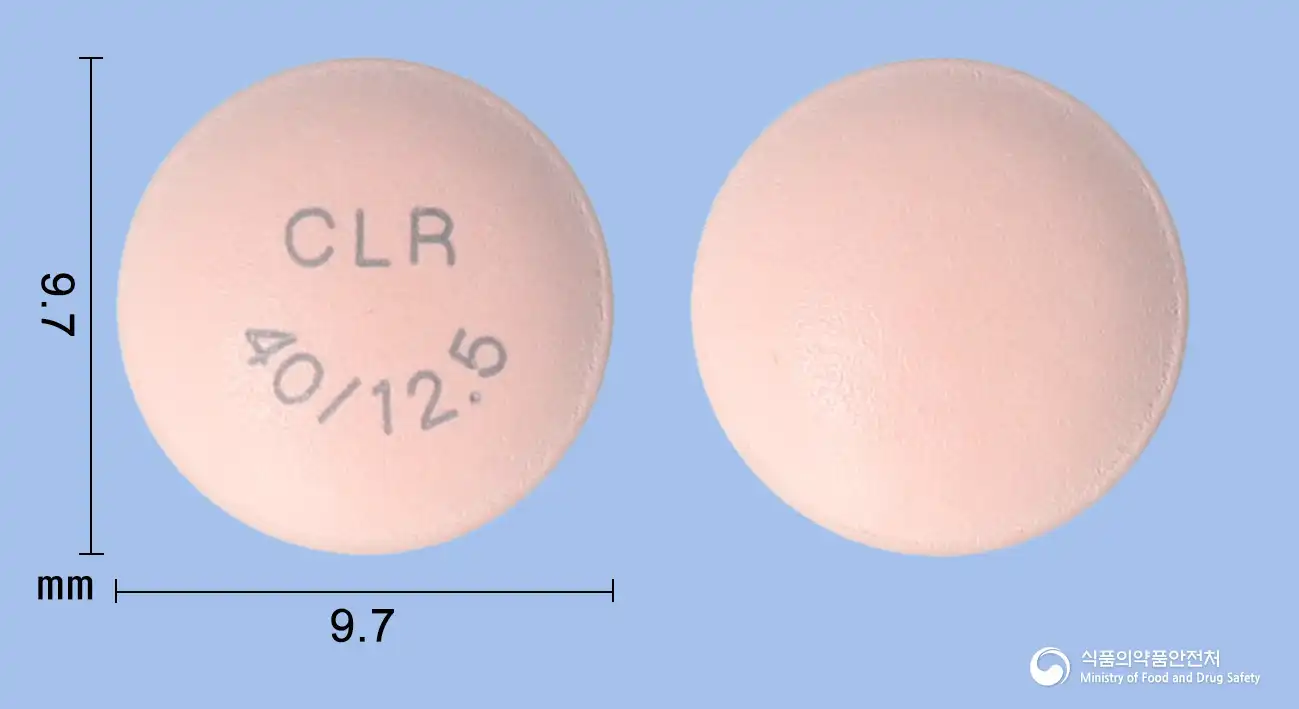 Combination
Potassium Azilsartan Medoxomil 42.68mg · Chlorthalidone 12.5mg
Tablet · Prescription medication · Combination
Celltrion Pharmaceutical Co., Ltd.
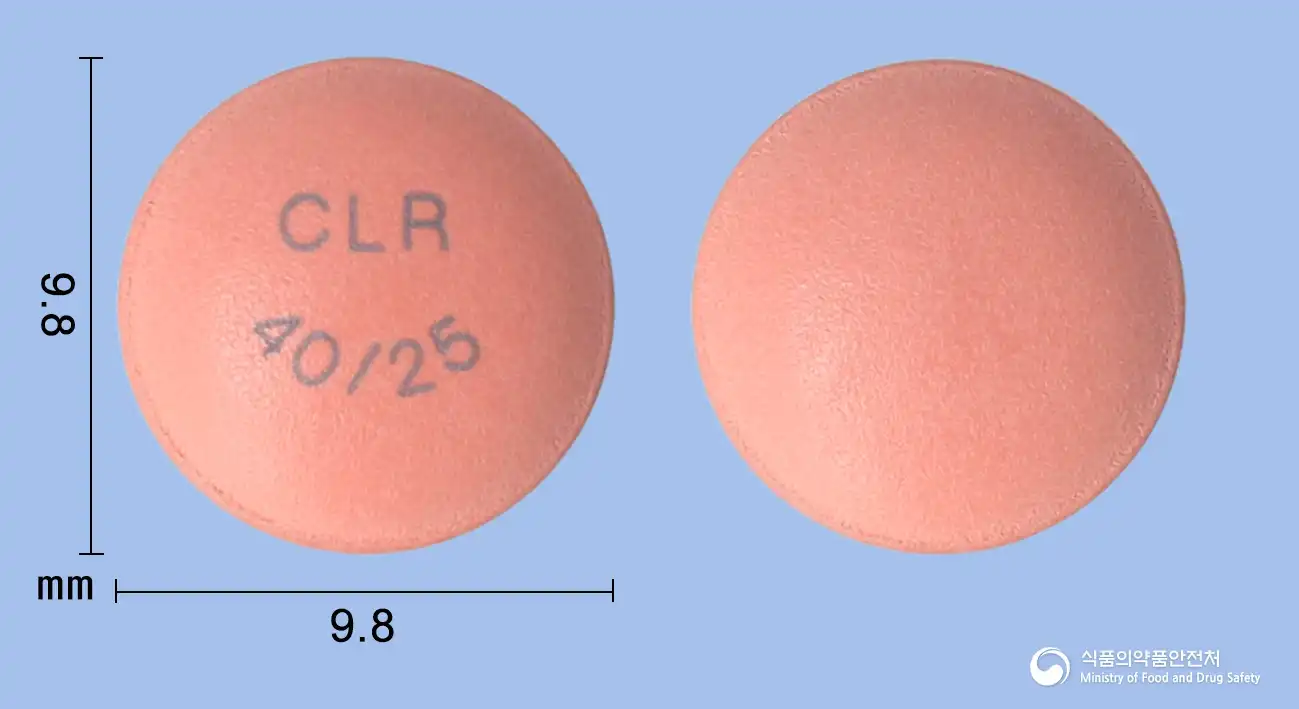 Combination
Potassium Azilsartan Medoxomil 42.68mg · Chlorthalidone 25mg
Tablet · Prescription medication · Combination
Celltrion Pharmaceutical Co., Ltd.
Even with the same ingredient, the dose and directions can differ by strength and dosage form. Talk to a doctor or pharmacist before switching from a medication you are already taking.
No questions yet.
For anything that needs medical judgment, consult a doctor or pharmacist.
This drug information is based on data provided by the Korea Ministry of Food and Drug Safety.
Consult a doctor or pharmacist for accurate dosage, administration, and usage instructions.