
 한국어
 English
 日本語
 中文(简体)
 Viewing now
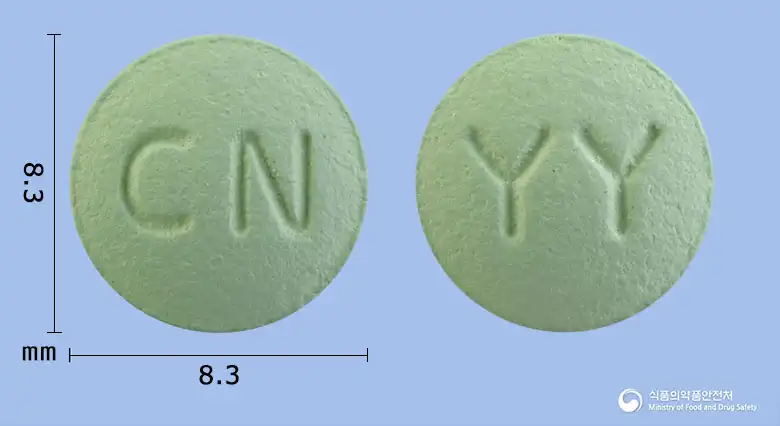
Benef Tablet (Cinacalcet Hydrochloride)
Cinacalcet Hydrochloride 27.55mg
Tablet · Prescription medication
Yuyu Pharmaceutical Co., Ltd.
MFDS item code 201803170 · Approved 2018.07.31 · Insurance code 644502600
Treatment of secondary hyperparathyroidism in patients with chronic renal failure undergoing dialysis
In chronic renal failure patients undergoing dialysis, secondary hyperparathyroidism can frequently occur. This medication helps to manage the excessive secretion of parathyroid hormone from the parathyroid glands, maintaining the balance of calcium and phosphorus in the blood. This can help prevent side effects such as osteoporosis and cardiovascular complications. Additionally, this treatment contributes to normalizing mineral metabolism in the body, improving the overall health condition of chronic renal failure patients. Therefore, it is effectively used for the treatment of secondary hyperparathyroidism.
Adults: Administer 25 mg of cinacalcet orally once daily. Thereafter, while monitoring the patient's parathyroid hormone (iPTH) and serum calcium levels, adjust the dose to 25, 50, or 75 mg once daily based on the serum calcium level or parathyroid hormone (iPTH) level, and administer orally. If improvement in parathyroid hormone (iPTH) is not confirmed, administer orally up to a maximum single dose of 100 mg. When increasing the dose, increase it in 25 mg increments at intervals of at least 3 weeks. Do not divide the dose when taking this medicine orally.
This medication should be used with caution in patients with a history of seizures, as seizures may recur. In patients with heart failure, blood pressure may drop or heart failure symptoms may worsen, requiring close monitoring. Patients who have allergies to any of the ingredients in this medication or have genetic issues such as lactose intolerance should not take it. Patients with hypocalcemia should be particularly careful as this medication may further lower calcium levels. Patients with impaired liver function may require dose adjustments and monitoring due to slowed drug metabolism. Those with a history of gastrointestinal bleeding or ulcers should be administered with caution due to the potential for exacerbation of symptoms. During treatment, gastrointestinal symptoms such as nausea, vomiting, and loss of appetite may occur, alongside symptoms of hypocalcemia, making regular serum calcium tests and monitoring for abnormal symptoms important. Due to the risk of QT interval prolongation, arrhythmia, and hypotension, close monitoring of heart status is necessary. There are significant drug interactions; concomitant use with certain antifungals, antibiotics, and antidepressants can increase blood levels, heightening the risk of side effects. Elderly patients over 65 years old are at a higher risk for adverse effects and may require dose adjustments upon symptom onset. Pregnant or breastfeeding women are advised to avoid this medication and should consult with a specialist for careful consideration if necessary. Safety for children and adolescents under 19 years has not been established, so use is not recommended. In cases of overdose, symptoms of hypocalcemia may occur, necessitating appropriate treatment according to the symptoms, as blood dialysis is ineffective. When taking this medication, it should be swallowed whole without crushing to prevent esophageal damage or perforation. This medication can lower calcium levels in chronic renal failure patients, so careful management before and after administration is crucial. Additionally, there is a risk of hypocalcemia and osteodystrophy due to a rapid decrease in parathyroid hormone, requiring caution.
Not everyone experiences these, and they can vary from person to person.
This medication should be stored in a tightly closed container protected from air and moisture, keeping the storage temperature between 1°C and 30°C. Therefore, it is important to avoid direct sunlight and not store it in excessively hot or cold places.
Round film-coated tablet, light green or light yellow-green
100 tablets (10 tablets/PTP packaging x 10)
Even with the same ingredient, strength, dosage form and how it is taken can differ.
Viewing nowCinacalcet Hydrochloride 27.55mg
Tablet · Prescription medication
Yuyu Pharmaceutical Co., Ltd.
Cinacalcet Hydrochloride 27.55mg
Tablet · Prescription medication
Korea Kyowa Kirin Co., Ltd.
Cinacalcet Hydrochloride 82.65mg
Tablet · Prescription medication
Korea Kyowa Kirin Co., Ltd.
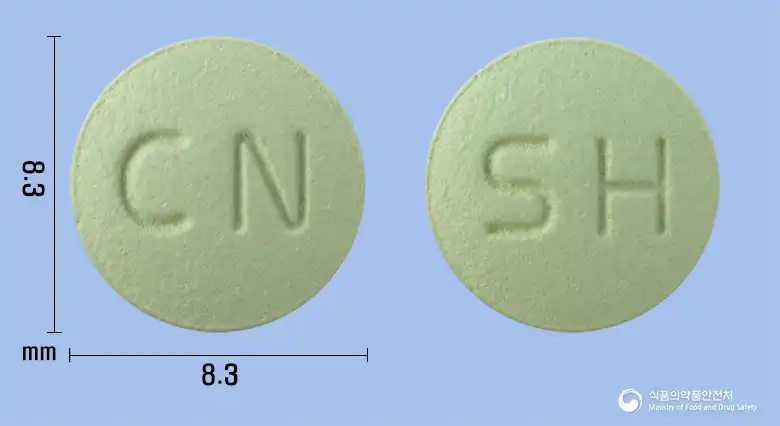
Cinacalcet Hydrochloride 27.55mg
Tablet · Prescription medication
Huons Co., Ltd.
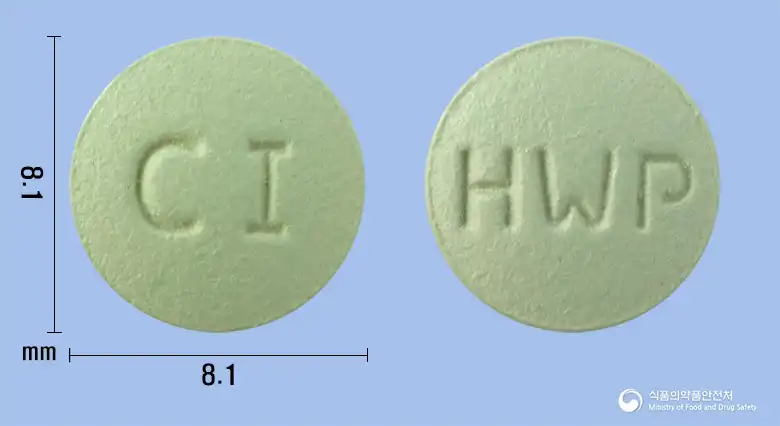
Cinacalcet Hydrochloride 27.55mg
Tablet · Prescription medication
Hanwha Pharmaceutical Co., Ltd.
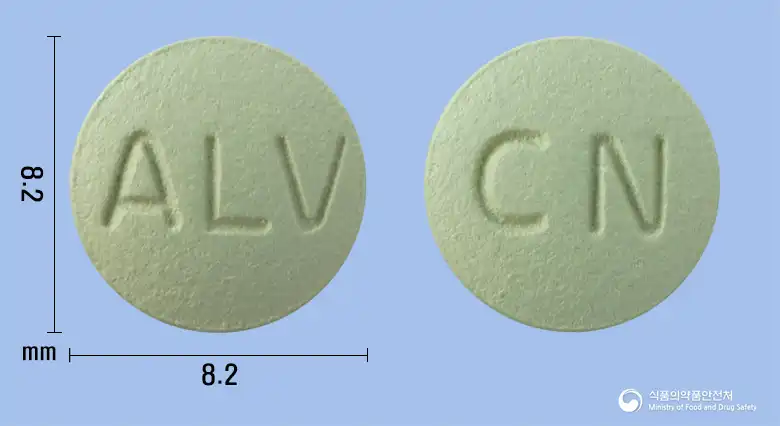
Cinacalcet Hydrochloride 27.55mg
Tablet · Prescription medication
Albozen Korea Co., Ltd.
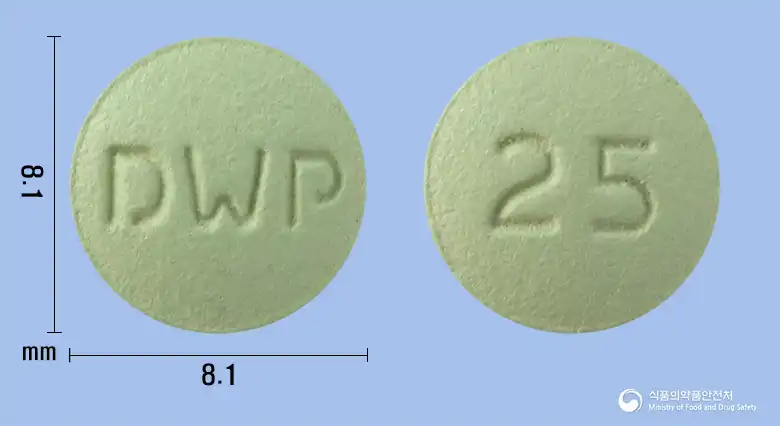
Cinacalcet Hydrochloride 27.55mg
Tablet · Prescription medication
DaeWon Pharmaceutical Co., Ltd.
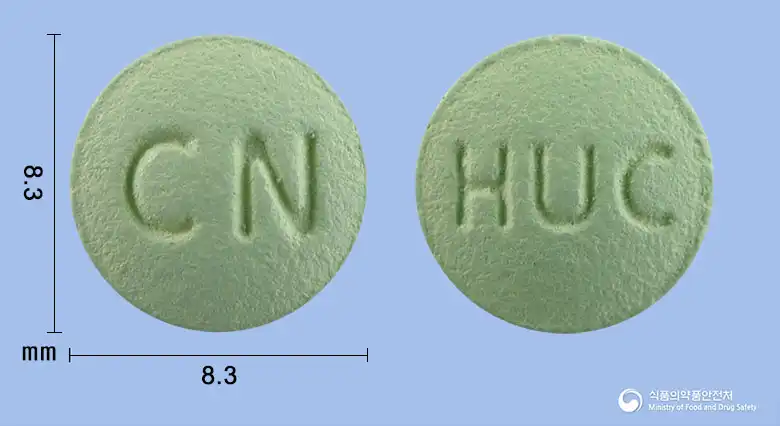
Cinacalcet Hydrochloride 27.55mg
Tablet · Prescription medication
Huons Meditech Co., Ltd.
Even with the same ingredient, the dose and directions can differ by strength and dosage form. Talk to a doctor or pharmacist before switching from a medication you are already taking.
No questions yet.
For anything that needs medical judgment, consult a doctor or pharmacist.
This drug information is based on data provided by the Korea Ministry of Food and Drug Safety.
Consult a doctor or pharmacist for accurate dosage, administration, and usage instructions.