
 한국어
 English
 日本語
 中文(简体)
 Viewing now
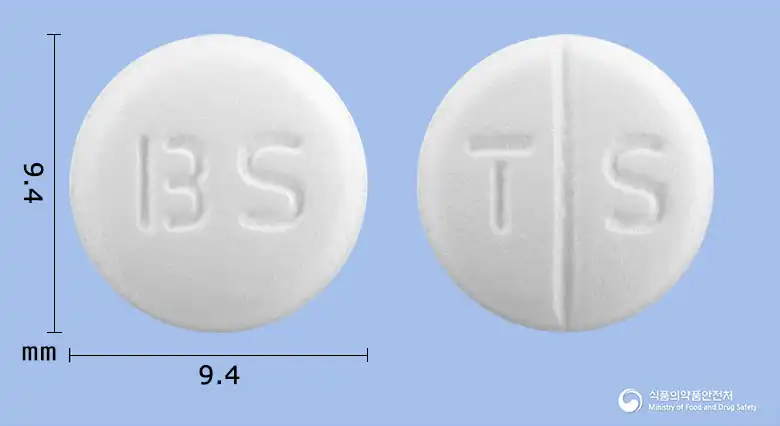
Taries Sustained Release Tablet (Bepotastine Salicylate)
Bepotastine Salicylate 11.78mg
Tablet · Prescription medication
Samchundang Pharm. Co., Ltd.
MFDS item code 201803119 · Approved 2018.07.30 · Insurance code 651205210
Relief of perennial allergic rhinitis, itchy skin (such as eczema), and chronic urticaria
This medication is used to relieve perennial allergic rhinitis and chronic urticaria, as well as the itching associated with skin diseases. It is particularly effective for skin-related symptoms such as eczema, dermatitis, pruritus, and urticaria. It helps improve the patient's symptoms and provides comfort.
Adults: Take 1 tablet once daily after a meal.
This medication should not be used in patients who are allergic to specific ingredients. Additionally, as it contains lactose, patients with lactose intolerance or associated genetic disorders should not take this medication. Patients with poor kidney or liver function, and elderly individuals should exercise caution when using this medication. While taking this medication, neurological symptoms such as drowsiness, headaches, and dizziness, or gastrointestinal symptoms such as dyspepsia, vomiting, and diarrhea may occur. Allergic reactions such as skin rashes or swelling have also been reported, so if abnormal symptoms appear, consult a doctor immediately. This medication may cause drowsiness, so caution is needed when driving or operating dangerous machinery. For patients on long-term steroid treatment, if taking this medication, the steroid dosage should be gradually reduced. Patients with reduced kidney function may have higher drug concentrations, so it is advisable to start with a low dose and closely monitor their condition. For patients with seasonal allergic rhinitis, it is advisable to administer this medication according to the season, and if there is no effect, long-term use should be avoided. Avoid using this medication in combination with other antihistamines or alcohol, as it may exacerbate side effects. Pregnant women or those who may become pregnant should preferably avoid this medication and use it only under a doctor's supervision if absolutely necessary. Lactating women should avoid taking this medication as it may be transmitted through breast milk, and if unavoidable, it is advisable to discontinue breastfeeding. Safety has not been established for children, so caution is advised in their use. Elderly individuals should be cautious when taking this medication due to the risk of increased drug concentration from reduced kidney function. This medication may affect allergy tests, so it is advisable not to take it before testing. Finally, keep this medication out of reach of children and do not transfer it to other containers, as this is important for maintaining the quality of the drug.
Not everyone experiences these, and they can vary from person to person.
This medication should be stored in a tightly sealed container to prevent exposure to air and moisture, and it is safest to store it at room temperature between 1 degree and 30 degrees Celsius. By storing it this way, the effectiveness of the medication can be maintained, and degradation can be prevented.
White round film-coated tablets
30 tablets/bottle, 300 tablets/bottle
Even with the same ingredient, strength, dosage form and how it is taken can differ.
Viewing nowBepotastine Salicylate 11.78mg
Tablet · Prescription medication
Samchundang Pharm. Co., Ltd.
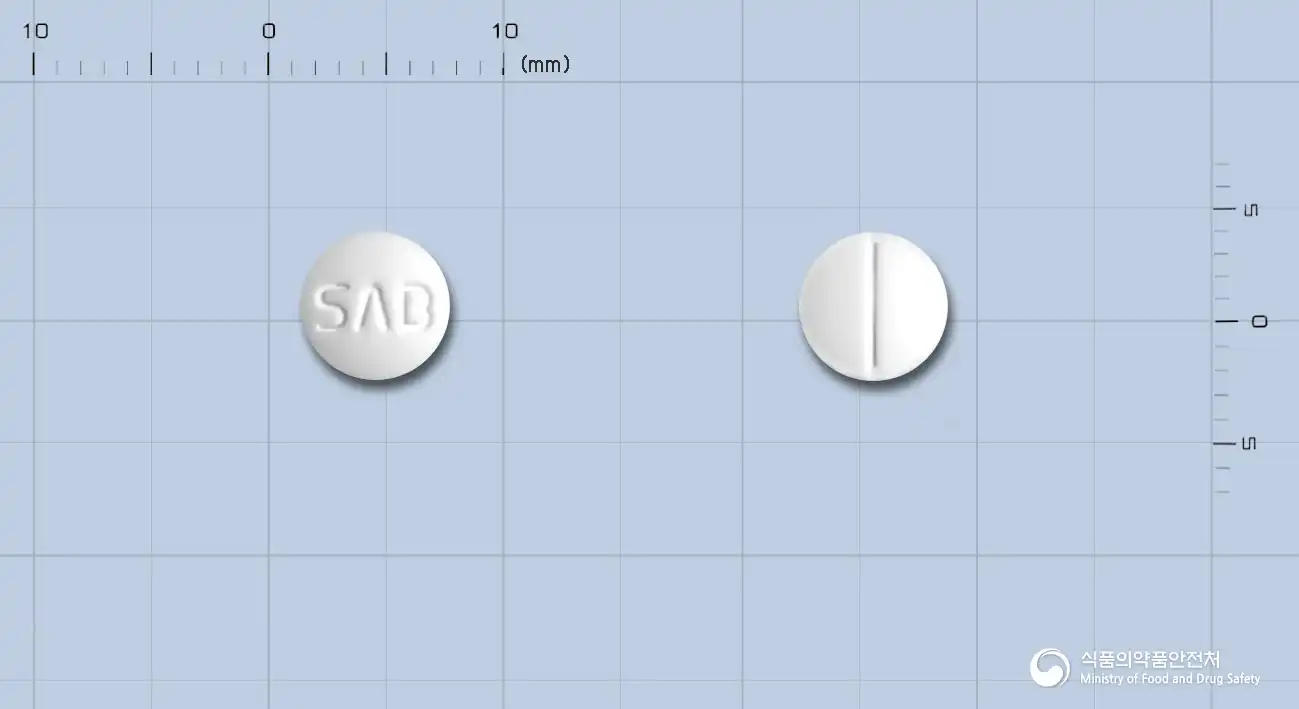
Bepotastine Salicylate 9.64mg
Tablet · Prescription medication
Sama Pharmaceutical Co., Ltd.
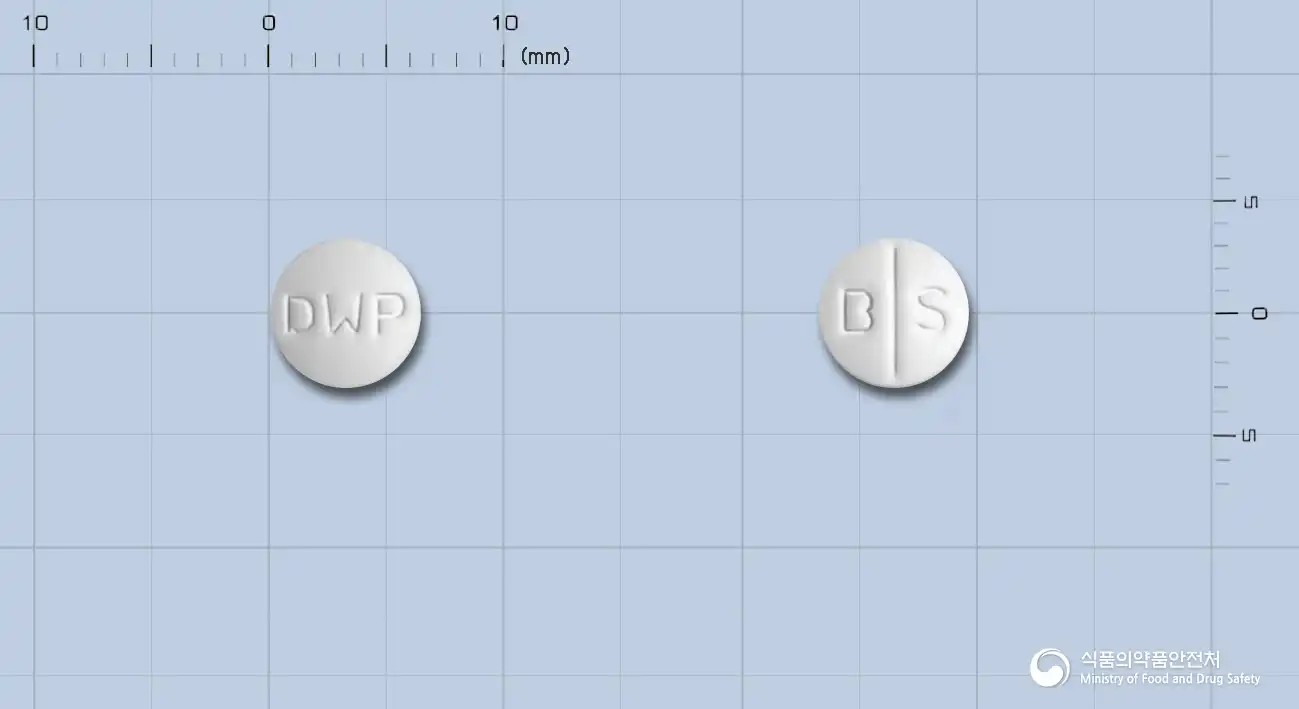
Bepotastine Salicylate 9.64mg
Tablet · Prescription medication
Daewon Pharmaceutical Co., Ltd.
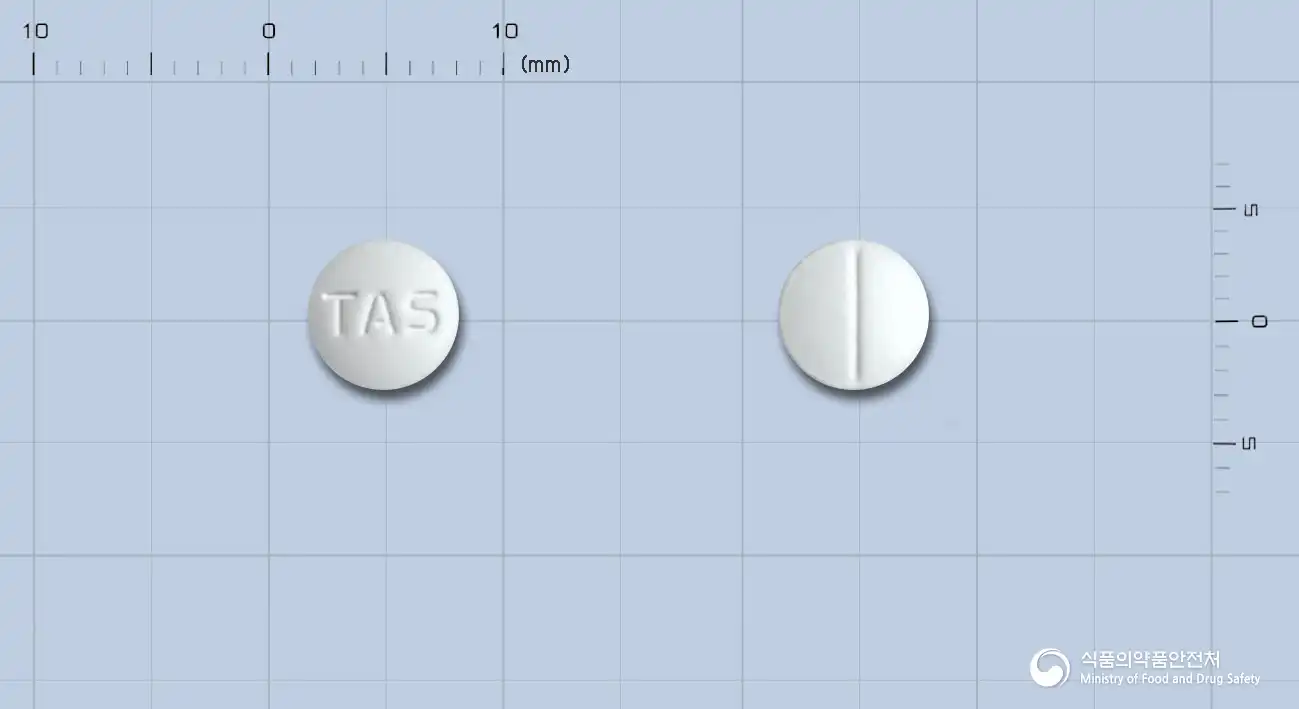
Bepotastine Salicylate 9.64mg
Tablet · Prescription medication
Samchundang Pharm Co., Ltd.
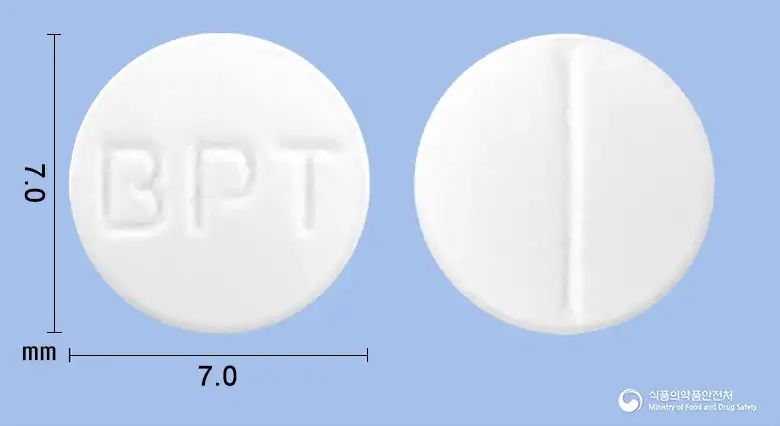
Bepotastine Salicylate 9.64mg
Tablet · Prescription medication
Dongkook Pharmaceutical Co., Ltd.
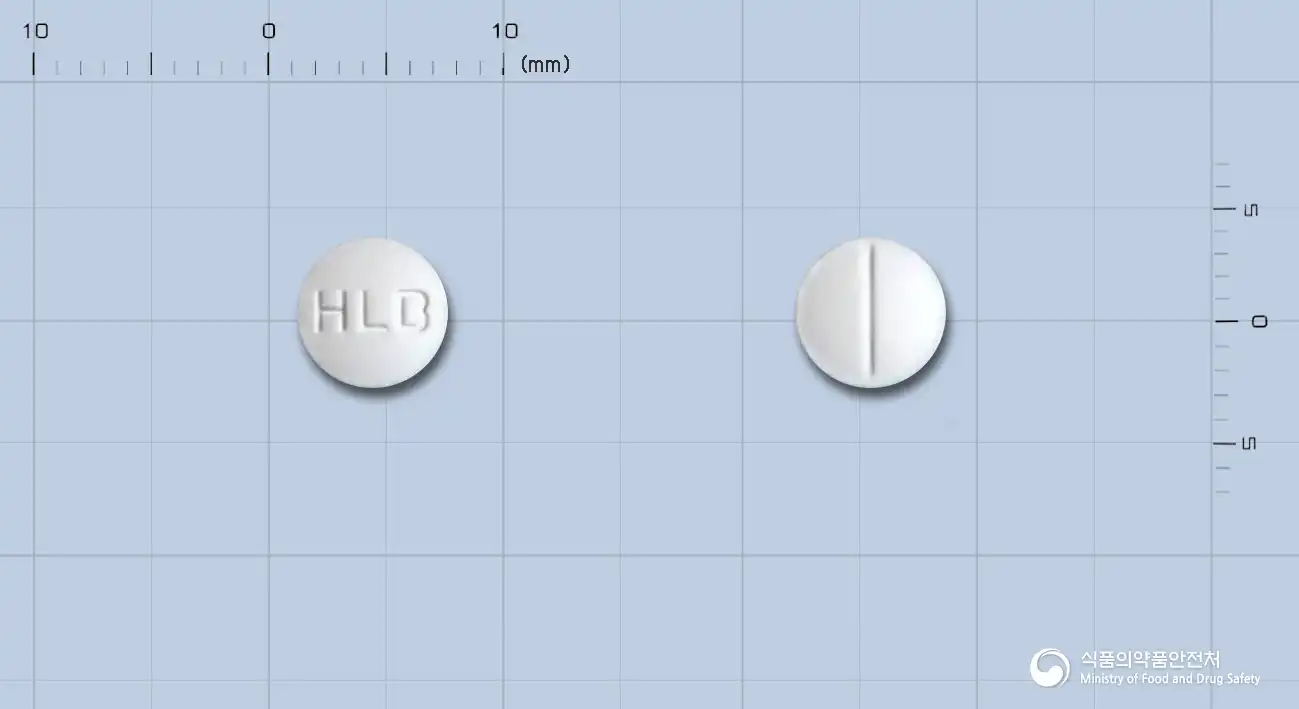
Bepotastine Salicylate 9.64mg
Tablet · Prescription medication
Hanlim Pharmaceutical Co., Ltd.
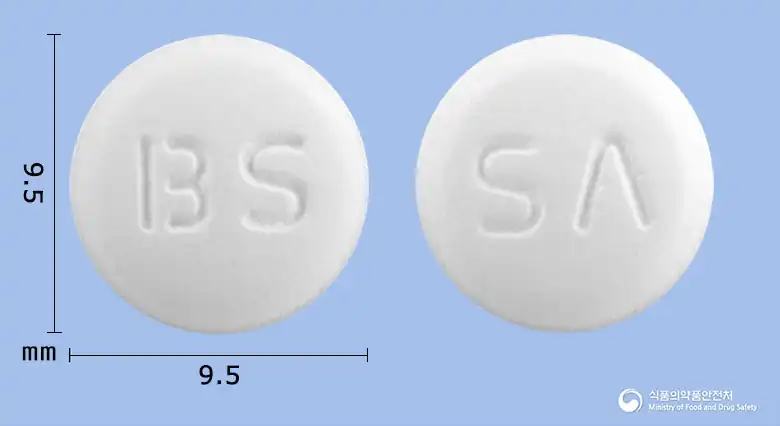
Bepotastine Salicylate 11.78mg
Tablet · Prescription medication
Sama Pharmaceutical Co., Ltd.
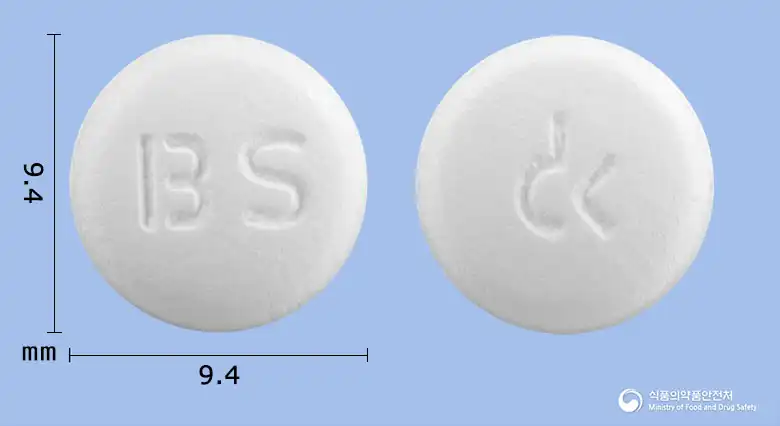
Bepotastine Salicylate 11.78mg
Tablet · Prescription medication
Donguk Pharmaceutical Co., Ltd.
Even with the same ingredient, the dose and directions can differ by strength and dosage form. Talk to a doctor or pharmacist before switching from a medication you are already taking.
No questions yet.
For anything that needs medical judgment, consult a doctor or pharmacist.
This drug information is based on data provided by the Korea Ministry of Food and Drug Safety.
Consult a doctor or pharmacist for accurate dosage, administration, and usage instructions.