
 한국어
 English
 日本語
 中文(简体)
Dosage form image
Viewing nowDexirazole Capsule 60 mg (Dexlansoprazole)
Dexlansoprazole 45mg
Hard capsule · Prescription medication
Yuhan Corporation
MFDS item code 201802449 · Approved 2018.06.14
Treatment and maintenance of erosive esophagitis; treatment of heartburn in nonerosive gastroesophageal reflux disease
This medication is effective for the treatment and maintenance of erosive esophagitis. It is also used to relieve heartburn symptoms associated with symptomatic non-erosive gastroesophageal reflux disease. It is used to improve the symptoms of esophageal-related diseases to help patients lead a more comfortable daily life.
This medicine may be taken with or without food. Swallow this medicine whole. For patients who have difficulty swallowing the medicine, administer it using one of the following methods. 1) Open the capsule, sprinkle the granules onto 1 tablespoon (15 mL) of applesauce, and administer immediately. Do not chew the granules. 2) Open the capsule and place the granules in a clean container. Mix with 20mL of water, draw the entire mixture into an oral syringe, and gently shake to prevent the granules from settling; then administer the mixture orally immediately. Do not save the water and granule mixture for later use. Add another 10 mL of water to the syringe, gently shake, and administer orally; repeat this process 2 times. 3) Open the capsule and place the granules in a clean container. Mix with 20mL of water, draw the entire mixture into a syringe with a catheter, and gently shake to prevent the granules from settling; then administer the mixture immediately through a nasogastric tube (≥16 French) into the stomach. Do not save the water and granule mixture for later use. Add another 10 mL of water to the syringe, gently shake, and administer through the nasogastric tube; repeat this process 2 times. For adults, administer dexlansoprazole 30mg orally once daily for up to 6 months. No dose adjustment is necessary in patients with mild hepatic impairment (Child-Pugh Class A). For patients with moderate hepatic impairment (Child-Pugh Class B), 30mg of this medicine may be considered the maximum daily dose. No clinical studies have been conducted in patients with severe hepatic impairment (Child-Pugh Class C) (see section 9, Administration to Patients with Hepatic Impairment, under Precautions for Use).
Adolescents aged 12 years and older: Treatment of erosive esophagitis—Administer dexlansoprazole 60mg orally once daily for up to 8 weeks. Adolescents aged 12 years and older: Maintenance of healing of erosive esophagitis—Administer dexlansoprazole 30mg orally once daily for up to 16 weeks. Adolescents aged 12 years and older: Treatment of symptoms associated with symptomatic non-erosive gastroesophageal reflux disease (Non-Erosive Gastroesophageal Reflux Disease)—Administer dexlansoprazole 30mg orally once daily for 4 weeks.
This medication should not be used by patients with hypersensitivity to this drug or those showing allergic symptoms. Moreover, patients receiving certain anti-retroviral agents should preferably avoid taking this drug concurrently. When taking this medication, caution is advised as gastrointestinal adverse reactions may occur, including diarrhea, abdominal pain, nausea, and vomiting. Rarely, hypersensitivity reactions such as skin rashes, urticaria, fever, or difficulty breathing may occur; if such symptoms appear, consult a healthcare professional immediately. Long-term use may result in vitamin B12 deficiency or hypomagnesemia, so regular tests are necessary if used for extended periods. Patients with osteoporosis or those at high risk of fractures are recommended to use this medication at the minimum dose for a short duration. This drug may interact with other medications; thus, special care should be taken if taken with digoxin, warfarin, methotrexate, and tacrolimus, and consultation with a specialist is advised. During pregnancy, it should be used only when absolutely necessary, and breastfeeding mothers should consider stopping breastfeeding or the medication. It is not recommended for use in children under 12 years old as safety and efficacy have not been established. Generally, elderly patients can use it safely, but some may be more sensitive to the drug, so caution is needed. Patients with reduced kidney function do not require dose adjustment; however, adjustments may be needed for those with moderate to severe liver dysfunction. If a dose is missed and the next dosing time is near, skip the missed dose and be cautious not to take two doses at once. This medication should be kept out of the reach of children and should not be transferred to another container; avoid automatic dispensers as it can be easily crushed.
Hypersensitivity reactions, anaphylactic reactions, acute interstitial nephritis, diarrhea, abdominal pain, nausea, upper respiratory tract infection, vomiting, bloating, anemia, lymphadenopathy, angina, arrhythmia, bradycardia, chest pain, edema, myocardial infarction, palpitations, tachycardia, ear pain, tinnitus, vertigo, goiter, eye irritation, eye swelling, abdominal discomfort, abdominal tenderness, bowel irregularities, anal discomfort, Barrett's esophagus, gastric stones, abnormal bowel sounds, halitosis, microscopic colitis, colon polyps, constipation, dry mouth, duodenitis, dyspepsia, dysphagia, enteritis, belching, esophagitis, gastric polyps, gastritis, gastroenteritis, gastrointestinal disorders, gastrointestinal hypermotility disorders, gastroesophageal reflux disease, gastrointestinal ulcers and perforations, hematemesis, hematochezia, hemorrhoids, gastric emptying failure, irritable bowel syndrome, mucus stools, oral mucosal vesicles, pain during bowel movements, proctitis, oral sensory disturbances, rectal bleeding, nausea, adverse drug reactions, asthenia, chills, abnormal sensations, inflammation, mucosal inflammation, nodules, pain, fever, biliary colic, cholelithiasis, hepatomegaly, hypersensitivity, Candida infection, influenza, nasopharyngitis, oral herpes, pharyngitis, sinusitis, viral infections, vulvovaginal infections, falls, fractures, joint sprains, overdose, progressive pain, sunburn, increased ALP, increased ALT, increased AST, decreased bilirubin, increased bilirubin, increased serum creatinine, increased serum gastrin, increased blood sugar, increased serum potassium, abnormal liver function tests, decreased platelet count, increased total protein, weight gain, changes in appetite, hypercalcemia, hypokalemia, arthralgia, arthritis, muscle cramps, musculoskeletal pain, myalgia, taste changes, seizures, dizziness, headache, migraine, memory impairment, sensory disturbances, hyperactivity, tremors, trigeminal neuralgia, abnormal dreams, anxiety, depression, insomnia, changes in libido, urinary disorders, urgency, dysmenorrhea, dyspareunia, menorrhagia, menstrual disorders, aspiration, asthma, bronchitis, cough, dyspnea, hiccups, hyperventilation, airway congestion, sore throat, acne, dermatitis, erythema, pruritus, rash, skin lesions, urticaria, deep vein thrombosis, facial flushing, hypertension, anaphylaxis, hallucinations, B-cell lymphoma, bursitis, central obesity, acute cholecystitis, dehydration, diabetes, speech disorders, epistaxis, folliculitis, gout, herpes zoster, hyperlipidemia, hypothyroidism, neutrophilia, decreased mean corpuscular hemoglobin concentration, neutropenia, anal fissure, restless legs syndrome, somnolence, tonsillitis, headache, nasopharyngitis, oropharyngeal pain, autoimmune hemolytic anemia, idiopathic thrombocytopenic purpura, hearing loss, blurred vision, oral swelling, pancreatitis, facial edema, drug-induced hepatitis, anaphylactic shock, exfoliative dermatitis, Stevens-Johnson syndrome, toxic epidermal necrolysis, hypomagnesemia, hyponatremia, fractures, cerebrovascular accidents, transient ischemic attacks, acute kidney injury, pharyngeal edema, throat constriction symptoms, generalized erythema, hypersensitivity vasculitis, eosinophilia with systemic symptoms induced by drugs, Clostridium difficile-associated diarrhea, systemic lupus erythematosus, cutaneous lupus erythematosus
Not everyone experiences these, and they can vary from person to person.
This medication should be stored in a tightly closed container to prevent air or moisture from entering, and it is recommended to keep it at room temperature between 15°C and 30°C. This storage helps maintain the effectiveness of the medication and prevents deterioration.
A hard capsule with blue upper and lower parts, filled with white to pale yellow granules.
28 capsules (7 capsules in each PTP packaging x 4)
Even with the same ingredient, strength, dosage form and how it is taken can differ.
Dexlansoprazole 45mg
Hard capsule · Prescription medication
Yuhan Corporation
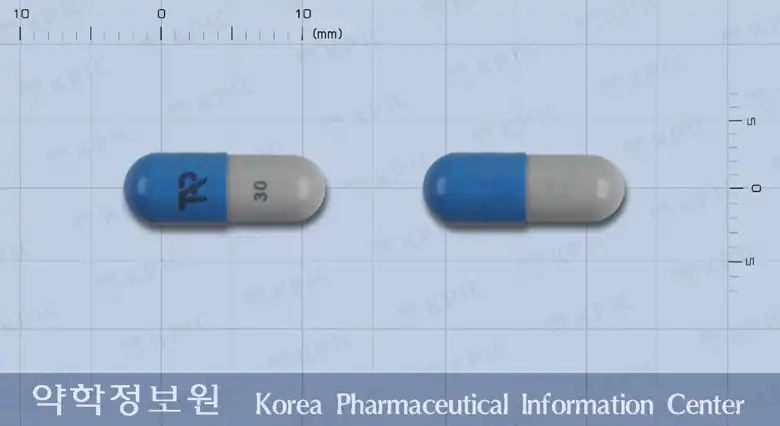
Dexlansoprazole 22.5mg
Hard capsule · Prescription medication
Takeda Pharmaceutical Co., Ltd.
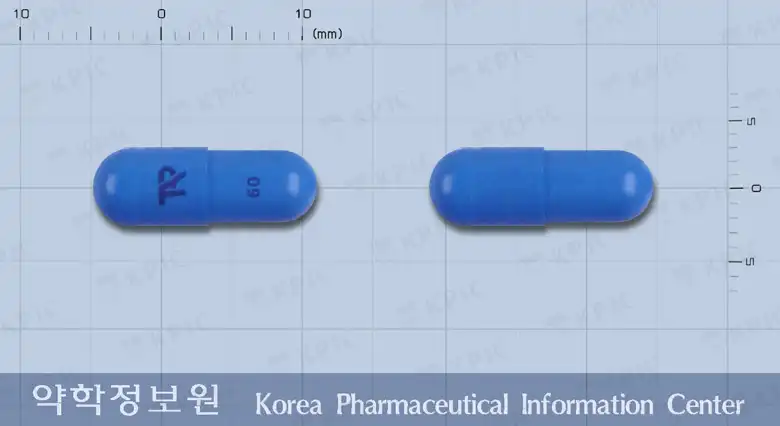
Dexlansoprazole 45mg
Hard capsule · Prescription medication
Takeda Pharmaceutical Korea Co., Ltd.
Dexlansoprazole 22.5mg
Prescription medication
Yuhan Corporation
Even with the same ingredient, the dose and directions can differ by strength and dosage form. Talk to a doctor or pharmacist before switching from a medication you are already taking.
No questions yet.
For anything that needs medical judgment, consult a doctor or pharmacist.
This drug information is based on data provided by the Korea Ministry of Food and Drug Safety.
Consult a doctor or pharmacist for accurate dosage, administration, and usage instructions.