
 한국어
 English
 日本語
 中文(简体)
 Viewing now
Pixima Capsule 100mg (Cefixime Hydrate)
Cefixime Hydrate 100mg
Hard capsule · Prescription medication
Dasan Pharmaceutical Co., Ltd.
MFDS item code 201802112 · Approved 2018.05.18 · Insurance code 678600990
Treatment of respiratory and ear, nose, and throat infections, urinary tract and biliary infections, and scarlet fever
This medication is effective against various bacteria including Streptococcus, Streptococcus pneumoniae, Neisseria gonorrhoeae, and Escherichia coli. Major indications include respiratory infections such as bronchitis and pneumonia, urinary tract infections such as pyelonephritis and cystitis, as well as biliary infections like cholecystitis and cholangitis. It is also used for the treatment of scarlet fever, otitis media, and sinusitis. It is effective in treating a variety of infections and helps improve patient symptoms.
Adults: Administer cefixime 50~100mg (potency) orally twice daily. For severe infections or an inadequate response, administer 200mg (potency) twice daily. The dose may be adjusted as appropriate according to age and symptoms.
Children weighing 30 Kg or more: Administer cefixime 50~100mg (potency) orally twice daily. For severe infections or an inadequate response, administer 200mg (potency) twice daily.
This medication should not be used in certain patients. Patients who have experienced severe allergic reactions or shock due to this medication should not take it. People allergic to cephalosporin antibiotics should also avoid this medication. This medication contains lactose, so it should not be administered to patients with lactose intolerance or related genetic disorders. Caution should be exercised when using this medication in some patients. Individuals with a history of allergy to this medication or similar antibiotics should take special care. Patients allergic to penicillin antibiotics should also use it with caution. People with bronchial asthma or allergic constitution should closely monitor their symptoms when taking this medication. Patients with severely impaired kidney function may require dose adjustments as drug concentrations can increase. Patients who have difficulty ingesting orally or the elderly should be closely monitored for vitamin K deficiency symptoms. Those allergic to the colorant Yellow No. 5 included in this medication should exercise caution. Various adverse reactions may occur when taking this medication, so it is important to be cautious. Severe allergic reactions or shock may occur rarely, and if symptoms arise, discontinue use immediately and consult medical personnel. Hypersensitivity reactions such as skin rash, itching, and fever may occur. Gastrointestinal effects may include diarrhea, abdominal pain, and vomiting, which in severe cases can lead to pseudomembranous colitis, so symptoms should be closely monitored. Respiratory symptoms such as cough or difficulty breathing should be reported to medical personnel immediately. Blood-related issues may include leukopenia or anemia, which are rare. Central nervous system issues have been reported, so neurological symptoms should also be monitored carefully. Liver dysfunction and impaired kidney function may also occur, so regular check-ups are necessary. Symptoms of microbial translocation such as stomatitis or candidiasis may rarely occur. Vitamin deficiency symptoms have also been reported, so maintain proper nutritional status. This medication should be used only for the necessary period to prevent the development of resistant bacteria, and thorough medical history should be taken in advance to prevent allergic reactions. Caution is needed when substituting between capsule and suspension formulations due to differences in effectiveness. In patients with impaired kidney function, dose adjustments must be made, and medication should be discontinued in case of seizures. Be alert to interactions when using this medication with other drugs. In particular, co-administration with warfarin may increase the risk of bleeding. Cefixime levels may increase when used with carbamazepine, and kidney function should be closely monitored when used with other antibiotics or diuretics that may enhance nephrotoxicity. Pregnant women or those who may become pregnant should only use this medication when the benefits of treatment outweigh the risks, as its safety has not been established. During breastfeeding, it is advisable to avoid nursing while taking the medication. The safety of this medication in newborns, premature infants, and infants under 6 months has not been established, so use should be avoided. Elderly patients may experience adverse reactions more easily due to decreased bodily functions; thus, dosage and administration intervals should be adjusted with careful monitoring of their condition. The risk of bleeding due to vitamin K deficiency may also be increased. During treatment with this medication, it may affect the results of some clinical tests, so caution is needed when interpreting test results. In powder form, do not mix with milk or juice and leave it for a long time, and the prepared suspension should not be stored for more than 2 weeks. In animal studies, high doses have been reported to affect reproductive function, so caution is advised for long-term high-dose use.
Not everyone experiences these, and they can vary from person to person.
This medication should be stored in a tight container that is not exposed to air, and it is best to keep it at a temperature between 1 and 30 degrees Celsius. Proper storage helps maintain the medication's efficacy over time.
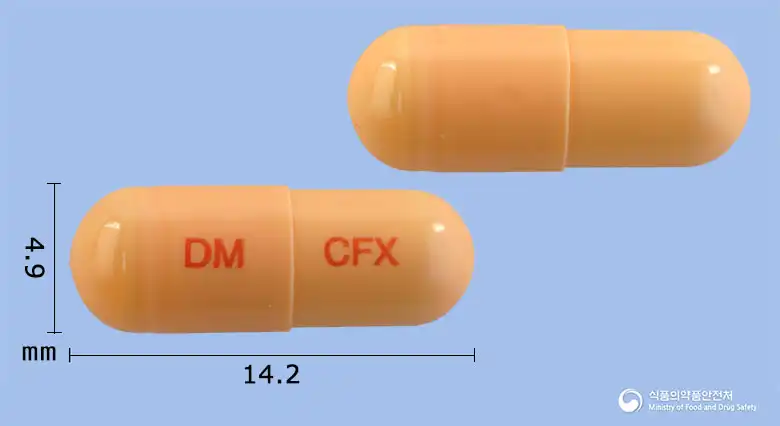
A hard capsule with a light orange upper and lower part containing a white to light yellow crystalline powder.
30 capsules/bottle, 100 capsules/bottle
Even with the same ingredient, strength, dosage form and how it is taken can differ.
Viewing nowCefixime Hydrate 100mg
Hard capsule · Prescription medication
Dasan Pharmaceutical Co., Ltd.
Cefixime Hydrate 50mg
Prescription medication
Dong-A ST Co., Ltd.
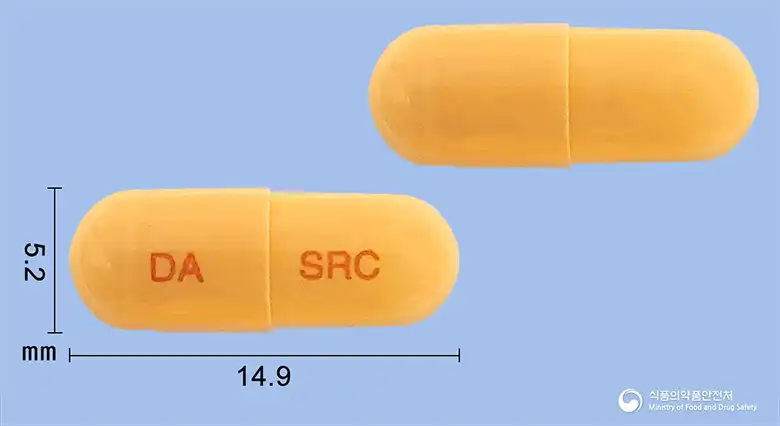
Cefixime Hydrate 100mg
Hard capsule · Prescription medication
Dong-A ST Co., Ltd.
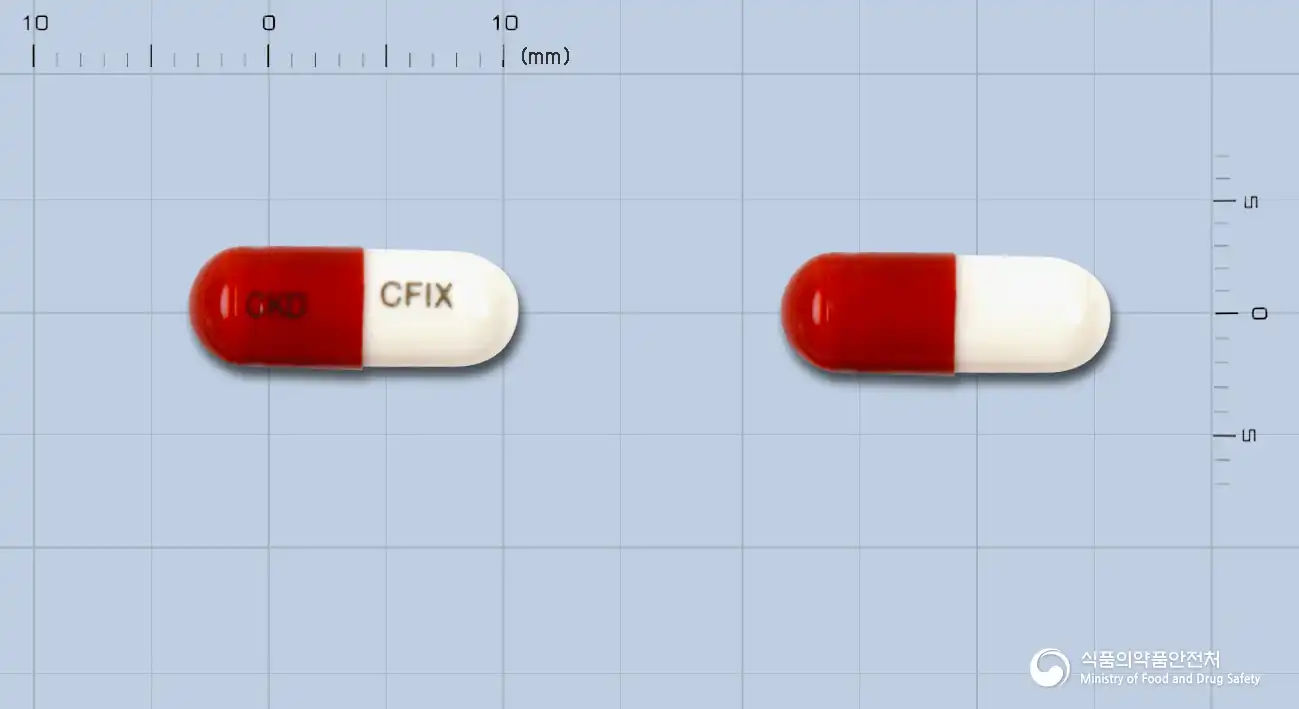
Cefixime Hydrate 100mg
Hard capsule · Prescription medication
Jongkundang Co., Ltd.
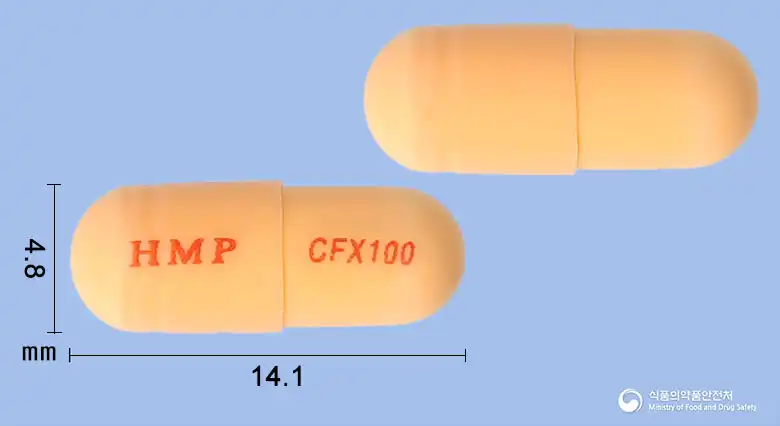
Cefixime Hydrate 100mg
Hard capsule · Prescription medication
Hanmi Pharmaceutical Co., Ltd.
Cefixime Hydrate 50mg
Prescription medication
Hanmi Pharmaceutical Co., Ltd.
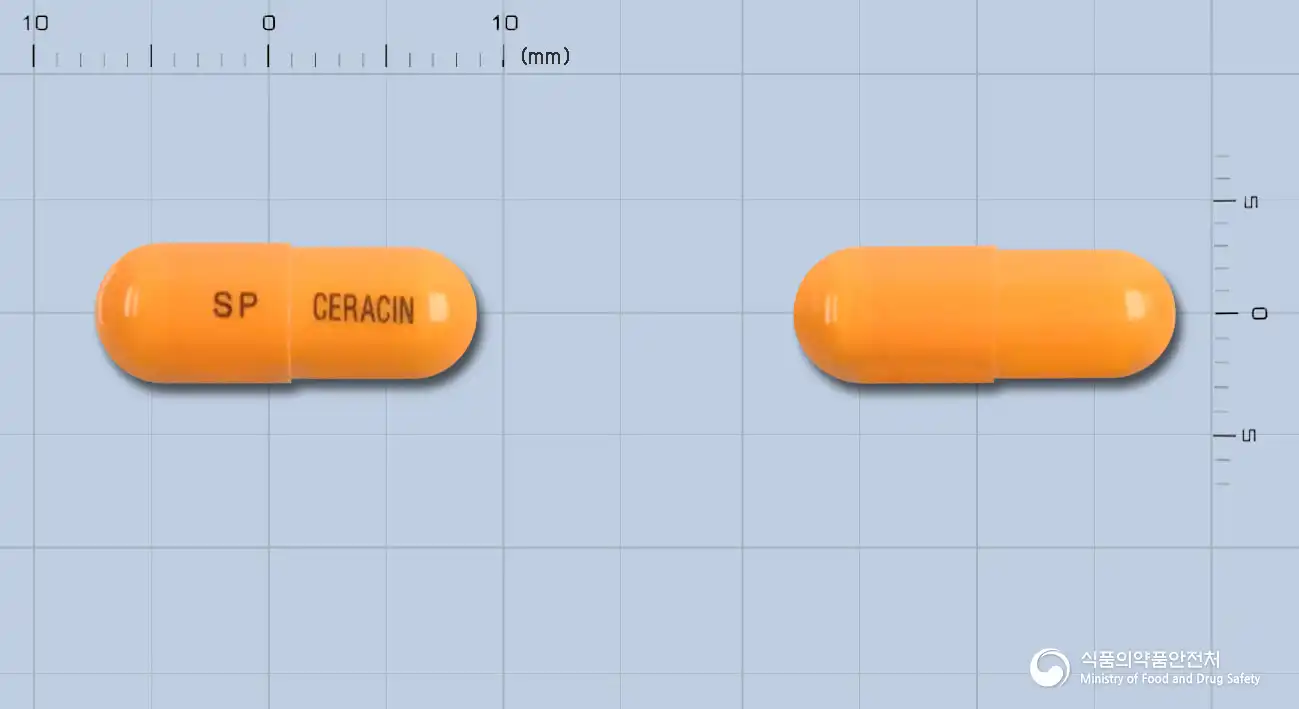
Cefixime Hydrate 100mg
Hard capsule · Prescription medication
Sinpoong Pharmaceutical Co., Ltd.
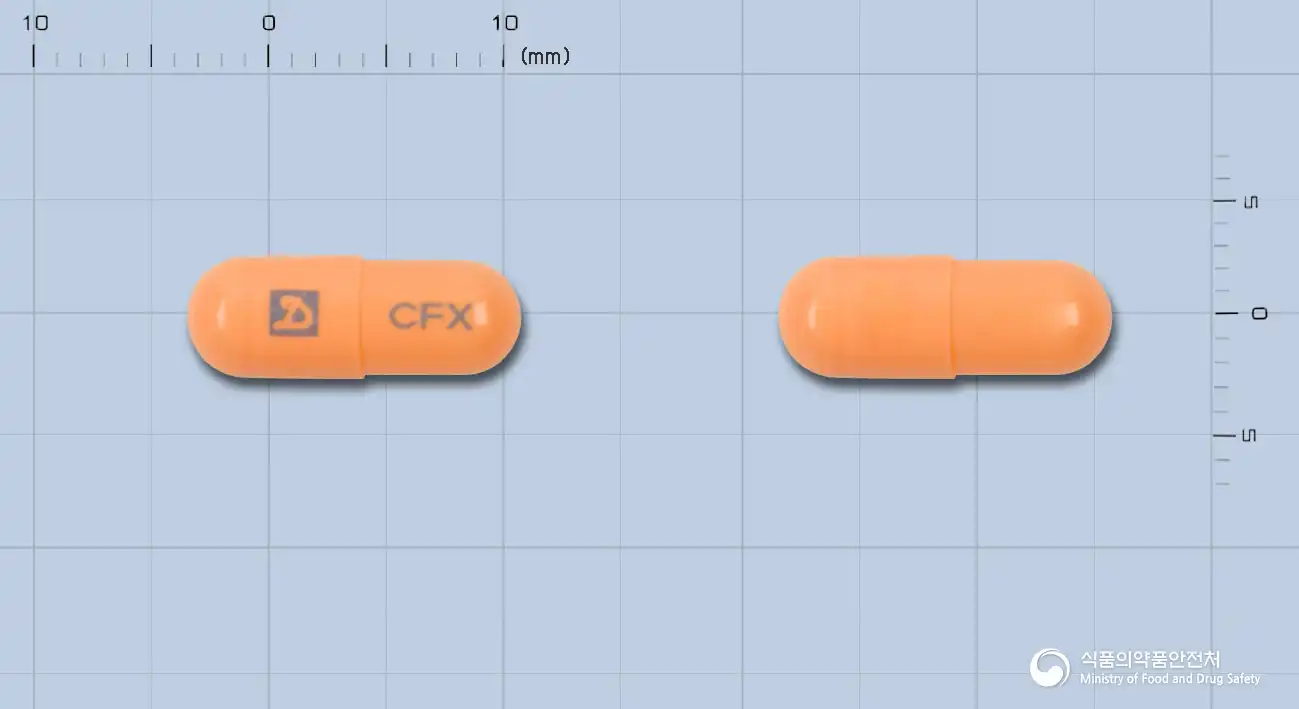
Cefixime Hydrate 100mg
Hard capsule · Prescription medication
Donggu Biopharmaceutical Co., Ltd.
Even with the same ingredient, the dose and directions can differ by strength and dosage form. Talk to a doctor or pharmacist before switching from a medication you are already taking.
No questions yet.
For anything that needs medical judgment, consult a doctor or pharmacist.
This drug information is based on data provided by the Korea Ministry of Food and Drug Safety.
Consult a doctor or pharmacist for accurate dosage, administration, and usage instructions.