
 한국어
 English
 日本語
 中文(简体)
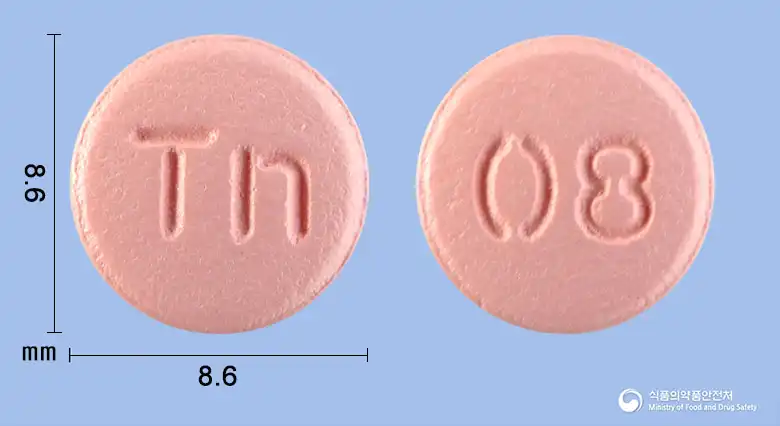 Viewing now
Telogrel Tablets (Clopidogrel Hydrogen Sulfate)
Clopidogrel Bisulfate 97.875mg
Tablet · Prescription medication
Telcon RF Pharmaceutical Co., Ltd.
MFDS item code 201802008 · Approved 2018.05.11 · Insurance code 625500590
Improvement of atherosclerotic symptoms (such as stroke and myocardial infarction) and prevention of thrombosis in atrial fibrillation
This medication helps to improve vascular health in adult patients with vascular issues such as ischemic stroke, myocardial infarction, and peripheral artery disease. It is also used to prevent death or recurrent myocardial infarction and stroke due to cardiovascular complications in patients with acute coronary syndrome. In patients with atrial fibrillation who are at high risk for thrombosis, it is effective in reducing the risk of bleeding compared to vitamin K antagonists, as well as lowering the risk of thromboembolism and stroke. This drug is used to improve the risks of atherosclerosis and thrombosis in various cardiovascular disease patients.
○ Adults 1. For patients with ischemic stroke, myocardial infarction, or peripheral arterial disease, administer clopidogrel 75 mg orally once daily. 2. For patients with acute coronary syndrome (unstable angina or non-Q-wave myocardial infarction), begin treatment on the first day with a loading dose of 300 mg of this medicine once daily, followed by a maintenance dose of 75 mg once daily orally. In this case, aspirin 75 ~ 325 mg should be administered concomitantly with this medicine once daily. 3. For patients with atrial fibrillation, administer 75 mg of this medicine orally once daily. In this case, aspirin 75 ~ 100 mg should be administered concomitantly with this medicine once daily. ○ Patients with renal impairment: Treatment experience in patients with renal impairment is limited. ○ Patients with hepatic impairment: Treatment experience in patients with moderate hepatic disease with a bleeding diathesis is limited. This medicine may be administered without regard to food.
This medication helps to prevent platelets from aggregating, promoting normal blood flow. Before taking this medication, patients with reduced function of a specific enzyme, CYP2C19, due to genetic factors should consult with their doctor as it may reduce the drug's effectiveness. Additionally, combining this medication with other drugs that activate CYP2C19 may increase the risk of bleeding, so it is advisable not to take them together. Patients allergic to this drug or its components, those with bleeding disorders, severely impaired liver function, breastfeeding mothers, and individuals with certain genetic disorders such as lactose intolerance should not take this medication. Patients at high risk of bleeding or with bleeding disorders should be administered this drug with caution, and bleeding should be monitored frequently through blood tests. If surgery is planned, discontinue this drug 5-7 days before the procedure and resume it after hemostasis is achieved. The risk of bleeding may increase when this drug is combined with other medications that have bleeding risks, so caution is required. There may be prolonged bleeding time during treatment; thus, if there is a bleeding site or if the bleeding persists, inform your physician immediately. Rarely, severe blood disorders may occur, characterized by a sudden drop in platelet count, so seek immediate medical attention if abnormal symptoms arise. Taking this medication may result in side effects such as gastrointestinal disturbances, diarrhea, headache, dizziness, rash, and in rare cases, serious bleeding or allergic reactions. During pregnancy, it should be taken only when necessary, considering the potential effects on the fetus, and during breastfeeding, one must carefully decide regarding breastfeeding as the drug can be excreted in breast milk. Safety and efficacy in children have not yet been established, so it is advisable not to use it in this population. Elderly patients have a heightened risk of bleeding and other side effects due to decreased bodily function, and therefore require dosage adjustment and monitoring. Patients with impaired renal function should also be administered this drug with caution, although specific dosage adjustment is not necessary. In case of overdose, the risk of bleeding may increase, and currently, there is no antidote for this drug, but platelet transfusion may be used to control bleeding if necessary. This medication should be kept out of reach of children and should not be transferred to other containers. During the course of treatment, it is essential to inform your physician or dentist of this medication before starting any new medications or surgical procedures.
Hemorrhage, gastrointestinal bleeding, hospitalization-required bleeding, purpura, contusion, hematoma, epistaxis, hematoma, hematuria, intraocular hemorrhage, intracranial hemorrhage, significant bleeding, minor bleeding, severe hemorrhage, fatal bleeding, hemorrhagic stroke, thrombocytopenia, neutropenia, aplastic anemia, abdominal pain, dyspepsia, diarrhea, rash, pruritus, headache, dizziness, chest pain, accidental injury, influenza-like illness, pain, fatigue, edema, hypertension, depression, upper respiratory tract infection, dyspnea, rhinitis, bronchitis, cough, urinary tract infection, syncope, palpitations, asthenia, fever, hernia, heart failure, atrial fibrillation, leg cramps, sensory deficit, neuralgia, paresthesia, dizziness, constipation, nausea, elevated liver enzymes, gout, hyperuricemia, arthralgia, low back pain, anxiety, insomnia, anemia, pneumonia, sinusitis, eczema, skin ulcer, cystitis, cataract, conjunctivitis, decreased motor function, tremor, voice disturbance, abnormal gait, hyperkinesia, ataxia, perceptual anomalies, insomnia, depression, forgetfulness, hypomania, abnormal thoughts, abnormal behavior, arthritis, gynecomastia, weight loss, weight gain, facial flushing, rigidity, facial edema, hematochezia, thrombocytopenia, cerebral hemorrhage, gingival bleeding, cough, visual disturbances, visual field defects, dry eye syndrome, temporary blindness, congestion, tinnitus, urinary dysfunction, polyuria, non-protein nitrogen increase, uremia, elevated blood urea nitrogen, hypoglycemia, ALT elevation, leg edema, arrhythmia, bradycardia, contact dermatitis, elevated prostate-specific antigen, cholecystitis, hematemesis, spinal hematoma, thrombocytopenia, thrombocytopenic purpura, vasculitis, hypotension, bronchospasm, interstitial pneumonia, eosinophilic pneumonia, colitis, pancreatitis, gastritis, stomatitis, hepatitis, acute liver failure, hemorrhagic gastroenteritis, duodenal ulcer, gastric ulcer, perforated gastric ulcer, upper gastrointestinal ulcer bleeding, distension, hyperbilirubinemia, infectious hepatitis, fatty liver, hemorrhagic arthropathy, hematuria, hemoptysis, retroperitoneal hemorrhage, surgical site bleeding, pulmonary hemorrhage, anaphylactoid reaction, serum sickness, confusion, hallucination, taste alteration, loss of taste, angioedema, vesicular dermatitis, erythema multiforme, Stevens-Johnson syndrome, toxic epidermal necrolysis, acute generalized exanthematous pustulosis, drug-induced hypersensitivity syndrome, eosinophilia, drug rash, lichen planus, glomerulonephritis, gynecomastia, fever, abnormal liver function tests, elevated blood creatinine
Not everyone experiences these, and they can vary from person to person.
This medication may be sensitive to air and moisture, so it should be stored in a tightly sealed container. It is best kept at room temperature between 1 to 30 degrees Celsius, away from extreme heat or cold.
Pink, round film-coated tablets
30 tablets/bottle, 100 tablets/bottle, 300 tablets/bottle
Even with the same ingredient, strength, dosage form and how it is taken can differ.
Viewing nowClopidogrel Bisulfate 97.875mg
Tablet · Prescription medication
Telcon RF Pharmaceutical Co., Ltd.
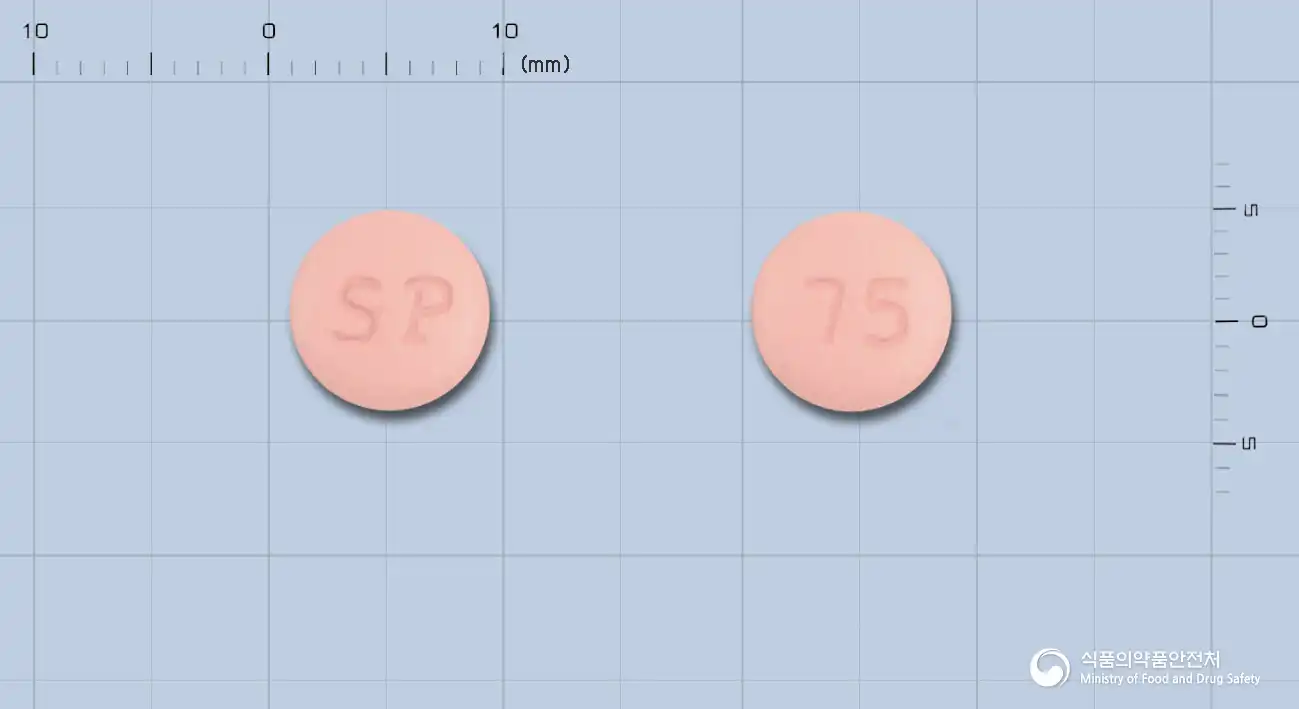
Clopidogrel Bisulfate 97.875mg
Tablet · Prescription medication
Shinpoong Pharmaceutical Co., Ltd.
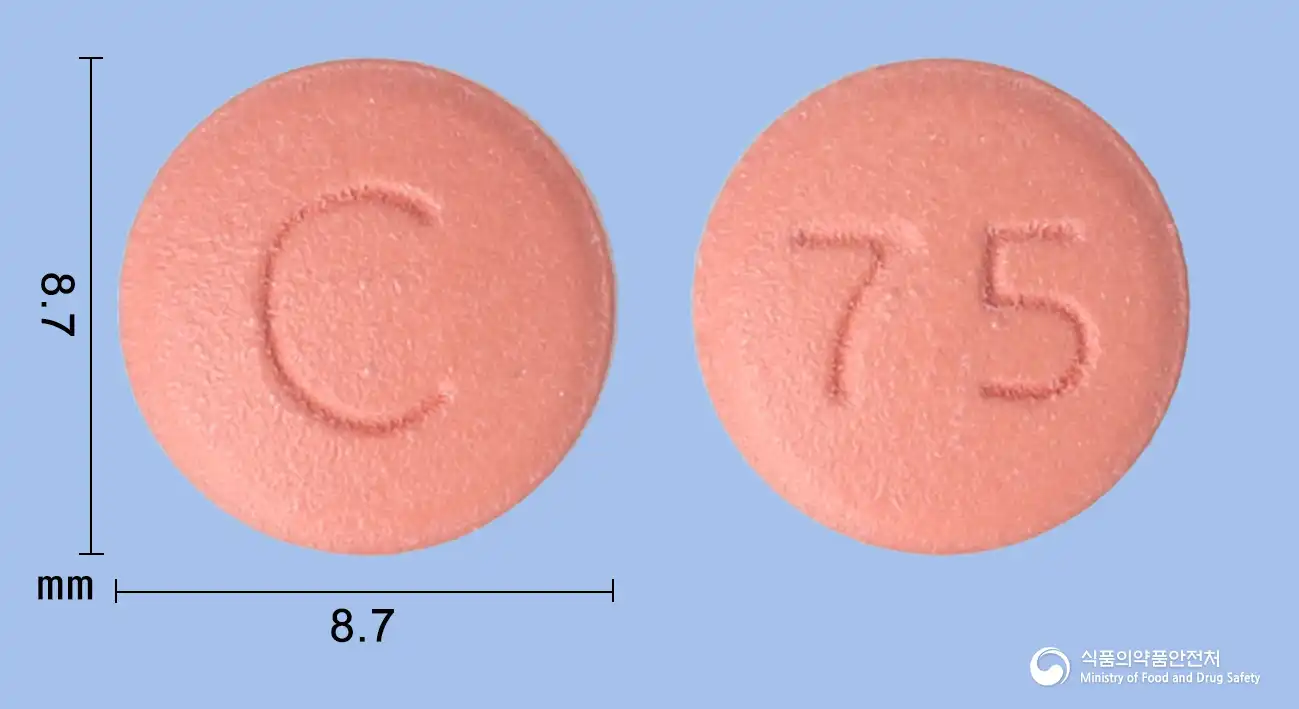
Clopidogrel Bisulfate 97.875mg
Tablet · Prescription medication
Dong-A ST Co., Ltd.
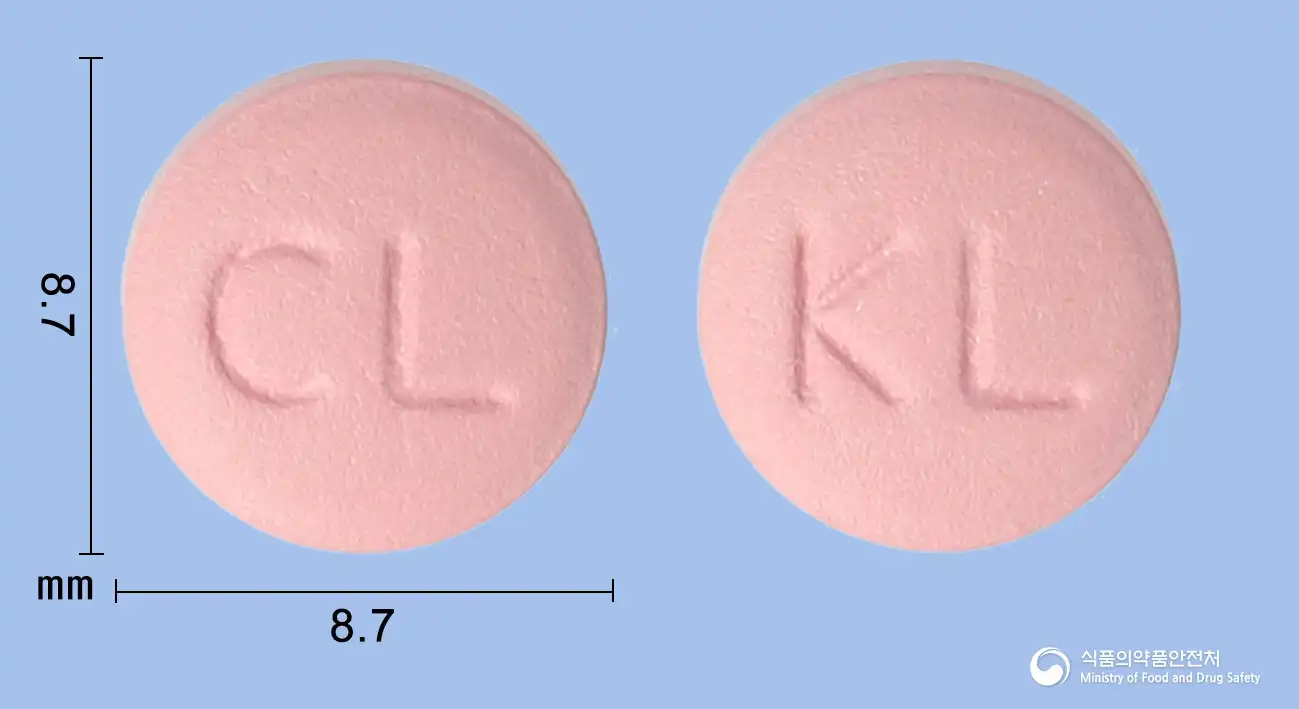
Clopidogrel Bisulfate 97.875mg
Tablet · Prescription medication
Kolon Pharmaceutical Co., Ltd.
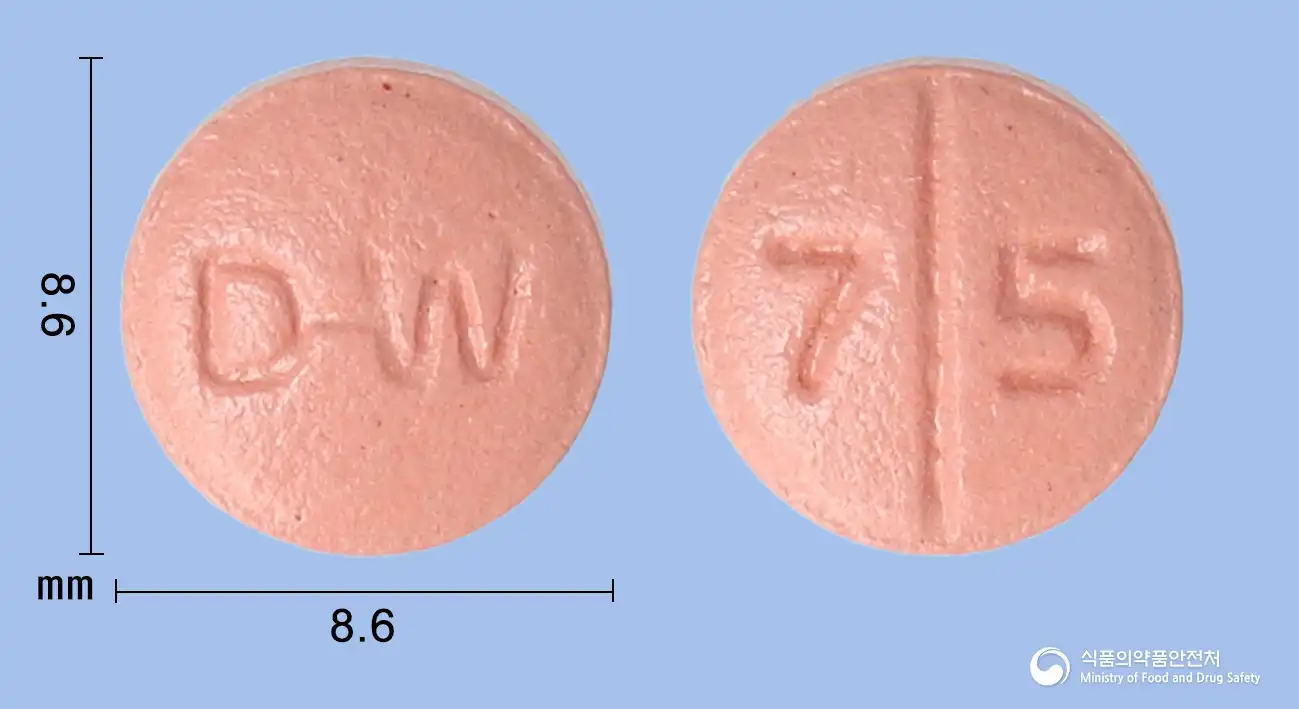
Clopidogrel Bisulfate 97.875mg
Tablet · Prescription medication
Dongwha Pharmaceutical Co., Ltd.
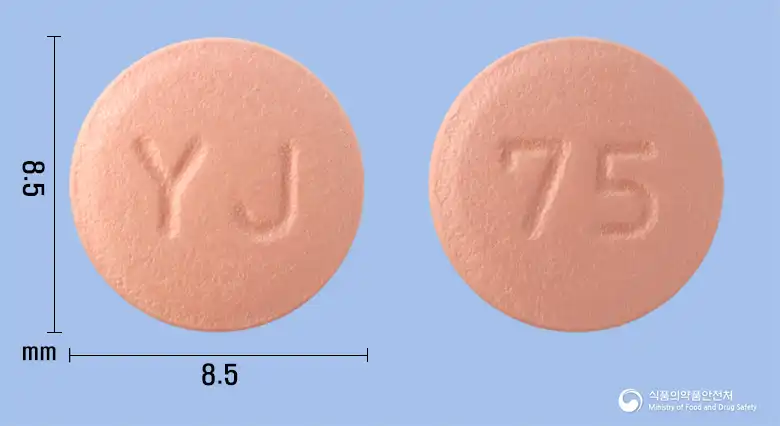
Clopidogrel Bisulfate 97.875mg
Tablet · Prescription medication
Youngjin Pharmaceutical Co., Ltd.
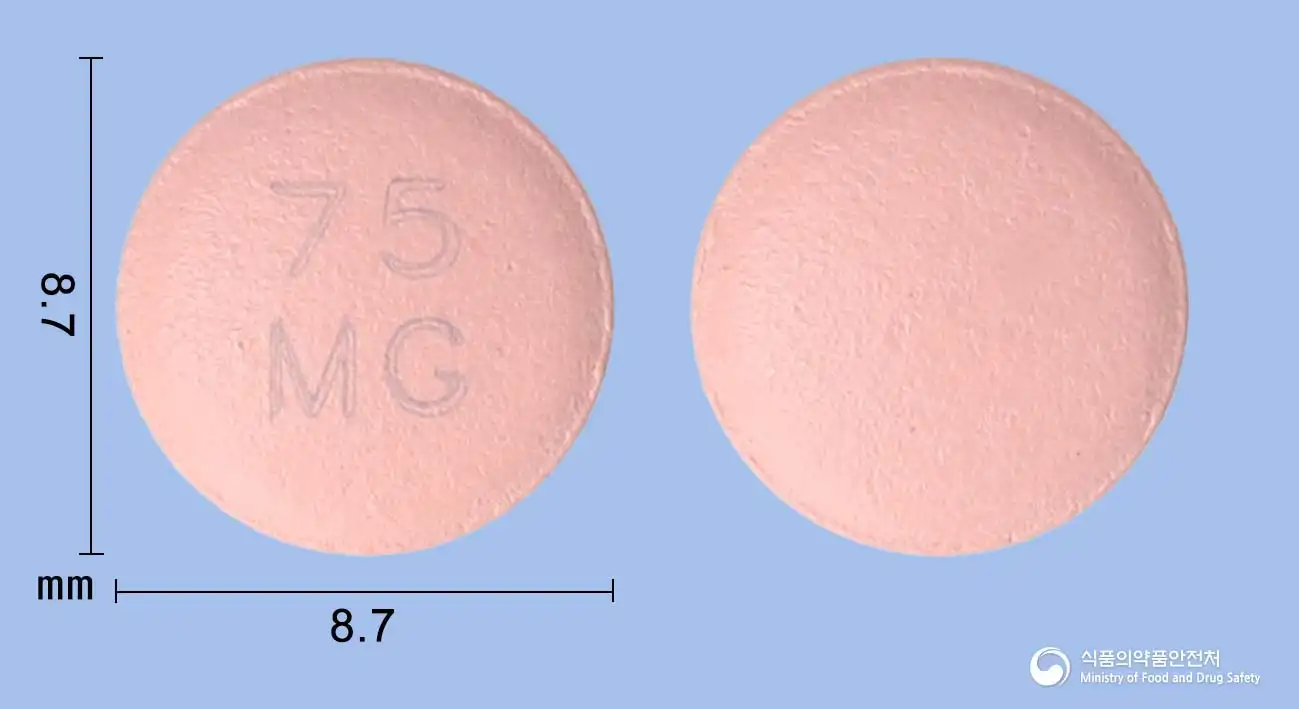
Clopidogrel Bisulfate 97.875mg
Tablet · Prescription medication
Albozen Korea Co., Ltd.
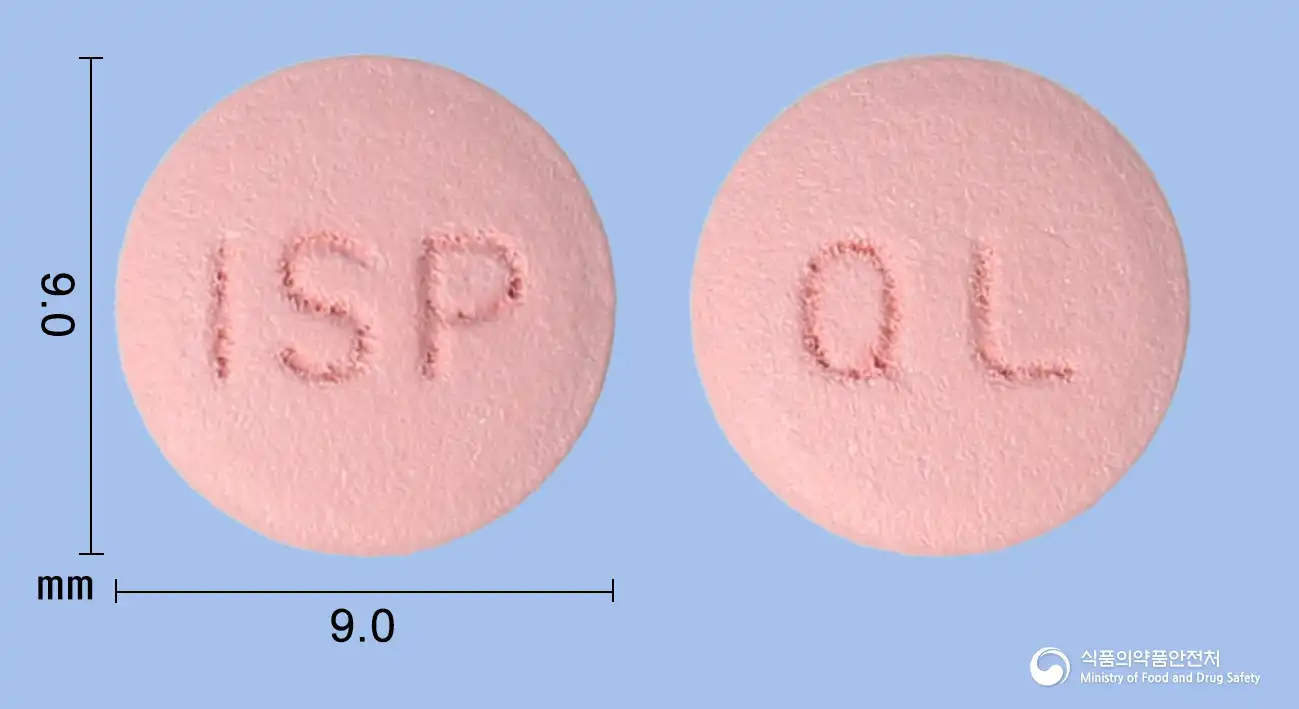
Clopidogrel Bisulfate 97.875mg
Tablet · Prescription medication
Ilsung IS Co., Ltd.
Even with the same ingredient, the dose and directions can differ by strength and dosage form. Talk to a doctor or pharmacist before switching from a medication you are already taking.
No questions yet.
For anything that needs medical judgment, consult a doctor or pharmacist.
This drug information is based on data provided by the Korea Ministry of Food and Drug Safety.
Consult a doctor or pharmacist for accurate dosage, administration, and usage instructions.