
 한국어
한국어 English
 日本語
日本語 中文(简体)
 Viewing nowCombination
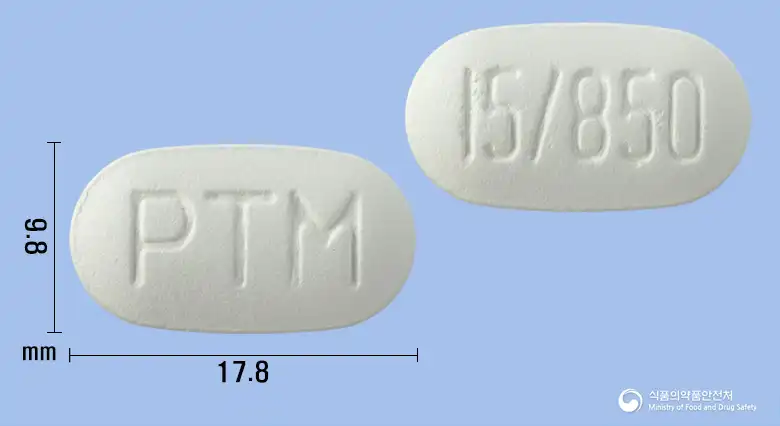
Pio M Tablet 15/850 mg (Pioglitazone Hydrochloride, Metformin Hydrochloride)
Pioglitazone Hydrochloride 16.53mg · Metformin Hydrochloride 850mg
Tablet · Prescription medication · Combination
Medica Korea Co., Ltd.
MFDS item code 201801834 · Approved 2018.04.30 · Insurance code 646004430
Improvement of blood sugar control in type 2 diabetes
This medication is used as an adjunct to diet and exercise to improve blood sugar control in patients with insulin-resistant diabetes, namely type 2 diabetes. It is specifically used when blood sugar control is not sufficient with either metformin or pioglitazone monotherapy alone. It can also be used as a substitute for the combined therapy of pioglitazone and metformin. Management of type 2 diabetes emphasizes the importance of lifestyle modifications, including nutritional counseling, weight loss, and regular exercise, which are essential for maintaining the effectiveness of drug therapy. This medication assists in controlling blood sugar in conjunction with such treatments.
The dosage of this medication should be individualized based on effectiveness and tolerability, not exceeding the maximum doses of pioglitazone 30mg and metformin 2500mg. The initial dosage should be based on the patient's current therapeutic regimen. 1. For patients whose blood sugar is not adequately controlled with metformin or pioglitazone monotherapy, the medication should be started at 1 tablet per day, based on the currently administered doses, and gradually adjusted according to treatment response.
This medication is primarily used to assist in blood sugar control in patients with type 2 diabetes. The metformin component included in this medication is excreted by the kidneys, and in patients with decreased kidney function, the drug can accumulate in the body and potentially cause dangerous lactic acidosis. Lactic acidosis is a rare complication, but if it occurs, it can be fatal; therefore, regular checks on kidney function should be performed. Particularly, in cases of acute renal function deterioration, cardiopulmonary diseases, sepsis, hypoxia, dehydration, and other such conditions, the administration of this medication must be stopped immediately. Furthermore, patients with impaired liver function may also fall into risk as the ability to excrete lactic acid can decrease, so it is advisable not to use this medication. Alcohol may amplify the effects of this medication on lactic acid metabolism, increasing the risk of lactic acidosis, so excessive drinking should be avoided during treatment. The pioglitazone component can cause fluid retention in some patients, potentially worsening heart failure. Therefore, patients with symptoms of heart failure or severely impaired cardiac function should not take this medication. During treatment, symptoms such as weight gain, edema, and breathing difficulties should be closely monitored, and if any unusual symptoms arise, medical advice should be sought. This medication is not to be given to patients with a history of bladder cancer or those with active bladder cancer. If symptoms such as hematuria, urination problems, or urgency develop during use, the physician should be informed immediately. It is safer for women who are pregnant or may become pregnant, as well as nursing mothers, to refrain from taking this medication. Elderly patients may have decreased kidney function, so careful adjustment of the dosage is necessary, and kidney function should be tested frequently. This medication may interact with other drugs, so patients must inform healthcare providers if they are taking other medications. In the event of overdose, appropriate supportive treatment will be required; metformin can be removed from the body through hemodialysis. While taking this medication, regular monitoring of blood sugar levels, kidney function tests, and hematological tests is necessary to consistently manage health status.
Severe lactic acidosis (lactic acidosis is very rare but can be fatal), hypoglycemia, severe allergic reactions (hives, severe swelling, chest tightness, difficulty breathing, cold sweat, paleness), severe skin reactions (severe rash, blisters, peeling skin accompanied by fever, pain in oral/ocular mucosa), respiratory issues (difficulty breathing or shortness of breath, asthma attacks, respiratory distress with cough and fever), liver abnormalities (skin
Not everyone experiences these, and they can vary from person to person.
This medication should be stored in a tightly closed container to prevent air or moisture from entering. Additionally, it is advisable to avoid excessively hot or cold locations, storing it at a temperature between 1 and 30 degrees Celsius, which is generally room temperature.
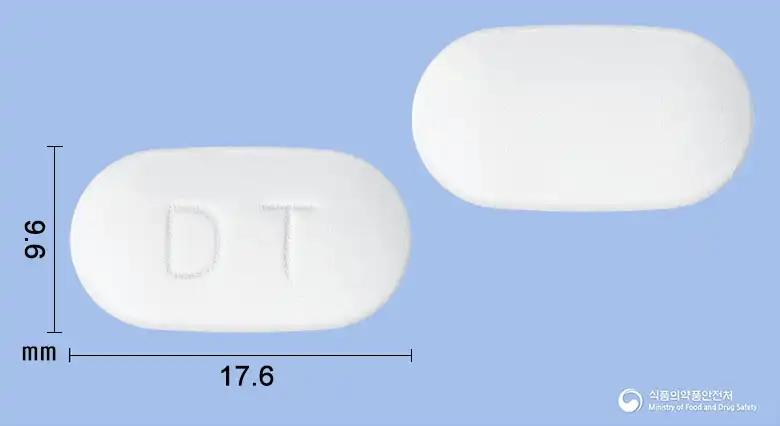
White to off-white oval film-coated tablet
30 tablets/box [10 tablets/PTP×3]
Even with the same ingredient, strength, dosage form and how it is taken can differ.
Viewing nowCombinationPioglitazone Hydrochloride 16.53mg · Metformin Hydrochloride 850mg
Tablet · Prescription medication · Combination
Medica Korea Co., Ltd.
Pioglitazone Hydrochloride 16.53mg · Metformin Hydrochloride 850mg
Tablet · Prescription medication · Combination
Celltrion Pharmaceutical Co., Ltd.
 Combination
Metformin Hydrochloride 850mg · Pioglitazone Hydrochloride 16.53mg
Tablet · Prescription medication · Combination
Genewon Science Co., Ltd.
 Combination
Metformin Hydrochloride 850mg · Pioglitazone Hydrochloride 16.53mg
Tablet · Prescription medication · Combination
Dalim Biotech Co., Ltd.
 Combination
Pioglitazone Hydrochloride 16.53mg · Metformin Hydrochloride 850mg
Tablet · Prescription medication · Combination
Kyungdong Pharmaceutical Co., Ltd.
Metformin Hydrochloride · Pioglitazone Hydrochloride
Prescription medication · Combination
Nexpam Korea Co., Ltd.
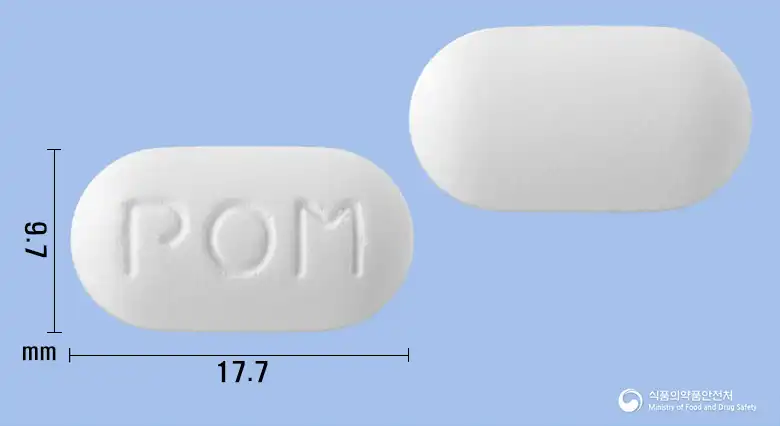 Combination
Pioglitazone Hydrochloride 16.53mg · Metformin Hydrochloride 850mg
Tablet · Prescription medication · Combination
Korea Prime Pharmaceutical Co., Ltd.
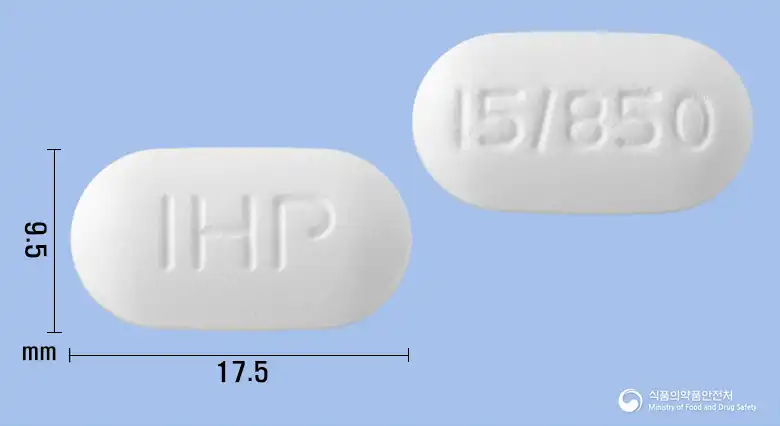 Combination
Metformin Hydrochloride 850mg · Pioglitazone Hydrochloride 16.53mg
Tablet · Prescription medication · Combination
Ilhwa Co., Ltd.
Even with the same ingredient, the dose and directions can differ by strength and dosage form. Talk to a doctor or pharmacist before switching from a medication you are already taking.
No questions yet.
For anything that needs medical judgment, consult a doctor or pharmacist.
This drug information is based on data provided by the Korea Ministry of Food and Drug Safety.
Consult a doctor or pharmacist for accurate dosage, administration, and usage instructions.