
 한국어
한국어 English
 日本語
日本語 中文(简体)
Dosage form image
Viewing nowCombinationBicran Neo Syrup (Amoxicillin-Clavulanate Potassium (14:1))
Amoxicillin Hydrate 54.545g · Dilute Potassium Clavulanate 7.8g
Syrup · Prescription medication · Combination
Bainex Co., Ltd.
MFDS item code 201801822 · Notified 2018.04.30 · Insurance code 643104461
Effective for recurrent treatment (acute otitis media, acute sinusitis)
This medicine is effective against major bacteria such as Streptococcus pneumoniae, Haemophilus influenzae (including beta-lactamase producing strains), and Moraxella catarrhalis (including beta-lactamase producing strains). It is particularly used for treating recurrent or persistent acute otitis media and recurrent acute sinusitis in pediatric patients. However, the treatment is limited to those who have experience taking antibiotics for acute otitis media or acute sinusitis within the last 3 months and is restricted to pediatric patients under 2 years old or those attending daycare. This medicine is a reliable choice in managing pediatric infections.
For pediatric patients over 3 months, the dosage is based on amoxicillin content (600 mg/5 mL) at 90 mg/kg/day divided every 12 hours. For acute otitis media, it is administered for 10 days, and for acute sinusitis, for 7 days.
This medicine is a penicillin antibiotic that should not be administered to certain patients. First, patients who have previously shown allergic reactions to this medicine's components or to penicillins and cephalosporins should not use this medicine. Additionally, patients with viral infections such as infectious mononucleosis or lymphoid leukemia may have an increased risk of side effects such as skin rashes when taking this medicine. Patients with a history of liver dysfunction or jaundice due to this medicine or penicillin should be cautious due to the risk of recurrence. This medicine contains lactose, thus it should not be used in patients with lactose intolerance, galactose intolerance, or genetic sugar absorption disorders. Patients with impaired liver function or moderate to severe renal impairment may experience increased drug concentration, hence dosage intervals should be adjusted or closely monitored. Allergic patients or those with symptoms of bronchial asthma, urticaria, etc., also require caution. Furthermore, patients who have difficulty with oral intake, the elderly, or those with poor general health may exhibit vitamin K deficiency, thus monitoring is necessary. Patients with gastrointestinal disorders like vomiting or diarrhea may not absorb the medication properly. Generally, this medicine has good tolerability, but diarrhea, vomiting, skin rashes, and contact dermatitis may occur. Particularly gastrointestinal symptoms such as diarrhea, dyspepsia, abdominal pain, and vomiting are common, while serious side effects like pseudomembranous colitis or acute pancreatitis can occur rarely. Liver function may be affected, resulting in elevated liver enzyme levels or jaundice, which occurs more frequently in the elderly or males. Rarely, serious skin reactions, blood abnormalities, or neurological adverse reactions have also been reported. Caution must always be exercised for hypersensitivity when using this medicine; if a severe allergic reaction occurs, administration should be stopped immediately and medical treatment sought. Serious gastrointestinal diseases such as pseudomembranous colitis may develop from antibiotic use, thus if diarrhea or abdominal pain worsens, medical consultation should be sought immediately. This medicine may interact with other medications, particularly when taken with anticoagulants, anti-inflammatories, or antibiotics. It is advisable to avoid use during the first three months of pregnancy, and caution should be exercised during breastfeeding considering the potential side effects on the baby. For children, the safety and effectiveness of this medicine have not been confirmed in infants under 3 months of age. During medication, it is essential to take it as prescribed and store it in the refrigerator after use, consuming it within 7 days. In case of overdose, symptoms like vomiting, diarrhea, renal dysfunction, or seizures may occur, so healthcare professionals should be notified immediately. This medicine is effective only against infected bacteria and has no effect on viral infections like the common cold, thus it must be taken continuously for the prescribed duration to prevent the development of resistant bacteria.
Urticaria, severe swelling (edema), tightness in the chest, difficulty breathing, cold sweat, pallor, severe rash with high fever, blisters, skin peeling, oral or ocular mucosal pain, shortness of breath or difficulty breathing, asthma attacks, coughing with fever and respiratory abnormalities, jaundice (yellowing of skin or eyes), extreme drowsiness, sudden and very severe headaches, lightning-like headaches, seizures, confusion, visual disturbances, paralysis, urination.
Contact dermatitis (diaper rash), diarrhea, vomiting, moniliasis, rash, dyspepsia, stomatitis, gastritis, glossitis, nausea, anorexia, abdominal pain, abdominal bloating, constipation, colic pain, acid reflux, loose stools, dry mouth, elevated AST, ALT, ALP, LDH, hepatitis, cholestatic jaundice, itching, erythema multiforme, Stevens-Johnson syndrome, toxic epidermal necrolysis, vesicular exfoliative dermatitis, acute generalized exanthematous pustulosis.
Not everyone experiences these, and they can vary from person to person.
This medicine should be stored in a tightly closed container to protect it from air and moisture. Additionally, it is important to store it in a cool, dry place below 25 degrees Celsius to maintain its efficacy.
White or pale yellow powder to be dissolved to use as syrup
50mL/bottle
Even with the same ingredient, strength, dosage form and how it is taken can differ.
Amoxicillin Hydrate 54.545g · Dilute Potassium Clavulanate 7.8g
Syrup · Prescription medication · Combination
Bainex Co., Ltd.
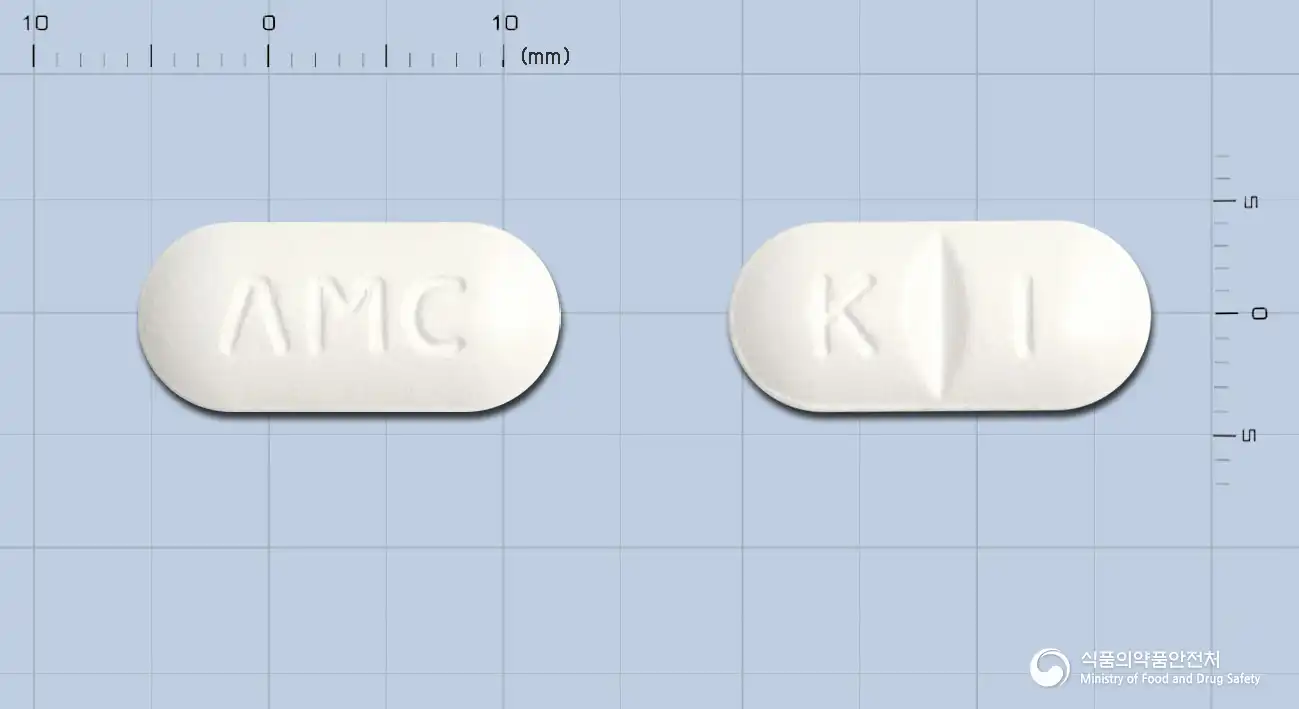 Combination
Amoxicillin Hydrate 500mg · Dilute Potassium Clavulanate 215.52mg
Tablet · Prescription medication · Combination
Geonil Pharmaceutical Co., Ltd.
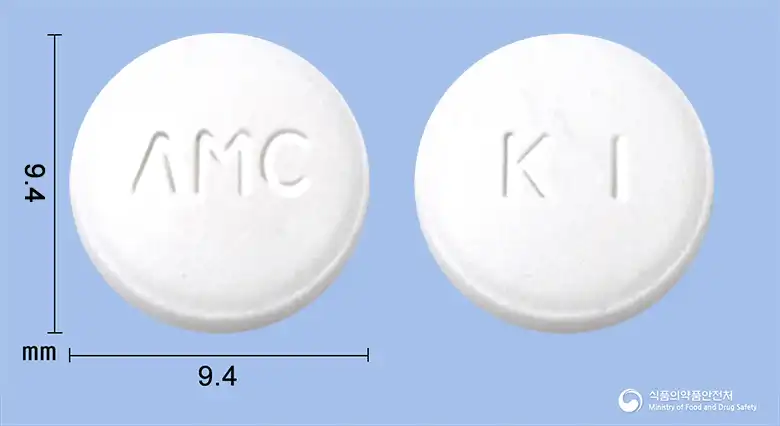 Combination
Amoxicillin Hydrate 125mg · Dilute Potassium Clavulanate 107.76mg
Tablet · Prescription medication · Combination
Geonil Pharmaceutical Co., Ltd.
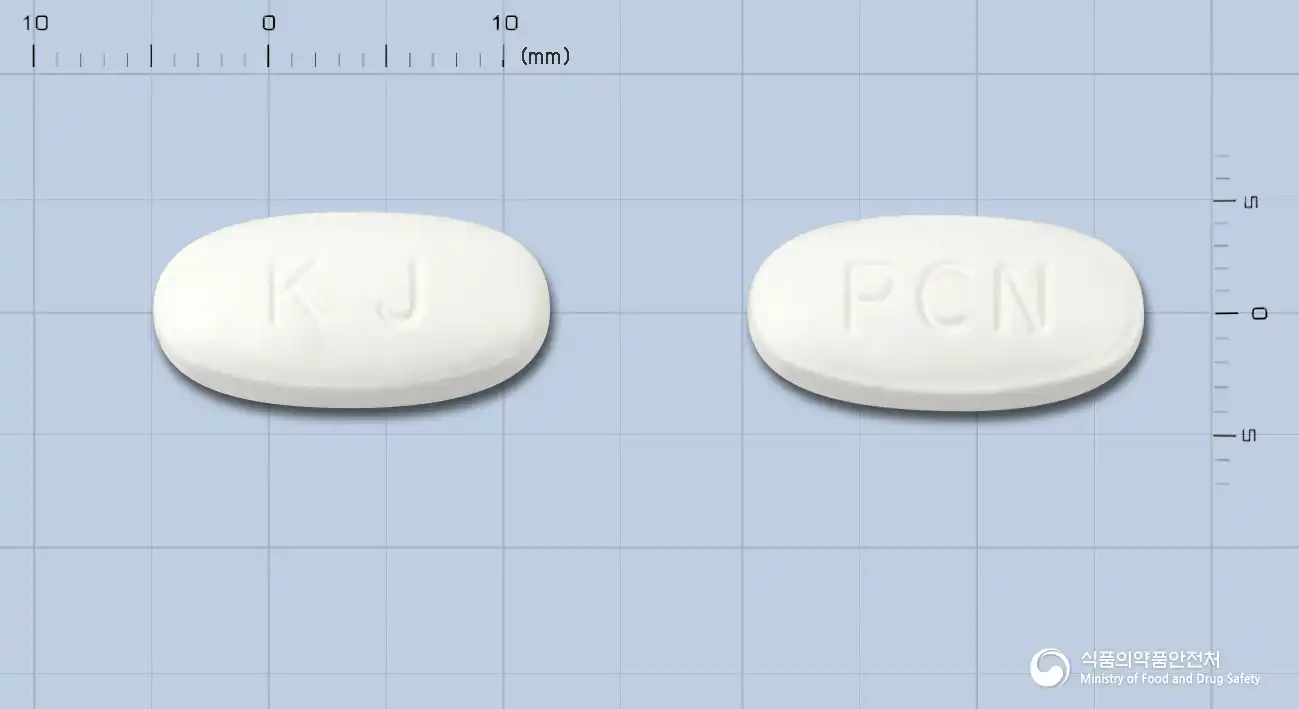 Combination
Amoxicillin Hydrate 250mg · Dilute Potassium Clavulanate 212.73mg
Tablet · Prescription medication · Combination
International Pharmaceutical Co., Ltd.
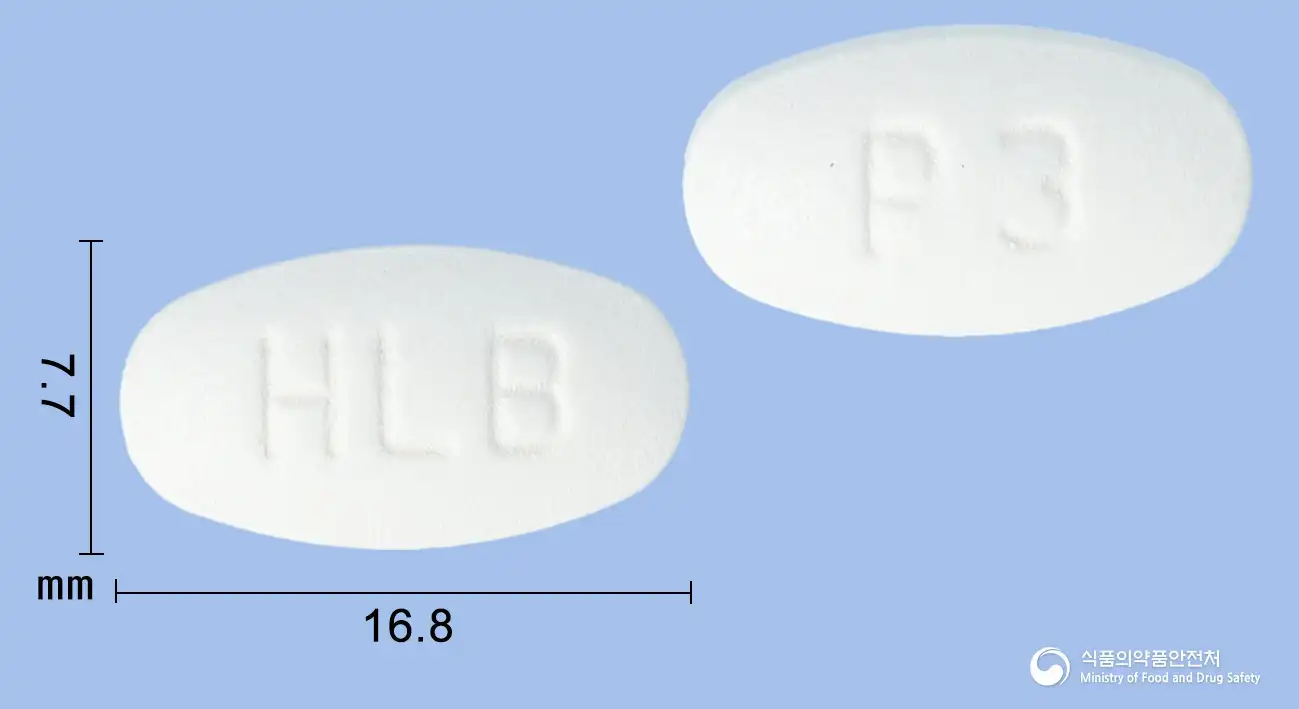 Combination
Amoxicillin Hydrate 250mg · Dilute Potassium Clavulanate 215.52mg
Tablet · Prescription medication · Combination
HLB Pharmaceutical Co., Ltd.
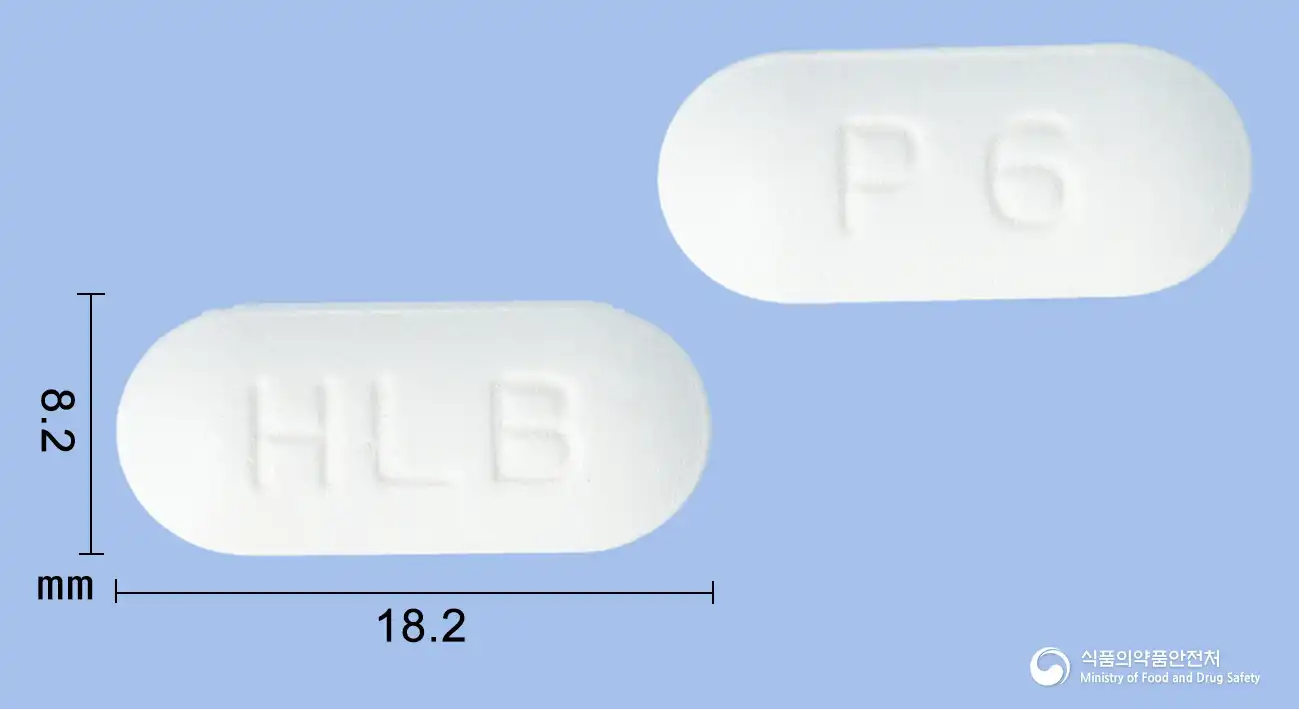 Combination
Amoxicillin Hydrate 500mg · Dilute Potassium Clavulanate 215.52mg
Tablet · Prescription medication · Combination
HLB Pharmaceuticals Co., Ltd.
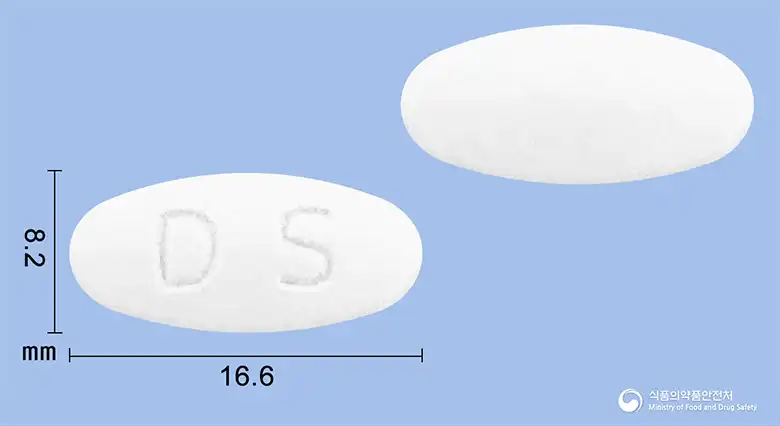 Combination
Amoxicillin Hydrate 250mg · Dilute Potassium Clavulanate 215.52mg
Tablet · Prescription medication · Combination
Dong Sung Pharmaceutical Co., Ltd.
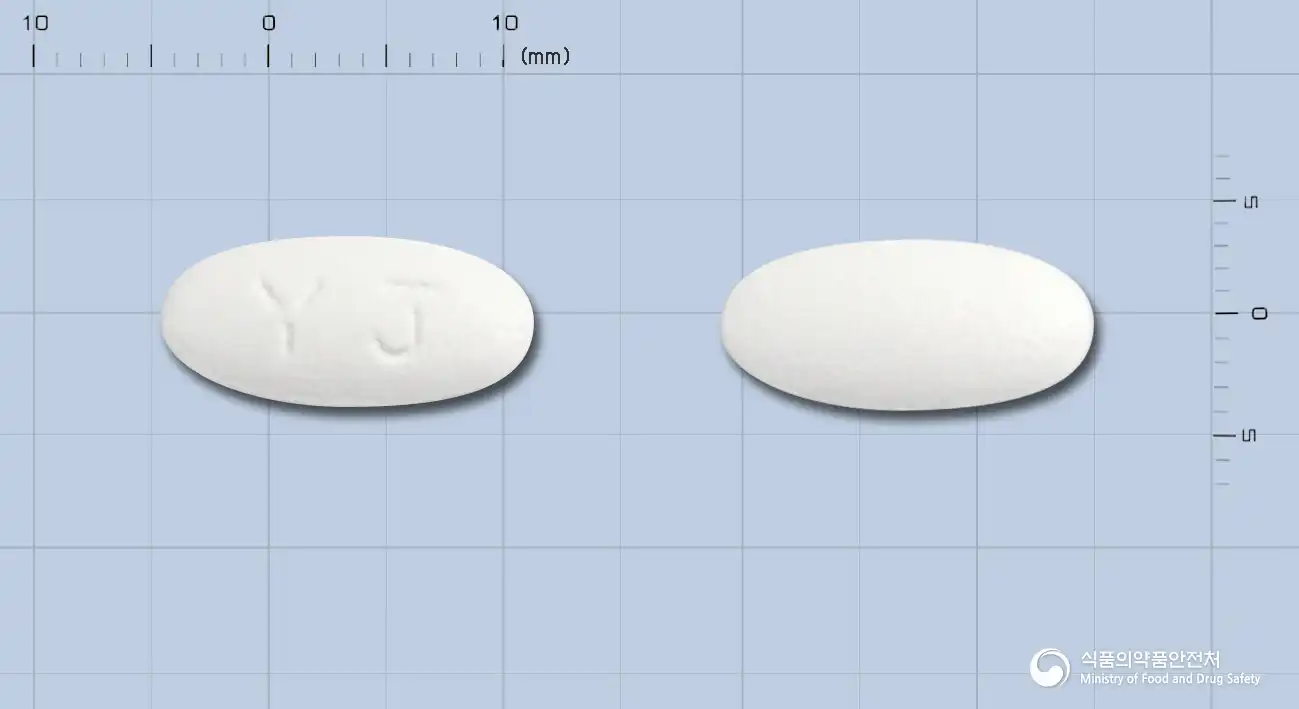 Combination
Amoxicillin Hydrate 250mg · Dilute Potassium Clavulanate 212.73mg
Tablet · Prescription medication · Combination
Youngjin Pharmaceutical Co., Ltd.
Even with the same ingredient, the dose and directions can differ by strength and dosage form. Talk to a doctor or pharmacist before switching from a medication you are already taking.
No questions yet.
For anything that needs medical judgment, consult a doctor or pharmacist.
This drug information is based on data provided by the Korea Ministry of Food and Drug Safety.
Consult a doctor or pharmacist for accurate dosage, administration, and usage instructions.