
 한국어
한국어 English
 日本語
日本語 中文(简体)
 Viewing now
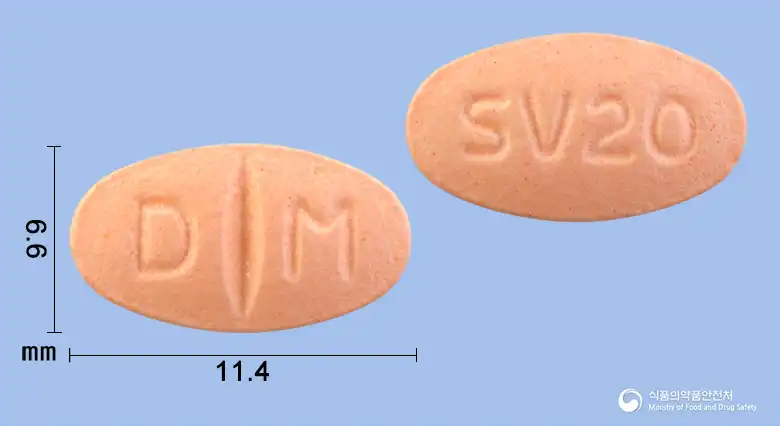
Coshiba Tablets 20 mg (Simvastatin)
Simvastatin 20mg
Tablet · Prescription medication
Dasan Pharmaceuticals Co., Ltd.
MFDS item code 201801491 · Approved 2018.04.04
Reduced risk of cardiovascular diseases and improvement of hyperlipidemia
This medication helps reduce the risk of mortality from coronary heart disease, non-fatal myocardial infarction, and stroke, as well as the risk of revascularization procedures in adult patients at high risk for cardiovascular diseases. Additionally, it is effective in lowering total cholesterol, LDL cholesterol, apolipoprotein B, and triglyceride levels while increasing HDL cholesterol levels in patients with primary hyperlipidemia and various dyslipidemias, improving overall serum lipid levels. It is also useful for controlling cholesterol levels in patients with homozygous and heterozygous familial hypercholesterolemia when used in conjunction with diet. It is indicated when treatment is needed for pediatric patients with heterozygous familial hypercholesterolemia. Overall, this medication plays an important role in the prevention of cardiovascular diseases and the improvement of dyslipidemia.
This medication is administered once daily in the evening. The initial starting dose for reducing the risk of cardiovascular disease is 40mg daily. For hyperlipidemia, the typical initial starting dose is 20mg daily, while patients with mild to moderate hypercholesterolemia may start at 10mg. The dose can be adjusted between 5mg and 40mg once daily in the evening. There are dosage limitations when co-administering with certain patient groups, including patients with renal impairment.
The recommended initial dose for pediatric patients with heterozygous familial hypercholesterolemia (ages 10–17) is 10mg once daily in the evening. The recommended dosage range is 10–40mg daily, with a maximum dose of 40mg daily.
This medication is primarily used to treat hypercholesterolemia by inhibiting cholesterol production in the body, thereby lowering blood LDL cholesterol levels. When taking this medication, special attention should be paid to muscle-related side effects. At high doses, muscle pain, muscle weakness, and in severe cases, rhabdomyolysis, which is damage to muscle tissue, may occur; therefore, if symptoms of muscle pain or weakness appear, consultation with a doctor should be sought immediately. It may also affect liver function, so it should not be taken by individuals with liver disease or those with abnormally high liver enzyme levels, and regular liver function tests during treatment are important. Women who are pregnant, may become pregnant, or are breastfeeding should not take this medication. If planning for pregnancy, consultation with a doctor is essential, and appropriate contraception should be practiced. Furthermore, this medication can interact with various drugs; if taking other medications, it is necessary to inform a doctor or pharmacist. In particular, co-administration with specific antifungal agents, antibiotics, immunosuppressants, and calcium channel blockers may increase the risk of myopathy. Elderly patients, those with impaired kidney function, and patients with hypothyroidism should exercise additional caution when taking this medication, and any unusual symptoms related to the muscles or liver should be reported to medical personnel immediately. During treatment, it is advisable to avoid foods or drinks that affect CYP3A4 metabolism, such as grapefruit juice. In case of overdose, there are no specific antidotes available; therefore, the individual should go to the hospital immediately for appropriate treatment, and medications should be stored out of reach of children.
Hives, severe swelling (edema), chest tightness, difficulty breathing, cold sweat, paleness, anaphylaxis, angioedema, severe rash with high fever, blisters, peeling skin, pain in mucous membranes of mouth/eyes, toxic epidermal necrolysis, Stevens-Johnson syndrome, difficulty breathing, asthma attacks, respiratory difficulties accompanied by cough and fever, jaundice of skin or eyes, extreme lethargy throughout the body, hepatitis, fatal liver failure, liver dysfunction
Muscle pain, muscle cramps, joint pain, headache, fatigue, constipation, diarrhea, indigestion, bloating, nausea, upper respiratory infection, insomnia, dizziness, bronchitis, sinusitis, eczema, urinary tract infection, alopecia, itching, skin changes, drug rash resembling lichen planus, gynecomastia, decreased libido, sexual dysfunction, progression of cataracts, ocular muscle paralysis, anemia, thyroid dysfunction, transient mild liver dysfunction, increased HbA1c and fasting blood glucose levels,
Not everyone experiences these, and they can vary from person to person.
This medication should be stored in a tightly sealed container to prevent exposure to air or moisture. Additionally, it should be kept at room temperature between 1°C and 30°C, avoiding excessively hot or cold locations.
Brownish-yellow oval film-coated tablet
30 tablets/bottle, 300 tablets/bottle
Even with the same ingredient, strength, dosage form and how it is taken can differ.
Viewing nowSimvastatin 20mg
Tablet · Prescription medication
Dasan Pharmaceuticals Co., Ltd.
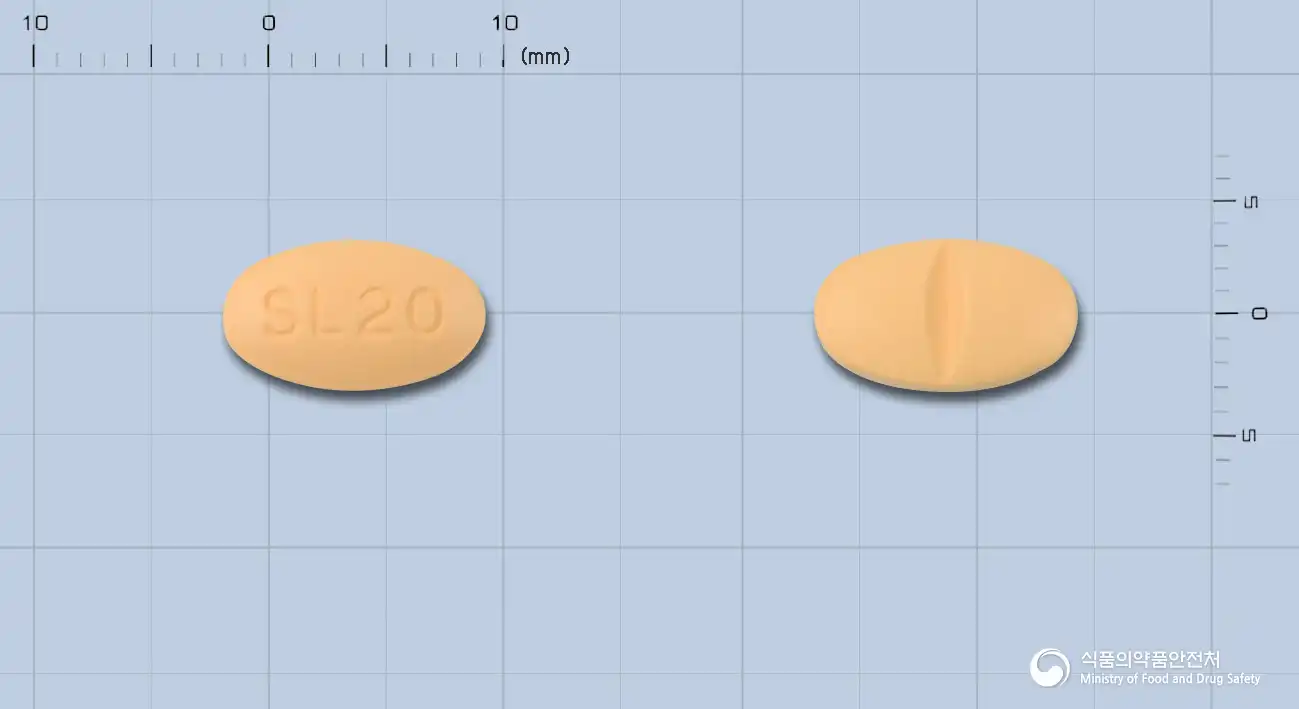
Simvastatin 20mg
Tablet · Prescription medication
Jongkundang Pharmaceutical Co., Ltd.
Simvastatin 20mg
Tablet · Prescription medication
Dong-A ST Co., Ltd.
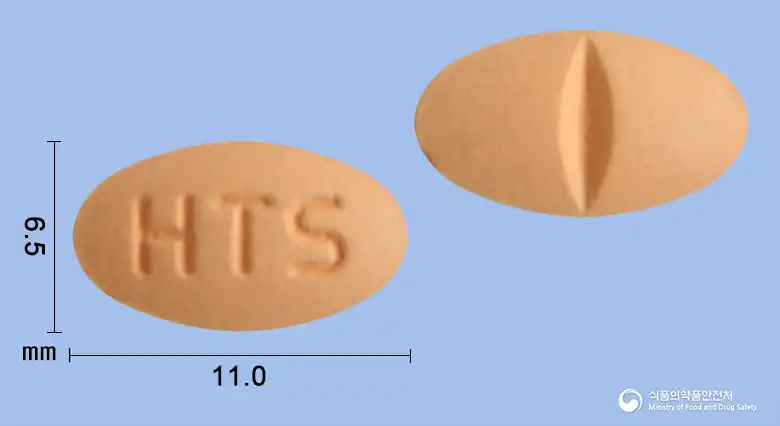
Simvastatin 20mg
Tablet · Prescription medication
Korea Hutech Pharmaceutical Co., Ltd.
Simvastatin 20mg
Tablet · Prescription medication
Yuhan Corporation
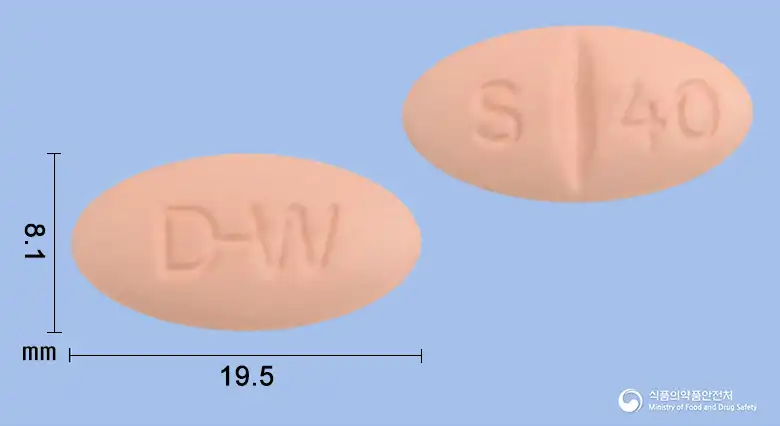
Simvastatin 40mg
Tablet · Prescription medication
Dongwha Pharmaceutical Co., Ltd.
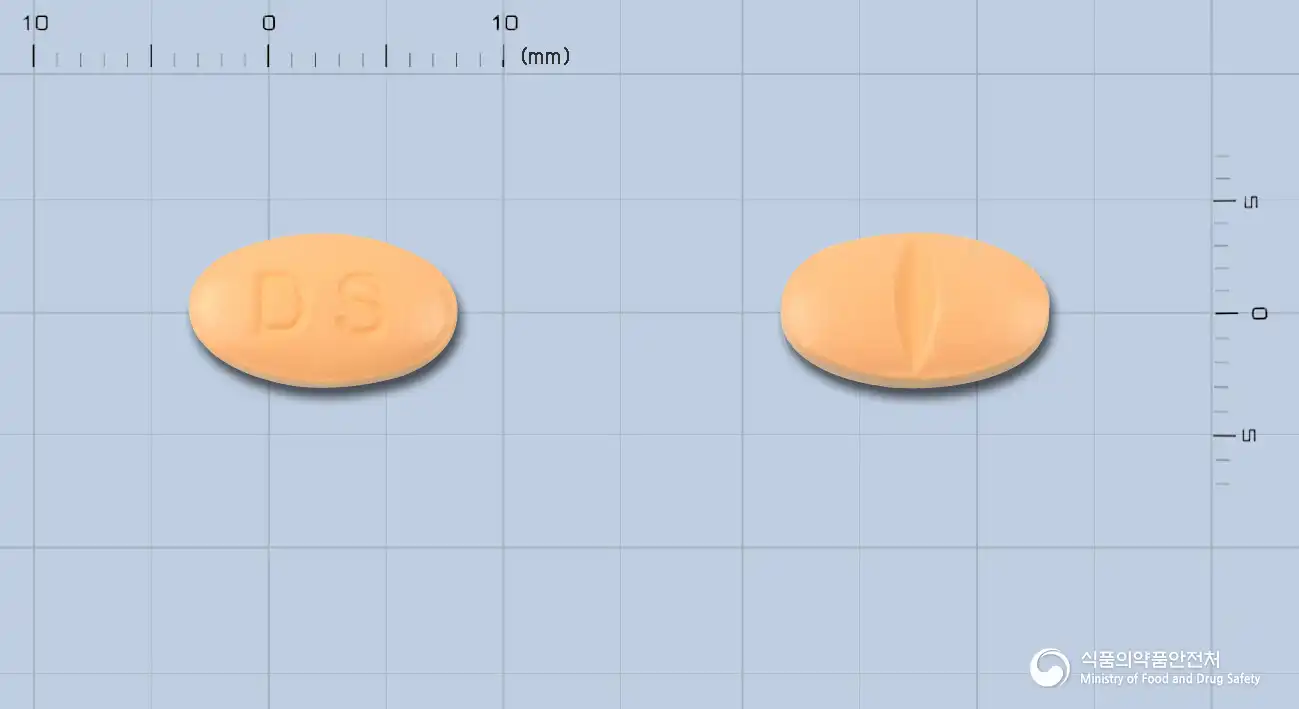
Simvastatin 20mg
Tablet · Prescription medication
Dongsung Pharmaceutical Co., Ltd.
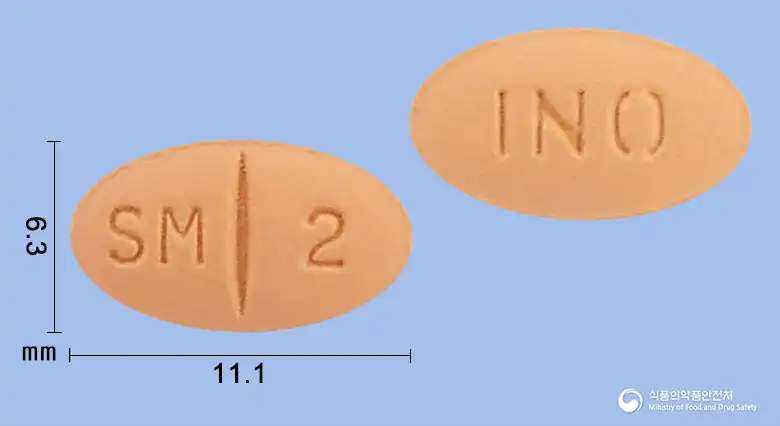
Simvastatin 20mg
Tablet · Prescription medication
HK inno.N Co., Ltd.
Even with the same ingredient, the dose and directions can differ by strength and dosage form. Talk to a doctor or pharmacist before switching from a medication you are already taking.
No questions yet.
For anything that needs medical judgment, consult a doctor or pharmacist.
This drug information is based on data provided by the Korea Ministry of Food and Drug Safety.
Consult a doctor or pharmacist for accurate dosage, administration, and usage instructions.