
 한국어
 English
 日本語
 中文(简体)
Summary
- Main use
- Treatment of ventricular arrhythmias (such as idiopathic premature contractions and those induced by digitalis)
- Who takes it
- Adults
- Adult dose
- Adults: Initially, administer an oral loading dose of 400 mg of mexiletine hydrochloride. If necessary, the dose may be increased to 600 mg. The maintenance dose is 200-250 mg per dose, 3-4 times daily. Because absorption may be delayed after acute myocardial infarction and particularly when anesthetics are administered, a higher loading dose (600 mg) is desirable. The dose may be adjusted according to each patient's condition to achieve optimal therapeutic effects and minimize adverse effects. This drug may be used in combination with other antiarrhythmic agents. Because it is rapidly absorbed into tissues, an initial loading dose is desirable. Adjust the dose appropriately according to age and symptoms.
Ingredients
- Manufacturer
- Korea Chorus Co., Ltd.
Efficacy & effects
Treatment of ventricular arrhythmias (such as idiopathic premature contractions and those induced by digitalis)
- Ventricular arrhythmias
- ventricular arrhythmias due to digitalis
- idiopathic ventricular extrasystole
- ventricular arrhythmias in acute myocardial infarction
View approved original textHide original text
This drug is used for ventricular arrhythmias, ventricular arrhythmias caused by digitalis, idiopathic ventricular extrasystole, and ventricular arrhythmias occurring in acute myocardial infarction.
How to take
Adult dose
Adults: Initially, administer an oral loading dose of 400 mg of mexiletine hydrochloride. If necessary, the dose may be increased to 600 mg. The maintenance dose is 200-250 mg per dose, 3-4 times daily. Because absorption may be delayed after acute myocardial infarction and particularly when anesthetics are administered, a higher loading dose (600 mg) is desirable. The dose may be adjusted according to each patient's condition to achieve optimal therapeutic effects and minimize adverse effects. This drug may be used in combination with other antiarrhythmic agents. Because it is rapidly absorbed into tissues, an initial loading dose is desirable. Adjust the dose appropriately according to age and symptoms.
Precautions
This drug should be used with caution in patients using devices that regulate heartbeats, such as pacemakers or implantable cardioverter-defibrillators. Given that this drug can affect the function of these devices, regular checks on the device's status are necessary, and if any abnormalities are found, the dose should be reduced or administration should be stopped immediately. Patients with allergies to this drug, severe cardiac conduction disorders, acute heart failure or cardiogenic shock, or those who have not sufficiently recovered after myocardial infarction should not use this drug. Additionally, patients who cannot digest certain sugars genetically should also avoid taking this drug. Patients with heart disease or weak liver and kidney function, low blood pressure, elderly patients, and those with Parkinson's syndrome should use this drug cautiously. This drug may cause various side effects such as neurological symptoms, blood abnormalities, skin rash, etc., and if any symptoms appear, they should consult medical staff immediately. During the use of this drug, regular monitoring of electrocardiograms, blood pressure, and heart condition is required, and if any signs of abnormalities are found, administration should be stopped or doses adjusted. Furthermore, symptoms such as dizziness or drowsiness may occur, so it is advisable to avoid driving or operating dangerous machinery. This drug interacts with many other medications, and in some cases, side effects may worsen when taken in combination with certain medications, so if taking other drugs, it is essential to inform medical staff. Pregnant or breastfeeding women should use this drug with caution, and it is advisable to avoid taking it while breastfeeding. Safety in children has not been sufficiently established, so it is preferable not to administer it to children. In the event of overdose, severe side effects can occur, so it is essential to visit a medical institution immediately for appropriate treatment, generally alleviating symptoms with gastric lavage or specific medication. This drug can cause esophageal ulcers if it remains in the esophagus, so it should be taken with a sufficient amount of water, especially before going to sleep.
Side effects
- Chest pain
- ventricular tachycardia
- bradycardia
- orthostatic dizziness
- QRS prolongation
- hypertension
- palpitations
- edema
- feeling of chest tightness
- hypotension
Show 76 moreCollapse
- atrial fibrillation
- sinus bradycardia
- arrhythmia
- AV block
- syncope
- heart failure
- ventricular arrhythmia
- mucocutaneous syndrome
- purpura
- nausea
- vomiting
- loss of appetite
- discomfort in the upper abdomen
- upper abdominal pain
- thirst
- constipation
- diarrhea
- abdominal distension
- indigestion
- burning sensation in the chest
- swallowing difficulties
- cheilitis
- glossitis
- dysphonia
- nausea
- pulmonary infiltrate
- interstitial lung disease
- pulmonary fibrosis
- tremor
- dizziness
- numbness
- ataxia
- insomnia
- drowsiness
- tinnitus
- headache
- nystagmus
- anxiety
- sweating
- mental disorders
- language disorders
- hallucination
- confusion
- blurred vision
- seizure
- erythema
- itching
- fever
- systemic rash
- erythema multiforme
- jaundice
- elevated ALT
- elevated AST
- elevated GPT
- hepatic cell damage
- abnormal liver function
- liver necrosis
- leukopenia
- neutropenia
- agranulocytosis
- thrombocytopenia
- eosinophilia
- urinary disorders
- urinary retention
- allergic reaction
- lupus-like symptoms
- taste disturbances
- sensory disturbances
- numbness
- pharyngeal discomfort
- excitation
- warmth sensation
- fatigue
- hair loss
- erectile dysfunction
- positive antinuclear antibody reaction
Not everyone experiences these, and they can vary from person to person.
Storage
This drug is sensitive to light, so it should be stored in a container that protects against light. Additionally, it is best stored at room temperature between 1 degree and 30 degrees Celsius. Proper storage can effectively maintain the drug's efficacy.
Appearance and packaging
Appearance
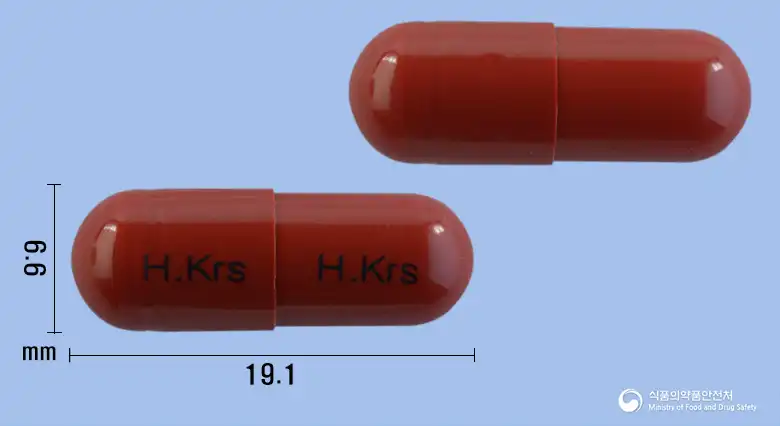
A hard capsule in dark brown color containing a white powder
Package unit
10 capsules/bottle, 30 capsules/bottle, 50 capsules/bottle, 100 capsules/bottle, 500 capsules/bottle, 1000 capsules/bottle
Questions about this medicine
No questions yet.
For anything that needs medical judgment, consult a doctor or pharmacist.