
 한국어
한국어 English
 日本語
日本語 中文(简体)
 Viewing now
Pregalin Capsule 300 mg (Pregabalin)
Pregabalin 300mg
Hard capsule · Prescription medication
Korea Pharma Co., Ltd.
MFDS item code 201800935 · Approved 2018.02.26 · Insurance code 642803070
Treatment of peripheral and central neuropathic pain, adjunctive treatment of epilepsy (partial seizures), improvement of fibromyalgia
This medication is used in adults for the treatment of peripheral and central neuropathic pain. It also helps to adjunctively control partial seizures in adults with epilepsy. Additionally, it is effective in alleviating the pain associated with fibromyalgia. Through these efficacies, it is used to improve patients' symptoms and enhance their quality of life.
This medication, pregabalin, is to be taken orally divided into two doses per day, regardless of food. 1. Neuropathic Pain - Peripheral Neuropathic Pain: Starting dose is 150 mg per day, and may be increased to 300 mg per day within 3 to 7 days. If necessary, it may be further increased to a maximum of 600 mg per day at 7-day intervals. - Central Neuropathic Pain: Starting dose is 150 mg per day, and after a week, may be increased to 300 mg per day.
This medication may increase the risk of suicidal thoughts or behaviors, so if any mood changes or unusual behaviors occur during treatment, medical personnel should be notified immediately. Patients with hypersensitivity to this drug or those with genetic lactose intolerance should not take this medication. Diabetic patients may need to adjust their dosage of blood glucose control medications due to weight gain. If symptoms of angioedema, such as swelling of the face or around the mouth, occur, the medication should be discontinued immediately. Elderly patients may experience increased dizziness or drowsiness when taking this medication, so caution is needed when starting treatment. Visual blurriness or changes in vision may occur, and these symptoms may improve upon discontinuation of the drug. Abrupt discontinuation of this medication may lead to withdrawal symptoms such as insomnia, headache, and anxiety, so it should be decreased gradually after consultation with medical personnel. Patients with a history of substance abuse may be at higher risk of misuse of this medication and should use it cautiously. Patients with reduced kidney function may require dosage adjustments for this medication. Patients with heart failure should exercise caution in taking this medication, and those with cardiovascular diseases should consult with medical personnel. This medication can cause drowsiness and dizziness, so patients should ensure they are in a stable condition before driving or operating dangerous machinery. In early pregnancy, this medication may pose risks to the fetus, so women who are pregnant or planning to become pregnant should consult with medical personnel and use effective contraception. Lactating women should consider stopping breastfeeding or the medication, as this drug can be transmitted through breast milk. In case of overdose, symptoms such as confusion, drowsiness, and depression may occur, and treatment such as hemodialysis may be required if necessary. Keep this medication out of reach of children and avoid transferring it to other containers.
Hives, severe swelling (edema), chest tightness, difficulty breathing, cold sweat, pale complexion, angioedema, anaphylaxis-like symptoms, Stevens-Johnson syndrome, toxic epidermal necrolysis, severe allergic reactions, severe skin adverse reactions, shortness of breath or difficulty breathing, asthma attacks, respiratory difficulties accompanied by cough and fever, respiratory depression, yellowing of the skin or eyes (jaundice), extreme lethargy, sudden and severe
Not everyone experiences these, and they can vary from person to person.
This medication should be stored in a tightly closed container to protect it from air and moisture. Additionally, it is important to store it at a cool temperature between 15 to 30 degrees Celsius to maintain its effectiveness.
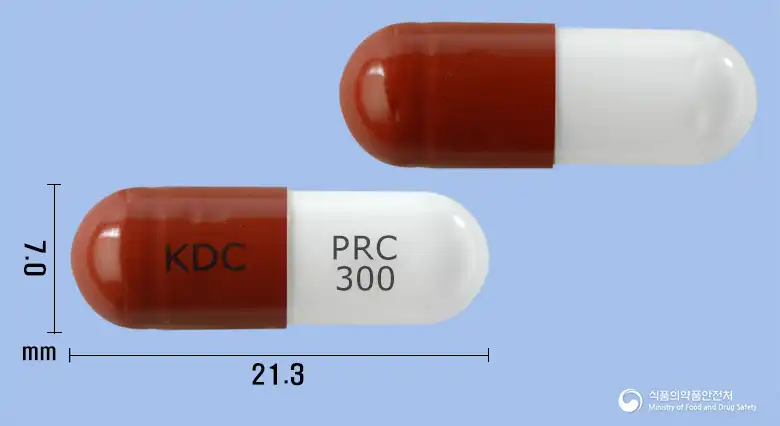
A hard capsule with a brownish-red upper part and a white lower part containing a white powder that is white or light yellow in color
30 capsules/bottle
Even with the same ingredient, strength, dosage form and how it is taken can differ.
Viewing nowPregabalin 300mg
Hard capsule · Prescription medication
Korea Pharma Co., Ltd.
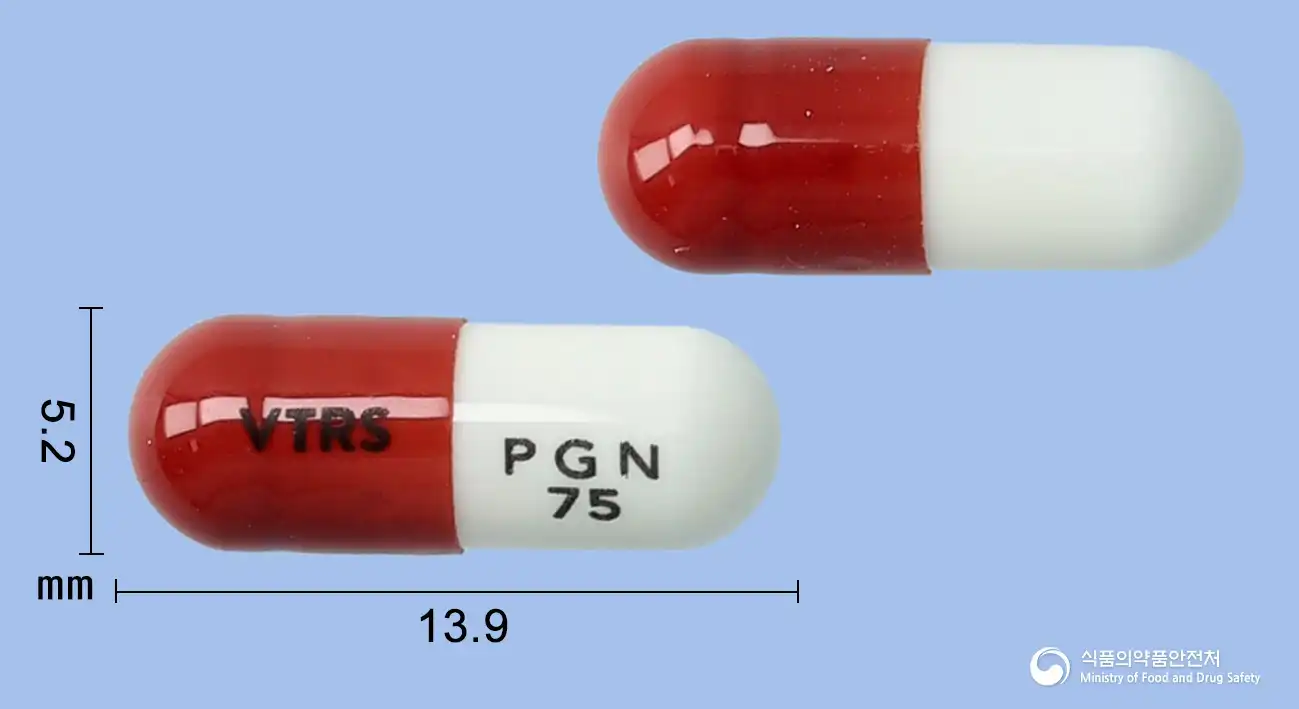
Pregabalin 75mg
Hard capsule · Prescription medication
Viatris Korea Co., Ltd.
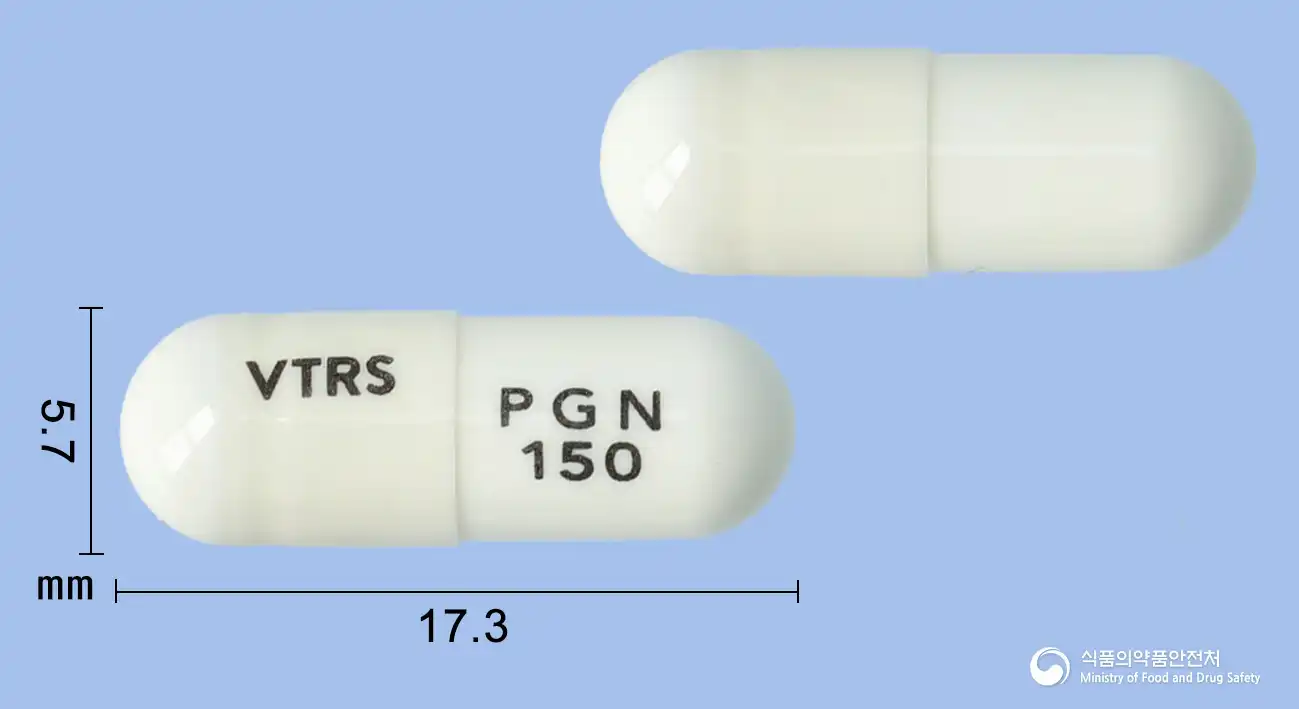
Pregabalin 150mg
Hard capsule · Prescription medication
Viatris Korea Co., Ltd.
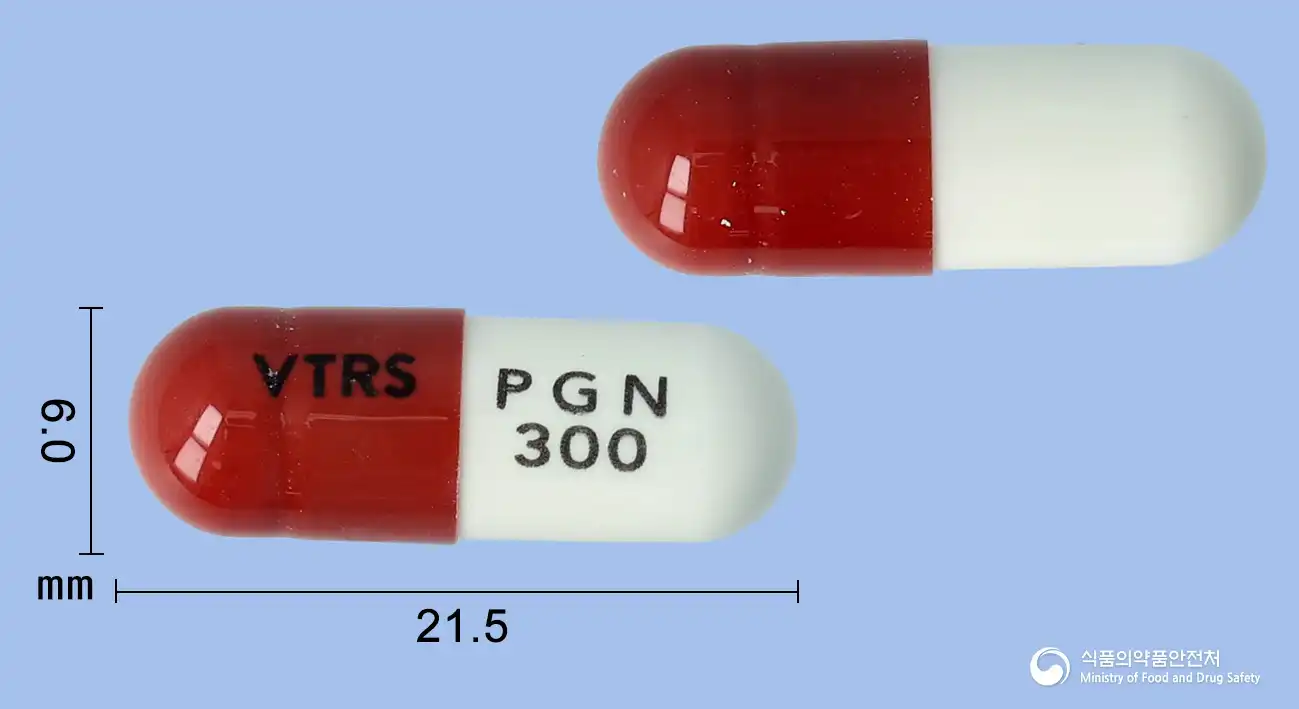
Pregabalin 300mg
Hard capsule · Prescription medication
Viatris Korea Co., Ltd.
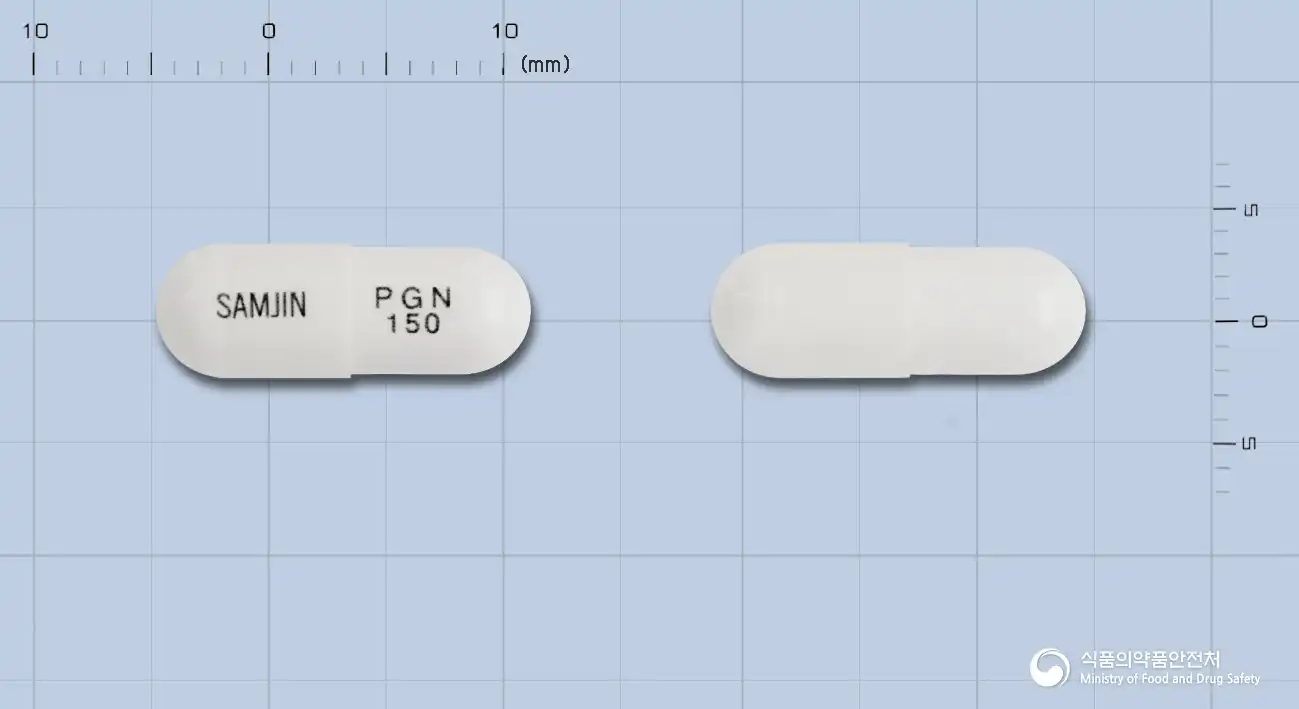
Pregabalin 150mg
Hard capsule · Prescription medication
Samjin Pharmaceutical Co., Ltd.
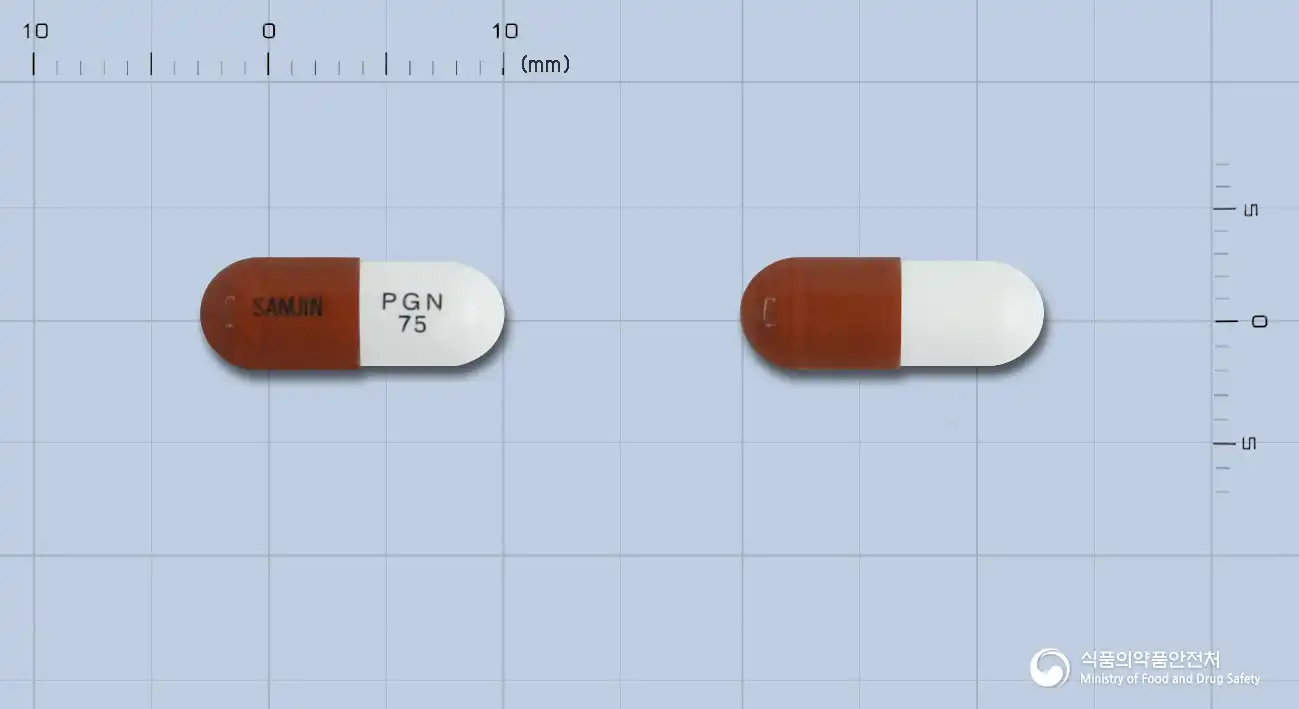
Pregabalin 75mg
Hard capsule · Prescription medication
Samjin Pharmaceutical Co., Ltd.
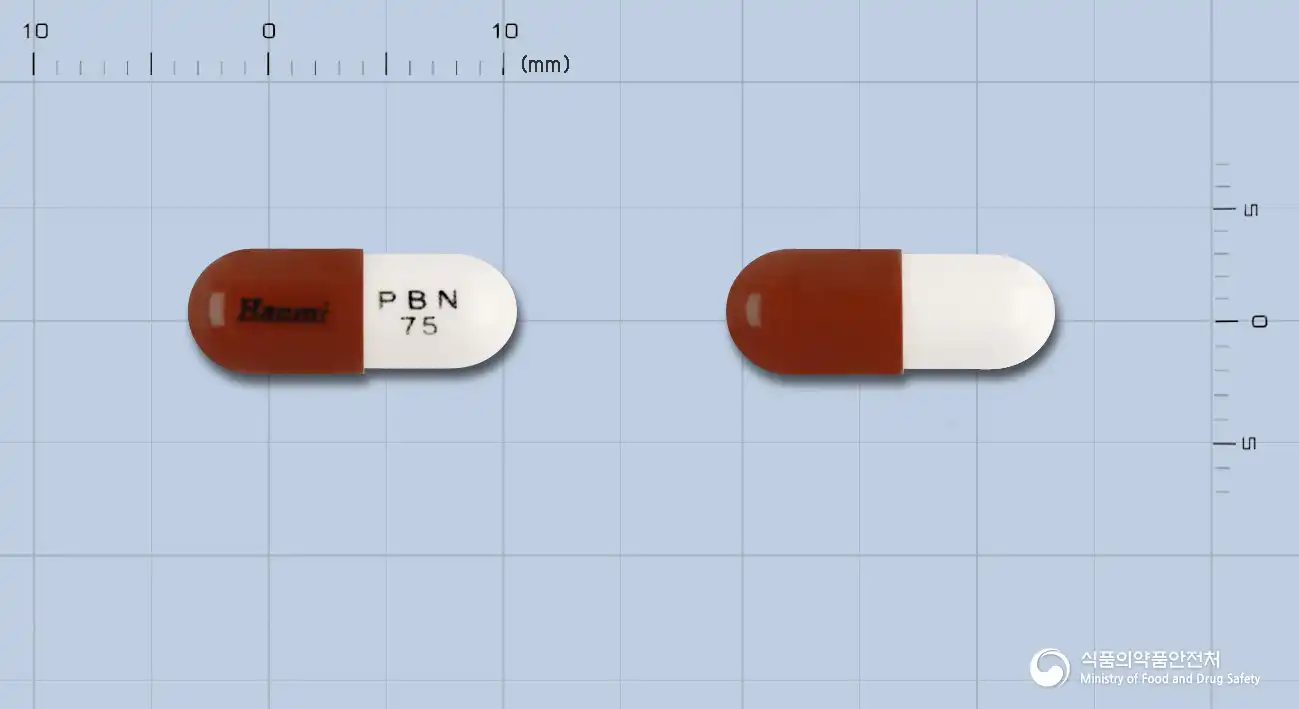
Pregabalin 75mg
Hard capsule · Prescription medication
Hanmi Pharm. Co., Ltd.
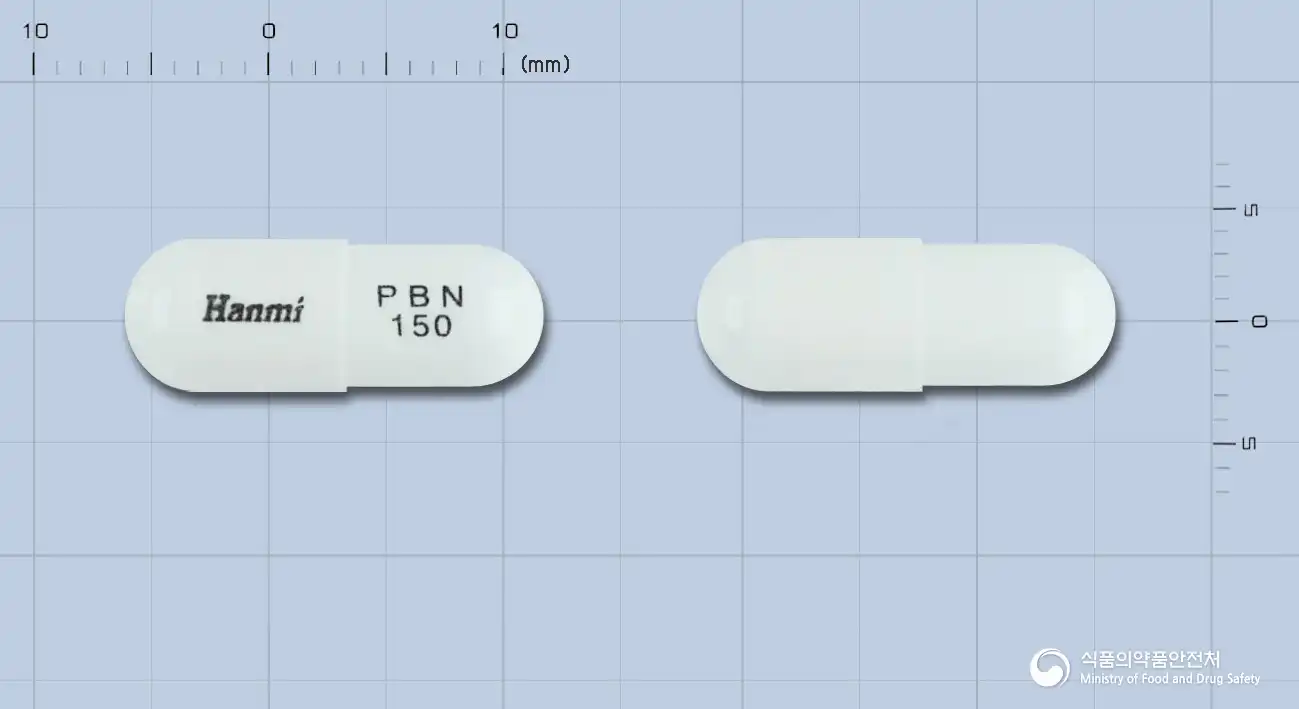
Pregabalin 150mg
Hard capsule · Prescription medication
Hanmi Pharmaceutical Co., Ltd.
Even with the same ingredient, the dose and directions can differ by strength and dosage form. Talk to a doctor or pharmacist before switching from a medication you are already taking.
No questions yet.
For anything that needs medical judgment, consult a doctor or pharmacist.
This drug information is based on data provided by the Korea Ministry of Food and Drug Safety.
Consult a doctor or pharmacist for accurate dosage, administration, and usage instructions.