
 한국어
 English
 日本語
 中文(简体)
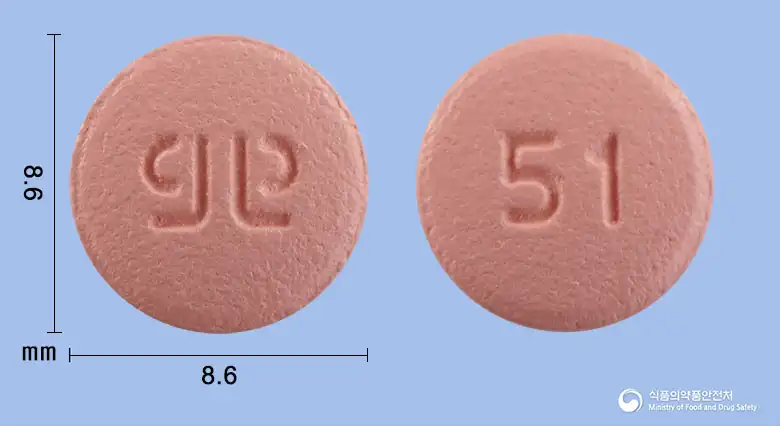 Viewing now
Plavitore Tablet (Clopidogrel Hydrogen Sulfate)
Clopidogrel Bisulfate 97.875mg
Tablet · Prescription medication
GL Pharma Co., Ltd.
MFDS item code 201800144 · Approved 2018.01.10 · Insurance code 649701630
Improvement of symptoms of acute coronary syndrome and atherosclerosis; prevention of thromboembolism in atrial fibrillation
This medication helps improve atherosclerosis symptoms in adult patients with ischemic stroke, myocardial infarction, and peripheral arterial disease. Additionally, in patients with acute coronary syndrome who have undergone coronary intervention or coronary artery bypass surgery due to unstable angina or non-Q-wave myocardial infarction, it improves symptoms of cardiovascular diseases such as death from cardiovascular issues, myocardial infarction, and stroke. Moreover, it reduces the risk of stroke and thromboembolism in patients with atrial fibrillation who have vascular risk factors and cannot take vitamin K antagonists. This drug is highly effective in reducing the risk of cardiovascular diseases and thrombus formation.
○ Adults 1. For patients with ischemic stroke, myocardial infarction, or peripheral arterial disease, administer 75 mg of clopidogrel orally once daily. 2. For patients with acute coronary syndrome (unstable angina or non-Q-wave myocardial infarction), start with a loading dose of 300 mg of this drug once daily on the first day of treatment, followed by a maintenance dose of 75 mg once daily orally. In this case, aspirin 75 ~ 325 mg should be coadministered with this drug once daily. 3. For patients with atrial fibrillation, administer 75 mg of this drug orally once daily. In this case, aspirin 75 ~ 100 mg should be coadministered with this drug once daily. ○ Patients with renal impairment: Treatment experience in patients with renal impairment is limited. ○ Patients with hepatic impairment: Treatment experience in patients with moderate hepatic disease and a bleeding diathesis is limited. This drug may be administered with or without food.
This drug prevents platelets from aggregating, thereby preventing thrombus formation. Individuals with reduced enzyme activity of CYP2C19 may experience diminished effects of this drug and a higher risk of issues with the heart or blood vessels, thus additional caution is advised. It is not recommended to use this drug in conjunction with medications that increase CYP2C19 activity, as this may increase the risk of bleeding. Patients allergic to this drug or its components, those with severe bleeding, severe liver dysfunction, nursing women, or those with specific genetic disorders such as lactose intolerance should not take this medication. Patients at risk of bleeding or those who are scheduled for surgery should exercise caution when taking this drug and inform their doctor immediately if bleeding symptoms occur. Particularly, caution should be exercised when taken in conjunction with anticoagulants like warfarin, as this increases the risk of bleeding. This medication can rarely cause thrombocytopenia or severe hematological adverse reactions, so immediate medical evaluation is necessary if symptoms of infection or bleeding emerge. Various side effects like dyspepsia, diarrhea, headache, and rash can occur, and if symptoms are severe, consultation with a physician is advised. During pregnancy, this drug should only be used when absolutely necessary, taking fetal effects into consideration, and may be discontinued prior to delivery due to the risk of bleeding. In breastfeeding cases, since this drug can be excreted in breast milk, consult with a physician regarding whether to continue breastfeeding. Elderly patients or those with impaired kidney function are at increased risk of bleeding, and dosage adjustments and monitoring are required. Overdose may increase the risk of bleeding, so it is essential to adhere to the prescribed dosage, and in cases of severe bleeding, emergency measures such as platelet transfusion may be necessary. The safety and efficacy of this drug in children have not been sufficiently established, thus it should be used cautiously. During the course of this medication, it is vital to inform healthcare providers about the use of this drug before any surgery, trauma, or other medications. Finally, store this drug out of the reach of children and avoid transferring it to other containers.
Not everyone experiences these, and they can vary from person to person.
This drug should be stored in a tightly closed container to protect it from air and moisture. It is recommended to maintain storage temperature between 1 to 30 degrees Celsius.
Pink round film-coated tablet
30 tablets/bottle, 100 tablets/bottle
Even with the same ingredient, strength, dosage form and how it is taken can differ.
Viewing nowClopidogrel Bisulfate 97.875mg
Tablet · Prescription medication
GL Pharma Co., Ltd.
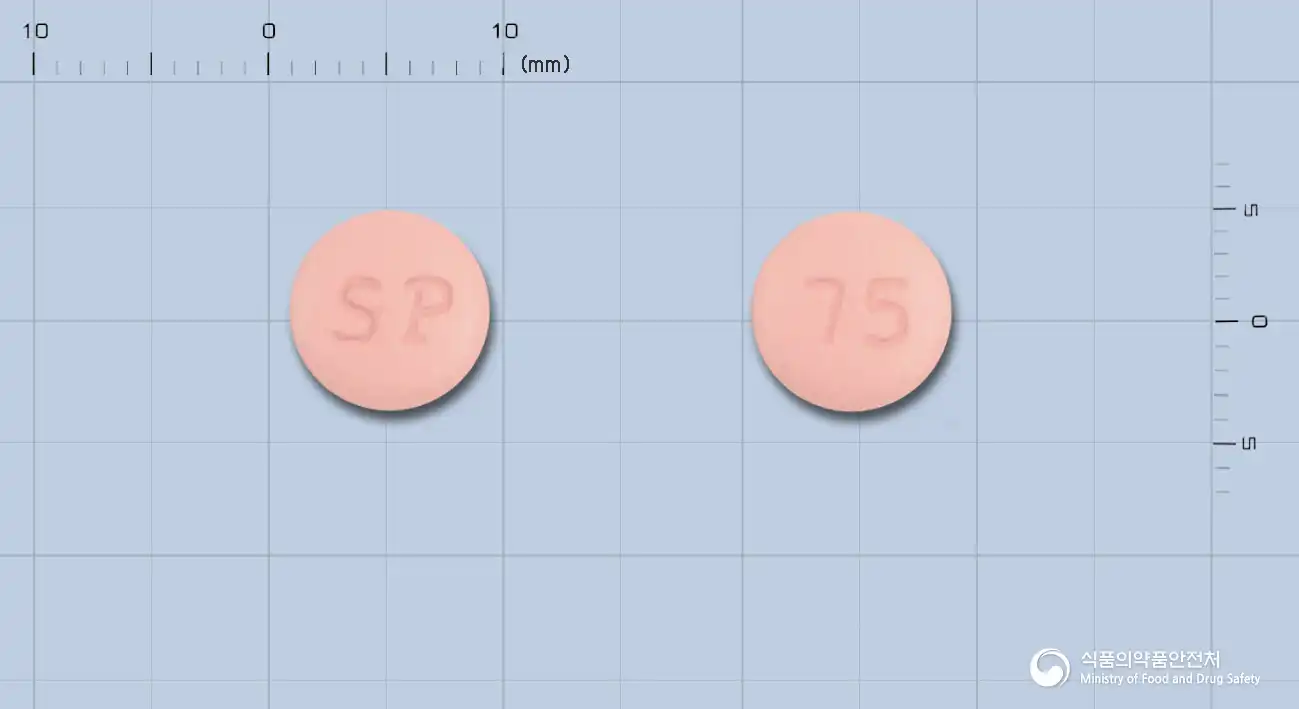
Clopidogrel Bisulfate 97.875mg
Tablet · Prescription medication
Shinpoong Pharmaceutical Co., Ltd.
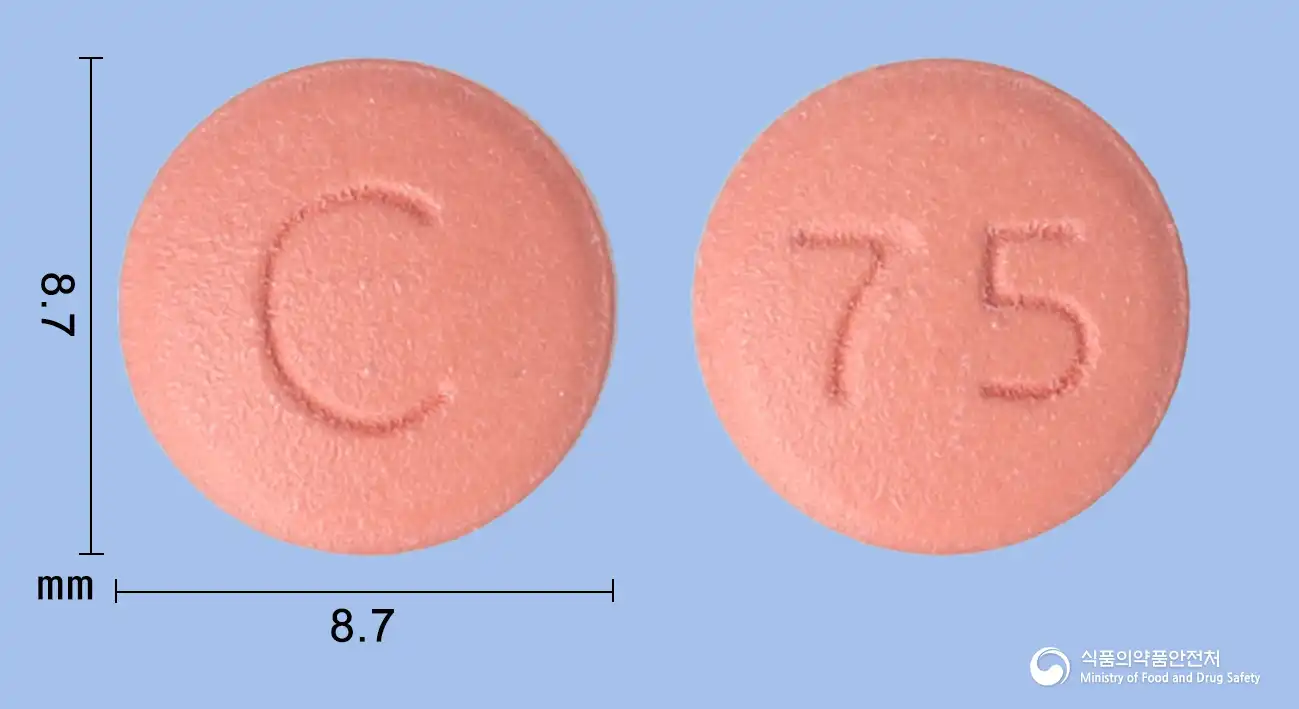
Clopidogrel Bisulfate 97.875mg
Tablet · Prescription medication
Dong-A ST Co., Ltd.
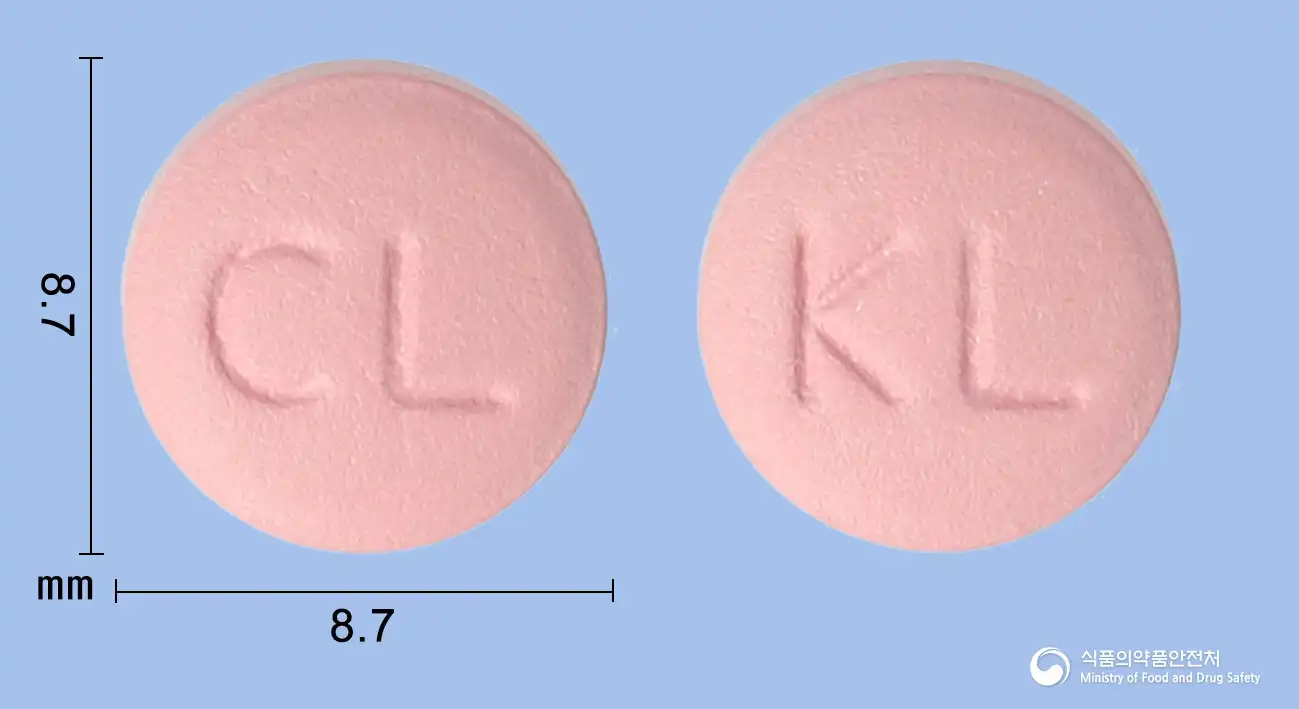
Clopidogrel Bisulfate 97.875mg
Tablet · Prescription medication
Kolon Pharmaceutical Co., Ltd.
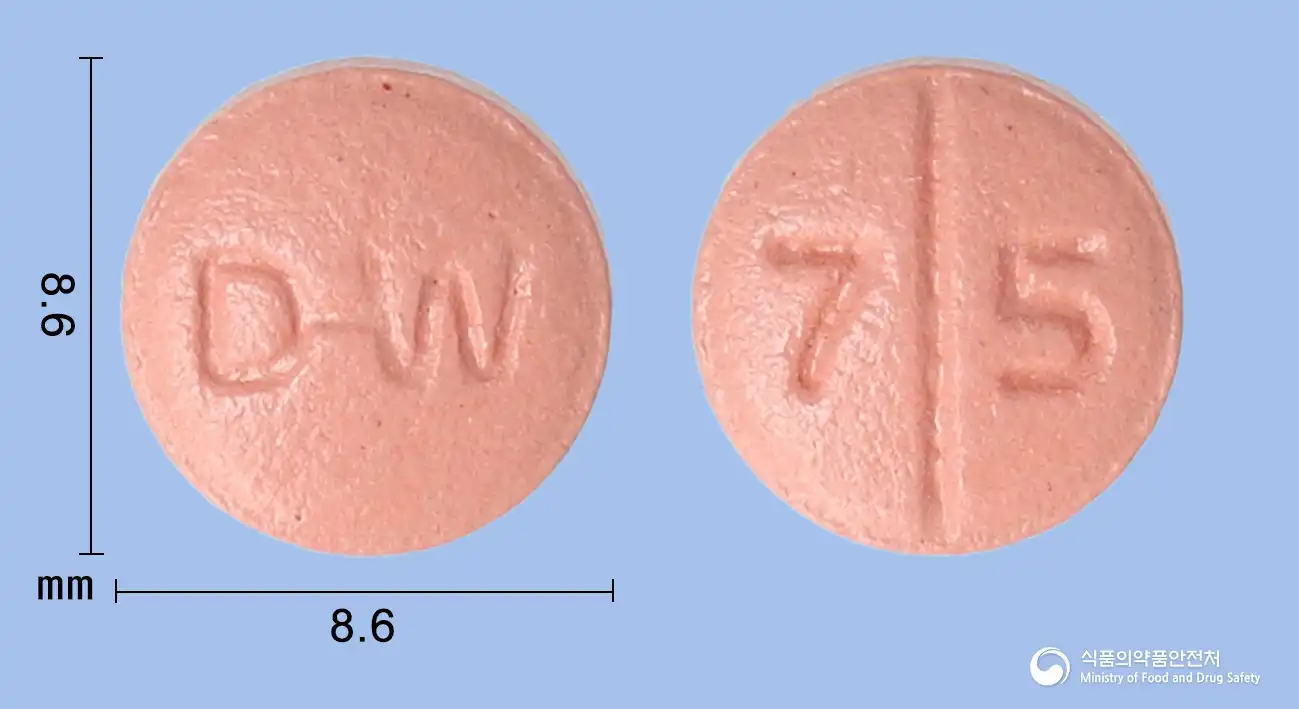
Clopidogrel Bisulfate 97.875mg
Tablet · Prescription medication
Dongwha Pharmaceutical Co., Ltd.
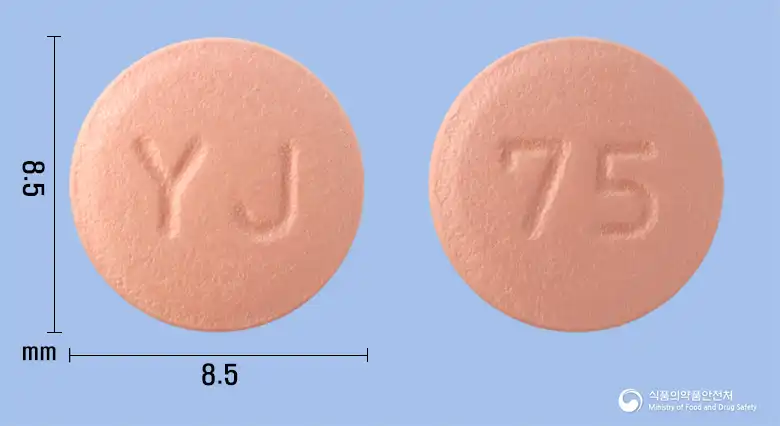
Clopidogrel Bisulfate 97.875mg
Tablet · Prescription medication
Youngjin Pharmaceutical Co., Ltd.
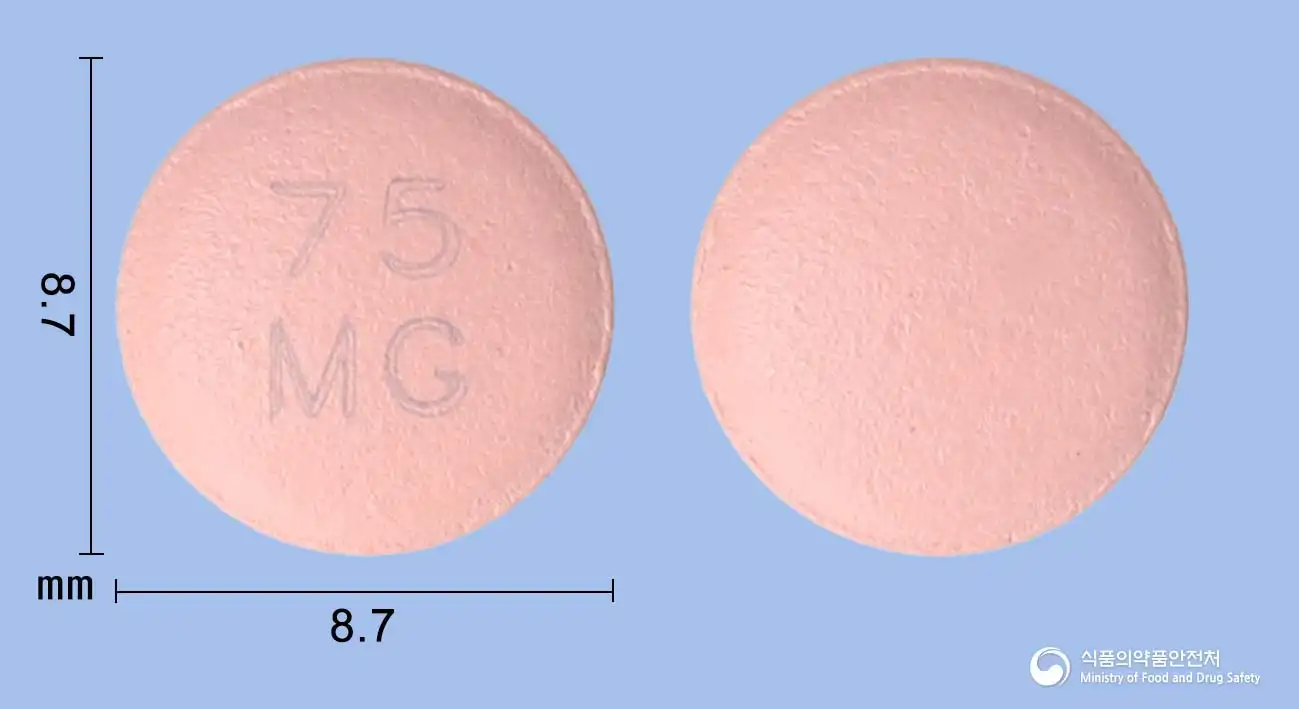
Clopidogrel Bisulfate 97.875mg
Tablet · Prescription medication
Albozen Korea Co., Ltd.
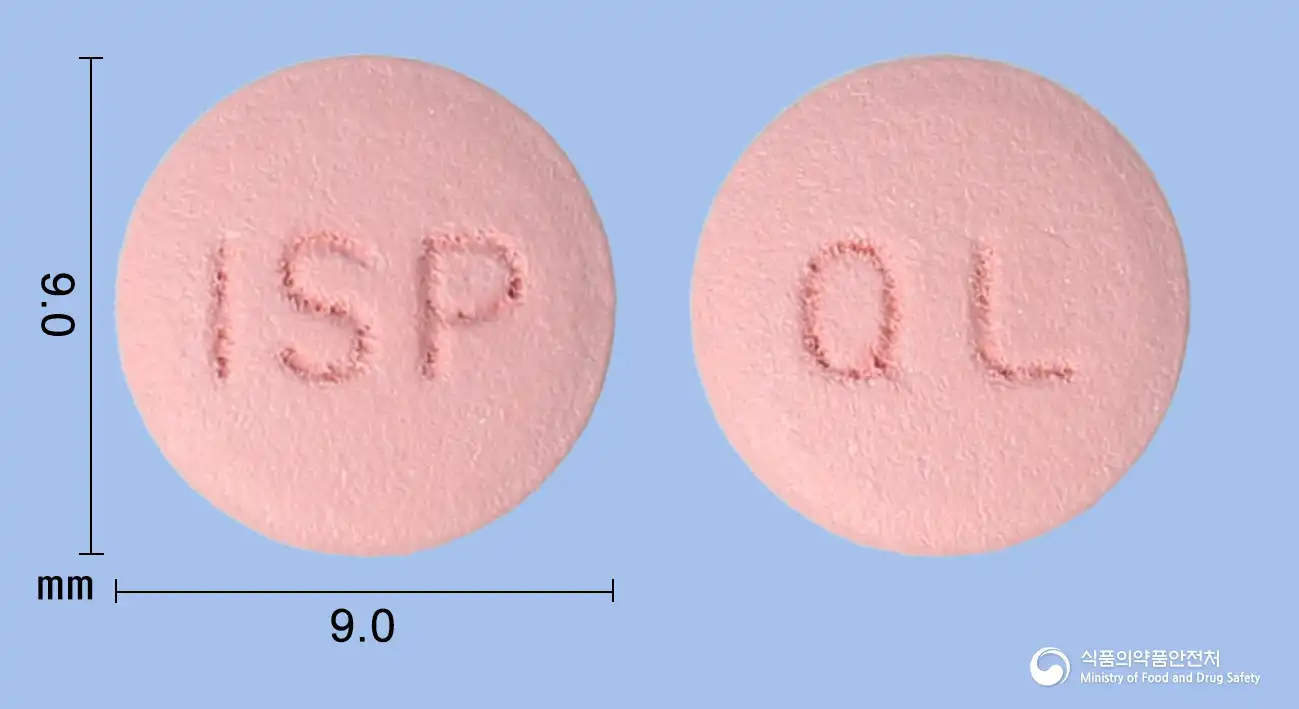
Clopidogrel Bisulfate 97.875mg
Tablet · Prescription medication
Ilsung IS Co., Ltd.
Even with the same ingredient, the dose and directions can differ by strength and dosage form. Talk to a doctor or pharmacist before switching from a medication you are already taking.
No questions yet.
For anything that needs medical judgment, consult a doctor or pharmacist.
This drug information is based on data provided by the Korea Ministry of Food and Drug Safety.
Consult a doctor or pharmacist for accurate dosage, administration, and usage instructions.