
 한국어
 English
 日本語
 中文(简体)
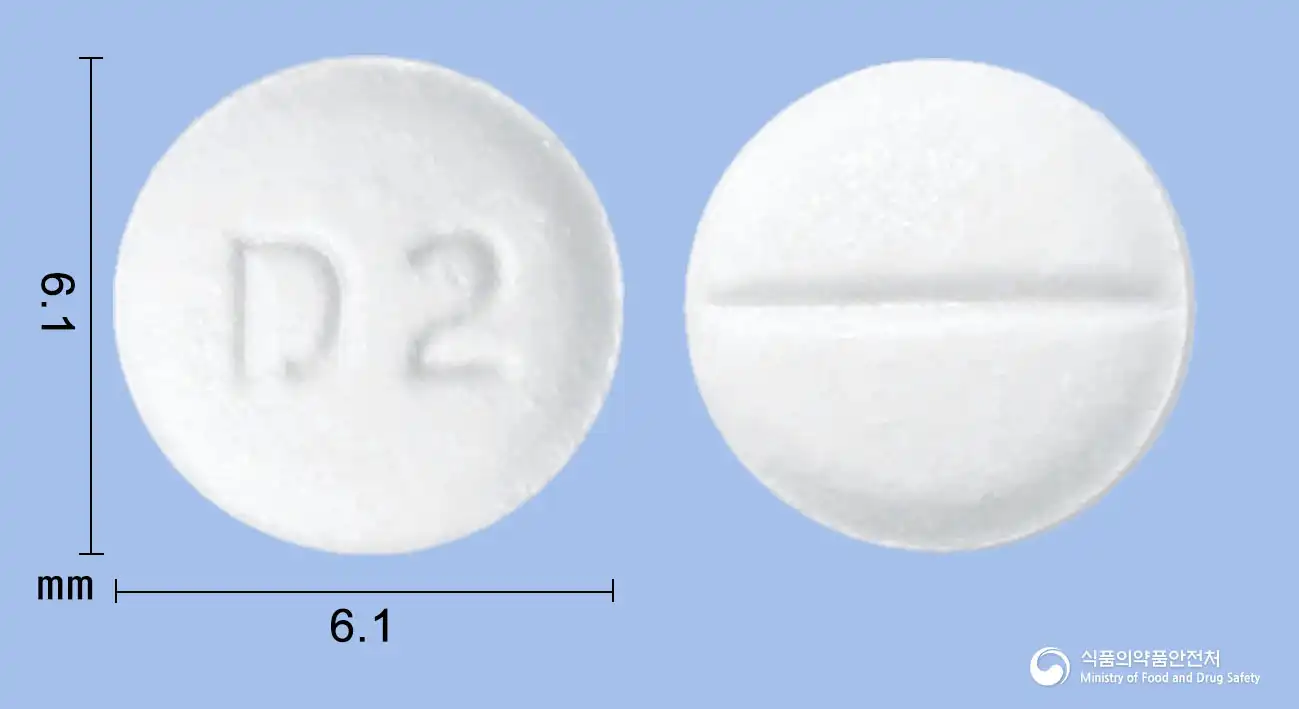 Viewing now
Enas Tablet (Epinastrine Hydrochloride)
Epinastine Hydrochloride 10mg
Tablet · Prescription medication
Eden Pharma Co., Ltd.
MFDS item code 201708494 · Approved 2017.12.21 · Insurance code 628900940
Treatment of allergic rhinitis, skin conditions (including urticaria and eczema), and bronchial asthma
This medication is used for bronchial asthma, allergic rhinitis, and various skin diseases accompanied by itching, such as urticaria, dermatitis, and eczema.
1. Asthma, urticaria, eczema/dermatitis, pruritus, pruritic rash (prurigo), and ordinary psoriasis accompanied by pruritus Adults: Administer 20 mg of epinastine hydrochloride orally once daily. The dose may be adjusted as appropriate according to symptoms. 2. Allergic rhinitis Adults: Administer 10~20 mg of this drug orally once daily. The dose may be adjusted as appropriate according to symptoms.
This medicine should not be used by those who are allergic to this medication or its ingredients. Additionally, because it contains lactose, it should not be administered to patients with genetic conditions such as galactose intolerance, lactose deficiency, or glucose-galactose malabsorption. People who are allergic to soybean oil, soya, or peanuts should also not take this medication. Patients with liver disease or a history of liver disease should be careful as liver function may deteriorate while using this medication. If rash, urticaria, swelling of the face or hands and feet, or severe itching occurs during treatment, discontinue use immediately and consult a healthcare professional. Occasionally, symptoms such as drowsiness, headache, dizziness, insomnia, and nightmares may occur, so caution is advised. Gastrointestinal symptoms such as indigestion, nausea, abdominal pain, diarrhea, or constipation may also occur. Liver function abnormalities or jaundice may occur; therefore, regular liver function tests should be conducted, and any unusual symptoms should be reported to a healthcare professional immediately. Rarely, kidney abnormalities, symptoms of cystitis, rapid heartbeat, and difficulty breathing may occur, so if these symptoms arise, visit a hospital immediately. This medication is not a fast-acting medication to relieve asthma attacks, and asthma patients should understand this well. Patients receiving long-term steroid therapy should gradually adjust their steroid dosage when taking this medication and should follow medical instructions. This medication may cause drowsiness, so it's important to be careful when driving or operating machinery. If the effects are not confirmed, it is advisable not to take it for an extended period. Women who are pregnant or may become pregnant should only use this medication if the benefits outweigh the risks, as its safety has not been established. Breastfeeding women should avoid taking this medication if possible since it can be passed through breast milk or discontinue breastfeeding. Children and elderly patients, especially those with impaired liver or kidney function, should be closely monitored as they may be more susceptible to adverse reactions. In the case of overdose, heart problems such as arrhythmias may occur, so if suspected, immediate emergency treatment should be sought. This medication should be stored out of reach of children and should not be transferred to other containers for safety. It is recommended to take this medication after meals or before bedtime, depending on the symptoms, so it is important to follow medical advice.
Allergic reactions (rash, hives, redness), itching, swelling (face, limbs, etc.), erythema accompanied by itching, drowsiness, lethargy, headache, dizziness, insomnia, nightmares, numbness, feeling of heaviness in the head, nausea, abdominal discomfort, thirst, abdominal pain, loss of appetite, vomiting, a sense of stomach fullness, a sense of stomach discomfort, diarrhea, constipation, dry lips, abdominal bloating, stomatitis, liver dysfunction, jaundice, hepatitis, exacerbation of symptoms, proteinuria, increased urination, hematuria, urinary retention, palpitations, shortness of breath, difficulty expelling phlegm, nasal congestion, thrombocytopenia, leukocytosis, gynecomastia, breast enlargement, irregular menstruation, flushing, bitter taste, taste disturbance, chest pain
Not everyone experiences these, and they can vary from person to person.
This medication must be stored in a tightly sealed container to prevent air or moisture from entering. It should be kept at room temperature between 1 to 30 degrees Celsius, avoiding excessive heat or cold.
White or pale yellow round film-coated tablets
30 tablets/bottle, 100 tablets/bottle
Even with the same ingredient, strength, dosage form and how it is taken can differ.
Viewing nowEpinastine Hydrochloride 10mg
Tablet · Prescription medication
Eden Pharma Co., Ltd.
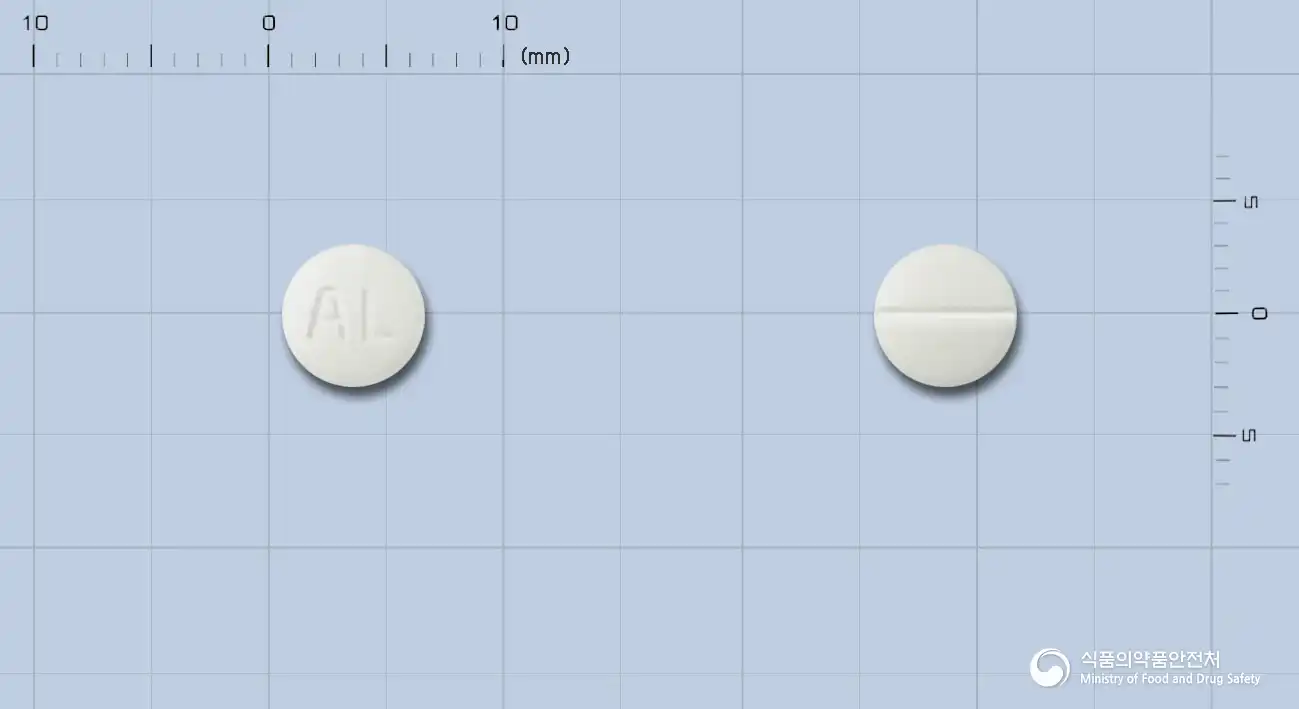
Epinastine Hydrochloride 10mg
Tablet · Prescription medication
Jeil Pharmaceutical Co., Ltd.
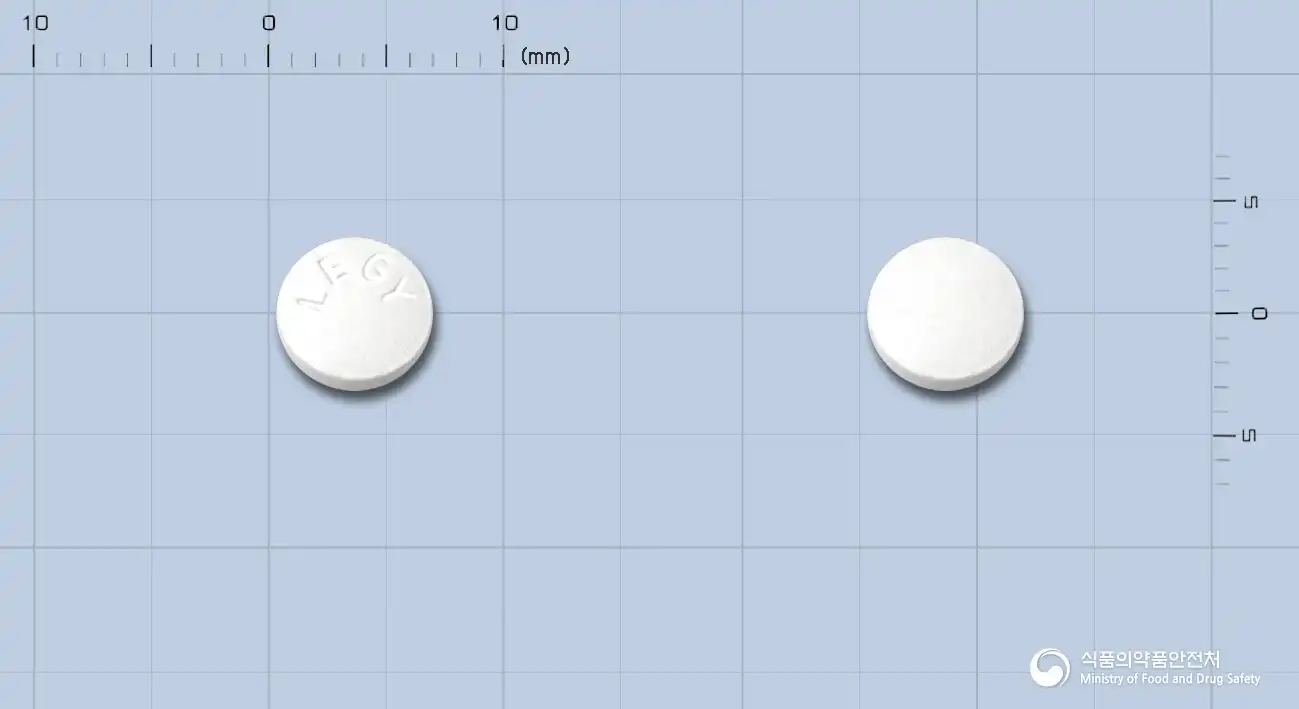
Epinastine Hydrochloride 10mg
Tablet · Prescription medication
Unimed Pharmaceutical Co., Ltd.
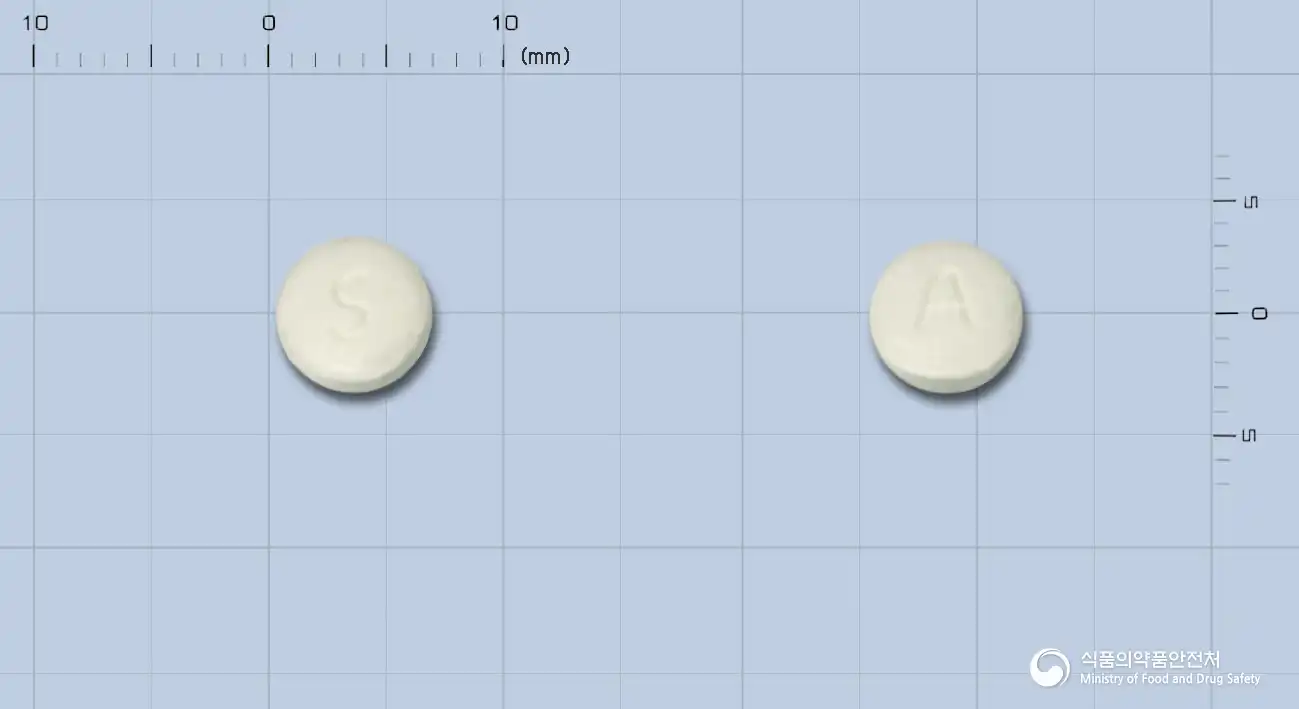
Epinastine Hydrochloride 10mg
Tablet · Prescription medication
Samchundang Pharmaceutical Co., Ltd.
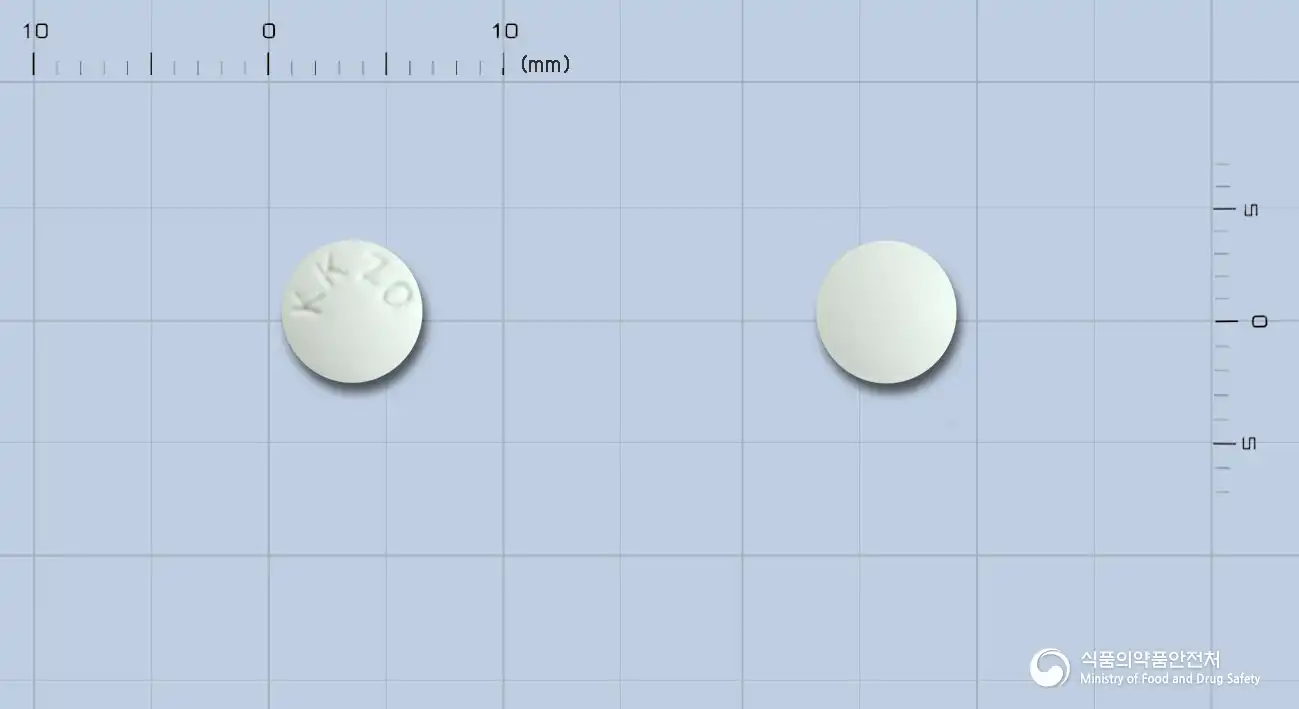
Epinastine Hydrochloride 10mg
Tablet · Prescription medication
GENEWON Science Co., Ltd.
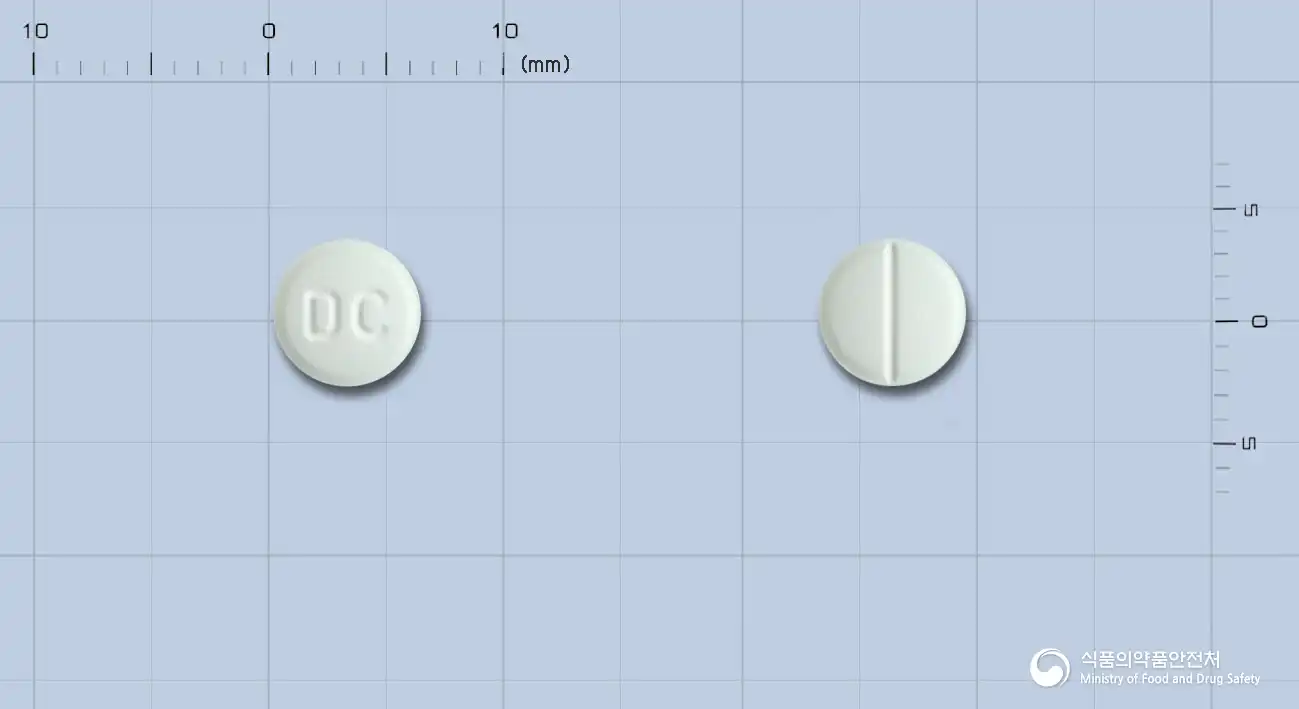
Epinastine Hydrochloride 10mg
Tablet · Prescription medication
Donggu Bio Pharmaceutical Co., Ltd.
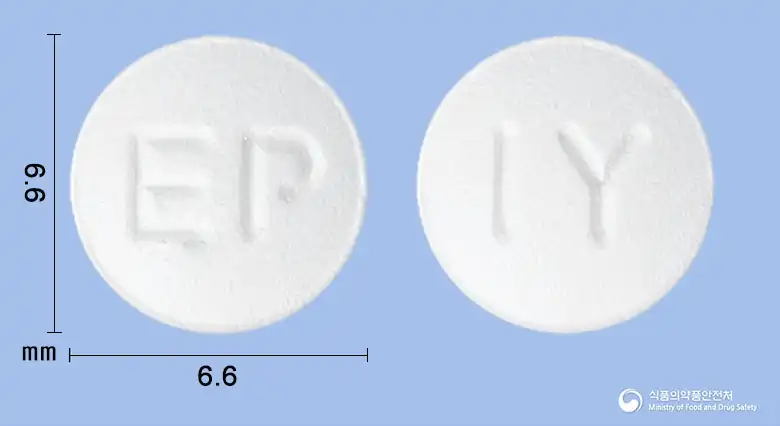
Epinastine Hydrochloride 10mg
Tablet · Prescription medication
Il Yang Pharmaceutical Co., Ltd.
Epinastine Hydrochloride 0.5mg
Eye drops · Prescription medication
AbbVie Korea Co., Ltd.
Even with the same ingredient, the dose and directions can differ by strength and dosage form. Talk to a doctor or pharmacist before switching from a medication you are already taking.
No questions yet.
For anything that needs medical judgment, consult a doctor or pharmacist.
This drug information is based on data provided by the Korea Ministry of Food and Drug Safety.
Consult a doctor or pharmacist for accurate dosage, administration, and usage instructions.