
 한국어
 English
 日本語
 中文(简体)
 Viewing now
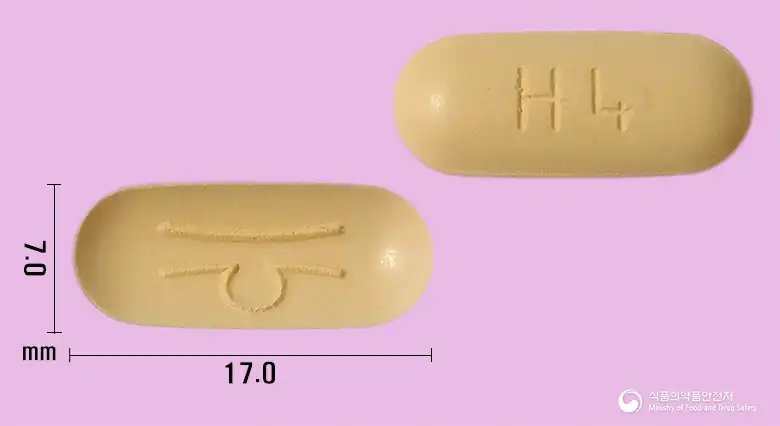
New Sintas Extended Release 200 mg (Tapentadol Hydrochloride)
Tapentadol Hydrochloride 232.96mg
Tablet · Prescription medication
BC World Pharmaceutical Co., Ltd.
MFDS item code 201708383 · Approved 2017.12.15 · Insurance code 653103860
Relief of severe chronic pain requiring ongoing opioid analgesic treatment
This medication is used to relieve severe chronic pain that requires long-term opioid analgesic treatment.
This medication must be prescribed by a specialist with extensive knowledge of managing chronic pain using opioid analgesics. As with many other analgesics that act on the central nervous system, the dosage should be adjusted for each patient, taking into account the severity of the pain being treated, previous treatment experience, and the ability to monitor the patient. This medication must be swallowed whole; do not chew or crush it. Chewing or crushing may cause the drug to be released rapidly and result in absorption of a potentially toxic amount. Swallow one tablet at a time. Immediately after placing it in the mouth, swallow it completely with plenty of water. Take this medication twice daily, approximately 12 hours apart, regardless of meals. The outer shell may not be fully digested and may be found in the stool; however, this is not clinically relevant because the active ingredient has already been absorbed into the body. 1. Initiation of treatment 1) Patients not currently taking opioid analgesics Start treatment with this medication at 50 mg twice daily. 2) Patients currently taking opioid analgesics When switching from an opioid analgesic to this medication and determining the initial dose, consider the characteristics, potency, and average daily dose of the previous medication. Discontinue all other extended-release/long-acting opioid analgesics before administering this medication. 2. Titration and maintenance After starting treatment, the dose should be individually titrated under the close supervision of the prescriber to achieve adequate analgesia while minimizing adverse effects. Clinical trial experience indicates that increasing the dose by 50 mg at 3-day intervals while maintaining twice-daily administration is an appropriate titration method. This medication has not been studied at daily doses exceeding 500 mg and is therefore not recommended at such doses. 3. Discontinuation of treatment Abrupt discontinuation of treatment with this medication may cause withdrawal symptoms. For patients who no longer need treatment with this medication, gradual dose reduction is recommended to prevent withdrawal symptoms. 4. Patients with renal impairment No dose adjustment is required in patients with mild or moderate renal impairment. This medication is not recommended for patients with severe renal impairment, as no controlled efficacy trials have been conducted in these patients. 5. Patients with hepatic impairment No dose adjustment is required in patients with mild hepatic impairment. This medication should be administered with caution to patients with moderate hepatic impairment. Treatment in these patients should be initiated at 50 mg, and administration should not be more frequent than once every 24 hours. Thereafter, the dosing interval should be shortened or lengthened, as tolerated, to maintain analgesic efficacy. This medication has not been studied in patients with severe hepatic impairment and is therefore not recommended for these patients. 6. Older patients (65 years and older) In general, the recommended dose for older patients with normal renal and hepatic function is the same as that for younger adults with normal renal and hepatic function. Since older patients are more likely to have decreased renal and hepatic function, use caution when selecting the dose according to the recommendations.
Under 18 years: Use is not recommended because safety and efficacy have not been established.
This medication may lead to tolerance when used repeatedly, and there is a risk of addiction or dependence known as opioid use disorder. Therefore, care should be taken to avoid misuse or intentional improper use, which could lead to overdose or in severe cases, death. Particularly, patients with a history of alcohol use disorder, mental health issues, or smoking have a higher risk, and should be closely monitored for unusual behavior or symptoms while using the medication. This medication may suppress respiration when used at high doses or in sensitive individuals; therefore, caution is advised for patients with respiratory diseases or weak respiratory function. Prolonged use during pregnancy may lead to withdrawal symptoms in the newborn, so pregnant women should consult a physician. Additionally, taking this medication alongside benzodiazepines or other central nervous system depressants such as alcohol can lead to severe sedation, respiratory suppression, or coma, so caution is crucial when used together. This medication should not be given to certain patients, including those with allergies to the medication or its components, severe respiratory suppression, acute asthma, paralytic ileus, acute intoxication, and those currently on MAO inhibitors. Special caution is needed when administering this medication to patients with severely impaired kidney or liver function, hypotension, biliary disease, or a history of seizures. Common side effects while taking this medication may include dizziness, drowsiness, nausea, constipation, headache, and for severe cases, respiratory suppression, mental disturbance, or allergic reactions may occur. If medication is suddenly discontinued, withdrawal symptoms may occur, so it should be tapered gradually according to a physician's instructions. The risk of side effects may increase when taken with other central nervous system depressants; therefore, if you are taking other medications, it is essential to inform your physician. Pregnant or breastfeeding women should use this medication with caution, considering its potential risks, especially during breastfeeding, since the drug may pass into breast milk. In the case of overdose, severe respiratory suppression, consciousness disturbance, convulsions, etc., may occur, requiring immediate medical treatment, and if necessary, the opioid antagonist naloxone may need to be administered.
Drug hypersensitivity, decreased appetite, weight loss, sleep disorders, anxiety, depressed mood, restlessness, fidgeting, strange dreams, cognitive impairment, disorientation, agitation, confusion, feeling fortunate, panic attacks, drug dependence, abnormal thoughts, delirium, dizziness, headache, drowsiness, involuntary muscle contraction, tremors, attention deficit, perceptual disturbances, sensory impairment, balance disorders, sedation, syncope, memory impairment, mental abnormalities, decreased level of consciousness, speech disorders, coordination issues, total syncope, seizures, visual impairment, increased heart rate, decreased heart rate, palpitations, flushing, decreased blood pressure, dyspnea, respiratory depression, nausea, constipation, vomiting, diarrhea, dyspepsia, abdominal discomfort, pruritus, hyperhidrosis, rash, urticaria, urinary hesitance, frequent urination, sexual dysfunction, fatigue, mucosal dryness, asthenia, feeling changes in body temperature, edema, drug withdrawal syndrome, irritability, strange sensation, feeling intoxicated, relaxation, angioedema, anaphylaxis, anaphylactic shock, suicidal ideation, ascites, abdominal pain, abdominal distension, hematemesis, pneumonia, bacteremia, septicemia, pulmonary septicemia, asthenia, pulmonary inflammation, hemoptysis, pleural effusion, arrhythmia, anxiety, completed suicide, fever, cough, neutropenia, anemia, back pain, peripheral neuropathy, abdominal pain, odynophagia, stomatitis, epigastric pain, intestinal obstruction, passage of blood in stool, oral discomfort, dysphagia, gastroesophageal reflux disease, dry mouth, rectal pain, anal fissure, melena, upper respiratory infection, urinary tract infection, infectious cholecystitis, oral candidiasis, acute pyelonephritis, bronchitis, herpes simplex, cholangitis, herpes zoster, bronchiolitis, nasopharyngitis, varicella zoster virus infection, urethritis, gastroenteritis, pharyngitis, stoma site infection, periapical periodontitis, dental pulpitis, catheter site infection, pulmonary inflammation, wet cough, runny nose, oropharyngeal pain, bronchial obstruction, pneumothorax, hiccups, wheezing, pulmonary edema, febrile neutropenia, pancytopenia, eosinophilia, hypoalbuminemia, hypokalemia, hyperkalemia, decreased intake, hypoglycemia, diabetes, diabetic ketoacidosis, glucose load intolerance, steroid-induced diabetes, cachexia, hyponatremia, hypomagnesemia, hypophosphatemia, hypocalcemia, flank pain, bone pain, musculoskeletal pain, tendinitis, cervical pain, arthralgia, muscle weakness, limb pain, spinal canal stenosis, cancer pain, peripheral sensory neuropathy, sleep seizures, decreased neutrophil count, decreased platelet count, increased liver function tests, increased aspartate aminotransferase, increased alanine aminotransferase, increased serum alkaline phosphatase, abnormal chest X-ray findings, alopecia, palmoplantar erythrodysesthesia syndrome, papules, diaphoresis, skin lesions, dermatitis, erythema, orthostatic hypotension, hypertension, peripheral circulation insufficiency, peripheral ischemia, deep vein thrombosis, depression, panic disorder, hallucinations, non-infectious cystitis, dysuria, hydronephrosis, urgency, eye inflammation, diplopia, pelvic fractures, post-traumatic pain, hearing loss, pelvic pain, colon resection, miosis, vomiting, cardiovascular collapse, conscious disturbance leading to maximum coma, seizures, severe respiratory depression leading to respiratory failure
Not everyone experiences these, and they can vary from person to person.
This medication must be stored in a tightly sealed container to avoid exposure to air or moisture. It is important to maintain a storage temperature between 1 and 30 degrees Celsius. This will help maintain the medication's efficacy for a longer period.
Light orange rectangular extended release tablet
30 tablets (10 tablets * 3 PTP) / box
Even with the same ingredient, strength, dosage form and how it is taken can differ.
Viewing nowTapentadol Hydrochloride 232.96mg
Tablet · Prescription medication
BC World Pharmaceutical Co., Ltd.
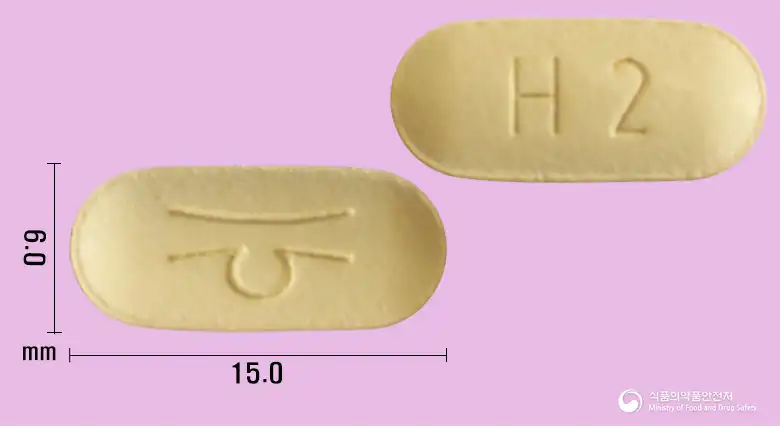
Tapentadol Hydrochloride 116.48mg
Tablet · Prescription medication
BC World Pharmaceutical Co., Ltd.
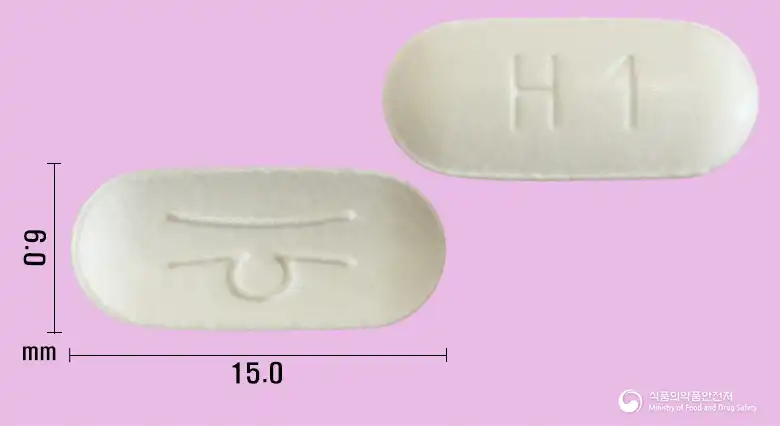
Tapentadol Hydrochloride 58.24mg
Tablet · Prescription medication
BC World Pharmaceutical Co., Ltd.
Tapentadol Hydrochloride 174.72mg
Tablet · Prescription medication
Korea Janssen Co., Ltd.
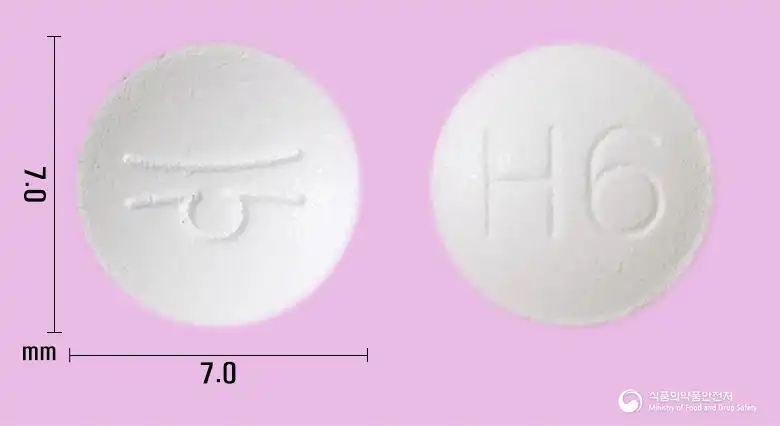
Tapentadol Hydrochloride 58.24mg
Tablet · Prescription medication
BC World Pharmaceutical Co., Ltd.
Even with the same ingredient, the dose and directions can differ by strength and dosage form. Talk to a doctor or pharmacist before switching from a medication you are already taking.
No questions yet.
For anything that needs medical judgment, consult a doctor or pharmacist.
This drug information is based on data provided by the Korea Ministry of Food and Drug Safety.
Consult a doctor or pharmacist for accurate dosage, administration, and usage instructions.