
 한국어
 English
 日本語
 中文(简体)
 Viewing now
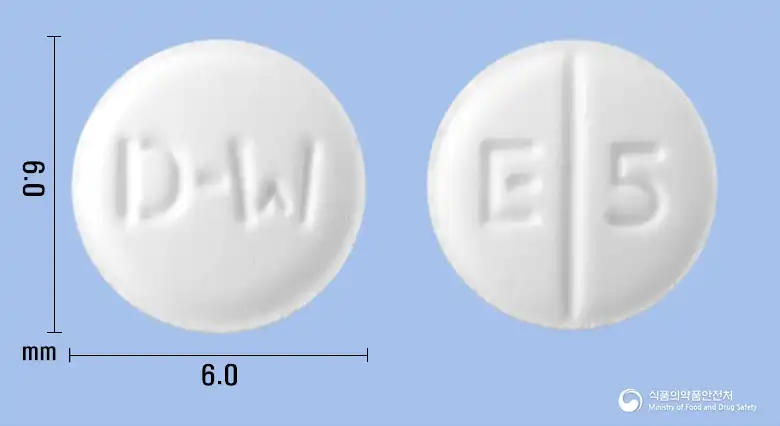
Etalop Tablet 5mg (Escitalopram Oxalate)
Escitalopram Oxalate 6.39mg
Tablet · Prescription medication
Donghwa Pharmaceutical Co., Ltd.
MFDS item code 201708044 · Approved 2017.11.23 · Insurance code 642706520
Treatment of major depressive disorder, anxiety disorders (panic disorder, social anxiety disorder, etc.), and obsessive-compulsive disorder
This medication is used to treat various psychiatric symptoms including Major Depressive Disorder, Panic Disorder with or without Agoraphobia, Social Anxiety Disorder (Social Phobia), Generalized Anxiety Disorder, and Obsessive-Compulsive Disorder.
The safety of doses exceeding 20mg per day has not been established. This medicine is administered once daily, in the morning or evening, regardless of meals. (1) Major depressive disorder: The usual dose is 10mg once daily. The dose may be increased to a maximum of 20mg per day depending on the patient's response. If the dose is to be increased to 20mg, it should be done at intervals of at least 1 week. In general, 2-4 weeks are needed for antidepressants to take effect. Even after symptoms have resolved, drug treatment for at least 6 months is required to ensure the therapeutic effect. (2) Panic disorder with or without agoraphobia: The recommended initial dose is 5mg per day for 1 week, followed by an increase to 10mg per day. The dose may be increased to a maximum of 20mg per day depending on the patient's response. The maximum effect appears after approximately 3 months. The safety and efficacy of this medicine when administered for more than 10 weeks in the treatment of panic disorder have not been systematically studied. The physician should periodically reassess each patient to determine the need for continued treatment. (3) Social anxiety disorder: The usual dose is 10mg once daily. In general, 2-4 weeks are needed for symptoms to improve. Thereafter, depending on the patient's response, the dose may be reduced to 5mg per day or increased to a maximum of 20mg per day. Social anxiety disorder is a chronic condition, and continued treatment for 12 weeks is recommended to ensure a therapeutic effect. Long-term treatment of responding patients has been studied for 6 months and should be considered on an individual patient basis to prevent relapse. The usefulness of long-term treatment should be reassessed regularly. (4) Generalized anxiety disorder: The initial dose is 10mg once daily. Depending on the patient's response, the dose may be increased to a maximum of 20mg per day after at least 1 week of treatment. A long-term treatment study was conducted in patients who responded to 12 weeks of open-label treatment, with 20mg per day administered for at least 6 months. The physician should regularly reassess the usefulness of long-term treatment with this medicine for each patient. (5) Obsessive-compulsive disorder: The usual dose is 10mg once daily. The dose may be increased to a maximum of 20mg per day depending on the patient's response. A long-term treatment study was conducted in patients who responded to 16 weeks of open-label treatment, with 10mg or 20mg per day administered for at least 24 weeks. Because obsessive-compulsive disorder is a chronic condition, this medicine should be administered for a sufficient period to ensure resolution of symptoms. When this medicine is administered long term, the usefulness and dose should be reassessed regularly for each patient. 2) Patients with renal impairment No dose adjustment is necessary in patients with mild or moderate renal impairment. Caution should be exercised in patients with severe renal impairment (CLCR < 30mL/min). 3) Patients with hepatic impairment An initial dose of 5mg per day for the first 2 weeks is recommended. The dose may be increased to 10mg per day depending on the patient's response. 4) Discontinuation of treatment When discontinuing this medicine, the dose should be gradually reduced over at least 1-2 weeks to avoid the possible occurrence of withdrawal symptoms. 5) Switching from MAO inhibitors used to treat psychiatric disorders When discontinuing an MAO inhibitor used to treat psychiatric disorders and starting treatment with this medicine, an interval of at least 14 days should be allowed. Conversely, when starting an MAO inhibitor to treat psychiatric disorders, at least 14 days should have elapsed after discontinuing this medicine. 6) Other MAO inhibitors, such as linezolid or methylene blue Patients receiving linezolid or intravenous methylene blue should not start this medicine because of the increased risk of serotonin syndrome. In patients requiring more urgent treatment for a psychiatric condition, including hospitalization or other interventional procedures, treatment should be considered. It may be necessary to urgently administer linezolid or intravenous methylene blue to a patient already receiving this medicine. If there is no alternative to linezolid or intravenous methylene blue and the benefits of treatment with linezolid or intravenous methylene blue are judged to outweigh the risk of serotonin syndrome in a particular patient, this medicine may be stopped immediately and linezolid or intravenous methylene blue administered. The patient should be monitored for symptoms of serotonin syndrome for 2 weeks after administration of linezolid or intravenous methylene blue, or for 24 hours after the last dose, whichever occurs first. Treatment with this medicine may be resumed 24 hours after the last dose of linezolid or intravenous methylene blue. The risk associated with non-intravenous administration (oral tablets or local injection) of methylene blue or intravenous administration of this medicine at doses of 1mg/kg or less is unclear. Nevertheless, clinicians should be aware of the possibility of emergency symptoms of serotonin syndrome with these uses.
This medication is an antidepressant used for the treatment of psychiatric disorders such as major depression. This medication may increase the risk of suicidal thoughts or behaviors in children, adolescents, and young adults aged 18 to 24; therefore, when administering to patients in this age group, doctors must carefully weigh the risks and benefits. This medication should not be administered to patients who are allergic to the active ingredient or other ingredients, or who are taking MAO inhibitors, pimozide, or drugs that cause QT interval prolongation. Patients with angle-closure glaucoma or a history of glaucoma should be careful as this medication can dilate pupils and increase intraocular pressure. During the use of this medication, various side effects such as anxiety, insomnia, dizziness, nausea, headache, and sexual dysfunction may occur, especially within the first 1-2 weeks of treatment. This medication can affect blood sugar control, so diabetic patients should regularly check their blood sugar levels. During treatment, abnormal behavioral changes such as suicidal thoughts or actions, aggression, and impulsivity should be closely monitored, and family members or guardians should observe the patient well and consult a doctor immediately if there are any abnormal symptoms. This medication may cause withdrawal symptoms such as dizziness, anxiety, and sleep disturbances if stopped suddenly, so the dosage should be gradually reduced according to a doctor's instructions. Patients with heart disease or a risk of QT interval prolongation may need an ECG before and during the use of this medication. Pregnant or breastfeeding women should consult their doctor as this medication may affect the newborn, and breastfeeding should be avoided or discontinued while taking this medication. This medication may interact with other drugs, so patients must inform their doctor or pharmacist of any medications they are taking, particularly when combined with MAO inhibitors, anticoagulants, certain antipsychotics, some antibiotics, etc. Care should be taken while driving or operating machinery as this medication can affect mental function. This medication is not recommended for use in children and adolescents as its safety and efficacy have not been established. Elderly patients should start with a lower initial dose and the increase should be done cautiously. In case of overdose, central nervous system, gastrointestinal, and cardiovascular symptoms may occur, and immediate medical attention should be sought for proper treatment. This medication should be kept out of reach of children, and transferring it to another container should be avoided as it may affect quality.
Thrombocytopenia, anaphylactic reaction, inappropriate secretion of antidiuretic hormone, hyperprolactinemia, decreased appetite, increased appetite, weight gain, weight loss, hyponatremia, anorexia, anxiety, restlessness, abnormal dreams, decreased libido, sexual dysfunction, bruxism, agitation, hypersensitivity, panic attacks, confusional state, aggression, depersonalization, hallucinations, mania, suicidal ideation, suicidal behavior, insomnia, drowsiness, dizziness, paresthesia, tremors, taste disturbances, sleep disorders, syncope, serotonin syndrome, movement disorders, dyskinesia, convulsions, psychomotor agitation, mydriasis, visual impairment, tinnitus, tachycardia, bradycardia, QT interval prolongation, polymorphic ventricular tachycardia, orthostatic hypotension, sinusitis, yawning, epistaxis, nausea, diarrhea, constipation, vomiting, dry mouth, gastrointestinal bleeding, hepatitis, abnormal liver function tests, increased sweating, urticaria, hair loss, rash, pruritus, petechiae, angioedema, arthralgia, myalgia, rhabdomyolysis, urinary retention, ejaculation dysfunction, erectile dysfunction, uterine bleeding, menorrhagia, galactorrhea, postpartum hemorrhage, fatigue, fever, edema, headache, xerostomia, abdominal pain, dyspepsia, enteritis, sensory disturbances, cough, asthma, dyspnea, fractures, palpitations, hypertension, paralysis, extrapyramidal disorder, migraine, chest pain, frequency of urination, tremor, dry mouth, heartburn, sedation, anxiety, visual hallucinations, insomnia, agitation, tremors, confusion, sweating, diarrhea, emotional instability, irritability, visual impairment, hypokalemia, hypomagnesemia, hypotension
Not everyone experiences these, and they can vary from person to person.
This medication is sensitive to air and moisture, so it should be stored in a tightly closed container. It is also safe to store it at room temperature, ideally between 1 degree and 30 degrees Celsius.
White round film-coated tablet
30 tablets/bottle, 100 tablets/bottle
Even with the same ingredient, strength, dosage form and how it is taken can differ.
Viewing nowEscitalopram Oxalate 6.39mg
Tablet · Prescription medication
Donghwa Pharmaceutical Co., Ltd.
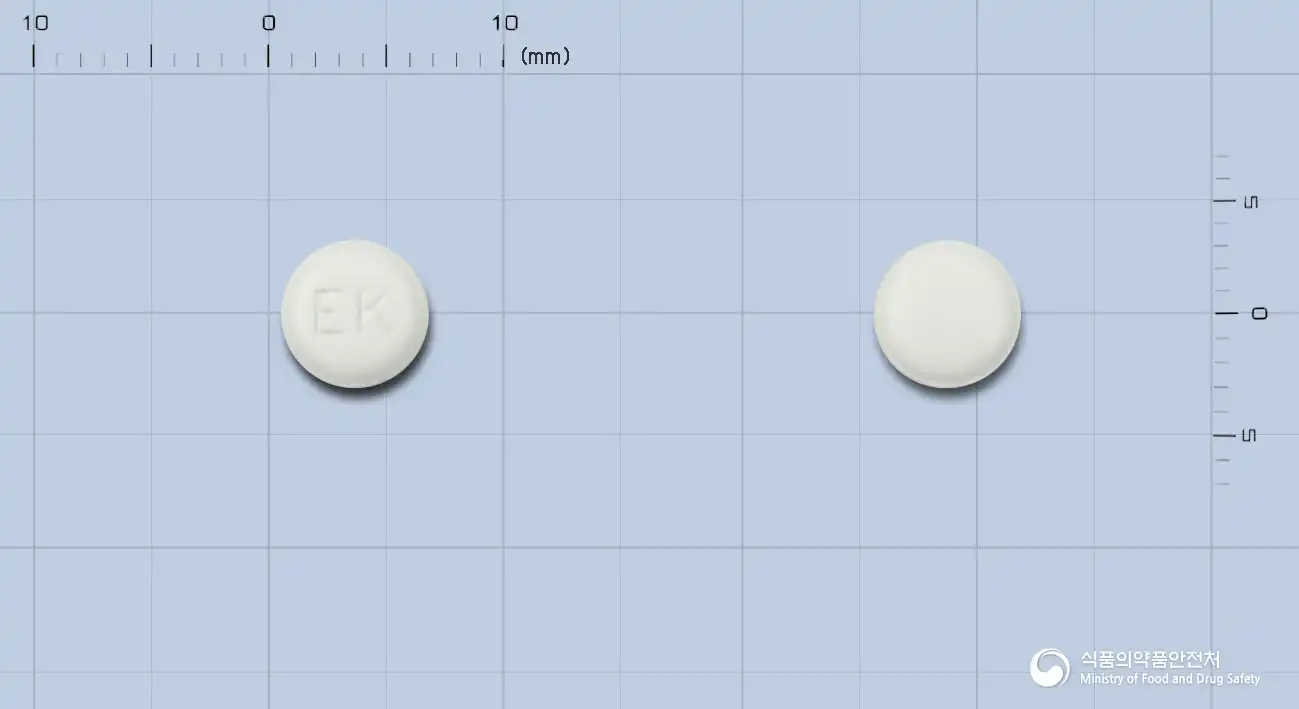
Escitalopram Oxalate 6.39mg
Tablet · Prescription medication
Lundbeck Korea Co., Ltd.
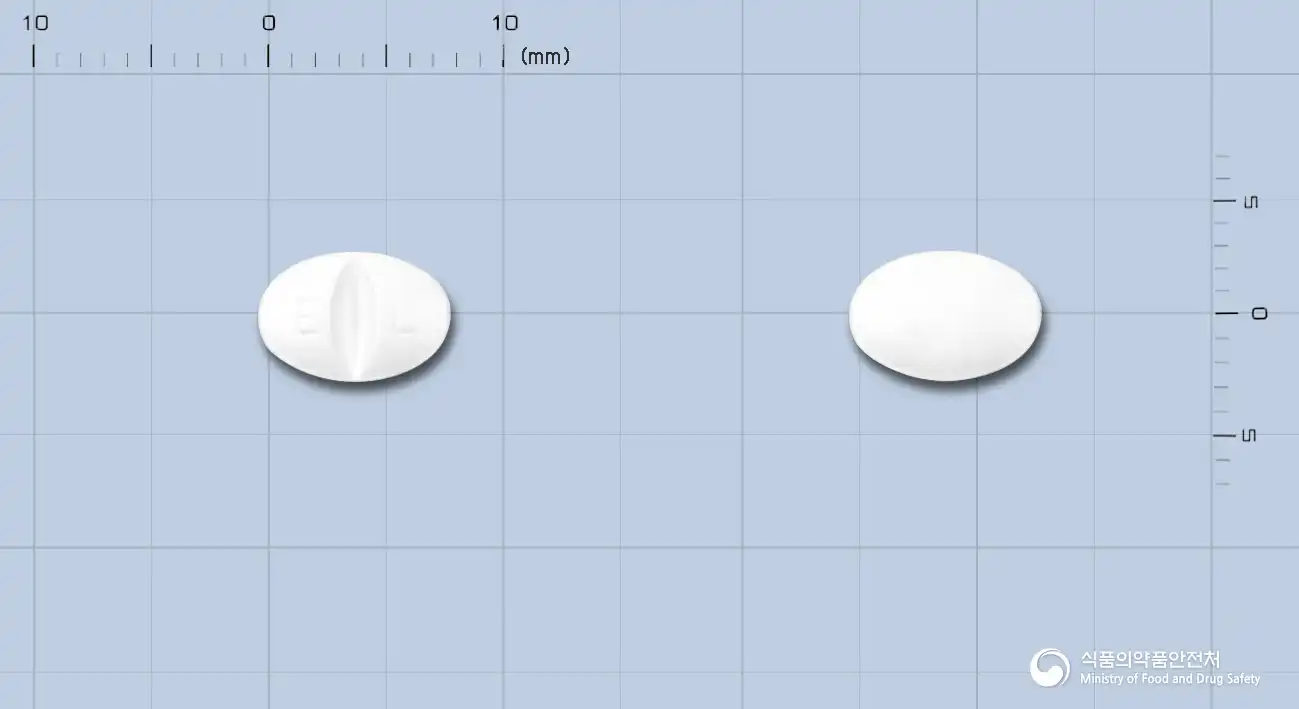
Escitalopram Oxalate 12.77mg
Tablet · Prescription medication
Hanmi Pharmaceuticals Co., Ltd.
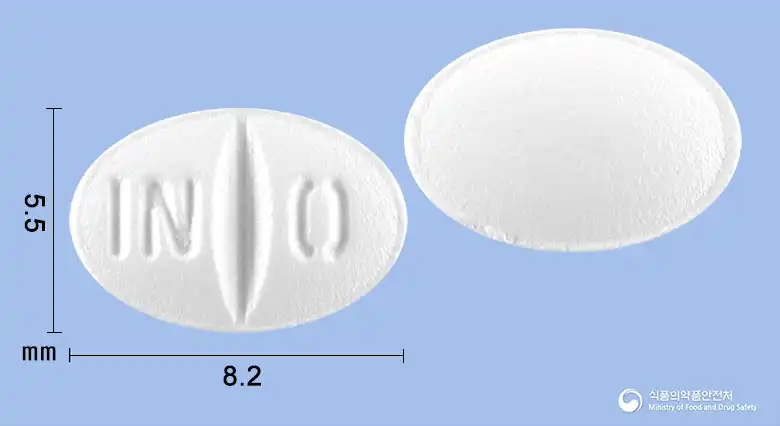
Escitalopram Oxalate 12.77mg
Tablet · Prescription medication
HK inno.N Co., Ltd.
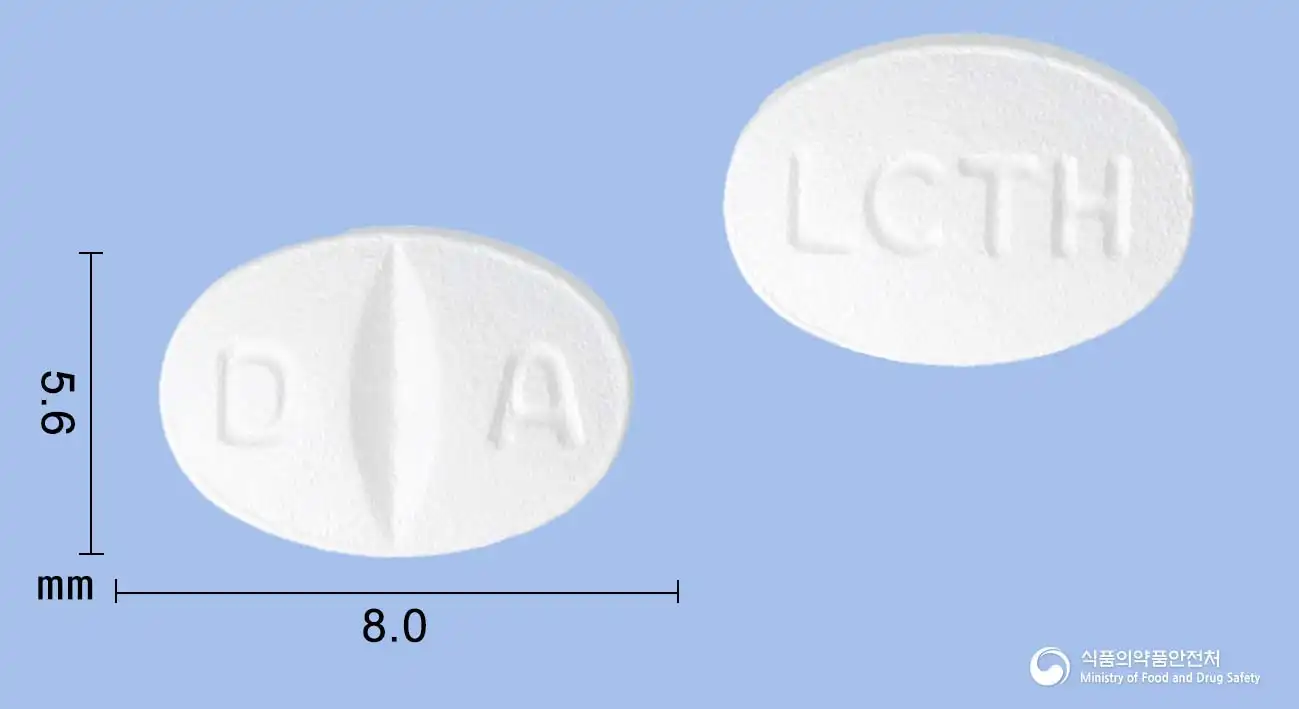
Escitalopram Oxalate 12.77mg
Tablet · Prescription medication
Dong-A ST Co., Ltd.
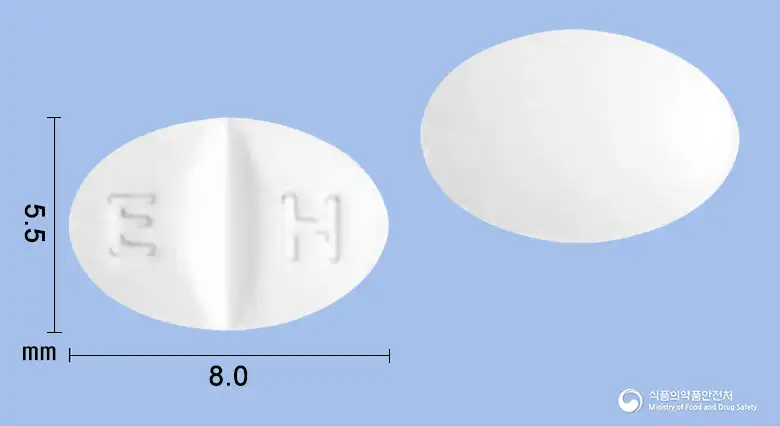
Escitalopram Oxalate 12.77mg
Tablet · Prescription medication
Hyundai Pharmaceutical Co., Ltd.
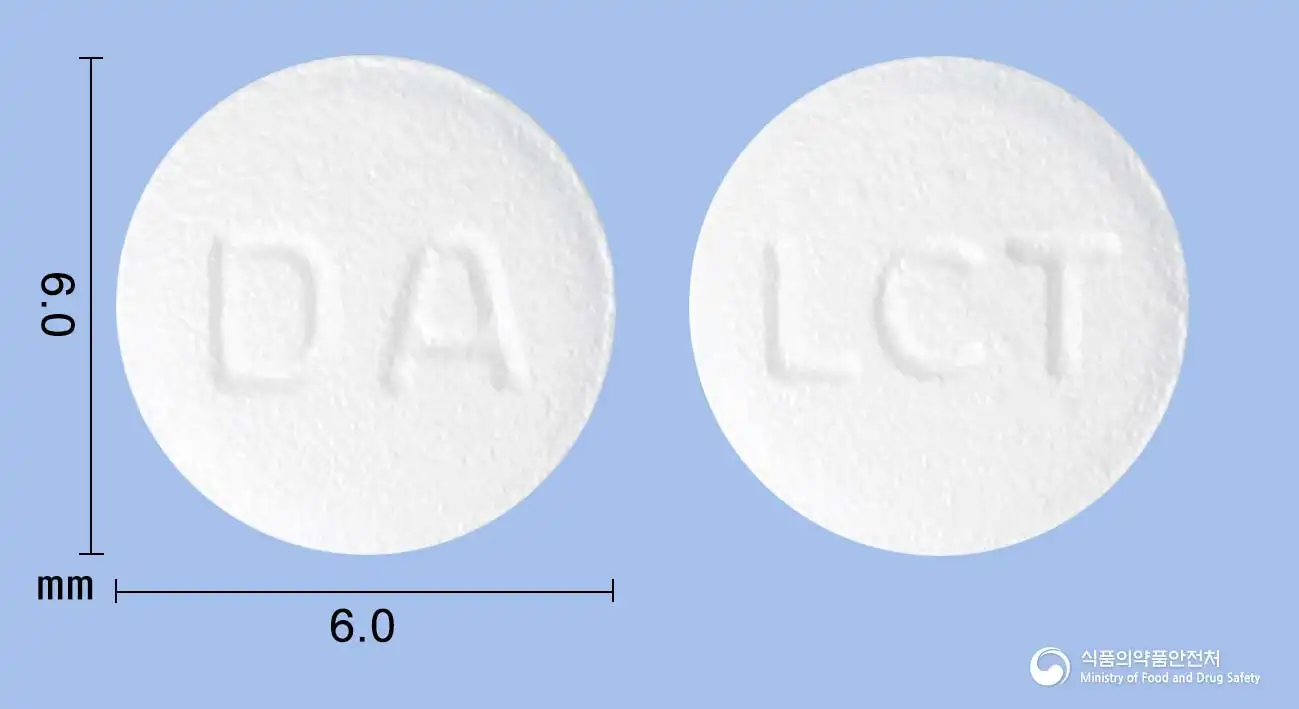
Escitalopram Oxalate 6.39mg
Tablet · Prescription medication
Dong-A ST Co., Ltd.
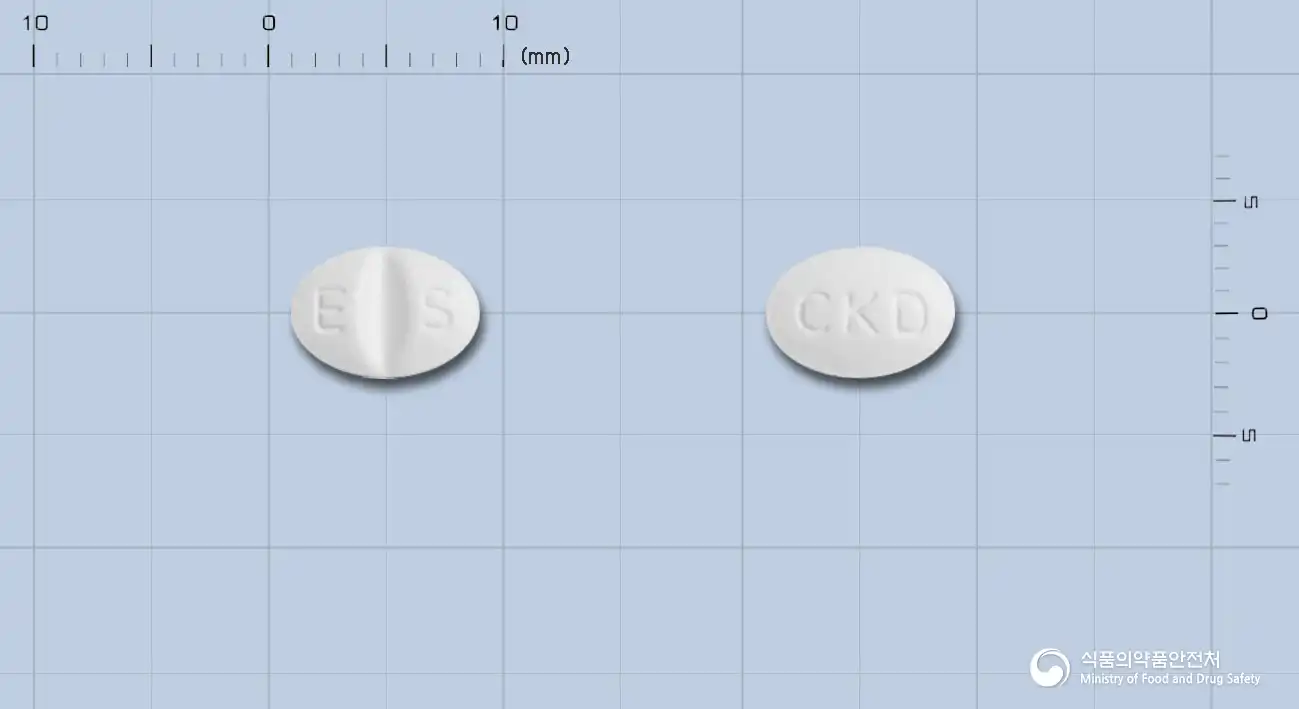
Escitalopram Oxalate 12.77mg
Tablet · Prescription medication
Jongkundang Co., Ltd.
Even with the same ingredient, the dose and directions can differ by strength and dosage form. Talk to a doctor or pharmacist before switching from a medication you are already taking.
No questions yet.
For anything that needs medical judgment, consult a doctor or pharmacist.
This drug information is based on data provided by the Korea Ministry of Food and Drug Safety.
Consult a doctor or pharmacist for accurate dosage, administration, and usage instructions.