
 한국어
 English
 日本語
 中文(简体)
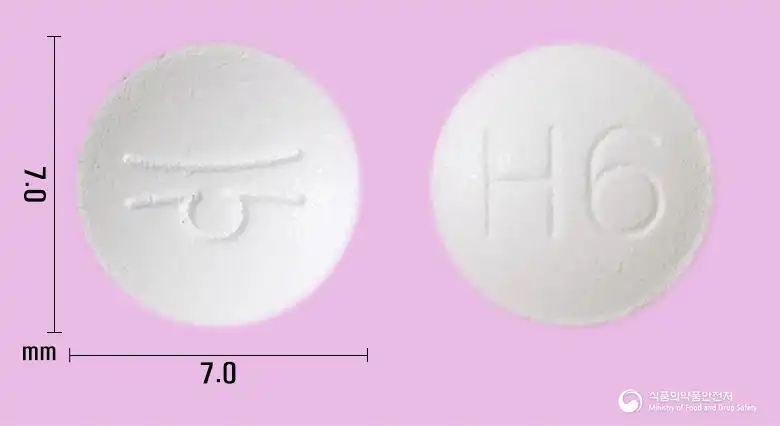 Viewing now
New Sintai IR Tablet 50 mg (Tapentadol Hydrochloride)
Tapentadol Hydrochloride 58.24mg
Tablet · Prescription medication
BC World Pharmaceutical Co., Ltd.
MFDS item code 201707914 · Approved 2017.11.16 · Insurance code 653103870
Relief of moderate to severe acute pain requiring opioid analgesics
This medication is used to relieve acute pain ranging from moderate to severe. It effectively reduces pain quickly through narcotic analgesic effects, alleviating the patient's suffering. It is effective in post-operative pain, trauma, and severe pain scenarios. The medication helps support the patient's rapid recovery and return to daily life. It aids in safe pain control and improves quality of life.
1. As with many other analgesics acting on the central nervous system, the dosage should be individualized according to the severity of the pain being treated, previous treatment experience, and the feasibility of patient monitoring. This medicine should be taken with sufficient water and may be taken with or without food. 2. Initiate treatment with 50mg every 4~6 hours. Treatment may be initiated with 75mg or 100mg, taking into account the patient's pain intensity and the analgesics previously administered. On the first day of treatment, if pain is not controlled, a second dose may be taken one hour after the first dose. Thereafter, the usual dose is 50~100mg every 4~6 hours, adjusted to maintain adequate analgesia within the range of acceptable tolerability. Doses exceeding a total of 700mg on the first day of treatment or 600mg daily as a maintenance dose have not been studied and are not recommended. 3. Discontinuation of treatment Abrupt discontinuation of treatment with this medicine may cause withdrawal symptoms. For patients who no longer need treatment with this medicine, gradual dose reduction is recommended to prevent withdrawal symptoms. 4. Patients with renal impairment No dosage adjustment is necessary in patients with mild or moderate renal impairment. Use is not recommended in patients with severe renal impairment, as controlled clinical efficacy trials have not been conducted in these patients. 5. Patients with hepatic impairment No dosage adjustment is necessary in patients with mild hepatic impairment. This medicine should be administered with caution to patients with moderate hepatic impairment. Treatment in these patients should be initiated with 50mg, and the medicine should not be administered more frequently than once every 8 hours (maximum of 3 doses in 24 hours). Thereafter, adjust the dosing interval by shortening or lengthening it, as tolerated, to maintain analgesic efficacy. Use is not recommended in patients with severe hepatic impairment, as this medicine has not been studied in these patients. 6. Older patients (aged 65 years and older) In general, the recommended dose for older patients with normal renal and hepatic function is the same as that for younger adult patients with normal renal and hepatic function. Because older patients are more likely to have decreased renal and hepatic function, care should be taken when selecting the dose according to the recommendations.
Under 18 years: Use is not recommended in patients under 18 years of age because safety and efficacy have not been established in pediatric patients.
This medication may lead to dependence if used repeatedly; caution is required. Abuse or overdose may result in serious side effects or death, so it must be used strictly according to a physician's instructions. Particularly, individuals with a history of alcohol addiction or mental health issues should be extra cautious when using this medication. This medication can suppress respiration at high doses, so individuals with respiratory diseases or sensitivity should take it carefully. Long-term use during pregnancy may cause withdrawal symptoms in newborns, so pregnant women should consult a physician before use. Moreover, taking this medication with benzodiazepines or other central nervous system depressants such as alcohol can lead to severe sedation, respiratory depression, or comatose states, so caution is critically necessary. Patients with allergies to this medication or those with severe respiratory depression, acute asthma, or paralytic ileus must not use it. Patients with severe renal or hepatic impairment, hypotension, biliary disorders, increased intracranial pressure risk, or a history of seizures should also use it cautiously. During use, side effects like dizziness, drowsiness, nausea, and vomiting may occur; it is advisable to avoid driving or operating machinery. This medication may interact with other drugs, particularly central nervous system depressants, antidepressants, and anticonvulsants, so consulting a physician is essential when taking them together. Use during pregnancy can affect the fetus; therefore, it should only be used when necessary, and breastfeeding should be stopped or discussed with a physician while using this medication. In case of overdose, symptoms such as respiratory depression, decreased consciousness, and seizures can occur, requiring immediate medical attention and possible administration of an antidote.
Not everyone experiences these, and they can vary from person to person.
This medication should be stored in a sealed container to protect it from air and moisture and is best kept at room temperature between 1 degree and 30 degrees Celsius. Proper storage will safely maintain the medication's effectiveness.
White, bilaterally convex, round film-coated tablets
30 tablets (10 tablets * 3 PTP) / box
Even with the same ingredient, strength, dosage form and how it is taken can differ.
Viewing nowTapentadol Hydrochloride 58.24mg
Tablet · Prescription medication
BC World Pharmaceutical Co., Ltd.
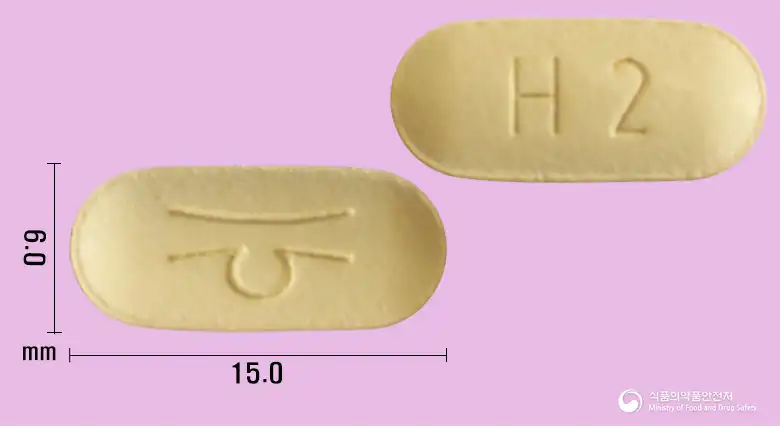
Tapentadol Hydrochloride 116.48mg
Tablet · Prescription medication
BC World Pharmaceutical Co., Ltd.
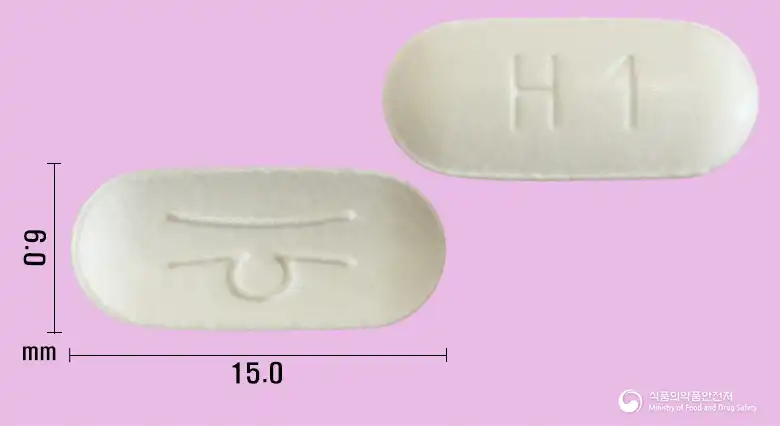
Tapentadol Hydrochloride 58.24mg
Tablet · Prescription medication
BC World Pharmaceutical Co., Ltd.
Tapentadol Hydrochloride 174.72mg
Tablet · Prescription medication
Korea Janssen Co., Ltd.
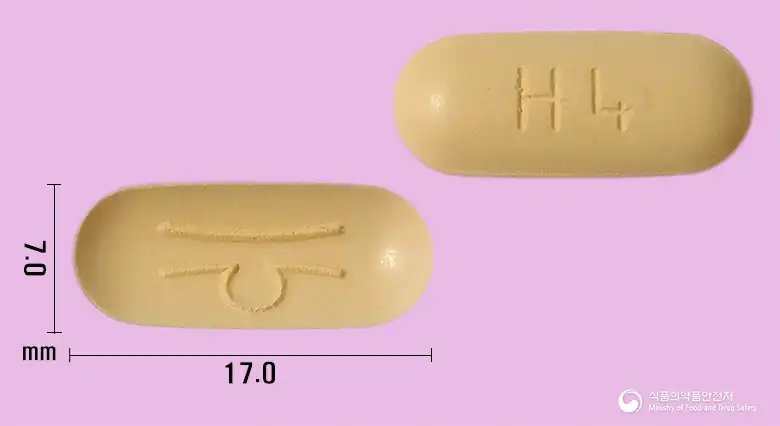
Tapentadol Hydrochloride 232.96mg
Tablet · Prescription medication
BC World Pharmaceutical Co., Ltd.
Even with the same ingredient, the dose and directions can differ by strength and dosage form. Talk to a doctor or pharmacist before switching from a medication you are already taking.
No questions yet.
For anything that needs medical judgment, consult a doctor or pharmacist.
This drug information is based on data provided by the Korea Ministry of Food and Drug Safety.
Consult a doctor or pharmacist for accurate dosage, administration, and usage instructions.