
 한국어
 English
 日本語
 中文(简体)
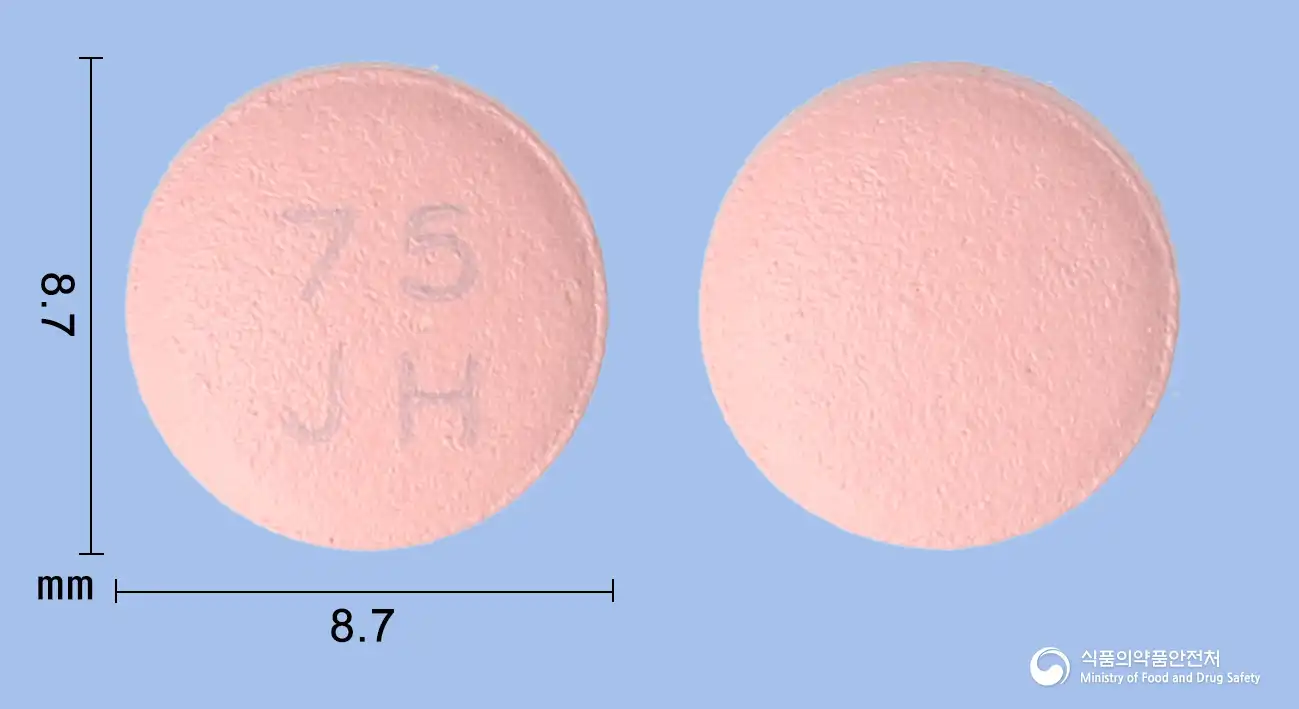 Viewing now
Antiplatelet Tablet (Clopidogrel Hydrogen Sulfate)
Clopidogrel Bisulfate 97.875mg
Tablet · Prescription medication
Jungheon Pharmaceuticals Co., Ltd.
MFDS item code 201707646 · Approved 2017.10.30 · Insurance code 053300190
Improvement of atherosclerotic symptoms and prevention of atherothrombotic and thromboembolic events in patients with atrial fibrillation
This medication is used to improve symptoms caused by atherosclerosis in adult patients with ischemic stroke, myocardial infarction, or peripheral arterial disease. Additionally, it improves symptoms while reducing the risk of death, myocardial infarction, and stroke related to cardiovascular abnormalities in patients with acute coronary syndrome, including unstable angina or non-Q wave myocardial infarction, as well as those who have undergone drug therapy, percutaneous coronary intervention (PCI), or coronary artery bypass grafting (CABG). Moreover, for patients with atrial fibrillation who have vascular risk factors and are unsuitable for vitamin K antagonist therapy with a low risk of bleeding, it is effective in reducing the risks of stroke and thromboembolism. In summary, this drug is used to improve vascular-related symptoms related to cardiovascular diseases and to reduce the risk of stroke and thrombosis.
○ Adults 1. For patients with ischemic stroke, myocardial infarction, or peripheral arterial disease, administer clopidogrel 75 mg orally once daily. 2. For patients with acute coronary syndrome (unstable angina or non-Q-wave myocardial infarction), initiate treatment with a loading dose of 300 mg of this medicine once on the day treatment is started, followed by a maintenance dose of 75 mg orally once daily. Aspirin 75 ~ 325 mg should be coadministered with this medicine once daily. 3. For patients with atrial fibrillation, administer 75 mg of this medicine orally once daily. Aspirin 75 ~ 100 mg should be coadministered with this medicine once daily. ○ Patients with renal impairment: Treatment experience in patients with renal impairment is limited. ○ Patients with hepatic impairment: Treatment experience in patients with moderate liver disease and a bleeding diathesis is limited. This medicine may be administered with or without food.
This medication helps to prevent platelets from clumping together, facilitating better blood flow. However, individuals who genetically have reduced function of the enzyme CYP2C19, which activates this medication, may not experience its full effectiveness. In such cases, it is advisable to consult a physician to change the treatment method or use another medication. Furthermore, taking other medications that enhance the effect of this drug may increase the risk of bleeding, so it is best not to use them together. Patients who are allergic to this medication or have severe bleeding, patients with significant liver damage, nursing women, lactose intolerant patients, or individuals with allergies to soybean oil, peanuts, or beans should not take this medication. Patients at high risk of bleeding or those scheduled for surgery must consult a doctor before taking this drug, and they may be advised to stop taking it 5-7 days before surgery. This medication may increase the risk of bleeding when taken with other bleeding risk medications, so caution is necessary. If bleeding symptoms are suspected during the course of treatment, notify healthcare professionals immediately, and it is important to regularly check blood tests to assess the risk of bleeding. Possible side effects of this medication include bleeding, reduction in blood cell counts, gastrointestinal disturbances, skin rashes, and, rarely, serious blood disorders; hence, consult a physician immediately if any unusual symptoms occur. If pregnant or nursing, it is essential to discuss the use of this medication with a doctor. Overdosage may increase the risk of bleeding, so it is crucial to adhere to the prescribed dosage, particularly for children, the elderly, and patients with compromised kidney or liver function. This medication has not been confirmed to be safe and effective for use in children, so it is advisable to avoid using it. While taking this medication, inform healthcare providers of interactions with other medications or supplements that may increase the risk of bleeding. Finally, this medication should be stored out of the reach of children, and it is advisable not to transfer it to other containers.
Not everyone experiences these, and they can vary from person to person.
This medication should be stored in a closed container to prevent air or moisture ingress and maintained at a temperature between 1 to 30 degrees Celsius (34 to 86 degrees Fahrenheit). This helps maintain the medication's effectiveness for a longer period.
Pink, round film-coated tablet
30 tablets/bottle, 100 tablets/bottle
Even with the same ingredient, strength, dosage form and how it is taken can differ.
Viewing nowClopidogrel Bisulfate 97.875mg
Tablet · Prescription medication
Jungheon Pharmaceuticals Co., Ltd.
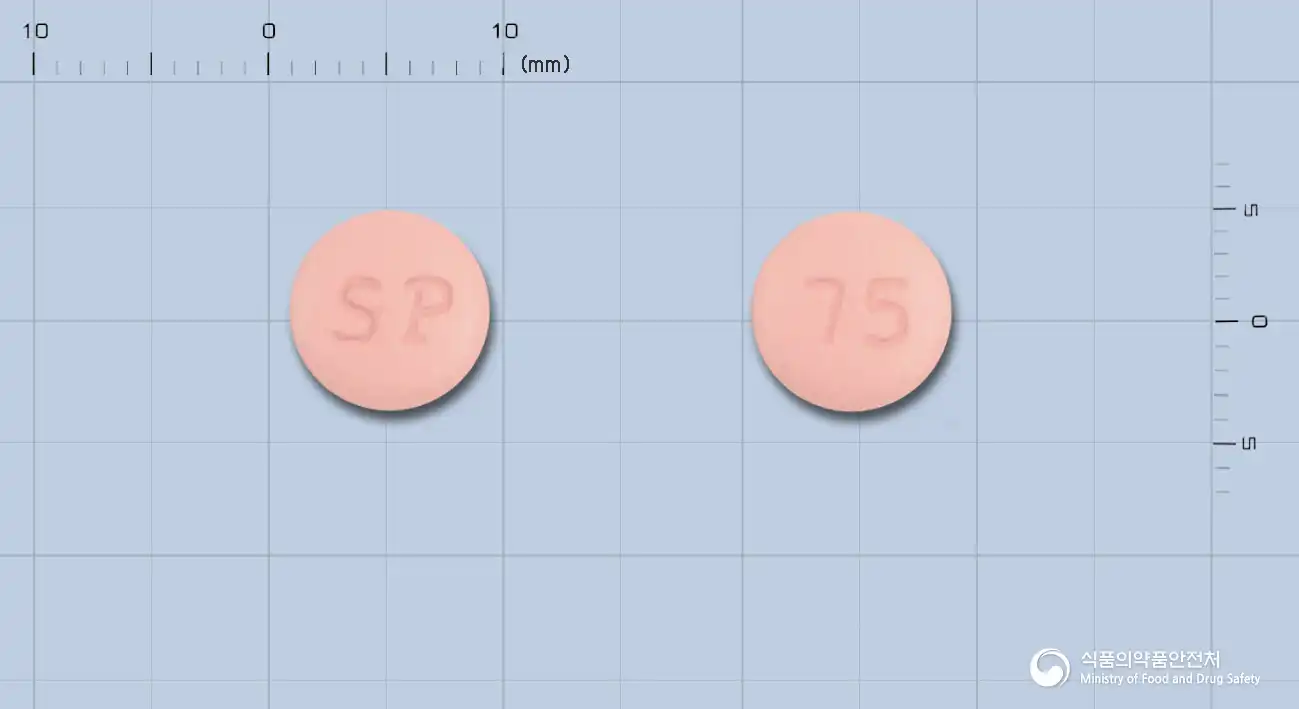
Clopidogrel Bisulfate 97.875mg
Tablet · Prescription medication
Shinpoong Pharmaceutical Co., Ltd.
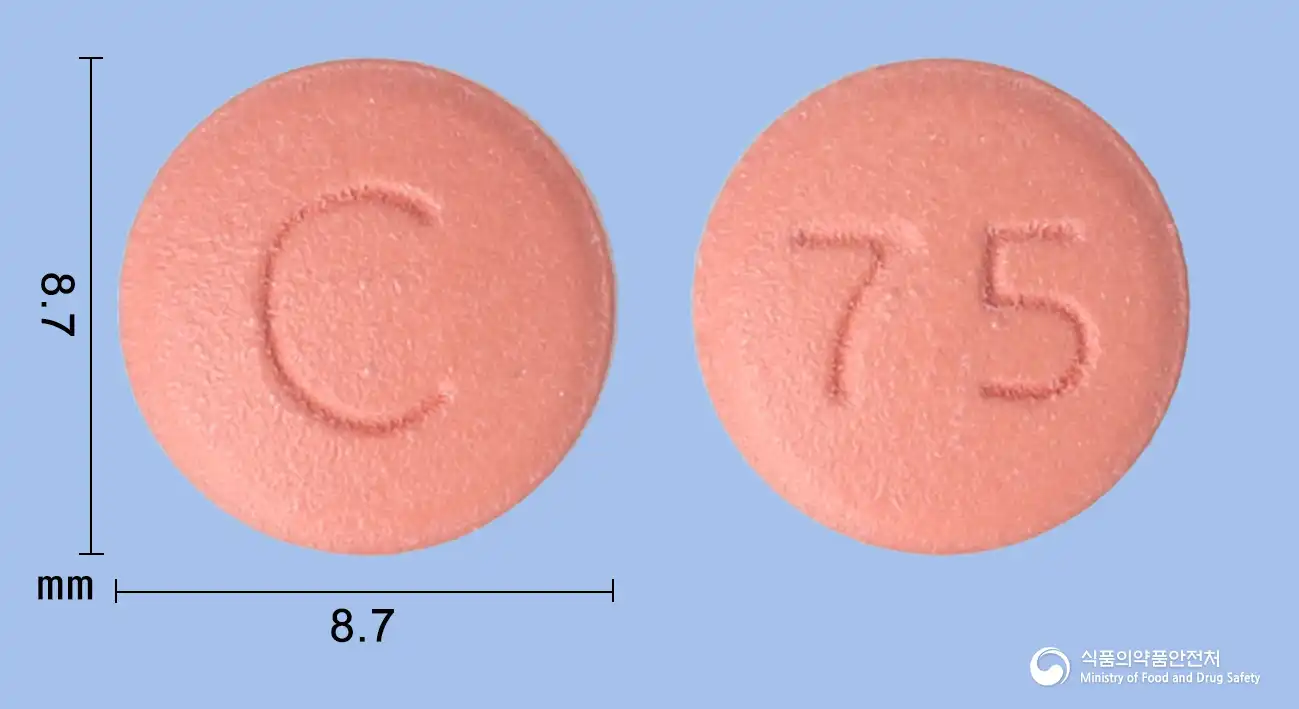
Clopidogrel Bisulfate 97.875mg
Tablet · Prescription medication
Dong-A ST Co., Ltd.
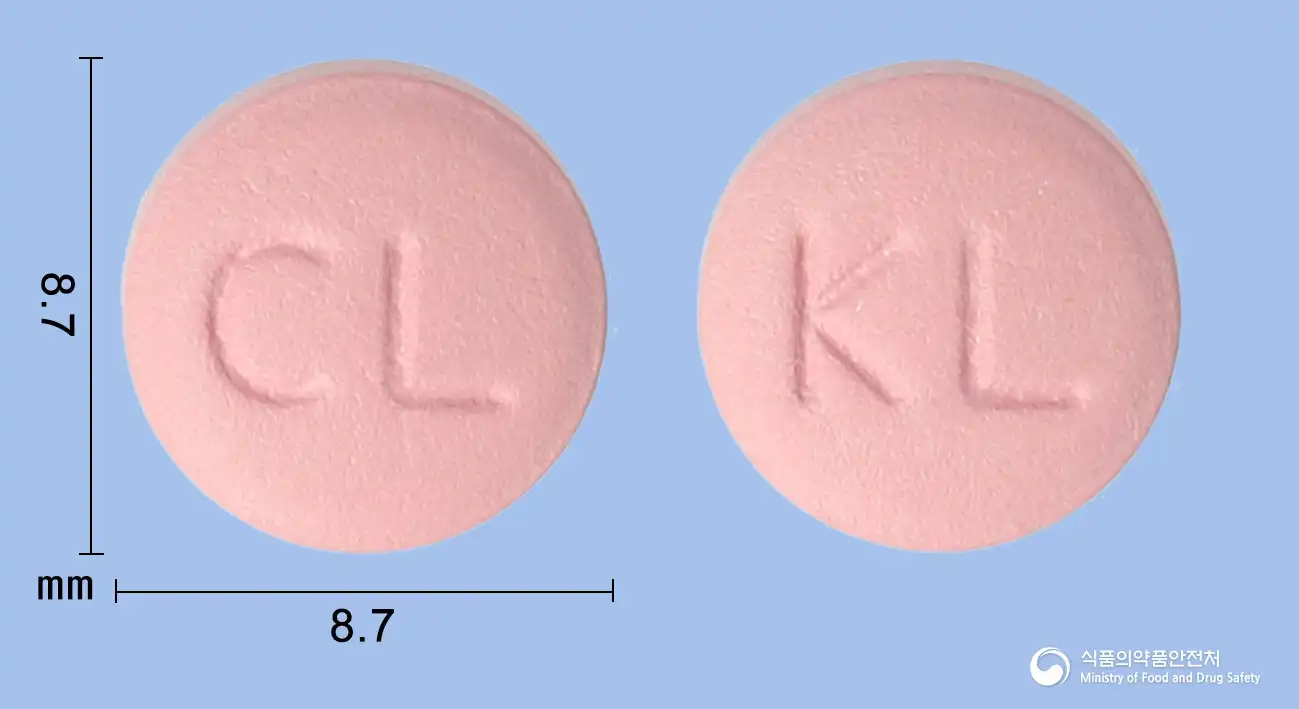
Clopidogrel Bisulfate 97.875mg
Tablet · Prescription medication
Kolon Pharmaceutical Co., Ltd.
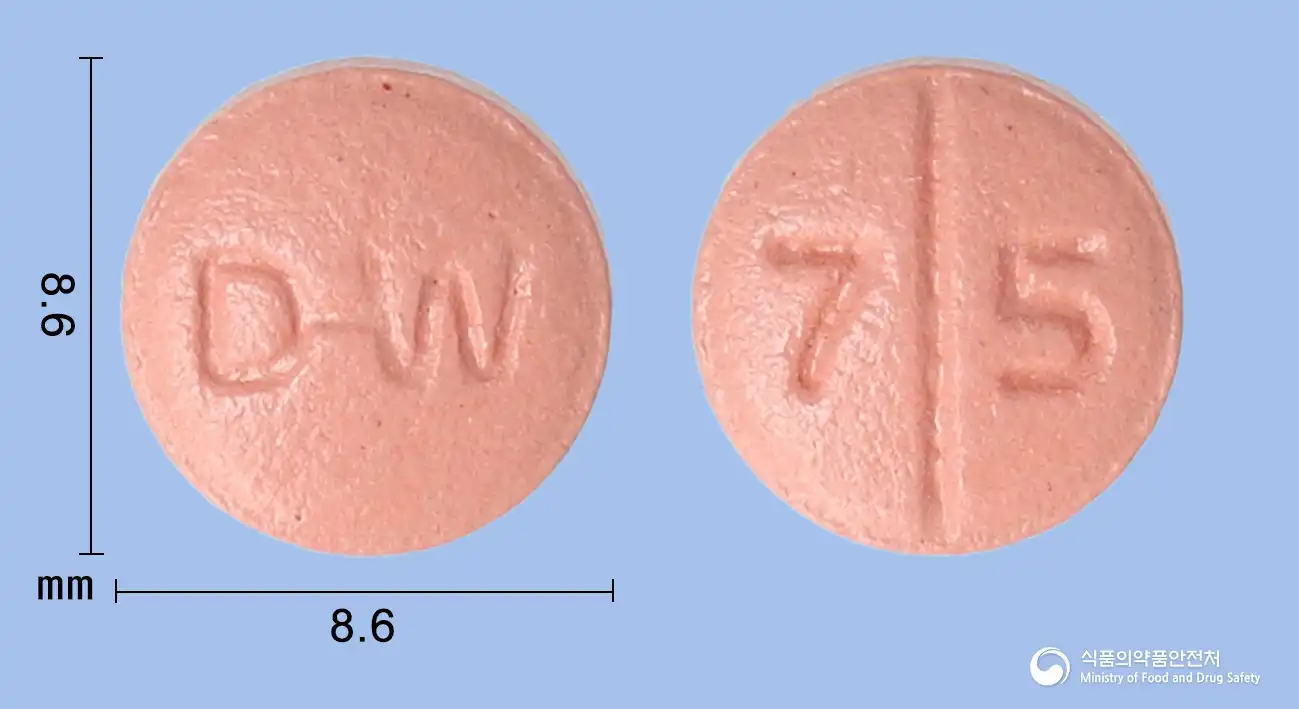
Clopidogrel Bisulfate 97.875mg
Tablet · Prescription medication
Dongwha Pharmaceutical Co., Ltd.
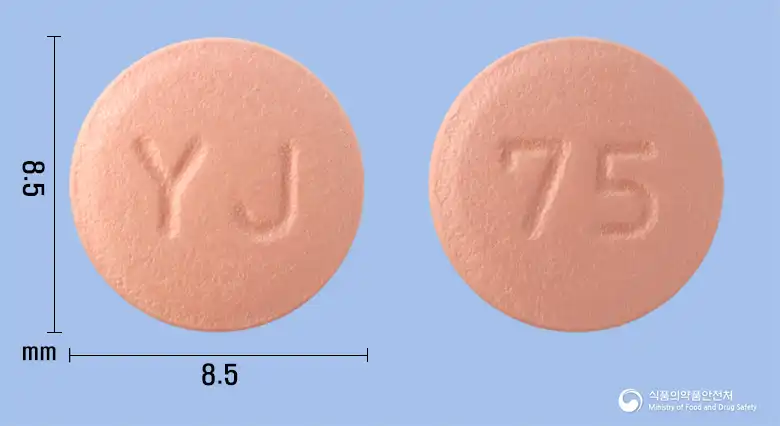
Clopidogrel Bisulfate 97.875mg
Tablet · Prescription medication
Youngjin Pharmaceutical Co., Ltd.
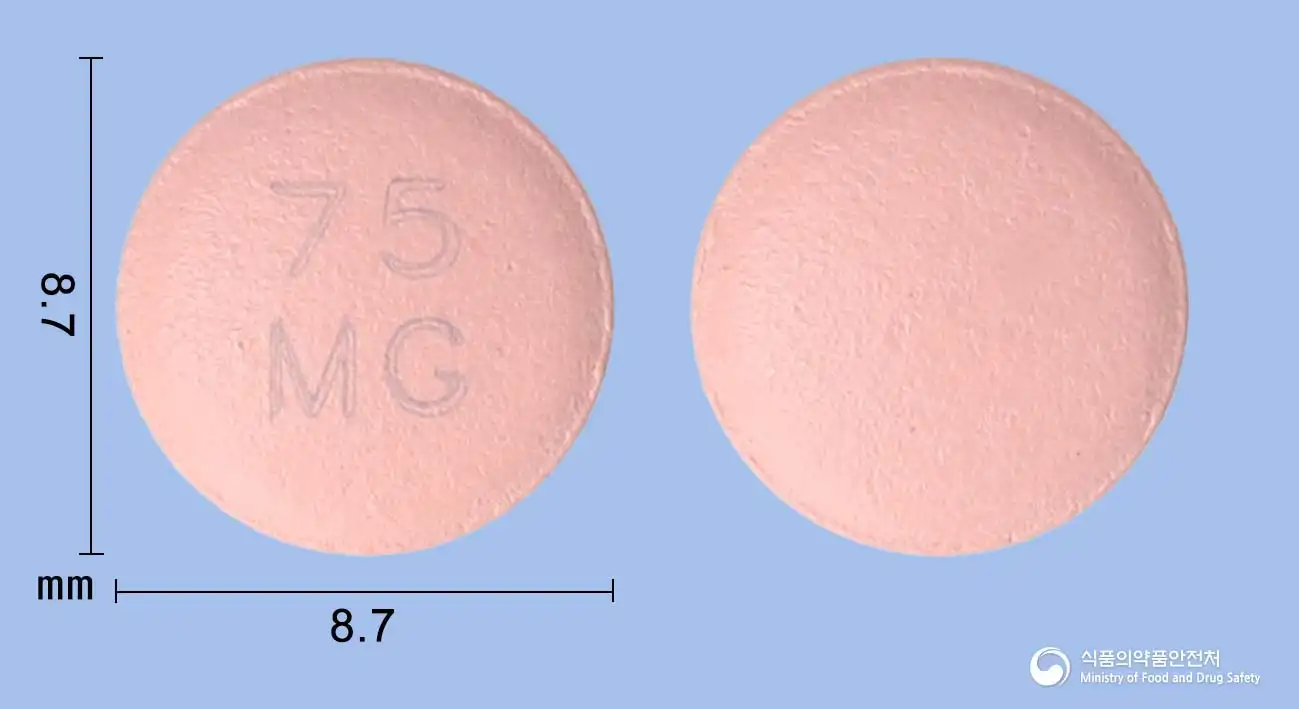
Clopidogrel Bisulfate 97.875mg
Tablet · Prescription medication
Albozen Korea Co., Ltd.
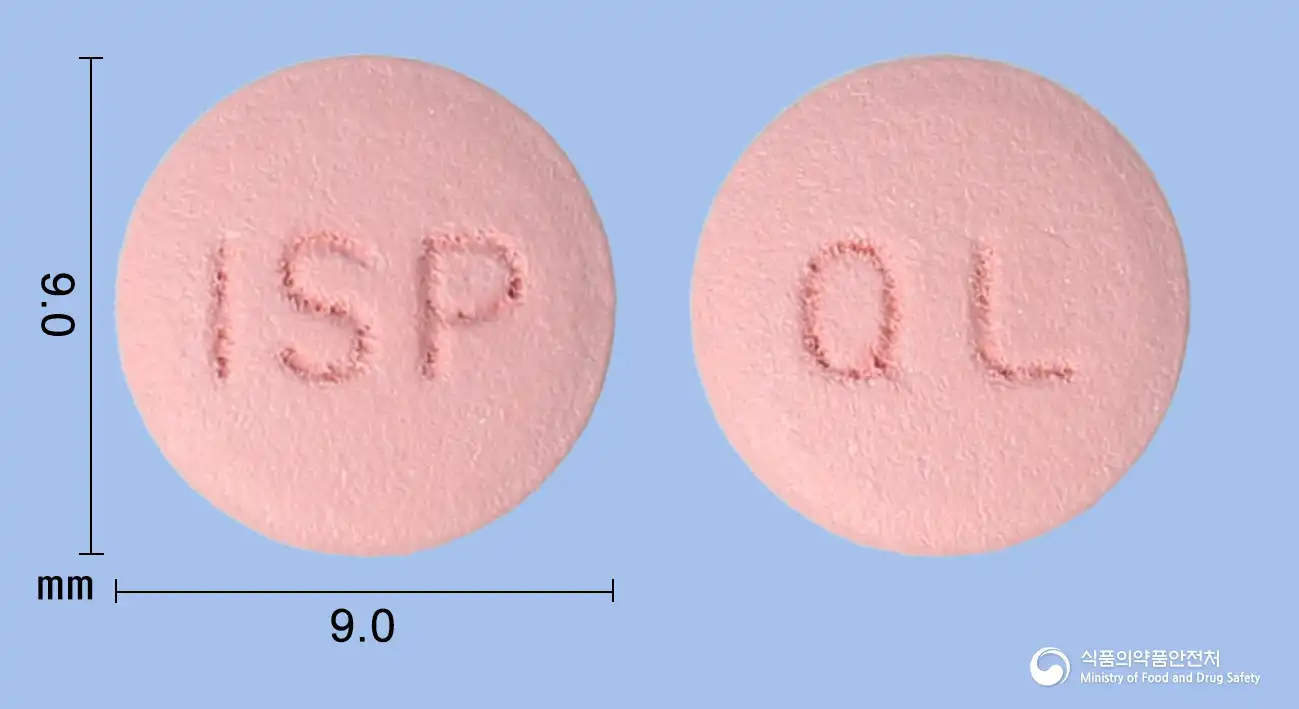
Clopidogrel Bisulfate 97.875mg
Tablet · Prescription medication
Ilsung IS Co., Ltd.
Even with the same ingredient, the dose and directions can differ by strength and dosage form. Talk to a doctor or pharmacist before switching from a medication you are already taking.
No questions yet.
For anything that needs medical judgment, consult a doctor or pharmacist.
This drug information is based on data provided by the Korea Ministry of Food and Drug Safety.
Consult a doctor or pharmacist for accurate dosage, administration, and usage instructions.