
 한국어
 English
 日本語
 中文(简体)
 Viewing now
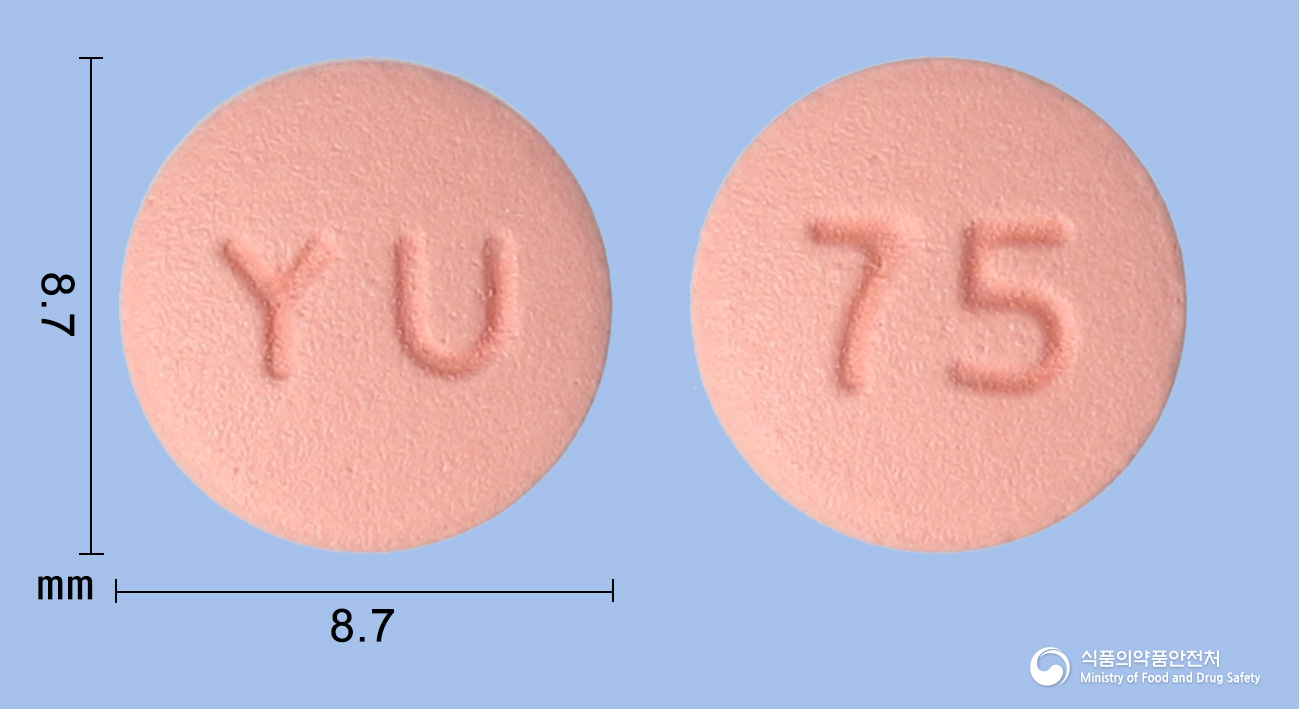
Yugrel Tablet (Clopidogrel Sulfate)
Clopidogrel Bisulfate 97.875mg
Tablet · Prescription medication
YuYu Pharmaceutical Co., Ltd.
MFDS item code 201707642 · Approved 2017.10.30 · Insurance code 644502480
Improvement of atherosclerotic symptoms, improvement of acute coronary syndrome symptoms, and prevention of thrombi in atrial fibrillation
This medication aids in the improvement of symptoms related to atherosclerosis in adult patients with ischemic stroke, myocardial infarction, and peripheral artery disease. It also improves symptoms such as mortality, myocardial infarction, and stroke in patients with acute coronary syndrome, especially those who are receiving or are expected to receive medicinal therapy, coronary intervention procedures, or coronary artery bypass surgery due to cardiovascular abnormalities. Furthermore, it effectively reduces the risk of stroke and thromboembolism in atrial fibrillation patients who have vascular risk factors and for whom vitamin K antagonists are not appropriate. This medication is used for the improvement of symptoms and the prevention of complications in patients with various cardiovascular risk factors.
1. For patients with ischemic stroke, myocardial infarction, or peripheral arterial disease, administer clopidogrel 75 mg orally once daily. 2. For patients with acute coronary syndrome (unstable angina or non-Q-wave myocardial infarction), initiate treatment with a loading dose of 300 mg of this medicine once on the day treatment is started, followed by a maintenance dose of 75 mg orally once daily. Aspirin 75 ~ 325 mg should be coadministered with this medicine once daily. 3. For patients with atrial fibrillation, administer 75 mg of this medicine orally once daily. Aspirin 75 ~ 100 mg should be coadministered with this medicine once daily. Patients with renal impairment: Treatment experience in patients with renal impairment is limited. Patients with hepatic impairment: Treatment experience in patients with moderate liver disease and a bleeding diathesis is limited. This medicine may be administered with or without food.
This medication works by preventing platelets from aggregating, thereby reducing thrombus formation. Individuals with a genetic deficiency in the CYP2C19 enzyme, which is involved in drug metabolism in the liver, may experience a decrease in the effectiveness of this medication, so treatment options should be reconsidered in such cases. Additionally, taking other medications that activate the CYP2C19 enzyme may elevate the active ingredient concentration of this medication and increase the risk of bleeding, so co-administration should be avoided. Patients with known allergies to this medication, those with severe bleeding, patients with very poor liver function, and nursing women should not take this medication. Patients at high risk for bleeding should use this medication with caution, and any symptoms of bleeding should be reported to healthcare professionals immediately for proper evaluation. Particularly, taking this medication along with other antiplatelet drugs, anticoagulants, or nonsteroidal anti-inflammatory drugs can increase the risk of bleeding, warranting caution. When planning for surgery or dental treatments while on this medication, it is important to inform healthcare professionals in advance, and if necessary, appropriate actions such as discontinuation should be taken. While the long-term safety of this medication is relatively high, side effects such as bleeding, gastrointestinal disturbances, skin rashes, headaches, and dizziness can occur. Bleeding symptoms can appear in various forms, including gastrointestinal bleeding, nosebleeds, bruising, hematuria, and intracranial bleeding, so vigilance is required. During pregnancy, the risk to the fetus is not considered high; however, the risk of bleeding during delivery may increase, hence discontinuation before childbirth is recommended. In nursing situations, it is uncertain whether this medication is excreted in breast milk, so careful consideration must be given to whether to continue breastfeeding or halt medication administration. Safety and efficacy have not been established in children, thus it is best not to use this medication in pediatric patients. Elderly patients or those with diminished kidney or liver function are at higher risk for side effects; thus, careful observation and dosage adjustment are required. In cases of overdose, protracted bleeding time and increased bleeding risk may occur, and as there is no specific antidote, treatment can be provided through platelet transfusions, among other means. This medication should be stored out of reach of children, and transferring it to other containers is not advisable for quality preservation.
Hemorrhage, gastrointestinal hemorrhage, purpura, contusion, hematoma, epistaxis, hematuria, intraocular hemorrhage, intracranial hemorrhage, severe neutropenia, aplastic anemia, severe thrombocytopenia, gastrointestinal symptoms, abdominal pain, dyspepsia, gastroenteritis, constipation, diarrhea, rash, pruritus, depression, headache, dizziness, chest pain, traumatic injury, influenza-like illness, pain, fatigue, edema, hypertension, nausea, hypercholesterolemia, arthralgia, low back pain, purpura, bloody stool, thrombocytopenia, pneumonia, sinusitis, cough, upper respiratory tract infection, rhinitis, urinary tract infection, depression, insomnia, forgetfulness, anxiety, hallucination, abnormal behavior, reduced motor function, tremor, speech disorder, abnormal gait, hyperactivity, ataxia, sensory disturbance, hiccup, dysphagia, tongue disease, gynecomastia, weight loss, weight gain, facial flushing, weakness, rigidity, facial edema, syncope, vasculitis, hypotension, bronchospasm, interstitial pneumonia, eosinophilic pneumonia, colitis, pancreatitis, gastritis, stomatitis, hepatitis, acute hepatic failure, petechial rash, erythematous skin rash, urticaria, angioedema, vesicular dermatitis, drug-induced hypersensitivity syndrome, eosinophilia, drug rash, eczema, lichen planus, arthralgia, myalgia, glomerular disease, fever, abnormal liver function test results, elevated serum creatinine, cataract, conjunctivitis, visual abnormalities, visual field disturbances, dry eyes, temporary blindness, congestion, tinnitus, contact dermatitis, cystitis, dysuria, frequent urination, hyperuricemia, uremia, increased blood urea nitrogen, hypoglycemia, hyperuricemia, elevated liver enzymes, increased ALT, abnormal liver function, leg edema, arrhythmia, bradycardia, palpitations, purpura, bloody stool, epistaxis, hemorrhage, cerebral hemorrhage, hematoma, hematuria, hemoptysis, muscle hemorrhage, intracranial hemorrhage, ocular hemorrhage, gingival bleeding, thrombocytopenia, anemia, pulmonary hemorrhage, thrombocytopenia, thrombocytopenic purpura, thrombocytopenia, acquired hemophilia, delirium, hallucinations, dysgeusia, taste loss, vasculitis, hypotension, bronchospasm, interstitial pneumonia, eosinophilic pneumonia, colitis, pancreatitis, gastritis, stomatitis, hepatitis, acute hepatic failure, petechial rash, erythematous skin rash, urticaria, angioedema, vesicular dermatitis, drug-induced hypersensitivity syndrome, eosinophilia, drug rash, eczema, lichen planus, arthralgia, arthritis, myalgia, glomerular disease, gynecomastia, fever, allergic symptoms, ischemic necrosis, generalized edema, gastritis, hemorrhagic gastroenteritis, duodenal ulcer, gastric ulcer, perforated gastric ulcer, upper gastrointestinal tract ulcer hemorrhage, distension, hyperbilirubinemia, infectious hepatitis, fatty liver, hemorrhagic arthropathy, hematuria, hemoptysis, intracranial hemorrhage, retroperitoneal hemorrhage, surgical wound bleeding, ocular hemorrhage, pulmonary hemorrhage, purpura, aplastic anemia, hypochromic anemia, agranulocytosis, granulocytopenia, leukemia, leukopenia, neutropenia, eosinophilia, menorrhagia, hemothorax, herpes zoster, erythematous lesions, petechial rash, urticaria, abnormal kidney function, acute kidney failure, cholecystitis, hematemesis, spinal hematoma
Not everyone experiences these, and they can vary from person to person.
This medication should be stored in a tightly closed container to prevent exposure to air or moisture. Additionally, it is important to store it at room temperature between 1°C and 30°C to maintain efficacy.
Pink round film-coated tablet
30 tablets/bottle, 100 tablets/bottle
Even with the same ingredient, strength, dosage form and how it is taken can differ.
Viewing nowClopidogrel Bisulfate 97.875mg
Tablet · Prescription medication
YuYu Pharmaceutical Co., Ltd.
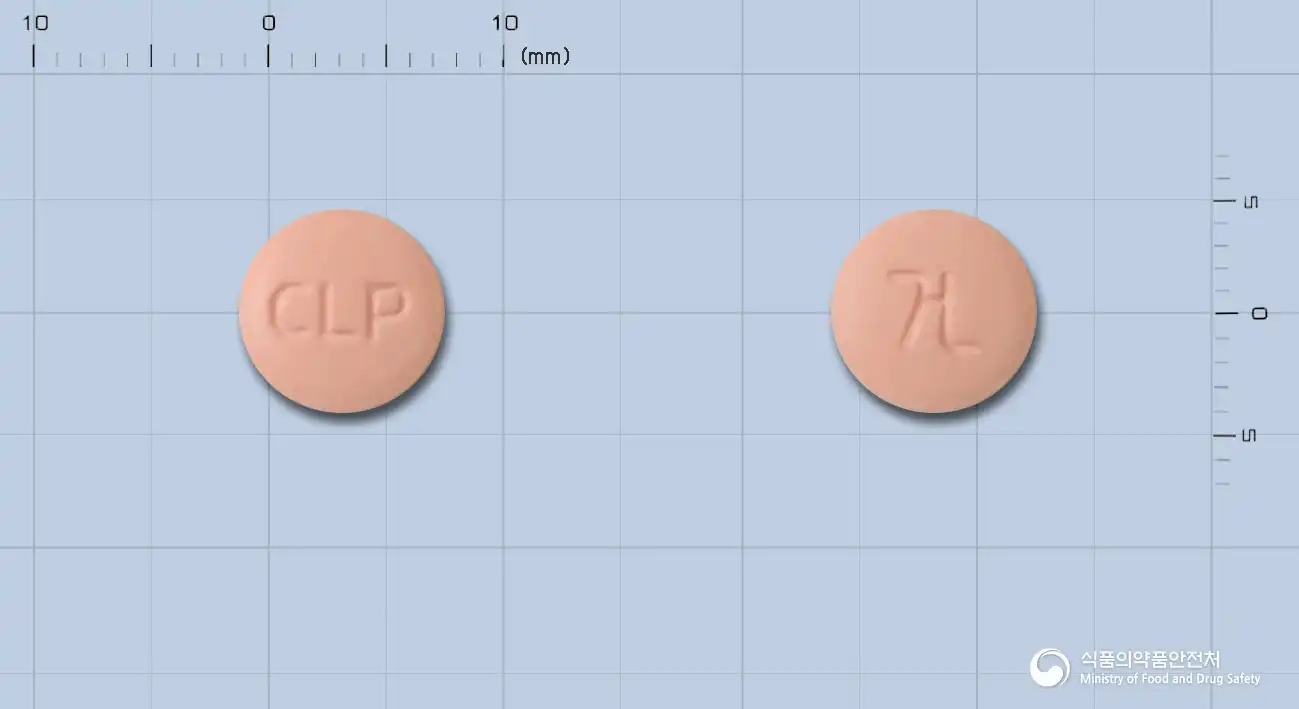
Clopidogrel Bisulfate 97.875mg
Tablet · Prescription medication
Geonil Pharmaceutical Co., Ltd.
Clopidogrel Bisulfate 97.875mg
Tablet · Prescription medication
Sama Pharmaceutical Co., Ltd.
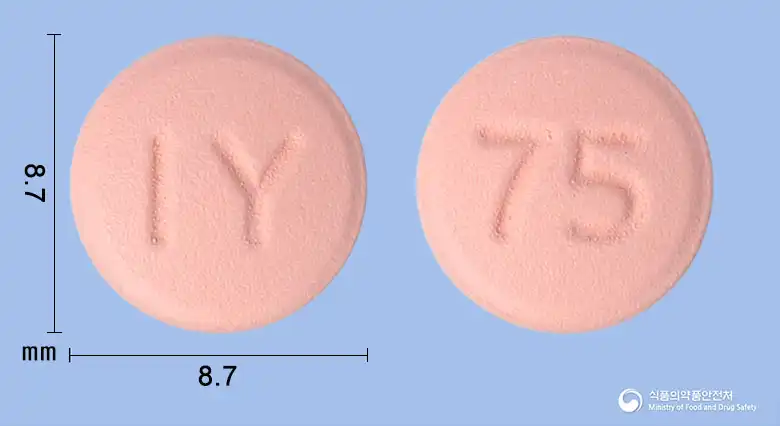
Clopidogrel Bisulfate 97.875mg
Tablet · Prescription medication
Il Yang Pharmaceutical Co., Ltd.
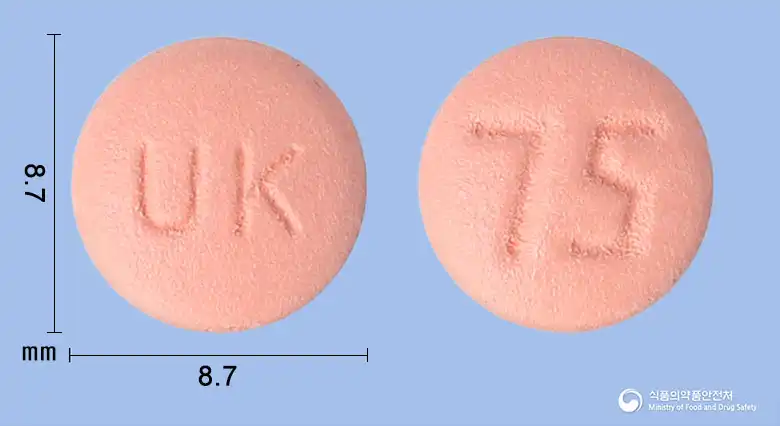
Clopidogrel Bisulfate 97.875mg
Tablet · Prescription medication
Korea Union Pharmaceutical Co., Ltd.
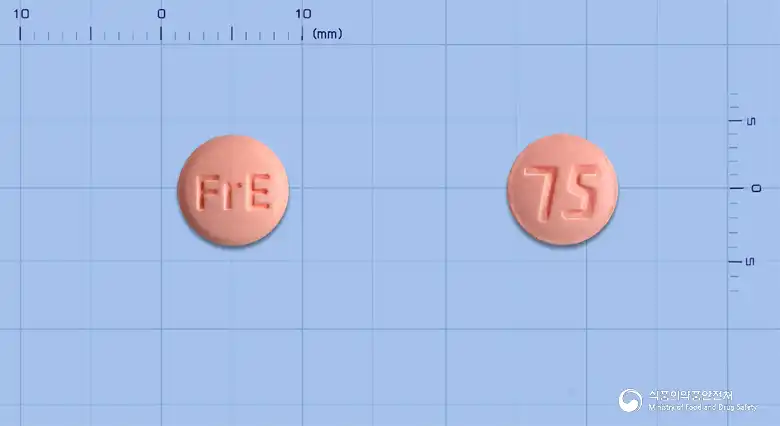
Clopidogrel Bisulfate 97.875mg
Tablet · Prescription medication
(Co., Ltd.) Korea Pharma
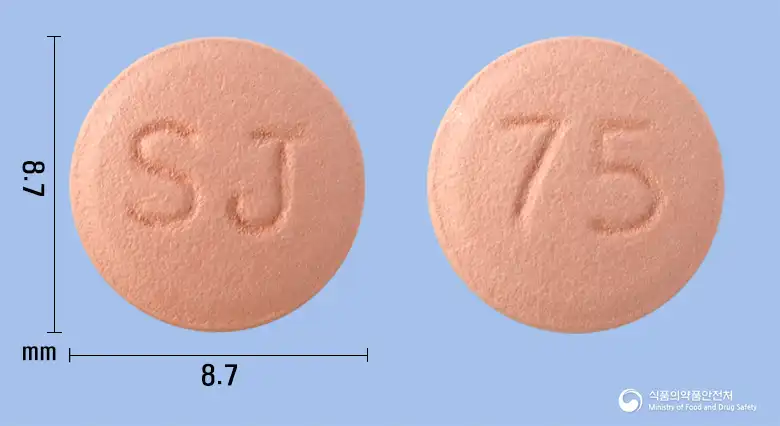
Clopidogrel Bisulfate 97.875mg
Tablet · Prescription medication
Samjin Pharmaceutical Co., Ltd.
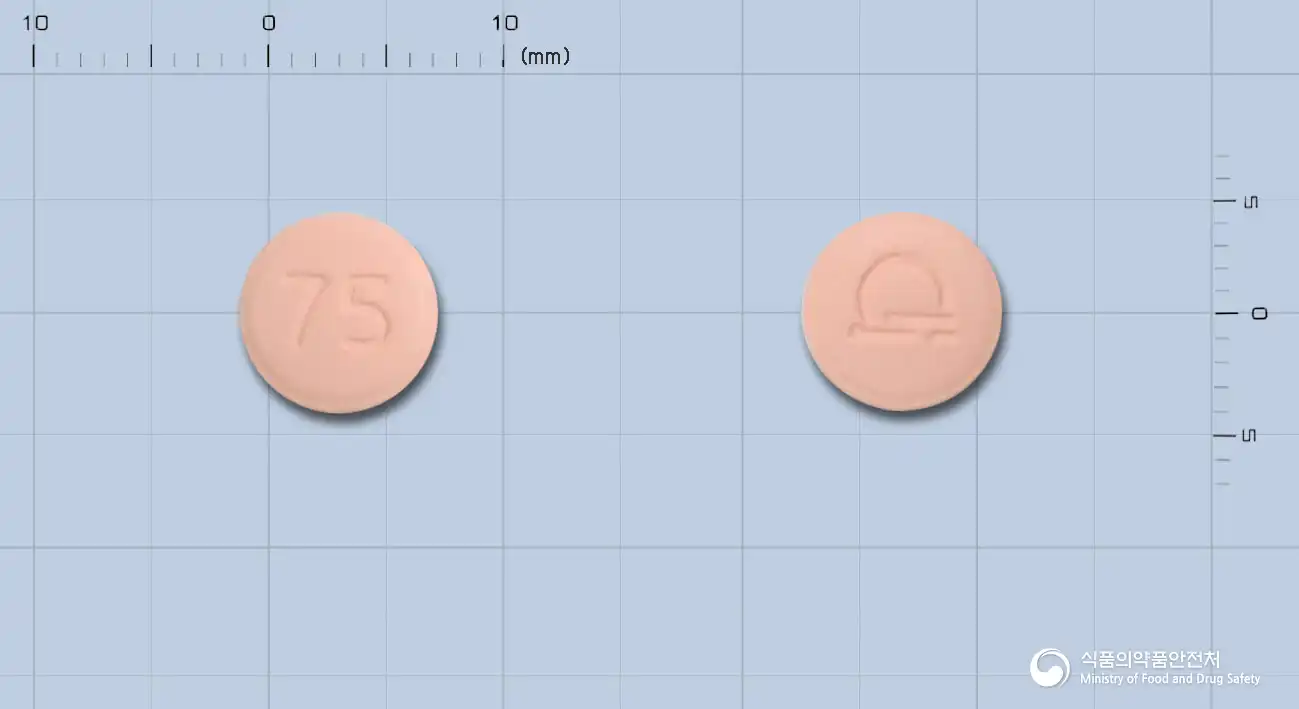
Clopidogrel Bisulfate 97.875mg
Tablet · Prescription medication
Daewon Pharmaceutical Co., Ltd.
Even with the same ingredient, the dose and directions can differ by strength and dosage form. Talk to a doctor or pharmacist before switching from a medication you are already taking.
No questions yet.
For anything that needs medical judgment, consult a doctor or pharmacist.
This drug information is based on data provided by the Korea Ministry of Food and Drug Safety.
Consult a doctor or pharmacist for accurate dosage, administration, and usage instructions.