
 한국어
 English
 日本語
 中文(简体)
 Viewing now
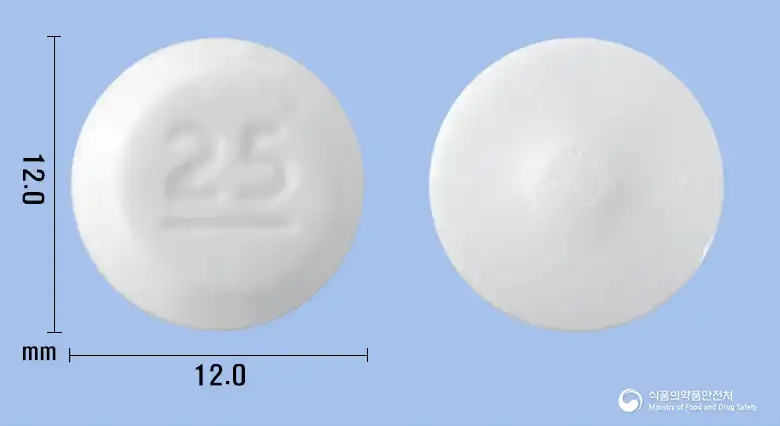
Nocdernasel Sublingual Tablet 25 Micrograms (Desmopressin Acetate)
Desmopressin Acetate 0.028mg
Sublingual Tablet · Prescription medication
Korea Ferring Pharmaceutical Co., Ltd.
MFDS item code 201707570 · Approved 2017.10.24 · Insurance code 652500410
Treatment of nocturia due to idiopathic nocturnal polyuria in adults
This medication is used to treat nocturia symptoms caused by idiopathic nocturia in adults. It helps alleviate the symptoms of frequent urination at night, thereby improving sleep quality and reducing discomfort in daily life. This medication supports comfortable rest and a healthy life by improving nocturia symptoms for the patient.
Men: Administer 50 micrograms sublingually once daily, 1 hour before bedtime, without water. Women: Administer 25 micrograms sublingually once daily, 1 hour before bedtime, without water. Dose escalation of desmopressin is not recommended in elderly patients aged 65 years or older. If this medicine does not produce a sufficient response in patients under 65 years of age, the dose may be increased using another oral desmopressin preparation.
This medication can cause hyponatremia and water intoxication, potentially leading to a coma in elderly patients or specific patients, so fluid intake should be appropriate enough to relieve thirst. It should not be administered to patients with allergies to the ingredients of this medication, habitual or psychological thirst, heart failure patients, severe renal failure patients, hyponatremia patients, patients with syndrome of inappropriate antidiuretic hormone secretion, and patients with nephrogenic diabetes insipidus. Caution is advised when administering to elderly patients over 65 years, pregnant women, or women who may become pregnant, patients with hypertension or severe atherosclerosis, patients at risk of fluid and electrolyte imbalance, cystic fibrosis patients, patients with urination problems, patients taking diuretics, and patients with severe bladder dysfunction. Common side effects associated with the use of this medication include dry mouth, headache, hyponatremia, and dizziness; especially, severe hyponatremia can lead to seizures or coma, so caution is necessary. If nocturia is related to heart or fluid overload, the use of this medication is not recommended, and fluid intake should be strictly limited before and after administration. Elderly patients should regularly check serum sodium levels to manage the risk of developing hyponatremia, and women are especially advised to take it in lower doses. If serum sodium levels fall below the lower limit of the normal range, the use of this medication should be discontinued. Use should be interrupted and re-evaluated if fluid and electrolyte imbalance occurs due to acute infections or fever. When used in combination with other medications, the risk of hyponatremia and fluid retention may increase, so it is essential to consult healthcare professionals about concomitant medications. Care is needed during use in pregnancy; however, currently, no side effects have been reported for the fetus or newborn, and it can be safely used during breastfeeding. There is no experience with pediatric use, so it should not be administered to children. In the case of overdose, the risk of fluid retention and hyponatremia increases, so consult healthcare professionals immediately and receive appropriate treatment. Store this medication out of the reach of children and in its original packaging to maintain quality. It is recommended to take it as soon as it is taken out of the blister.
Not everyone experiences these, and they can vary from person to person.
This medication should be stored in a tightly closed container to protect it from air and moisture. Storage temperature should be maintained between 1 degree and 30 degrees Celsius at room temperature.
White round sublingual tablet
30 tablets (10 tablets in PTP packaging × 3) / box
Even with the same ingredient, strength, dosage form and how it is taken can differ.
Viewing nowDesmopressin Acetate 0.028mg
Sublingual Tablet · Prescription medication
Korea Ferring Pharmaceutical Co., Ltd.
Desmopressin Acetate 10mg
Prescription medication
Korea Ferring Pharmaceuticals Co., Ltd.
Desmopressin Acetate 4μg
Prescription medication
Korea Ferring Pharmaceutical Co., Ltd.
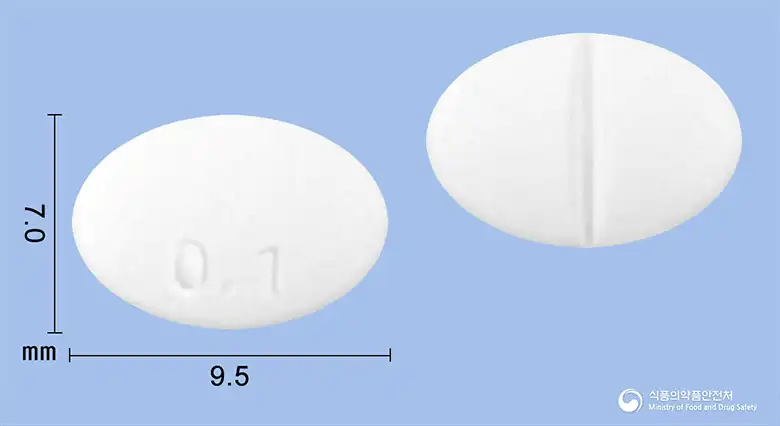
Desmopressin Acetate 0.1mg
Tablet · Prescription medication
Korea Ferring Pharmaceuticals Co., Ltd.
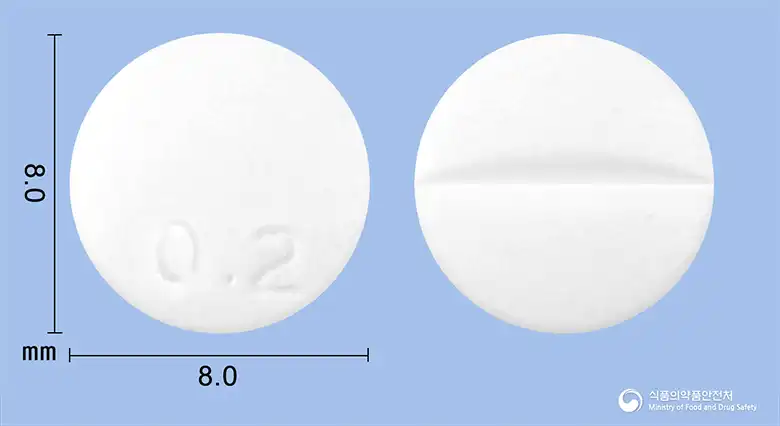
Desmopressin Acetate 0.2mg
Tablet · Prescription medication
Korea Ferring Pharmaceuticals Co., Ltd.
Desmopressin Acetate
Prescription medication
Korea Ferring Pharmaceuticals Co., Ltd.
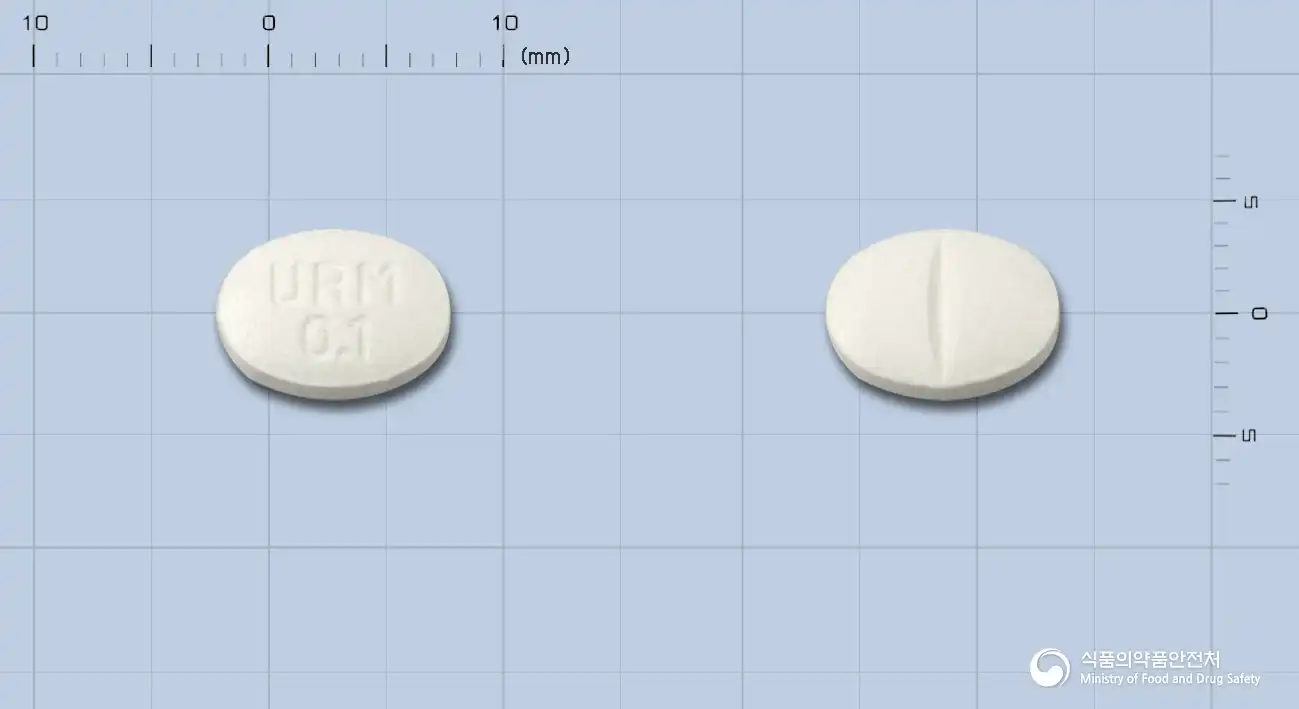
Desmopressin Acetate 0.1mg
Tablet · Prescription medication
Hyundai Pharmaceutical Co., Ltd.
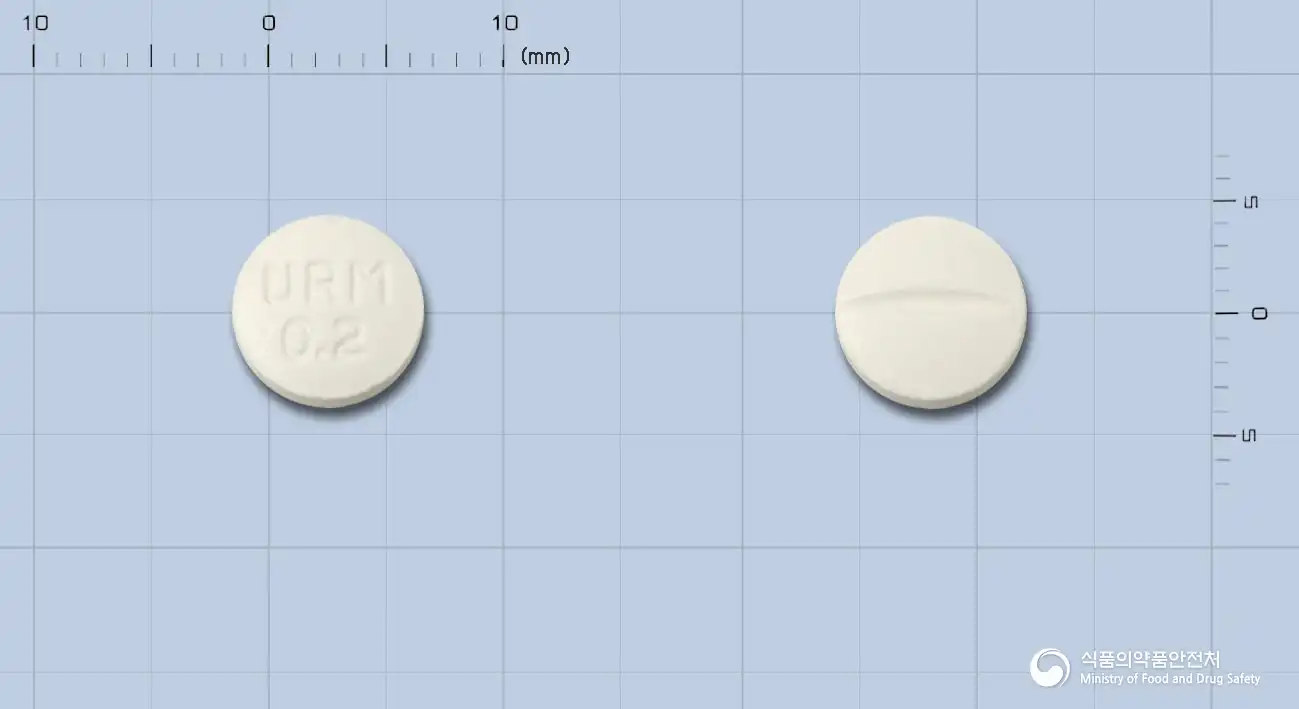
Desmopressin Acetate 0.2mg
Tablet · Prescription medication
Hyundai Pharmaceutical Co., Ltd.
Even with the same ingredient, the dose and directions can differ by strength and dosage form. Talk to a doctor or pharmacist before switching from a medication you are already taking.
No questions yet.
For anything that needs medical judgment, consult a doctor or pharmacist.
This drug information is based on data provided by the Korea Ministry of Food and Drug Safety.
Consult a doctor or pharmacist for accurate dosage, administration, and usage instructions.