
 한국어
 English
 日本語
 中文(简体)
 Viewing now
Pharmablonanserin Tablets 8 mg
Blonanserin 8mg
Tablet · Prescription medication
Korea Pharma Co., Ltd.
MFDS item code 201707313 · Approved 2017.09.29 · Insurance code 653005970
Treatment of schizophrenia
This medication is used for the mental disorder known as schizophrenia. Schizophrenia may present symptoms that create confusion in perception of reality; this medication is used to alleviate such symptoms and assist the patient's daily life.
Adults: Administer 4mg orally per dose twice daily after meals, and increase the dose gradually. The maintenance dose is 8∼16mg per day, divided into 2 doses after meals. As absorption of this medicine is easily affected by food, it must be taken after meals. Carefully monitor each patient and adjust the dose to the minimum required; do not exceed the maximum daily dose of 24mg.
This medication may increase mortality when used in elderly patients with dementia, hence caution is advised. Particularly, it should be used with caution in patients at risk of cerebrovascular diseases, and special attention should be paid if there are stroke risk factors. Additionally, this medication may increase the risk of venous thrombosis, so before use, it is necessary to review risk factors for thrombosis and take preventive measures. It should not be administered to patients in a comatose state, those using central nervous system depressants, patients taking certain antifungal or HIV treatment medications, and patients with hypersensitivity to any components of this medication. Patients with specific genetic metabolic disorders, such as lactose intolerance, should not take this medication either. Patients with cardiovascular diseases, Parkinson's disease, seizure disorders, those at risk of suicide, liver dysfunction, diabetes risk factors, elderly patients, children, pregnant women, and nursing mothers should be administered this medication with caution. This medication may cause various side effects such as tremors, movement disorders, insomnia, drowsiness, anxiety, etc. In serious cases, it may lead to neuroleptic malignant syndrome, tardive dyskinesia, paralytic ileus, syndrome of inappropriate antidiuretic hormone secretion, rhabdomyolysis, agranulocytosis, liver function impairment, etc. If any unusual symptoms occur during use, consult a healthcare provider immediately. Drowsiness or decreased concentration may occur while taking this medication, so caution is necessary while driving or operating hazardous machinery. This medication is metabolized by the liver; therefore, care should be taken regarding interactions when taken with specific medications, especially those that inhibit or induce CYP3A4, requiring careful observation when combined. During pregnancy, especially in the third trimester, it may affect the fetus, so it should only be administered when necessary, and it is recommended to discontinue use while breastfeeding. This medication must be taken after meals, as absorption may decrease when taken on an empty stomach, leading to reduced efficacy.
Tremors, bradykinesia, excessive salivation, Parkinson's syndrome, akathisia, insomnia, elevated prolactin, movement disorders, drowsiness, anxiety, agitation, rage, neuroleptic malignant syndrome, akinetic mutism, muscle rigidity, dysphagia, tachycardia, blood pressure fluctuations, sweating, consciousness disturbance, dyspnea, circulatory collapse, dehydration, acute renal failure, tardive dyskinesia, involuntary movements of the muscles around the mouth, paralytic ileus, loss of appetite, nausea, vomiting, diarrhea, abdominal distension, lethargy, syndrome of inappropriate antidiuretic hormone secretion, hyponatremia, hypo-osmolarity, urinary sodium hyperexcretion, hyperuricosuria, seizures, rhabdomyolysis, myalgia, weakness, elevated CK, increased serum myoglobin, increased myoglobin in urine, agranulocytosis, leukopenia, liver dysfunction, elevated AST, elevated ALT, elevated γ-GTP, elevated ALP, elevated bilirubin, hyperglycemia, diabetic ketoacidosis, diabetic coma, eosinophilia, rash, dermatitis, pruritus, hypotension, orthostatic hypotension, hypertension, abnormal ECG, tachycardia, bradycardia, arrhythmia, ventricular extrasystoles, supraventricular extrasystoles, palpitations, decreased heart rate, symptoms of Parkinson's syndrome, akinesia, gait disturbances, a mask-like, unresponsive face, dyskinesia, dysarthria, involuntary movements of the oral muscles, dystonia, rigid neck, facial spasms, pharyngeal spasms, uterine spasms, ocular motor seizures, opisthotonos, elevated AST, elevated ALT, elevated γ-GTP, elevated LDH, elevated ALP, elevated bilirubin, liver dysfunction, regulation disorders, blurred vision, constipation, decreased appetite, increased appetite, epigastric pain, abdominal pain, gastrointestinal disorders, cheilitis, menstrual irregularities, galactorrhea, ejaculatory dysfunction, gynecomastia, erectile dysfunction, urinary difficulties, urinary retention, incontinence, frequency of urination, dizziness, vertigo, dull headache, headache, agitation, paradoxical excitation, overinhibition, depression, hallucinations, auditory hallucinations, delusions, paranoid delusions, sleep disorders, abnormal behavior, hyperactivity, abnormal EEG, manic state, consciousness disorder, emotional disturbances, language disorders, loquaciousness, tension, seizures, leukocytosis, neutrophilia, lymphocytopenia, erythrocytosis, anemia, erythropenia, decreased hemoglobin, decreased hematocrit, thrombocytosis, thrombocytopenia, atypical lymphocytes, generalized malaise, thirst, weakness, sweating, fever, weight gain, weight loss, chest pain, cough, facial edema, aspiration pneumonia, hypothermia, elevated CK, increased triglycerides, elevated serum cholesterol, elevated serum insulin, increased serum phospholipids, increased blood sugar, elevated BUN, decreased total serum protein, increased serum potassium, decreased serum potassium, decreased serum sodium, positive urine protein, positive urine urobilinogen, positive urine glucose, thromboembolism
Not everyone experiences these, and they can vary from person to person.
This medication may be sensitive to air and moisture; therefore, it should be stored in a tightly sealed container. It is important to maintain a storage temperature between 1 to 30 degrees Celsius at room temperature to preserve the medication's effectiveness.
White round tablet
30 tablets/bottle, 100 tablets/bottle
Even with the same ingredient, strength, dosage form and how it is taken can differ.
Viewing nowBlonanserin 8mg
Tablet · Prescription medication
Korea Pharma Co., Ltd.
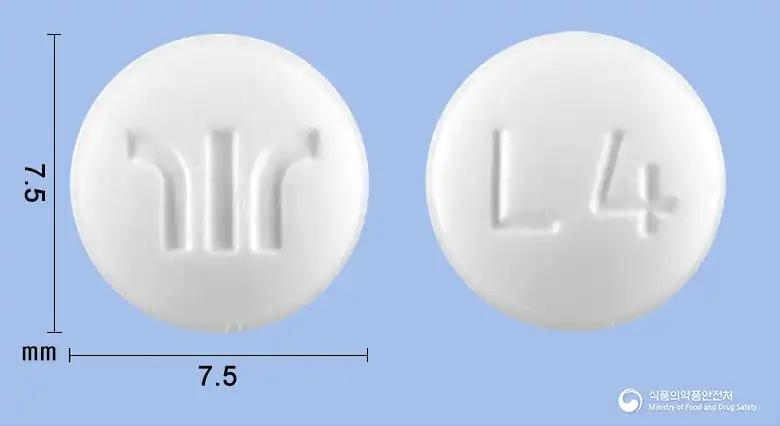
Blonanserin 4mg
Tablet · Prescription medication
Bukwang Pharmaceutical Co., Ltd.
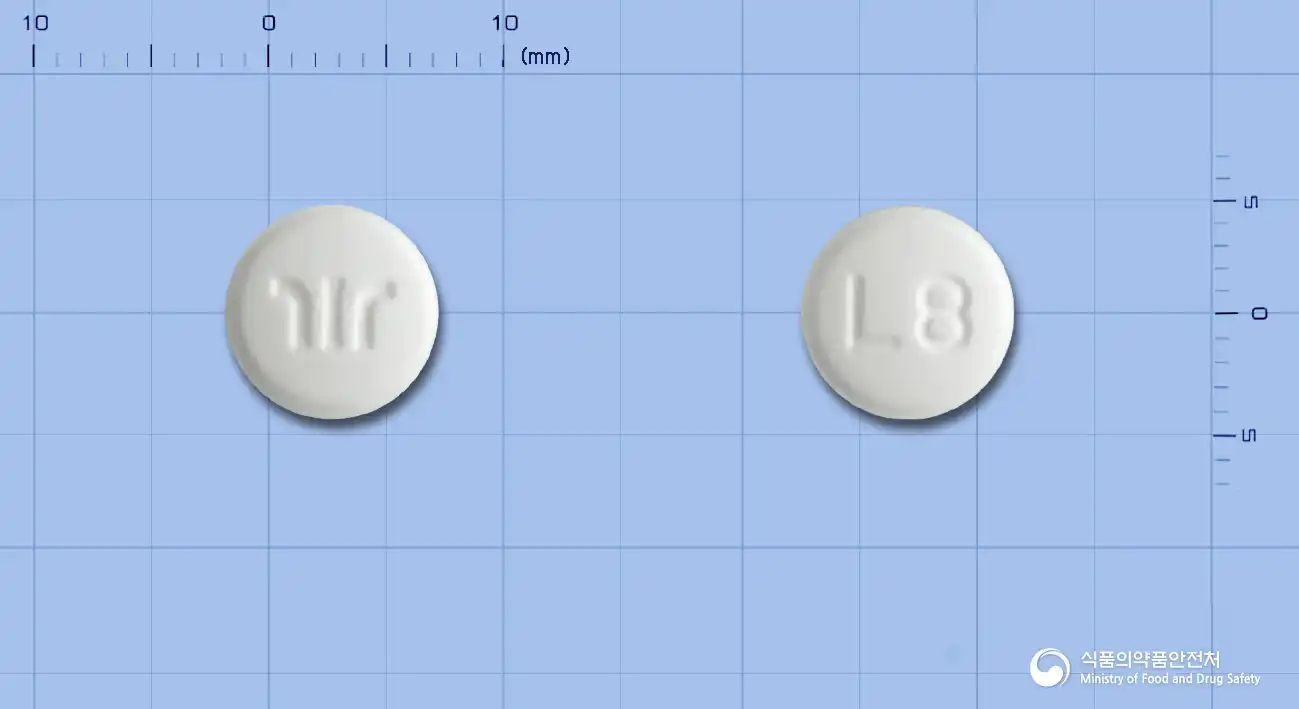
Blonanserin 8mg
Tablet · Prescription medication
Bukwang Pharmaceutical Co., Ltd.

Blonanserin 2mg
Tablet · Prescription medication
Korea Pharma Co., Ltd.
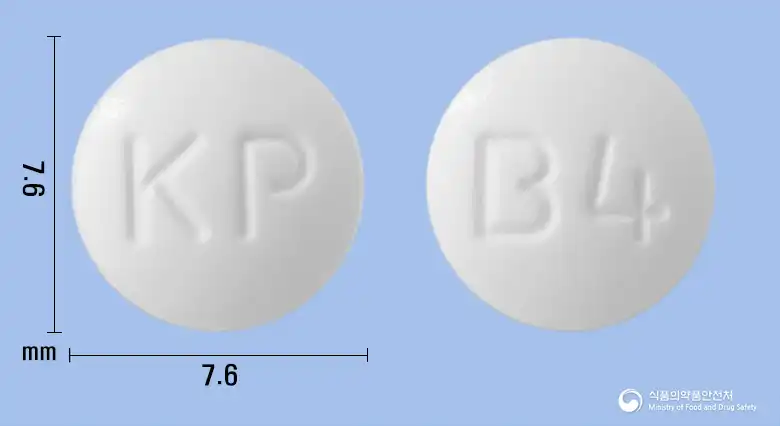
Blonanserin 4mg
Tablet · Prescription medication
Korea Pharma Co., Ltd.
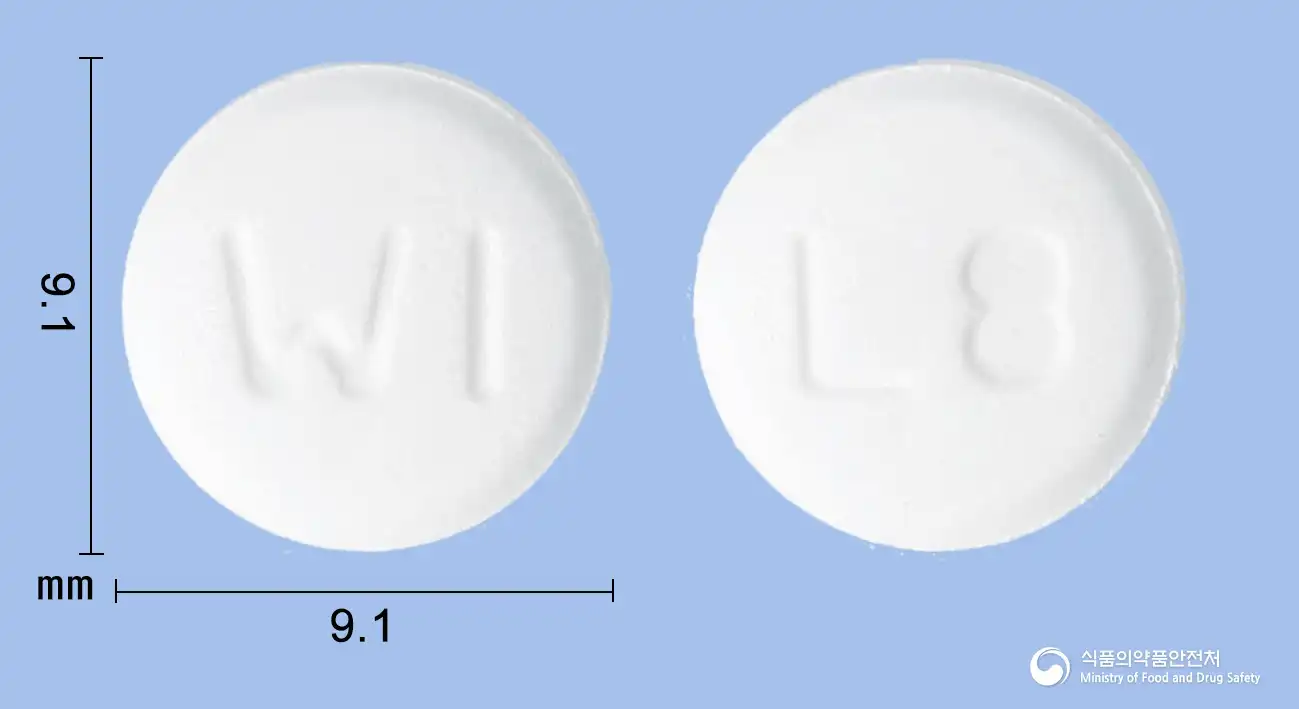
Blonanserin 8mg
Tablet · Prescription medication
Hwanin Pharmaceutical Co., Ltd.
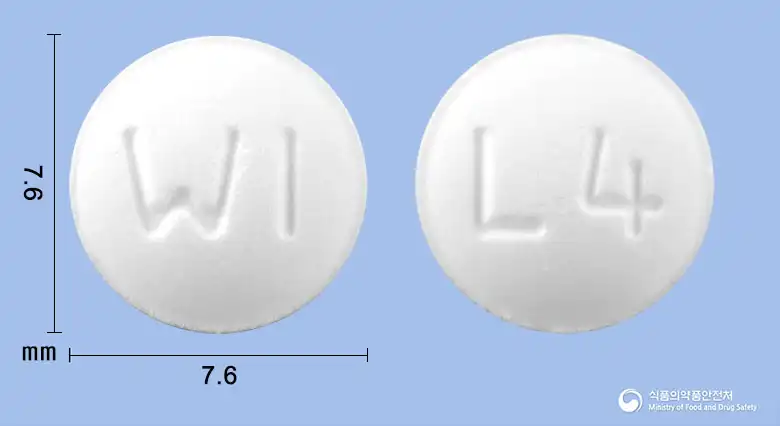
Blonanserin 4mg
Tablet · Prescription medication
Hanmi Pharmaceutical Co., Ltd.
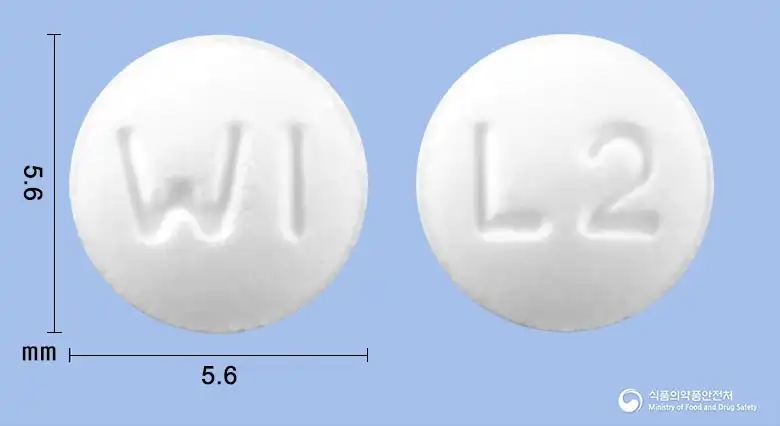
Blonanserin 2mg
Tablet · Prescription medication
Hanin Pharmaceutical Co., Ltd.
Even with the same ingredient, the dose and directions can differ by strength and dosage form. Talk to a doctor or pharmacist before switching from a medication you are already taking.
No questions yet.
For anything that needs medical judgment, consult a doctor or pharmacist.
This drug information is based on data provided by the Korea Ministry of Food and Drug Safety.
Consult a doctor or pharmacist for accurate dosage, administration, and usage instructions.