
 한국어
 English
 日本語
 中文(简体)
 Viewing now
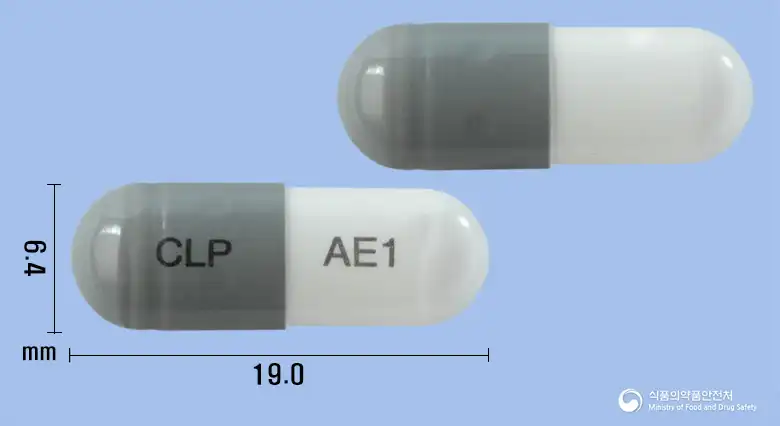
Aselion Capsule 100 mg (Acebrophylline)
Acebrophylline 100mg
Hard capsule · Prescription medication
Celltrion Pharmaceutical Co., Ltd.
MFDS item code 201707098 · Approved 2017.09.15 · Insurance code 693902650
Treatment of respiratory diseases (e.g., bronchitis, bronchial asthma, and sinusitis)
This medication is used for acute and chronic respiratory diseases caused by airway obstruction and mucus secretion disorders, such as acute and chronic bronchitis, bronchial asthma, sinusitis, and rhinitis.
Adults: Administer 100 mg of acebrophylline orally twice daily.
This medicine should not be administered to certain patients. First, individuals who are allergic to this medication or its ingredients, or who have hypersensitivity to other similar medications should not take it. Moreover, patients with acute myocardial infarction or hypotension, those with severe liver or kidney dysfunction, and breastfeeding women should also avoid using this medication. This medicine contains lactose, so individuals with genetic issues such as lactase deficiency or galactose intolerance should avoid it. Patients with heart disease, congestive heart failure, obesity, a history of epilepsy, those with gastric or duodenal ulcers, hyperthyroidism patients, elderly individuals, and children, patients with hypertension, severely hypoxic patients, chronic obstructive pulmonary disease patients, those with liver or kidney dysfunction should take this medicine cautiously. While taking this medication, transient symptoms such as nausea or dizziness may occur, and gastrointestinal symptoms such as abdominal discomfort, abdominal pain, diarrhea, and vomiting can appear. Allergic reactions such as rash, urticaria, itching, facial swelling, and difficulty breathing may occur, and if such symptoms arise, discontinue use immediately. Various side effects like blood-related issues, breathlessness, headache, insomnia, heart rhythm abnormalities, and hypotension can occur rarely, requiring caution. This medicine can cause toxic reactions when blood concentrations increase, so individuals with weakened liver or kidney function should be particularly careful. Additionally, it may interact with other medications; for example, it can alter the concentration when taken with some antibiotics, diuretics, or anticoagulants, so consulting a doctor is necessary. During pregnancy, it is preferable to avoid taking this medication except in special circumstances, and breastfeeding women should also refrain from using this medication. Elderly individuals and children may be more sensitive to the drug than the general adult population, so careful dosage adjustment and monitoring are required when taking it. If an overdose occurs, severe convulsions or heart problems may arise, so it is essential to visit a medical institution immediately for appropriate treatment. Finally, this medicine should be kept out of reach of children, and transferring it to another container may affect its quality, so caution is needed.
Not everyone experiences these, and they can vary from person to person.
This medication may be sensitive to air or moisture, so it must be stored in a tightly sealed container. It is advisable to maintain storage temperatures between 1°C and 30°C at room temperature. Proper storage will help preserve the medication's efficacy for a longer time.
Capsule with upper gray and lower white parts filled with white to off-white powder
30 capsules/bottle, 300 capsules/bottle
Even with the same ingredient, strength, dosage form and how it is taken can differ.
Viewing nowAcebrophylline 100mg
Hard capsule · Prescription medication
Celltrion Pharmaceutical Co., Ltd.
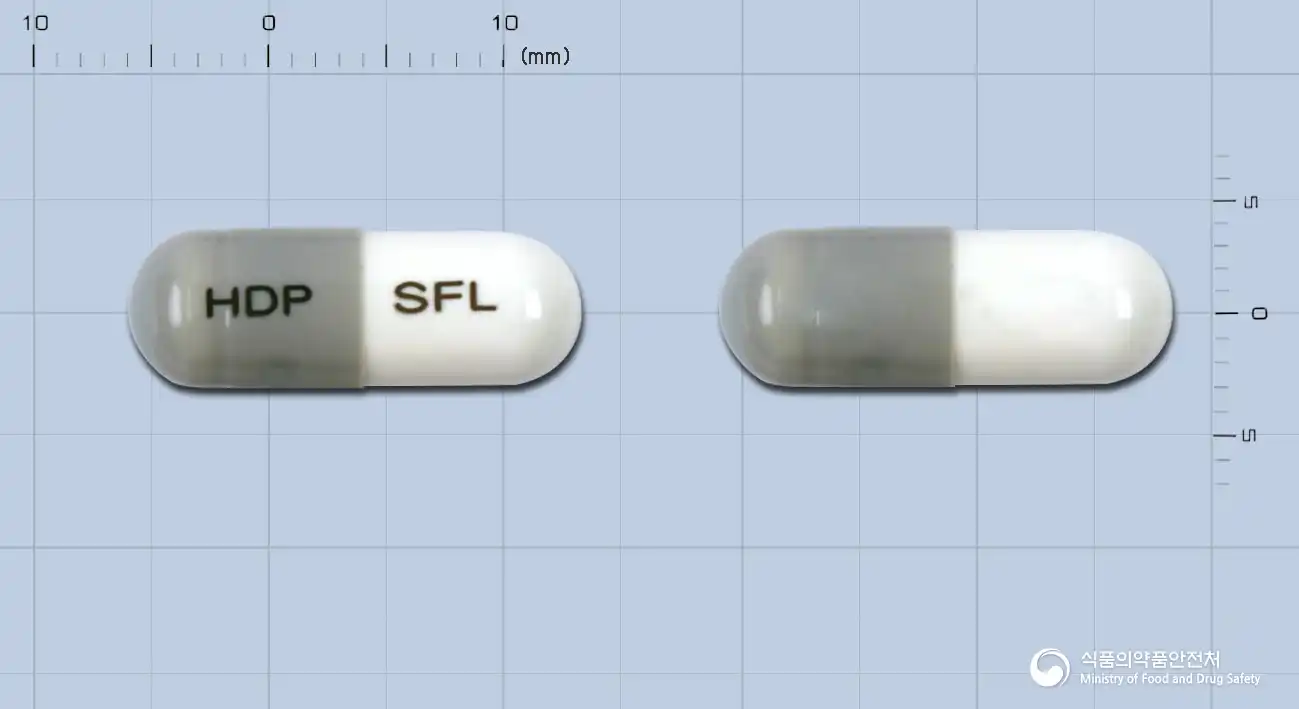
Acebrophylline 100mg
Hard capsule · Prescription medication
HyunDae Pharmaceutical Co., Ltd.
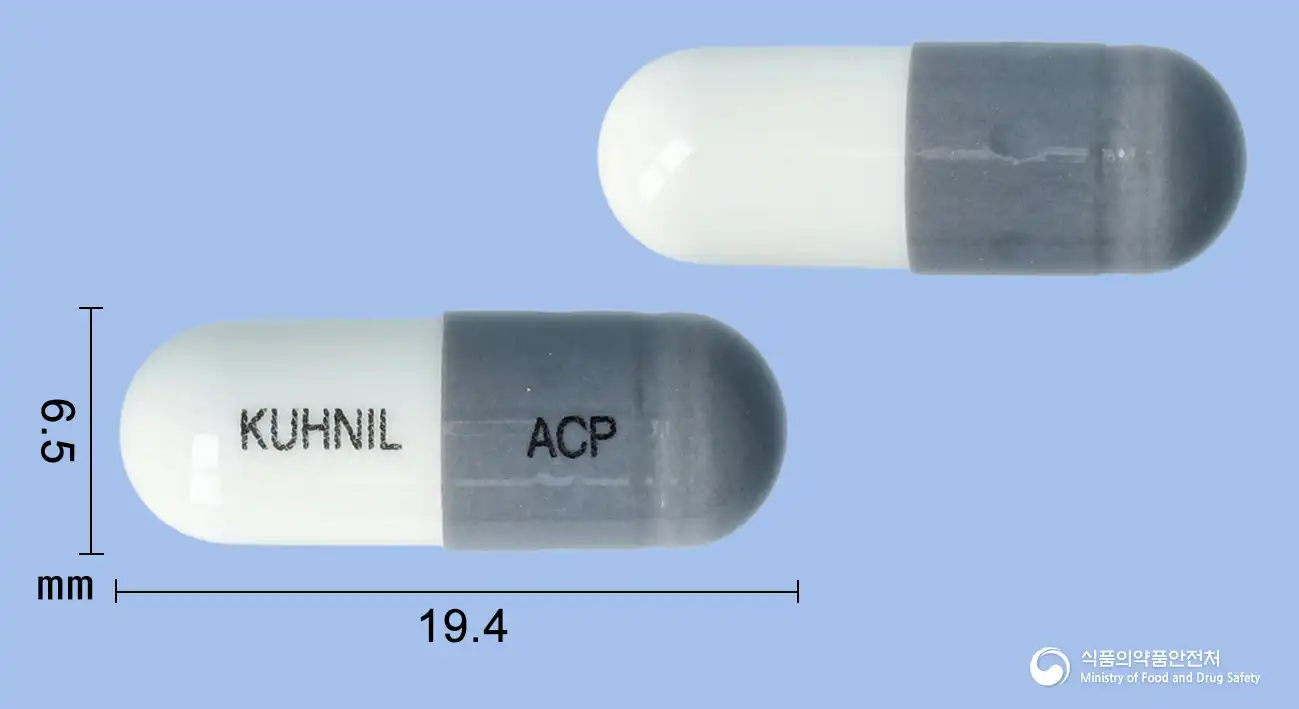
Acebrophylline 100mg
Hard capsule · Prescription medication
Gunil Pharmaceutical Co., Ltd.
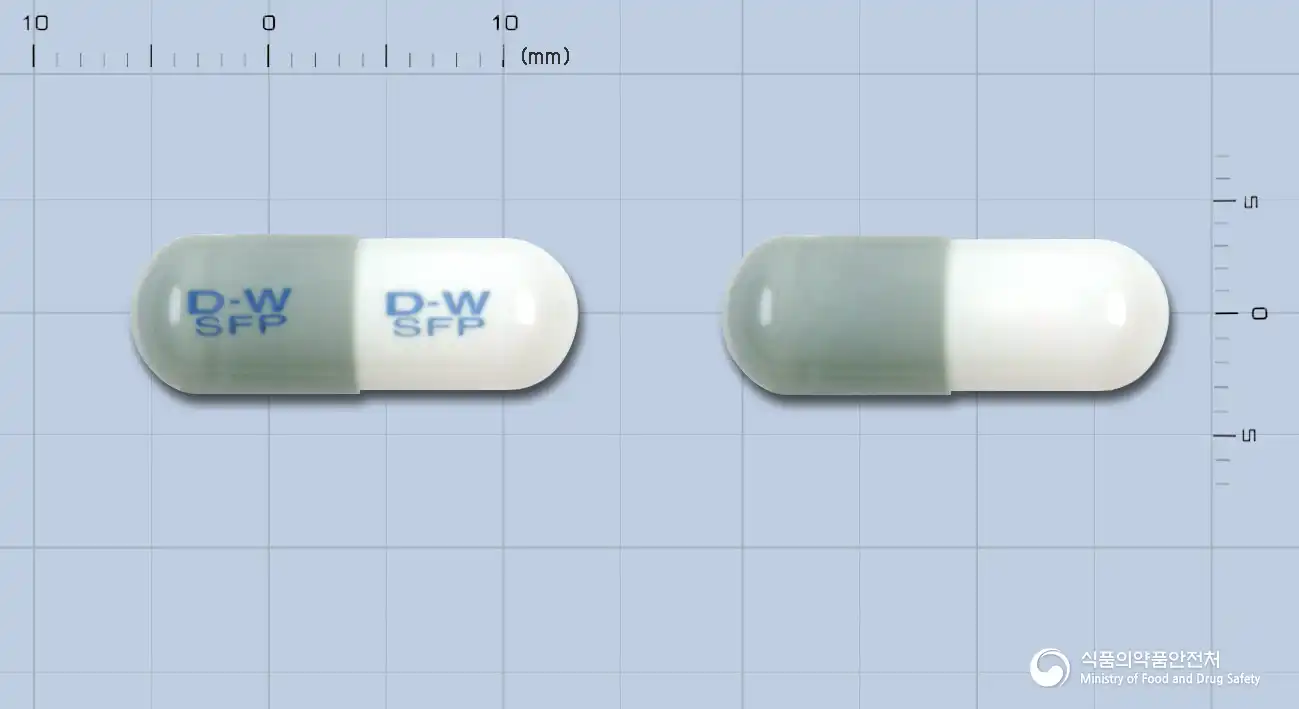
Acebrophylline 100mg
Hard capsule · Prescription medication
Donghwa Pharmaceutical Co., Ltd.
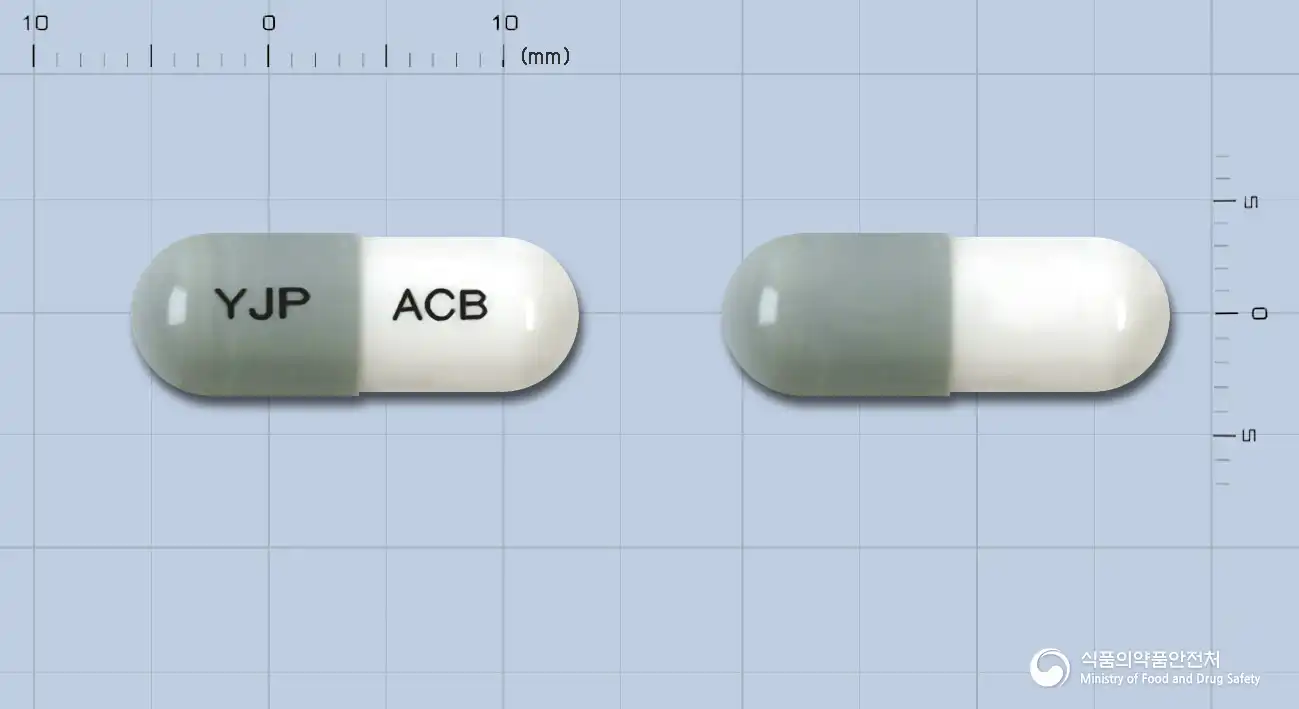
Acebrophylline 100mg
Hard capsule · Prescription medication
Youngjin Pharmaceutical Co., Ltd.
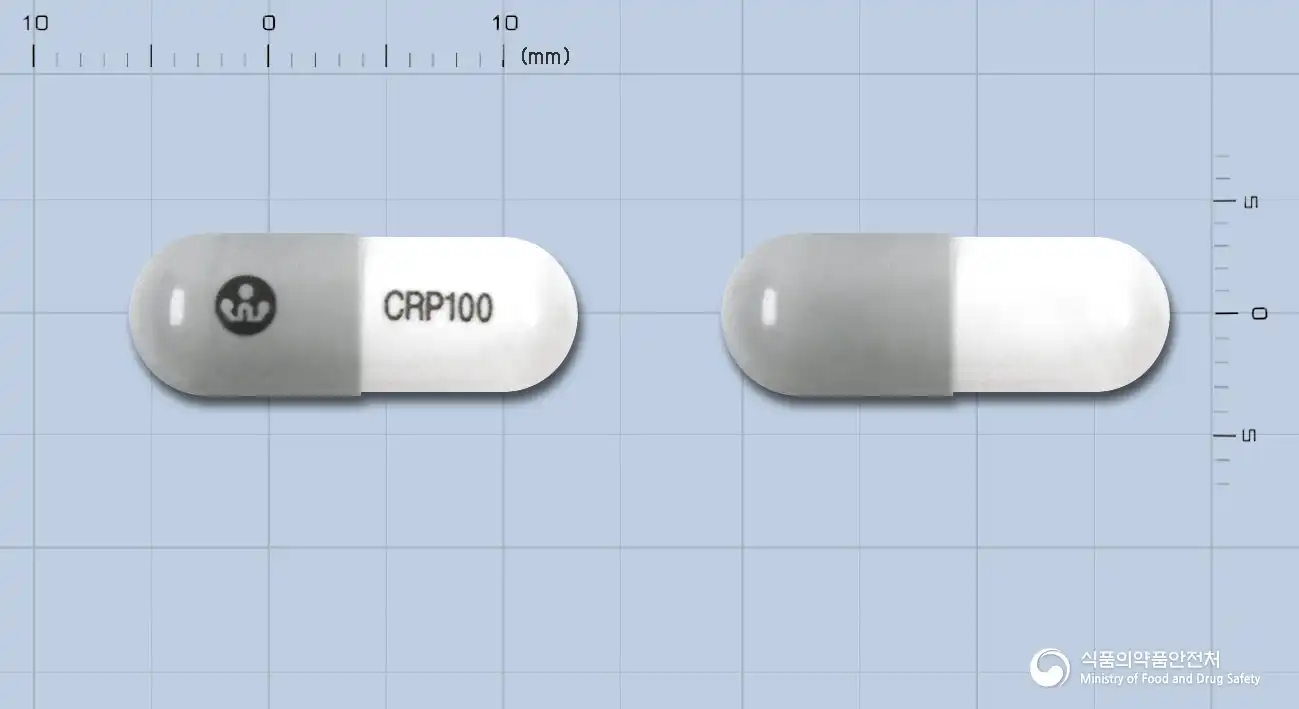
Acebrophylline 100mg
Hard capsule · Prescription medication
Hanin Pharmaceutical Co., Ltd.
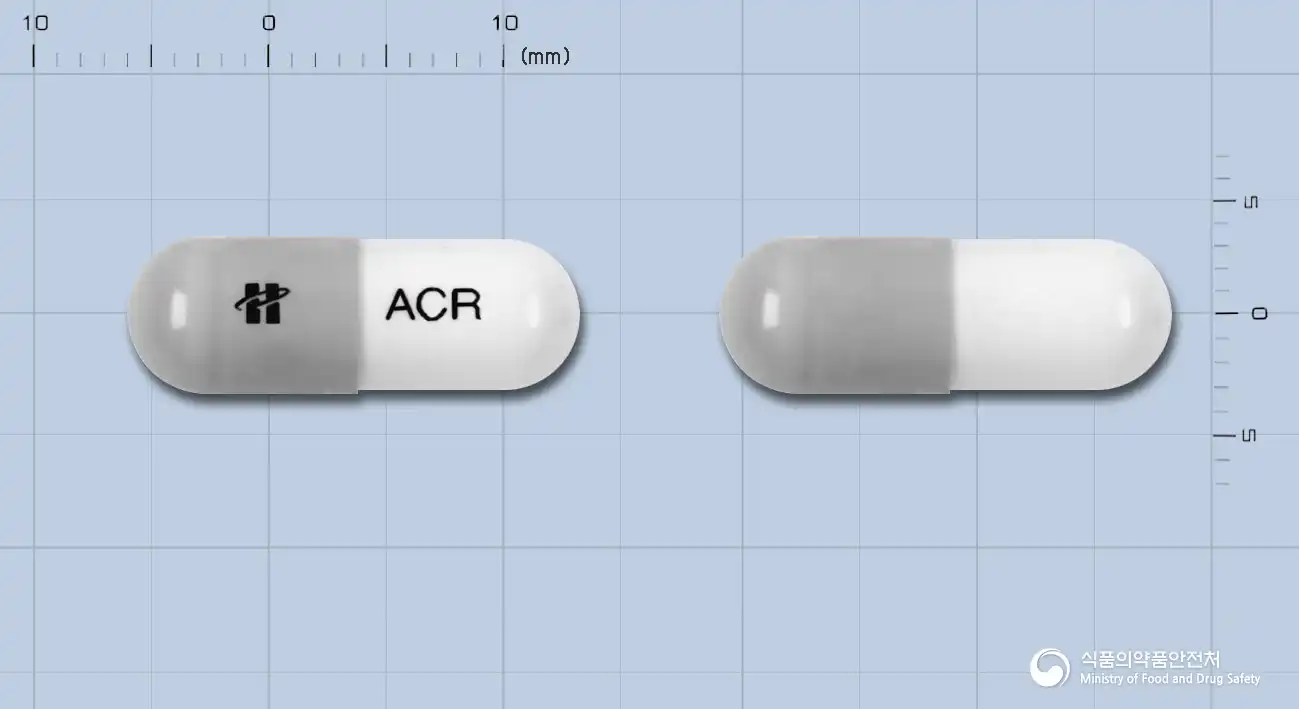
Acebrophylline 100mg
Hard capsule · Prescription medication
(Ltd.) Huons
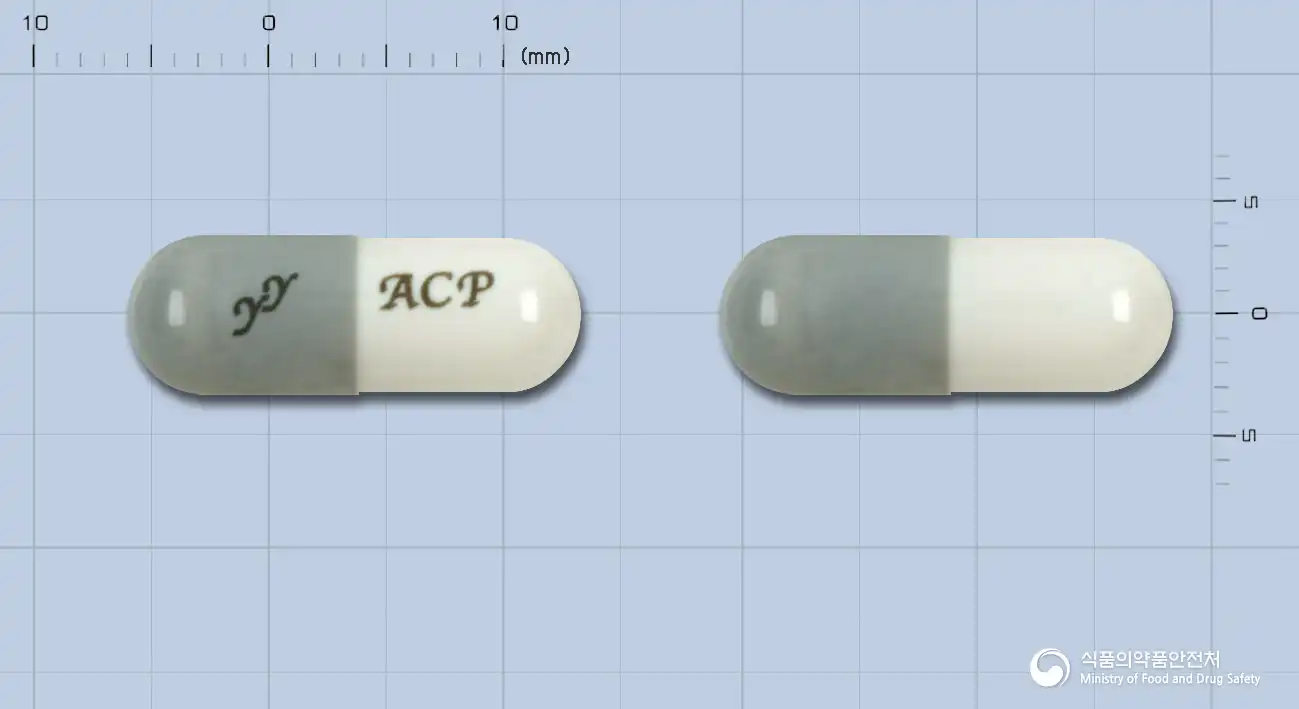
Acebrophylline 100mg
Hard capsule · Prescription medication
(Ltd.) Yuyoung Pharmaceutical
Even with the same ingredient, the dose and directions can differ by strength and dosage form. Talk to a doctor or pharmacist before switching from a medication you are already taking.
No questions yet.
For anything that needs medical judgment, consult a doctor or pharmacist.
This drug information is based on data provided by the Korea Ministry of Food and Drug Safety.
Consult a doctor or pharmacist for accurate dosage, administration, and usage instructions.