Medication info
Milta Tablet 7.5 mg (Mirtazapine)

Milta Tablet 7.5 mg (Mirtazapine)

Prescription medicationTabletOral · Intravenous injection
Ingredient · strength
Mirtazapine›7.5mg / 1 tablet
Manufacturer / importer
Myungin Pharmaceutical Co., Ltd.
Appearance
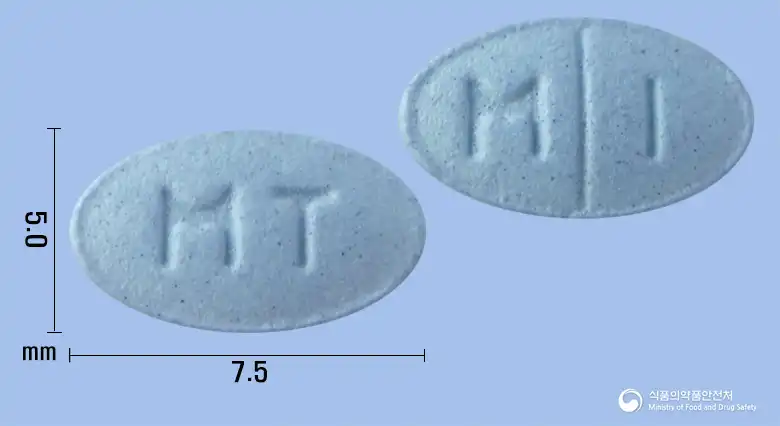
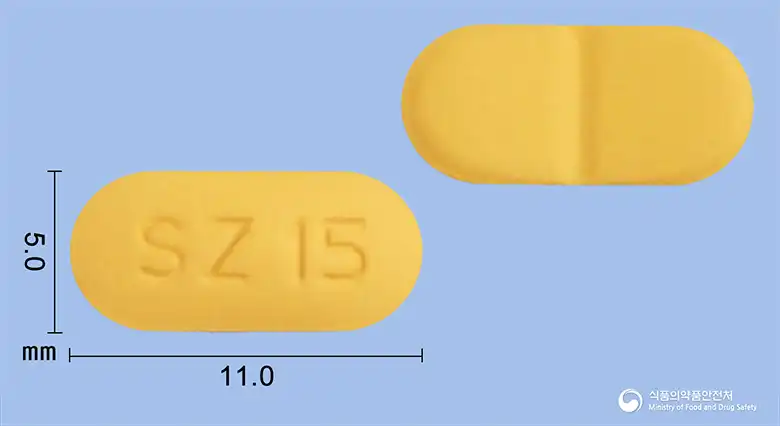
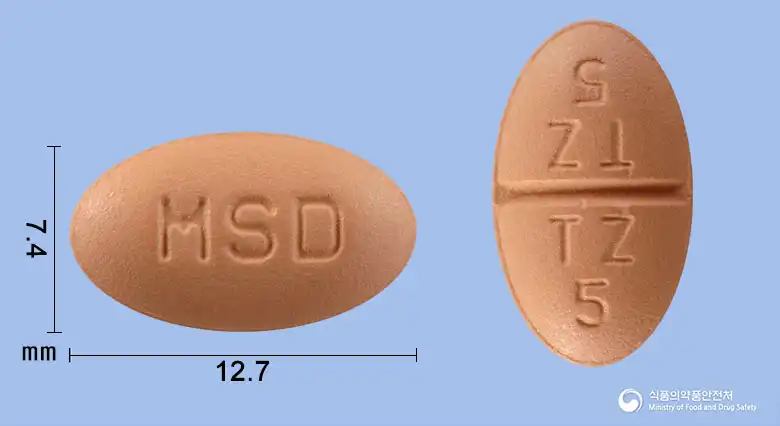
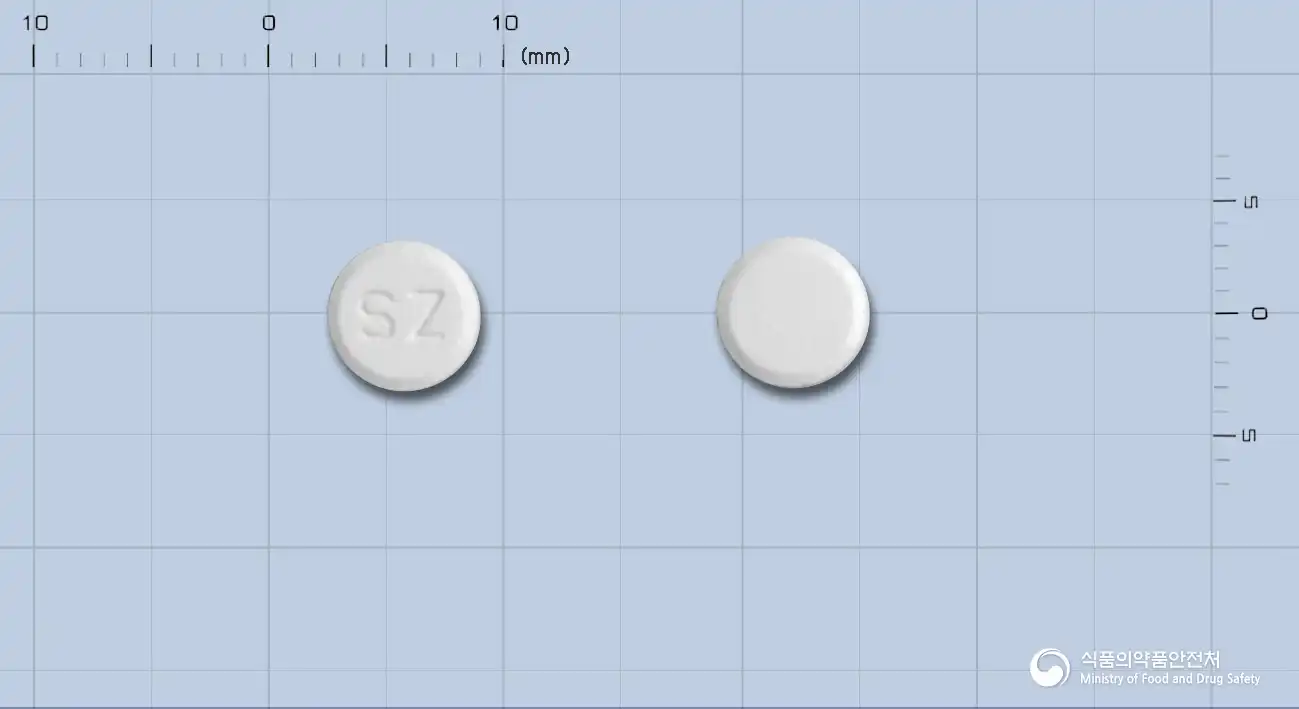
Blue oval film-coated tablet
Packaging
30 tablets/bottle, 200 tablets/bottle
Approval status
Active

MFDS item code 201706845 · Approved 2017.08.28 · Insurance code 651904580

Summary

Main use
Treatment of major depressive disorder
Who uses it
Adults · Children
Adult dosage
The therapeutic dose of this medicine should be adjusted according to the patient's clinical condition, and the lowest effective dose should be administered whenever possible. 1. Adults The initial dose of mirtazapine is 15mg daily, and the dose may need to be increased until an adequate clinical effect is achieved. The effective daily dose is usually 15~45 mg of this medicine. 2. Administration in specific populations 1) Patients with renal impairment Clearance of this medicine may be reduced in patients with moderate to severe renal impairment (creatinine clearance < 40 mL/min); use caution when prescribing. 2) Patients with hepatic impairment Clearance of this medicine may be reduced in patients with hepatic impairment; use caution when prescribing. In particular, this medicine has not been studied in patients with severe hepatic impairment, so use caution when prescribing. 3) Elderly patients The recommended dose is the same as for adults. When increasing the dose, careful monitoring is required to achieve a satisfactory and safe effect. 3. Switching from MAO inhibitors used to treat psychiatric disorders When discontinuing an MAO inhibitor used to treat psychiatric disorders and starting treatment with this medicine, allow an interval of at least 14 days. Conversely, at least 14 days must elapse after discontinuing this medicine before starting an MAO inhibitor for the treatment of psychiatric disorders. 4. Other MAO inhibitors such as linezolid or methylene blue Patients receiving linezolid or intravenous methylene blue must not start treatment with this medicine because of the increased risk of serotonin syndrome. For patients requiring more urgent treatment of a psychiatric condition, including hospitalization or other interventional procedures, consider treatment. It may be necessary to urgently administer linezolid or intravenous methylene blue to a patient already receiving this medicine. If no alternative to linezolid or intravenous methylene blue is available and, for a particular patient, the benefits of treatment with linezolid or intravenous methylene blue are judged to outweigh the risk of serotonin syndrome, immediately discontinue this medicine and administer linezolid or intravenous methylene blue. Monitor the patient for symptoms of serotonin syndrome for 2 weeks after administration of linezolid or intravenous methylene blue, or until 24 hours after the last dose, whichever comes first. Treatment with this medicine may be restarted 24 hours after the last dose of linezolid or intravenous methylene blue. The risk associated with administration of methylene blue by non-intravenous routes (oral tablets or local injection) or intravenous administration of this medicine at doses of 1mg/kg or less is unclear. Nevertheless, clinicians should be aware of the possibility of emergency symptoms of serotonin syndrome with these uses. The half-life of this medicine is 20∼40 hours, so once-daily dosing is sufficient; if possible, take it at a consistent time in the evening before bedtime. The daily dose may also be divided into equal doses taken once each in the morning and evening. Do not adjust the dose at intervals of less than 1~2 weeks, to allow sufficient time to assess the treatment response to the dose. With treatment at an appropriate dose, an effect is seen within 2~4 weeks. If the treatment effect is inadequate, the dose may be increased up to the maximum dose. If there is no effect after continuing treatment for another 2~4 weeks, discontinue treatment. Treatment should continue for at least 4∼6 months, until the patient's symptoms have completely resolved. Thereafter, gradual discontinuation is recommended to avoid withdrawal symptoms. Take this medicine orally and swallow it with water without chewing.
Children's dosage
Children and adolescents younger than 18 years: Do not use this medicine in children or adolescents younger than 18 years.

Ingredients

Manufacturer
Myungin Pharmaceutical Co., Ltd.

Efficacy & effects

Treatment of major depressive disorder

  • Major depressive disorder
View approved original text

This medication is used for major depressive disorder.

Dosage and Administration

Adult dosage

The therapeutic dose of this medicine should be adjusted according to the patient's clinical condition, and the lowest effective dose should be administered whenever possible. 1. Adults The initial dose of mirtazapine is 15mg daily, and the dose may need to be increased until an adequate clinical effect is achieved. The effective daily dose is usually 15~45 mg of this medicine. 2. Administration in specific populations 1) Patients with renal impairment Clearance of this medicine may be reduced in patients with moderate to severe renal impairment (creatinine clearance < 40 mL/min); use caution when prescribing. 2) Patients with hepatic impairment Clearance of this medicine may be reduced in patients with hepatic impairment; use caution when prescribing. In particular, this medicine has not been studied in patients with severe hepatic impairment, so use caution when prescribing. 3) Elderly patients The recommended dose is the same as for adults. When increasing the dose, careful monitoring is required to achieve a satisfactory and safe effect. 3. Switching from MAO inhibitors used to treat psychiatric disorders When discontinuing an MAO inhibitor used to treat psychiatric disorders and starting treatment with this medicine, allow an interval of at least 14 days. Conversely, at least 14 days must elapse after discontinuing this medicine before starting an MAO inhibitor for the treatment of psychiatric disorders. 4. Other MAO inhibitors such as linezolid or methylene blue Patients receiving linezolid or intravenous methylene blue must not start treatment with this medicine because of the increased risk of serotonin syndrome. For patients requiring more urgent treatment of a psychiatric condition, including hospitalization or other interventional procedures, consider treatment. It may be necessary to urgently administer linezolid or intravenous methylene blue to a patient already receiving this medicine. If no alternative to linezolid or intravenous methylene blue is available and, for a particular patient, the benefits of treatment with linezolid or intravenous methylene blue are judged to outweigh the risk of serotonin syndrome, immediately discontinue this medicine and administer linezolid or intravenous methylene blue. Monitor the patient for symptoms of serotonin syndrome for 2 weeks after administration of linezolid or intravenous methylene blue, or until 24 hours after the last dose, whichever comes first. Treatment with this medicine may be restarted 24 hours after the last dose of linezolid or intravenous methylene blue. The risk associated with administration of methylene blue by non-intravenous routes (oral tablets or local injection) or intravenous administration of this medicine at doses of 1mg/kg or less is unclear. Nevertheless, clinicians should be aware of the possibility of emergency symptoms of serotonin syndrome with these uses. The half-life of this medicine is 20∼40 hours, so once-daily dosing is sufficient; if possible, take it at a consistent time in the evening before bedtime. The daily dose may also be divided into equal doses taken once each in the morning and evening. Do not adjust the dose at intervals of less than 1~2 weeks, to allow sufficient time to assess the treatment response to the dose. With treatment at an appropriate dose, an effect is seen within 2~4 weeks. If the treatment effect is inadequate, the dose may be increased up to the maximum dose. If there is no effect after continuing treatment for another 2~4 weeks, discontinue treatment. Treatment should continue for at least 4∼6 months, until the patient's symptoms have completely resolved. Thereafter, gradual discontinuation is recommended to avoid withdrawal symptoms. Take this medicine orally and swallow it with water without chewing.

Children's dosage

Children and adolescents younger than 18 years: Do not use this medicine in children or adolescents younger than 18 years.

Precautions

This medicine is mainly used as an antidepressant for the treatment of depression. It is not recommended for use in children and adolescents under 18 years of age, and caution is needed especially in young adults aged 18 to 24, as there is an increased risk of suicidal thoughts or behaviors. Patients should be closely monitored during treatment, and if there are any abnormal behavioral changes such as suicidal tendencies, aggression, or anger, immediate consultation with medical personnel is necessary. While taking this medication, there can be a rare blood abnormality known as agranulocytosis, so if there are symptoms of sore throat, fever, or signs of infection, one should visit the hospital immediately. Patients with reduced liver or kidney function, patients with epilepsy or heart disease, and diabetes patients should exercise more caution when using this medication. Drowsiness and dizziness can commonly occur while taking this medication, so caution is needed when performing hazardous tasks such as driving or operating machinery. In addition, increased appetite and weight gain may occur, so it is advisable to monitor weight changes periodically. There may be interactions with other medications, so if you are taking other medications, you must inform your healthcare provider. Alcohol consumption can worsen drowsiness and impair motor skills when taking this medication, so it is best avoided during treatment. Pregnant or breastfeeding women should consult a doctor before taking this medication, as it may affect newborns, especially in the last trimester of pregnancy. In the case of an overdose, serious symptoms such as coma, loss of orientation, and arrhythmia can occur, so prescribed doses must be strictly adhered to. Abruptly discontinuing this medication may lead to withdrawal symptoms such as dizziness, anxiety, headache, and nausea, so it should be gradually reduced according to a doctor's instructions. Lastly, this medication should be stored out of the reach of children, and transferring it to other containers should be avoided.

Side effects

  • Drowsiness
  • nausea
  • increased appetite
  • weight gain
  • dizziness
  • weakness
  • flu-like syndrome
  • back pain
  • dry mouth
  • constipation
Show 211 more
  • peripheral edema
  • swelling
  • muscle pain
  • abnormal dreams
  • unusual incidents
  • tremors
  • confusion
  • shortness of breath
  • frequent urination
  • fatigue
  • abdominal pain
  • acute abdominal syndrome
  • chills
  • fever
  • facial swelling
  • ulcers
  • photosensitivity reactions
  • neck stiffness
  • neck pain
  • abdominal distension
  • soft tissue infection
  • chest pain below the sternum
  • hypertension
  • vasodilation
  • angina
  • myocardial infarction
  • bradycardia
  • premature ventricular contractions
  • fainting
  • migraine
  • hypotension
  • atrial arrhythmia
  • triplet beats
  • vascular headache
  • pulmonary embolism
  • cerebral ischemia
  • cardiomyopathy
  • phlebitis
  • left heart failure
  • vomiting
  • loss of appetite
  • belching
  • glossitis
  • cholecystitis
  • gum bleeding
  • stomatitis
  • colitis
  • abnormal liver function test
  • tongue discoloration
  • ulcerative stomatitis
  • salivary gland enlargement
  • hypersalivation
  • bowel obstruction
  • pancreatitis
  • aphthous stomatitis
  • cirrhosis
  • gastritis
  • gastroenteritis
  • oral candidiasis
  • tongue swelling
  • goiter
  • hypothyroidism
  • lymphadenopathy
  • leukopenia
  • petechiae
  • anemia
  • thrombocytopenia
  • lymphocytosis
  • pancytopenia
  • thirst
  • dehydration
  • weight loss
  • gout
  • elevated AST
  • abnormal healing
  • elevated alkaline phosphatase
  • elevated ALT
  • diabetes
  • hyponatremia
  • myasthenia gravis
  • arthralgia
  • arthritis
  • tendinitis
  • pathological fractures
  • osteoporotic fractures
  • bone pain
  • myositis
  • tendon rupture
  • arthrosis
  • bursitis
  • sensory reduction
  • numbness
  • depression
  • decreased motor function
  • dizziness
  • single contraction
  • agitation
  • anxiety
  • amnesia
  • hyperactivity
  • sensory abnormalities
  • ataxia
  • delirium
  • delirium state
  • loss of self-image
  • movement disorders
  • extrapyramidal syndrome
  • increased libido
  • coordination abnormalities
  • stuttering
  • hallucinations
  • manic reactions
  • neurosis
  • muscle tonus abnormality
  • hostility
  • increased reflexes
  • emotional instability
  • relief
  • paranoid reactions
  • aphasia
  • nystagmus
  • inability to sit still
  • confusion
  • dementia
  • diplopia
  • drug dependence
  • paralysis
  • major seizures
  • muscle hypotonia
  • hepatic myoclonus
  • psychotic depression
  • withdrawal syndrome
  • serotonin syndrome
  • increased cough
  • sinusitis
  • nosebleed
  • bronchitis
  • asthma
  • pneumonia
  • asphyxiation
  • laryngitis
  • pneumothorax
  • hiccups
  • itching
  • rash
  • acne
  • exfoliative dermatitis
  • dry skin
  • herpes simplex
  • hair loss
  • urticaria
  • shingles
  • skin hypertrophy
  • seborrhea
  • skin ulcers
  • eye pain
  • abnormal visual accommodation
  • conjunctivitis
  • hearing loss
  • keratoconjunctivitis
  • overflow incontinence
  • glaucoma
  • auditory hypersensitivity
  • ear pain
  • ocular inflammation
  • temporary unilateral hearing loss
  • otitis media
  • loss of taste
  • olfactory disturbance
  • urinary tract infection
  • kidney stones
  • cystitis
  • dysuria
  • urinary incontinence
  • urinary retention
  • vaginitis
  • hematuria
  • breast pain
  • amenorrhea
  • dysmenorrhea
  • white discharge
  • erectile dysfunction
  • polyuria
  • urethritis
  • uterine bleeding
  • menorrhagia
  • abnormal ejaculation
  • breast congestion
  • breast enlargement
  • urgency in urination
  • excessive sedation
  • forgetfulness
  • facial tremor
  • fatigue
  • tinnitus
  • skin mucosal syndrome
  • vesicular dermatitis
  • erythema multiforme
  • toxic epidermal necrolysis
  • increased serum creatine kinase
  • rhabdomyolysis
  • oral sensory reduction
  • lip swelling
  • bone marrow suppression
  • eosinophilia
  • restless legs syndrome
  • oral sensory disturbances
  • aggression
  • suicidal tendencies
  • suicidal impulses
  • suicidal behavior

Not everyone experiences these, and they can vary from person to person.

Storage

This medication should be stored in a container that is protected from light and air, avoiding humid places, and kept at a temperature between 2°C and 30°C. This will help maintain the effectiveness of the medication for a longer period of time.

Appearance and packaging

Appearance

Blue oval film-coated tablet

Package unit

30 tablets/bottle, 200 tablets/bottle

Same-ingredient medicines

Even with the same ingredient, strength, dosage form and how it is taken can differ.

Even with the same ingredient, the dose and directions can differ by strength and dosage form. Talk to a doctor or pharmacist before switching from a medication you are already taking.

Questions about this medicine

No questions yet.

For anything that needs medical judgment, consult a doctor or pharmacist.

Related searches

Search tags

Suggested searches

This drug information is based on data provided by the Korea Ministry of Food and Drug Safety.
Consult a doctor or pharmacist for accurate dosage, administration, and usage instructions.