
 한국어
한국어 English
 日本語
日本語 中文(简体)
 Viewing nowCombination
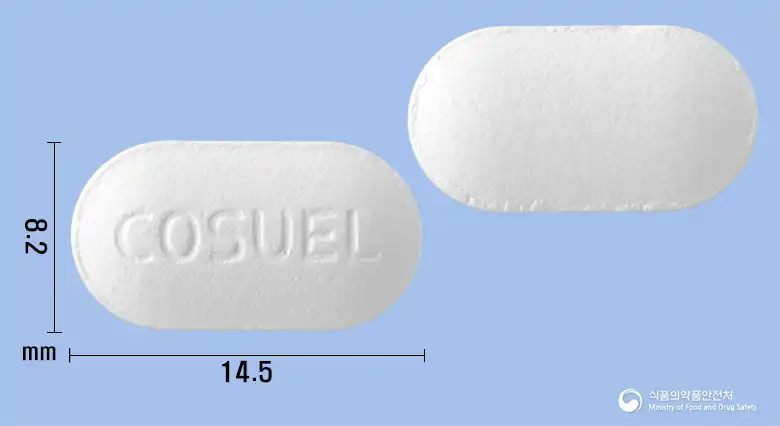
Koshuel Tablets
Levocetirizine Hydrochloride 2.5mg · Pseudoephedrine Hydrochloride 120mg
Tablet · Prescription medication · Combination
Kolon Pharmaceutical Co., Ltd.
MFDS item code 201706798 · Approved 2017.08.23 · Insurance code 670304200
Relief of symptoms related to seasonal and perennial allergic rhinitis (nasal congestion, sneezing, etc.)
This medication is used to relieve nasal congestion, sneezing, runny nose, and itching of the eyes and nose caused by seasonal and perennial allergic rhinitis.
Children over 12 years and adults should take 1 tablet twice daily (morning and evening) regardless of meals. This medication should not be chewed or crushed; it should be swallowed whole. Patients with renal or liver impairment should reduce the dose and take 1 tablet once daily.
Children over 12 years of age should take 1 tablet twice daily (morning and evening) regardless of meals. This medication should not be chewed or crushed; it should be swallowed whole. In cases of renal impairment, dose adjustment may be necessary.
This medication contains pseudoephedrine and may cause severe skin reactions. If fever, skin rash, or small pustules occur, discontinue use immediately and seek appropriate treatment. This medication should not be used in certain patients. For example, patients who are allergic to this drug or to ephedrine or piperazines, patients with severe hypertension or heart disease, patients taking monoamine oxidase inhibitors, patients with severe renal impairment or undergoing dialysis, patients with uncontrolled hyperthyroidism, severe arrhythmia, glaucoma, patients with urinary retention, patients with a history of stroke, and pregnant or breastfeeding women should not take this medication. Patients with diabetes, hyperthyroidism, hypertension, arrhythmia, impaired liver or kidney function, and benign prostatic hyperplasia should be particularly cautious when taking this medication, and caution should also be exercised when taken with sympathomimetics, central nervous system stimulants, antidepressants, or alcohol. Side effects such as dry mouth, headache, insomnia, drowsiness, dizziness, and nausea may occur while using this medication, and rarely, skin rash, increased blood pressure, cardiac arrhythmias, liver function abnormalities, and mental symptoms may develop. Drowsiness or fatigue may occur after taking this medication, so care should be taken when driving or operating machinery. It is advisable to avoid taking it with alcohol or antidepressants. It is safe not to take this medication during pregnancy or while breastfeeding, and it is not recommended for children under 12 years of age. Elderly individuals are at greater risk of side effects since impaired kidney function may cause the drug to remain in the body longer. In case of overdose, symptoms such as drowsiness, anxiety, seizures, and heart irregularities may occur, and immediate medical treatment is necessary as there is no specific antidote; treatment will be symptomatic. Store this medication out of reach of children, and keep it sealed in its original container at room temperature.
Acute generalized exanthematous pustulosis (AGEP), fever, erythema, multiple small pustules, severe skin reactions, urticaria, angioedema, severe allergic reactions, cerebrovascular accidents (stroke), pallor, liver function abnormalities (including jaundice), sudden and severe headache, thunderclap headache, seizures, confusion, visual disturbances, paralysis, markedly decreased urine output, generalized severe swelling, increased blood pressure, dyspnea, asthma attacks
Not everyone experiences these, and they can vary from person to person.
This medication may be sensitive to air and moisture, so it should be stored in a tightly sealed container. The storage temperature should be maintained between 1 to 30 degrees Celsius at room temperature. This will help prolong the medication's effectiveness.
White rectangular film-coated tablets
30 tablets/bottle, 300 tablets/bottle
Even with the same ingredient, strength, dosage form and how it is taken can differ.
Viewing nowCombinationLevocetirizine Hydrochloride 2.5mg · Pseudoephedrine Hydrochloride 120mg
Tablet · Prescription medication · Combination
Kolon Pharmaceutical Co., Ltd.
 Combination
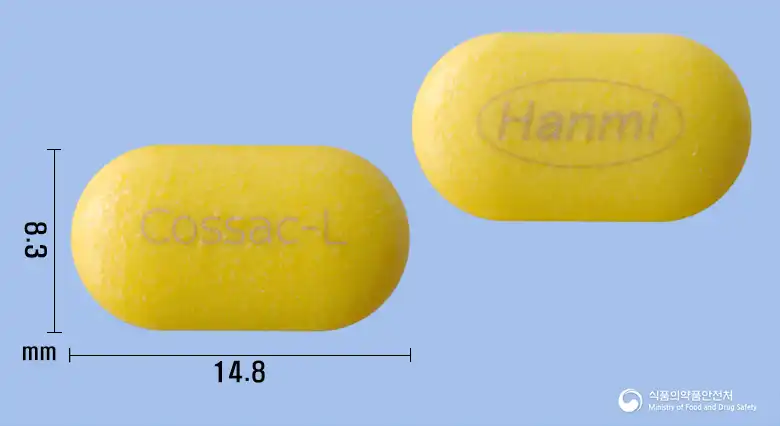
Pseudoephedrine Hydrochloride 120mg · Levocetirizine Hydrochloride 2.5mg
Tablet · Prescription medication · Combination
Hanmi Pharmaceutical Co., Ltd.
Even with the same ingredient, the dose and directions can differ by strength and dosage form. Talk to a doctor or pharmacist before switching from a medication you are already taking.
No questions yet.
For anything that needs medical judgment, consult a doctor or pharmacist.
This drug information is based on data provided by the Korea Ministry of Food and Drug Safety.
Consult a doctor or pharmacist for accurate dosage, administration, and usage instructions.