
 한국어
 English
 日本語
 中文(简体)
Dosage form image
Viewing nowHemozaide 500mg (Deferasirox)
Deferasirox 500mg
Prescription medication
Shinpoong Pharmaceutical Co., Ltd.
MFDS item code 201706178 · Approved 2017.07.25
Treatment of transfusion-dependent hemosiderosis
This medication is used in the treatment of transfusion-dependent hemosiderosis. It can be explained that it helps effectively remove excess iron accumulated in the body to prevent organ damage and improve symptoms. This prevents deterioration of the functions of the liver, heart, and endocrine system, thereby improving the overall health condition. Therefore, this treatment is crucial in addressing the problem of iron overload due to transfusion. When used appropriately according to the patient's condition, it can significantly help maintain health.
In patients receiving regular blood transfusions, treatment with this medicine is recommended after transfusion of approximately 20 units of packed red blood cells (equivalent to 100mL/kg), or when clinical monitoring shows clinical evidence of chronic iron accumulation (serum ferritin > 1000μg/L or liver iron concentration > 2mg Fe/g dry weight). Calculate the dose in mg/kg and use the sachet with the closest strength intact. The recommended starting dose of this medicine is 20mg/kg once daily. A starting dose of 30mg/kg/day may be considered in patients receiving more than 14mL/kg/month of packed red blood cells (more than 4 units per month in adults) who need a reduction in iron overload. A starting dose of 10mg/kg/day may be considered in patients receiving less than 7mL/kg/month of packed red blood cells (less than 2 units per month in adults) who need to maintain their iron concentration. For patients who have already responded well to deferoxamine treatment, the starting dose of this medicine should be considered at half the deferoxamine dose. (For example, a patient who has been receiving deferoxamine 40mg/kg/day for 5 days each week, or an equivalent dose, may begin treatment with this medicine at 20mg/kg/day.) Serum ferritin should be monitored monthly, and the dose of this medicine is recommended to be adjusted every 3-6 months as needed according to changes in serum ferritin. The dose may be adjusted in increments of 5-10mg/kg and should be individualized according to the patient's response and treatment goals (maintenance or reduction of iron burden). In patients whose iron overload is not adequately controlled with a dose of 30mg/kg (for example, when serum ferritin levels remain above 2500μg/L with no downward trend over time), an increase in the dose to 40mg/kg may be considered. Since experience with doses exceeding 40mg/kg/day is limited, doses exceeding 40mg/kg/day are not recommended. Treatment with this medicine should be discontinued if serum ferritin is below 500μg/L on several consecutive measurements. Urinary iron excretion is not an appropriate parameter for monitoring treatment. This medicine should be used with caution in patients whose serum creatinine is above the upper limit of the appropriate age-related normal range. Particular caution is required in patients with additional risk factors that may impair renal function, such as concomitant medication use, dehydration, or severe infection. The recommended starting dose for patients with renal impairment is the same as that for the general adult population. Serum creatinine should be monitored monthly in all patients, and the daily dose may be reduced to 10mg/kg if necessary. The starting dose should be reduced by approximately 50% in patients with moderate hepatic impairment (Child-Pugh B), and this medicine should not be administered to patients with severe hepatic impairment (Child-Pugh C). In patients with mild (Child-Pugh A) or moderate hepatic impairment (Child-Pugh B), efficacy and the occurrence of adverse reactions that may require dose adjustment should be closely monitored. Liver function should be monitored in all patients before starting treatment, every 2 weeks during the first month of treatment, and monthly thereafter. The recommended dose for elderly patients is the same as that for adult patients. In clinical trials, adverse reactions occurred more frequently in elderly patients than in younger patients; therefore, patients should be closely monitored for adverse reactions that may require dose adjustment. This medicine should be taken once daily on an empty stomach, preferably at the same time each day, at least 30 minutes before food. Swallow this medicine with water (100-200mL), then rinse the mouth with a small amount of water and swallow any residue remaining in the mouth. Do not take this medicine without water.
Children aged 2 to under 6 years: The starting dose should be the same as in adults and should then be adjusted individually. A higher dose than that required in adults may be needed. Changes in the child's body weight over time should be taken into account when calculating the dose. Children under 2 years: Use is not recommended because there are insufficient data on efficacy and safety.
This drug may affect kidney and liver function, so the condition of the kidneys and liver should be thoroughly monitored regularly before and during administration. Particularly, there is a higher risk of side effects in patients who are older, have blood disorders, or low platelet counts, requiring extra caution. This drug can irritate the gastrointestinal tract, and in severe cases, gastrointestinal bleeding or ulcers may occur; thus, any gastrointestinal symptoms should be reported to healthcare professionals immediately. Blood cell count may decrease, leading to leukopenia, so regular blood tests should be performed, and if abnormalities are detected, medication may need to be discontinued. Rarely, serious allergic reactions may occur, so any unusual symptoms during the initial dosing should be addressed immediately. This drug should not be used in patients with certain genetic disorders, children under two years of age, or patients with severely impaired kidney function. Pregnant or breastfeeding women should avoid using this drug and consult a specialist if necessary. Taking the drug with food may affect absorption, so it is recommended to take it on an empty stomach at a regular time. There may be interactions with other medications, so it is essential to inform healthcare providers of any medications being taken. In the case of overdose, symptoms such as nausea, vomiting, headache, and diarrhea may occur, so it is crucial to adhere strictly to the prescribed dosage. This drug does not significantly affect children's growth and development, but regular monitoring of their growth status is recommended. Lastly, this drug should be stored in a cool, dry place at temperatures below 30 degrees Celsius, out of reach of children.
Not everyone experiences these, and they can vary from person to person.
This drug should be stored in a tightly closed container to prevent air or moisture from entering. It should not be placed in overly hot or cold environments; normal room temperature between 1 degree and 30 degrees Celsius is recommended.
White to yellowish powder
30 sachets
Even with the same ingredient, strength, dosage form and how it is taken can differ.
Deferasirox 500mg
Prescription medication
Shinpoong Pharmaceutical Co., Ltd.
Deferasirox 2500mg
Suspension · Prescription medication
Daewon Pharmaceutical Co., Ltd.
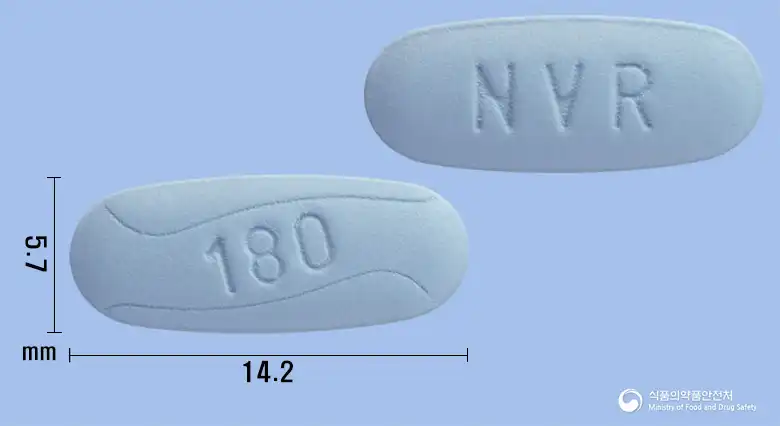
Deferasirox 180mg
Tablet · Prescription medication
Hanmi Novartis Co., Ltd.
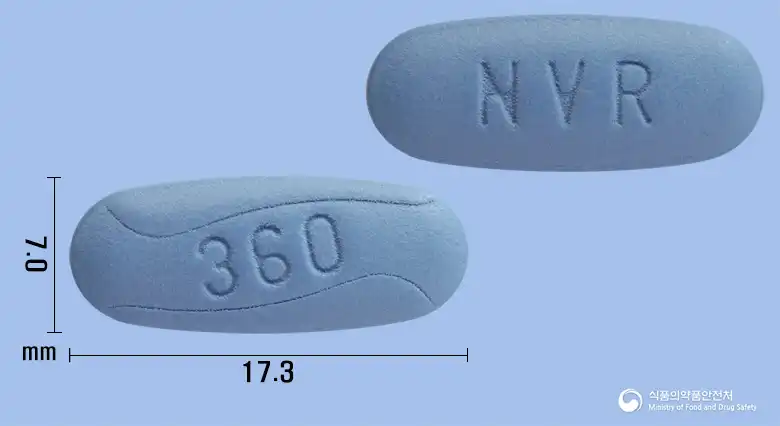
Deferasirox 360mg
Tablet · Prescription medication
Korea Novartis Co., Ltd.
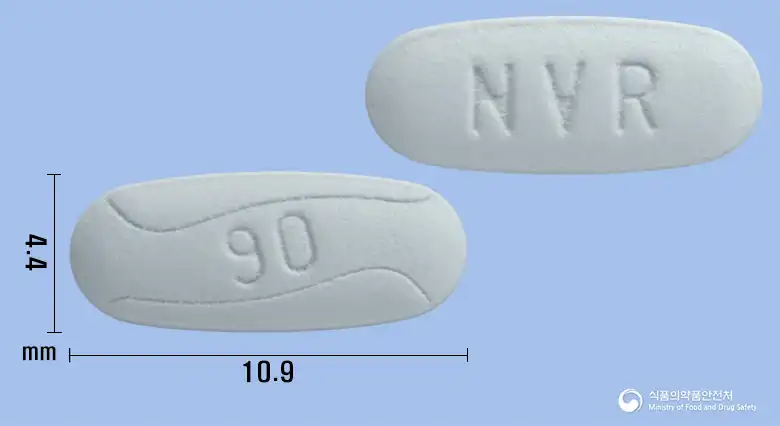
Deferasirox 90mg
Tablet · Prescription medication
Korea Novartis Co., Ltd.
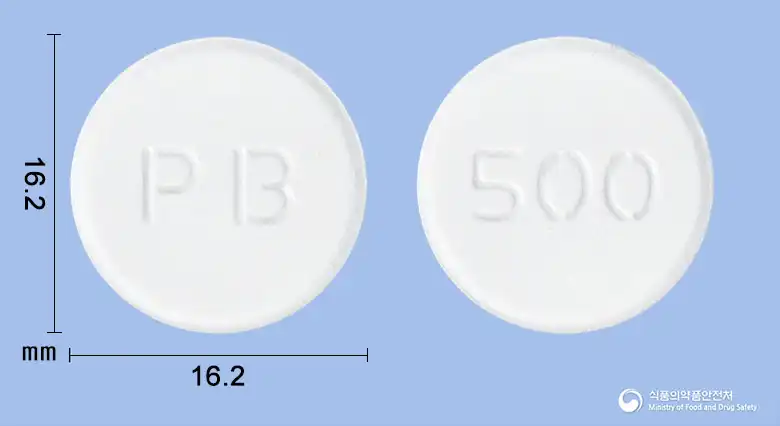
Deferasirox 500mg
Tablet · Prescription medication
HanKo PharmBio Co., Ltd.
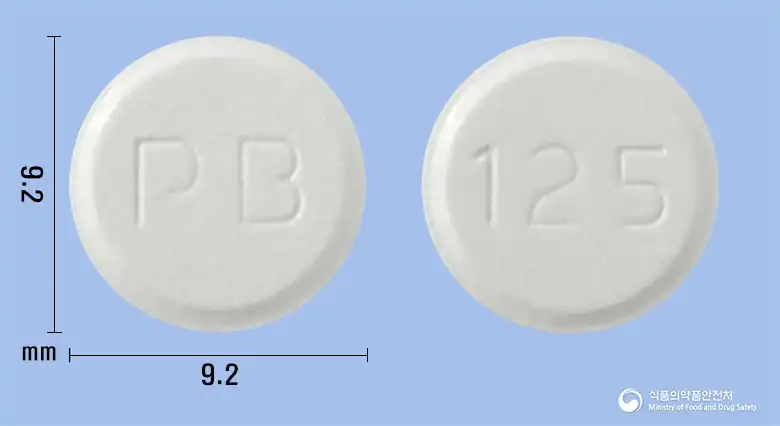
Deferasirox 125mg
Tablet · Prescription medication
Korea Pharm Bio Co., Ltd.
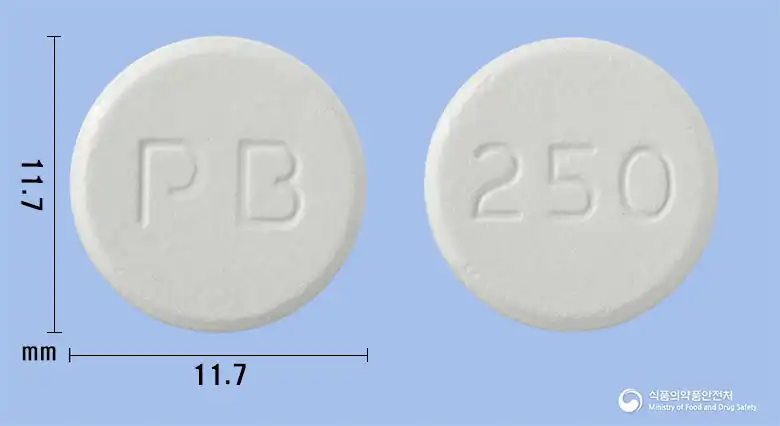
Deferasirox 250mg
Tablet · Prescription medication
Korea Pharma Bio Co., Ltd.
Even with the same ingredient, the dose and directions can differ by strength and dosage form. Talk to a doctor or pharmacist before switching from a medication you are already taking.
No questions yet.
For anything that needs medical judgment, consult a doctor or pharmacist.
This drug information is based on data provided by the Korea Ministry of Food and Drug Safety.
Consult a doctor or pharmacist for accurate dosage, administration, and usage instructions.