
 한국어
한국어 English
 日本語
日本語 中文(简体)
 Viewing now
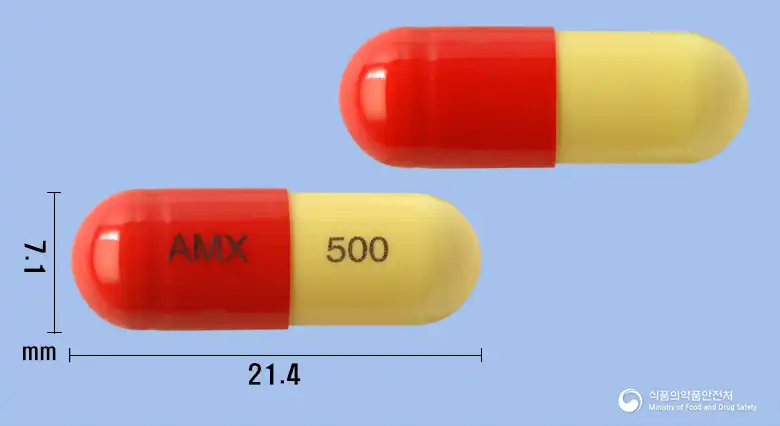
Amoxicapsule 500 mg (Amoxicillin Hydrate)
Amoxicillin Hydrate 500mg
Hard capsule · Prescription medication
Osstem Pharma Co., Ltd.
MFDS item code 201706142 · Approved 2017.07.24 · Insurance code 053500080
Treatment of infections such as streptococcal infections
This medicine is effective against various bacteria including streptococcus, pneumococcus, staphylococcus, and gonococcus. It is used for skin and soft tissue infections such as abscesses, cellulitis, and pyoderma. It is also effective for upper respiratory infections such as tonsillitis, otitis media, and sinusitis as well as respiratory infections like pneumonia and bronchitis. It is applicable for urinary tract infections such as pyelonephritis, cystitis, and urethritis, as well as abdominal infections like peritonitis, liver abscess, and typhoid fever. Additionally, it is used for the treatment of serious infections like osteomyelitis and intrauterine infections, thus widely used for various bacterial infections.
Adults and children weighing over 20 kg should take 250-500 mg (potency) as a single dose orally three times daily.
For children weighing less than 20 kg, take 20-40 mg (potency) per Kg of body weight divided into three oral doses daily.
This medication should not be used in patients with a history of severe allergic reactions to this medication or penicillin antibiotics. It is also not recommended for patients with infectious mononucleosis. Careful use is needed for patients allergic to cephalosporin antibiotics or those with a family history suggesting an allergic constitution. Patients with severely impaired kidney function may have increased drug concentrations, necessitating extended dosage intervals. Patients who have difficulty taking orally, the elderly, or those in poor general health should be closely monitored for symptoms of vitamin K deficiency. Severe allergic reactions or shock may occur very rarely; thus, if symptoms such as discomfort, dizziness, or difficulty breathing appear during administration, the medication should be discontinued immediately. If symptoms such as fever, rash, urticaria, or arthralgia appear, discontinue the drug and seek appropriate treatment immediately. Gastrointestinal symptoms such as nausea, vomiting, abdominal pain, and diarrhea may occur, and in severe cases, colitis may develop, so treatment should be stopped if symptoms are severe. Abnormal blood test results may occur, requiring ongoing monitoring, and if abnormalities are confirmed, the medication should be discontinued. Rarely, central nervous system symptoms such as agitation, insomnia, or confusion have been reported, and in severe cases, aseptic meningitis may occur. Skin rashes or severe skin conditions may develop; thus, it's important to closely monitor the skin, and if any adverse symptoms occur, discontinue treatment. Hepatic dysfunction or worsening kidney function may arise, necessitating regular examinations; treatment should be stopped immediately upon discovering any abnormalities. Disruption of intestinal microbial balance may lead to mucositis or colitis; therefore, if symptoms appear, medication should be discontinued. Rarely, bleeding tendencies due to vitamin K deficiency or symptoms of vitamin B group deficiency may occur, thus caution is advised. When using this drug, it is recommended to administer it only for the minimum necessary duration to prevent the development of drug-resistant bacteria. To prevent severe allergic reactions, pre-administration screening and skin tests are recommended. In case of emergencies, prepare emergency treatments such as epinephrine, oxygen, and steroids, and closely observe the patient after administration. Care should be taken to prevent secondary infections caused by fungi or other bacteria; if infection is suspected, the drug should be discontinued immediately. During high-dose administration, adequate hydration and maintenance of urine output should be ensured to prevent kidney damage. When combined with certain medications, side effects may increase or efficacy may decrease, so consulting with healthcare professionals is essential. Women who are pregnant or may become pregnant should use this medication with caution only when necessary, and nursing mothers should be careful as well. Children and the elderly may have different bodily functions, making dose adjustment and state observation important. This medication may affect the results of certain clinical tests, so it is advisable to inform healthcare personnel during testing. Overdose may lead to kidney damage, hence it is crucial to adhere strictly to the prescribed dosage.
Urticaria, severe swelling (edema), shock, severe allergic reactions, angioedema, Stevens-Johnson syndrome, toxic epidermal necrolysis, drug reaction (DRESS), acute generalized exanthematous pustulosis, linear IgA disease, jaundice, liver dysfunction, acute renal failure, severe kidney impairment, aseptic meningitis, altered consciousness, severe skin reactions, severe edema or urination problems, severe allergic reactions, respiratory problems, shock, thunderclap headache, altered consciousness
Not everyone experiences these, and they can vary from person to person.
This medication should be stored in a tightly closed container to prevent exposure to air and moisture. Additionally, the medication should be stored at room temperature between 1°C and 30°C. Proper storage will help maintain the medication's efficacy for a longer period.
Capsule with a red upper part and a light yellow lower part containing a white to light yellow powder
30 capsules/bottle, 300 capsules/bottle, 500 capsules/bottle
Even with the same ingredient, strength, dosage form and how it is taken can differ.
Viewing nowAmoxicillin Hydrate 500mg
Hard capsule · Prescription medication
Osstem Pharma Co., Ltd.

Amoxicillin Hydrate 250mg
Hard capsule · Prescription medication
Yuhan Corporation

Amoxicillin Hydrate 250mg
Hard capsule · Prescription medication
Dongwha Pharmaceutical Co., Ltd.

Amoxicillin Hydrate
Hard capsule · Prescription medication
(Company) Boryung

Amoxicillin Hydrate
Hard capsule · Prescription medication
(Boryung Pharmaceutical Co., Ltd.)
Amoxicillin Hydrate 3.23g
Syrup · Prescription medication
Donghwa Pharmaceutical Co., Ltd.
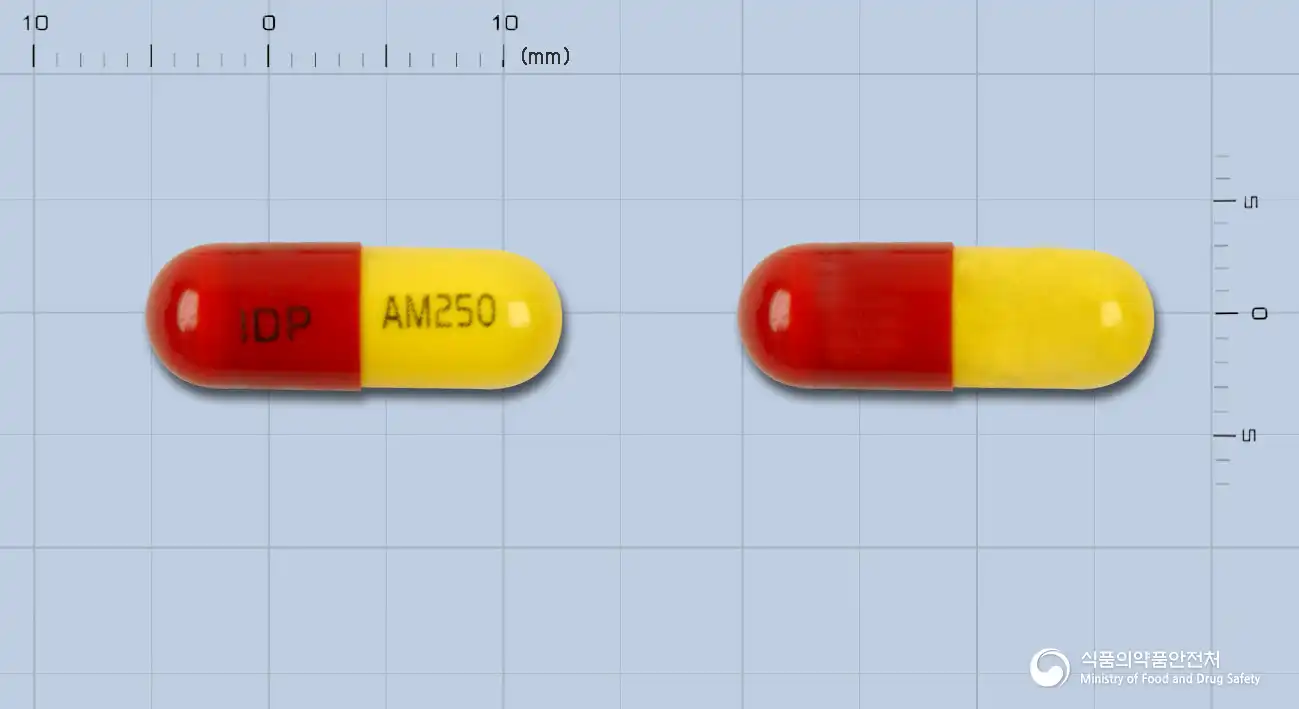
Amoxicillin Hydrate 250mg
Hard capsule · Prescription medication
Ildong Pharmaceutical Co., Ltd.
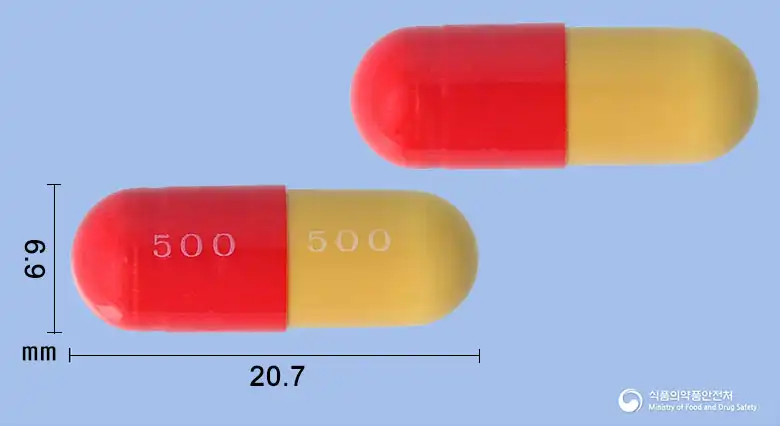
Amoxicillin Hydrate 500mg
Hard capsule · Prescription medication
Jongkundang Co., Ltd.
Even with the same ingredient, the dose and directions can differ by strength and dosage form. Talk to a doctor or pharmacist before switching from a medication you are already taking.
No questions yet.
For anything that needs medical judgment, consult a doctor or pharmacist.
This drug information is based on data provided by the Korea Ministry of Food and Drug Safety.
Consult a doctor or pharmacist for accurate dosage, administration, and usage instructions.