
 한국어
 English
 日本語
 中文(简体)
 Viewing now
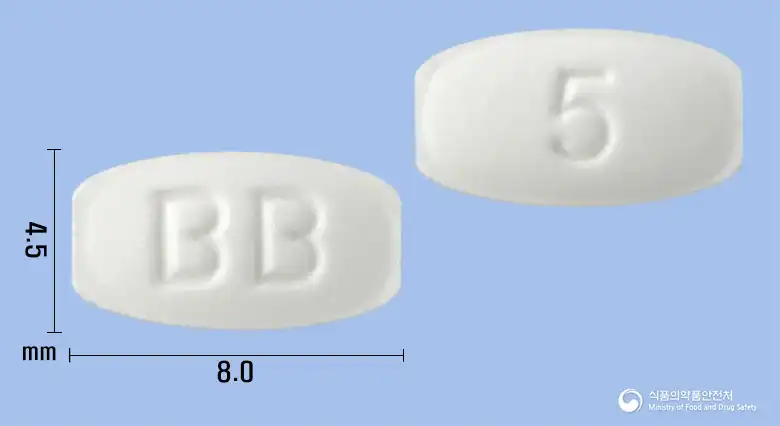
Babron Tablet 5mg (Buspirone Hydrochloride)
Buspirone Hydrochloride 5mg
Tablet · Prescription medication
CTC Bio., Ltd.
MFDS item code 201705786 · Approved 2017.07.20 · Insurance code 669502230
Treatment of anxiety disorders and short-term relief of anxiety symptoms
This medication is used to treat anxiety disorders and helps to relieve anxiety symptoms for a short period. It plays a role in reducing the patient's anxiety and allowing them to feel comfortable in daily life. If used appropriately, improvement of symptoms can be expected.
Adults: The initial dose is 5 mg of buspirone hydrochloride orally 3 times daily. If necessary, to achieve an adequate therapeutic response, the dose may be increased by 5 mg/day at intervals of 2-3 days; a total daily dose of 20-30 mg divided into doses is recommended. The total daily dose should not exceed 60 mg. The dose may be adjusted according to age and symptoms.
This medication should not be used in certain patient populations. For example, individuals with an allergic reaction to this drug, those with severe liver or kidney impairment, epilepsy patients, those with acute glaucoma, those with myasthenia gravis, and those taking certain antidepressants such as MAO inhibitors may be at risk when taking this drug. Additionally, since this medication contains lactose, patients with a genetic disorder that prevents lactose digestion should avoid it. Various side effects may occur while using this medication. It can affect the heart and blood vessels, leading to chest pain, changes in blood pressure, and heart problems, while the central nervous system may experience drowsiness, dizziness, insomnia, hallucinations, and in severe cases, psychotic symptoms. It may also affect the eyes and ears, potentially causing tinnitus, sore throat, and redness of the eyes, and rarely, thyroid disorders or increased milk secretion may occur. Gastrointestinal symptoms such as abdominal bloating, changes in appetite, and nausea may arise, and a range of symptoms may occur in the urinary and reproductive systems as well as the musculoskeletal system. Skin reactions may include itching, rash, swelling, and abnormalities in liver function or changes in blood cell counts may be reported, albeit rarely. Particularly, a serious condition called neuroleptic malignant syndrome may occur, which presents with muscle rigidity, high fever, and altered consciousness, necessitating immediate treatment. This medication is not an established treatment for psychosis, and it is advisable to avoid driving or operating hazardous machinery following its use. Furthermore, there is a potential for interactions with other central nervous system drugs; therefore, caution is advised when taking it with other medications. Using it with alcohol is not recommended, and caution should be exercised with certain medications as they may cause liver function impairments, so consultation with healthcare professionals is necessary. Women who are pregnant or planning to become pregnant should use this medication only cautiously as its safety has not been established, and it is advisable to avoid use while breastfeeding. Safety and effectiveness in children under 18 years have not been confirmed, so it is preferable to avoid use. In case of overdose, symptoms such as nausea, vomiting, dizziness, and drowsiness may appear, and since there is no specific antidote, immediate hospital treatment should be sought. Finally, during the use of this medication, inform healthcare professionals about any currently taking medications or alcohol consumption, and make sure to communicate about pregnancy or breastfeeding status.
Not everyone experiences these, and they can vary from person to person.
This medication should be stored in a tightly sealed container to protect it from air or moisture and should be kept at room temperature between 1 and 30 degrees Celsius. This will help maintain the medication's effectiveness for a longer period.
White oval tablets
30 tablets/bottle, 300 tablets/bottle
Even with the same ingredient, strength, dosage form and how it is taken can differ.
Viewing nowBuspirone Hydrochloride 5mg
Tablet · Prescription medication
CTC Bio., Ltd.
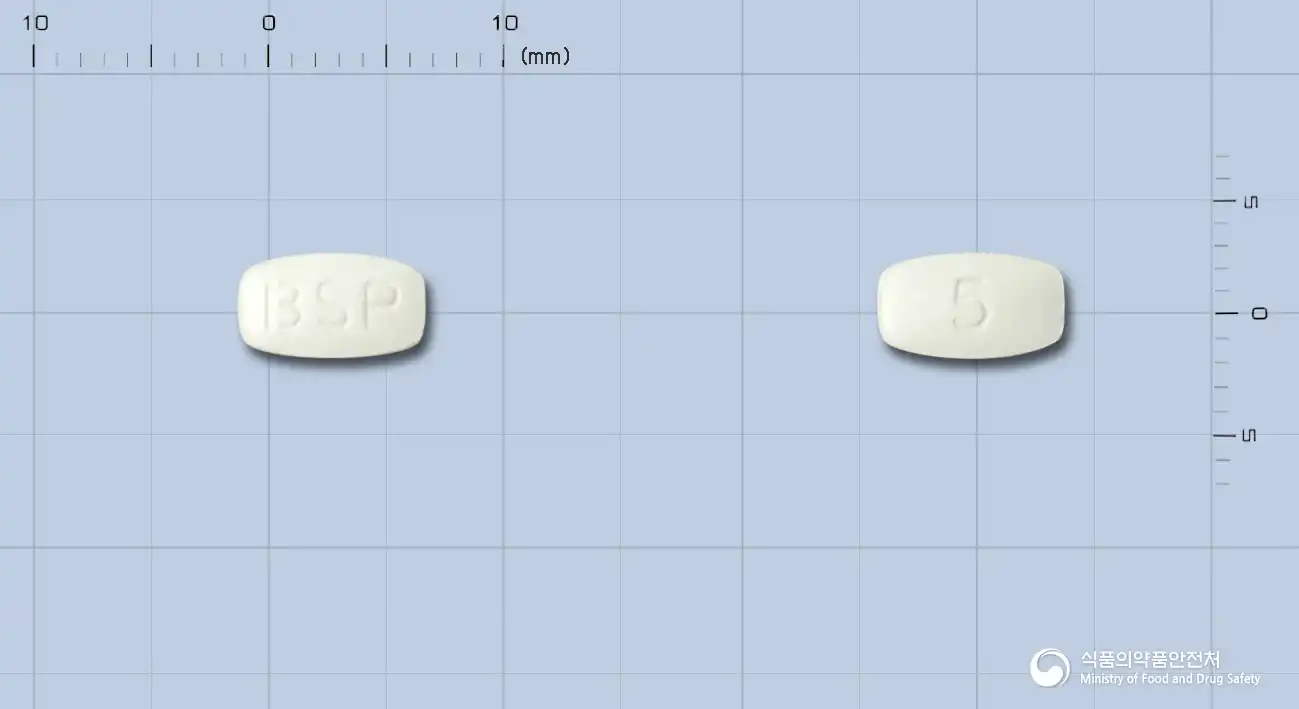
Buspirone Hydrochloride 5mg
Tablet · Prescription medication
Boryeong Co., Ltd.
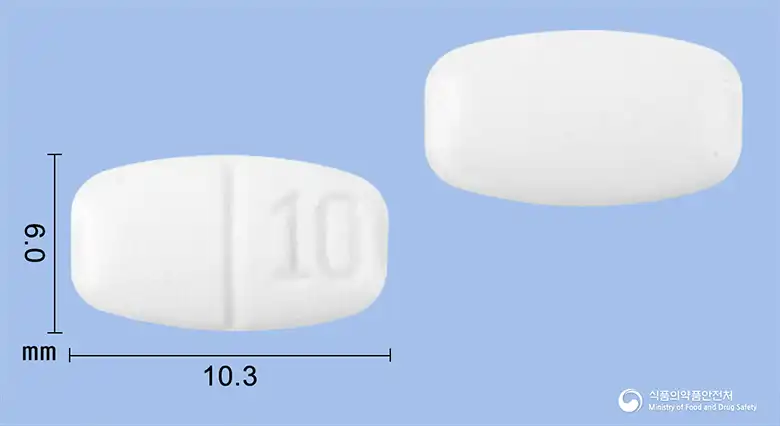
Buspirone Hydrochloride 10mg
Tablet · Prescription medication
Boryung Pharmaceutical Co., Ltd.
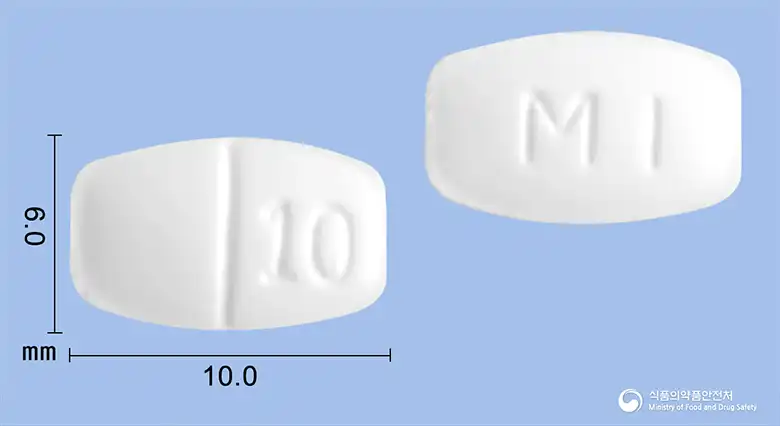
Buspirone Hydrochloride 10mg
Tablet · Prescription medication
Myongin Pharmaceutical Co., Ltd.
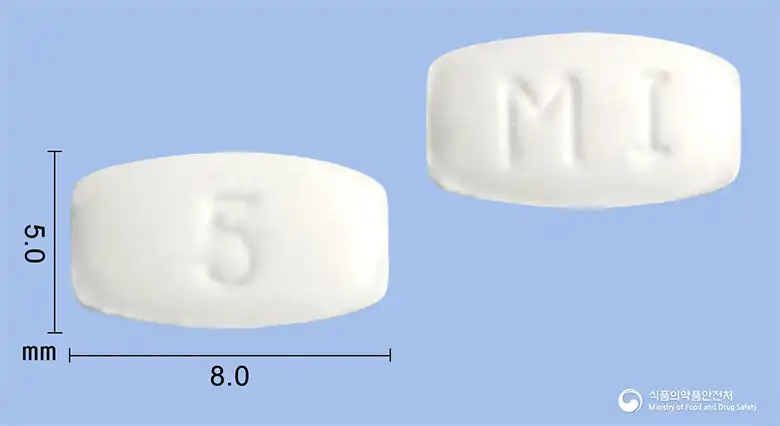
Buspirone Hydrochloride 5mg
Tablet · Prescription medication
Myungin Pharmaceutical Co., Ltd.
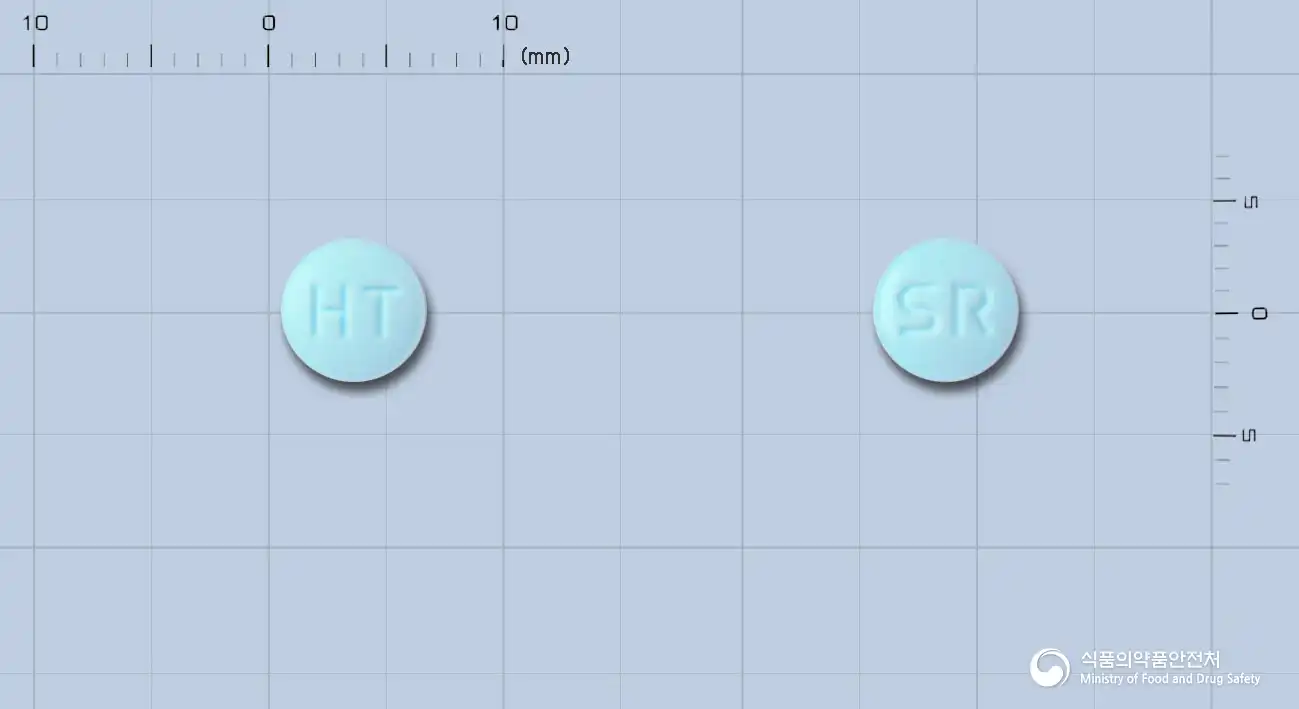
Buspirone Hydrochloride 5mg
Tablet · Prescription medication
HanKook Hutech Pharmaceutical Co., Ltd.
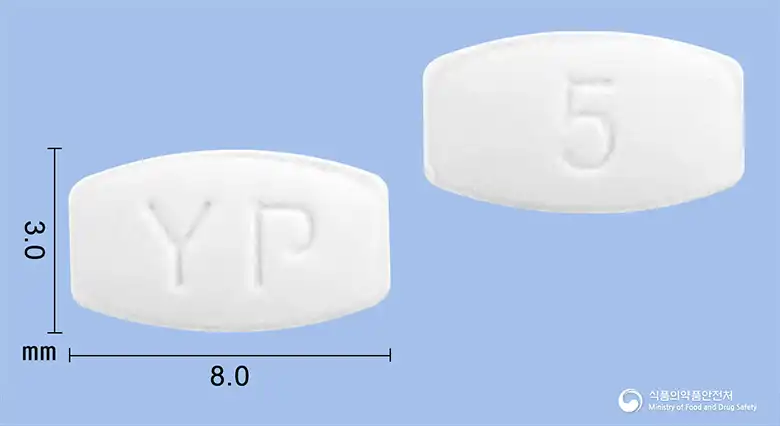
Buspirone Hydrochloride 5mg
Tablet · Prescription medication
Youngpoong Pharmaceutical Co., Ltd.
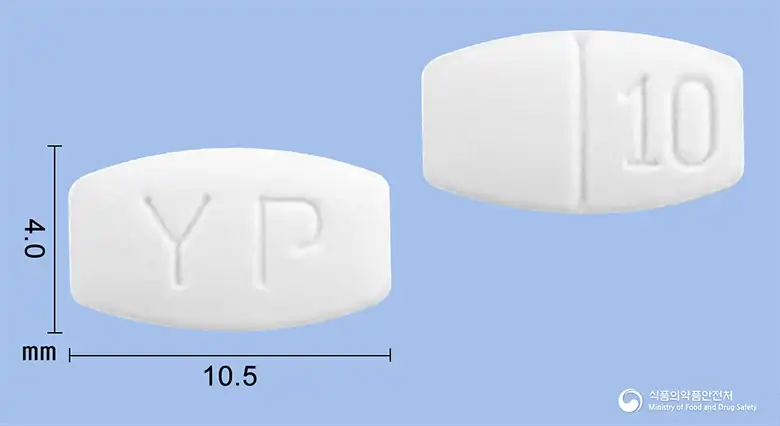
Buspirone Hydrochloride 10mg
Tablet · Prescription medication
Young Poong Pharmaceutical Co., Ltd.
Even with the same ingredient, the dose and directions can differ by strength and dosage form. Talk to a doctor or pharmacist before switching from a medication you are already taking.
No questions yet.
For anything that needs medical judgment, consult a doctor or pharmacist.
This drug information is based on data provided by the Korea Ministry of Food and Drug Safety.
Consult a doctor or pharmacist for accurate dosage, administration, and usage instructions.