
 한국어
한국어 English
 日本語
日本語 中文(简体)
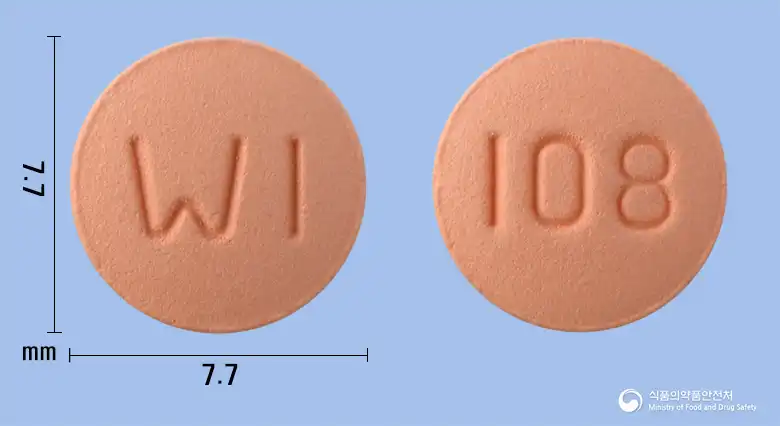 Viewing nowCombination
Combiron Tablets 10/8 Milligrams
Rosuvastatin Calcium 10.4mg · Candesartan Cilexetil 8mg
Tablet · Prescription medication · Combination
Hanin Pharmaceutical Co., Ltd.
MFDS item code 201702402 · Approved 2017.05.16 · Insurance code 657203100
(Hypertension, heart failure) improvement and (hyperlipidemia, cardiovascular disease risk) reduction effect
This medication is used for patients who require the simultaneous administration of Candesartan Cilexetil and Rosuvastatin. Candesartan Cilexetil is primarily used for the treatment of essential hypertension and assists patients with heart failure with reduced left ventricular function who require additional ACE inhibitor therapy or who are intolerant to this treatment. Rosuvastatin is used as an adjunctive treatment for patients with primary hyperlipidemia and mixed dyslipidemia when dietary modifications and exercise alone are insufficient for control. It is also suitable as an adjunct to diet in patients with homozygous familial hypercholesterolemia and primary dysbetalipoproteinemia. In patients with hyperlipidemia, it lowers LDL cholesterol, which delays the progression of atherosclerosis and is effective in reducing the risk of stroke, myocardial infarction, and arterio-vascular interventions in patients with specific cardiovascular risk factors. This medication improves heart health by managing both hypertension and hyperlipidemia simultaneously.
In adults, Candesartan Cilexetil is to be taken orally once daily at a dosage of 8-16 mg for the treatment of essential hypertension. If blood pressure is not adequately controlled after 4 weeks of treatment, the dosage may be increased to a maximum of 32 mg once daily. For heart failure treatment, the initial dosage is 4 mg once daily, and the dosage may be doubled at intervals of no less than 2 weeks, up to a maximum of 32 mg once daily. Rosuvastatin is used for primary hyperlipidemia
The safety and efficacy in adolescents and children under 18 years have not been established, therefore it is not administered.
This medication can cause severe harm to the fetus and newborn if taken during pregnancy, particularly in the second and third trimesters. It must be discontinued immediately if pregnancy is confirmed. It should not be used in patients with hypersensitivity to this medication, severe liver disease, severely impaired kidney function, pregnant or breastfeeding women, or patients with muscle disorders. Elderly patients or those with hyperkalemia, liver disorders, heart disease, or kidney transplant patients should use this medication with caution, and extra caution is necessary if there is a high risk of muscle pain or myopathy. During treatment with this medication, side effects such as headaches, itching, dyspepsia, and muscle pain may occur, so patients should consult with a doctor if symptoms are severe. If any muscle-related adverse symptoms occur, the patient should immediately inform the doctor and confirm muscle damage through blood tests, and may need to stop taking the medication in severe cases. This medication may interact with other antihypertensive agents, diuretics, anticoagulants, etc., so any other medications being taken should be reported. Pregnant or breastfeeding women should not use this medication, and women of childbearing potential should use appropriate contraception. This medication has not been established as safe and effective for children and is not recommended for their use. Elderly patients should take it cautiously while periodically monitoring kidney function and blood pressure. In case of overdose, symptoms such as hypotension and dizziness may occur, and appropriate treatment should be sought immediately at a medical facility. Care should be taken due to the possibility of dizziness caused by hypotension during driving or operating machinery.
Hives, severe swelling (edema), chest tightness, difficulty breathing, cold sweat, pallor, severe rash with high fever, blisters, skin peeling, pain in mucous membranes of mouth/eyes, difficulty breathing or shortness of breath, asthma attack, respiratory issues accompanied by cough and fever, yellowing of skin or eyes (jaundice), extreme lassitude, sudden and severe headache, lightning headache, seizures, confusion, visual disturbances, paralysis, urination
Not everyone experiences these, and they can vary from person to person.
This medication may be sensitive to air and moisture; therefore, it should be stored in a sealed container. It is recommended to maintain a storage temperature between 1°C and 30°C to safely preserve the medication's efficacy.
Pink round film-coated tablets
30 tablets (10 tablets/PTP X 3)
Even with the same ingredient, strength, dosage form and how it is taken can differ.
Viewing nowCombinationRosuvastatin Calcium 10.4mg · Candesartan Cilexetil 8mg
Tablet · Prescription medication · Combination
Hanin Pharmaceutical Co., Ltd.
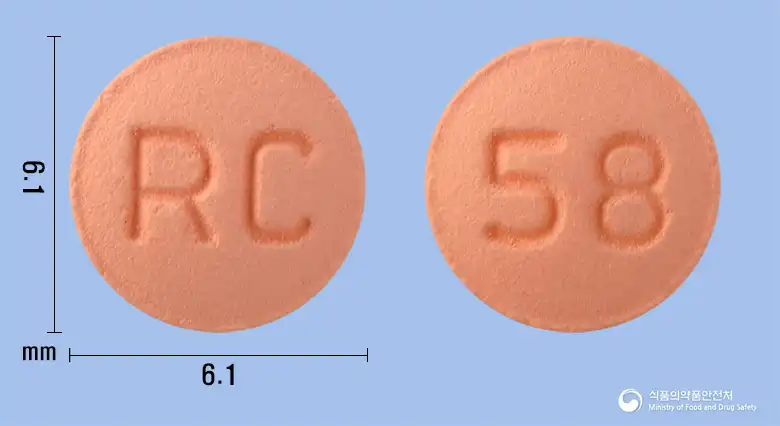 Combination
Rosuvastatin Calcium 5.2mg · Candesartan Cilexetil 8mg
Tablet · Prescription medication · Combination
AlboGen Korea Co., Ltd.
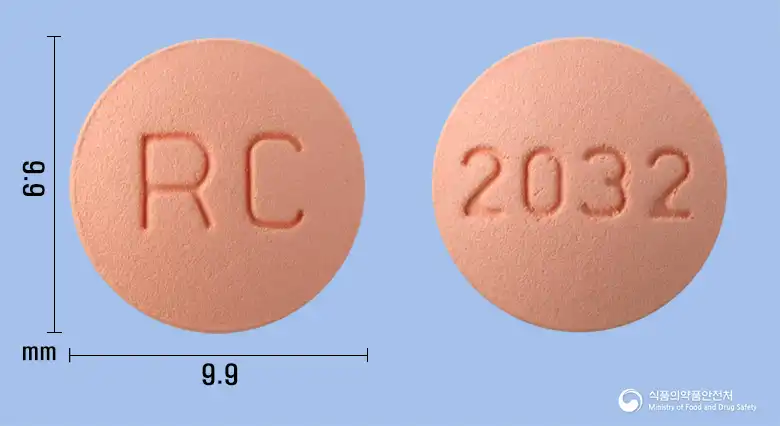 Combination
Rosuvastatin Calcium 20.8mg · Candesartan Cilexetil 32mg
Tablet · Prescription medication · Combination
Albogen Korea Co., Ltd.
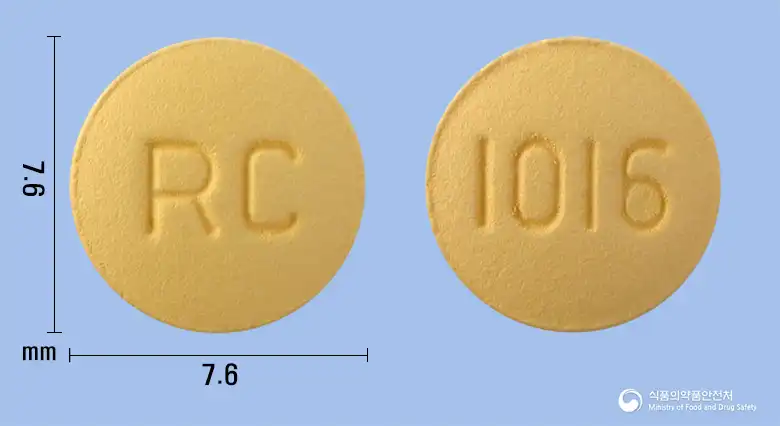 Combination
Rosuvastatin Calcium 10.4mg · Candesartan Cilexetil 16mg
Tablet · Prescription medication · Combination
Alvogen Korea Co., Ltd.
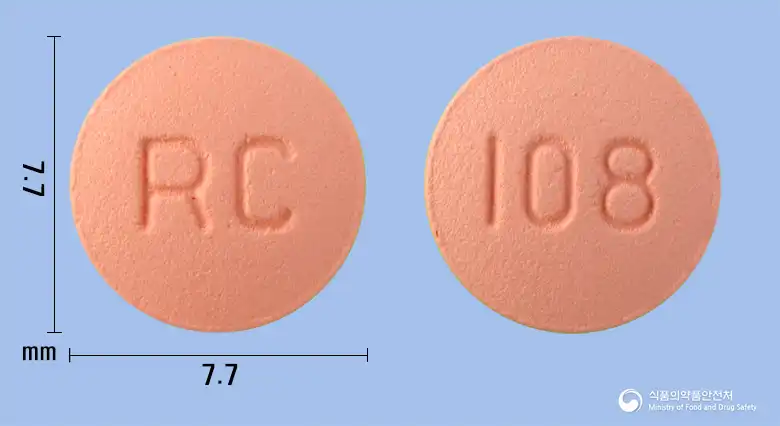 Combination
Rosuvastatin Calcium 10.4mg · Candesartan Cilexetil 8mg
Tablet · Prescription medication · Combination
Alvogen Korea Co., Ltd.
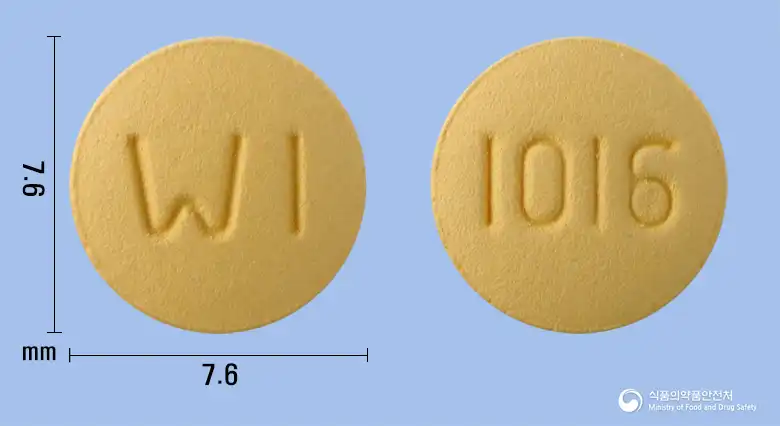 Combination
Rosuvastatin Calcium 10.4mg · Candesartan Cilexetil 16mg
Tablet · Prescription medication · Combination
Hanin Pharmaceutical Co., Ltd.
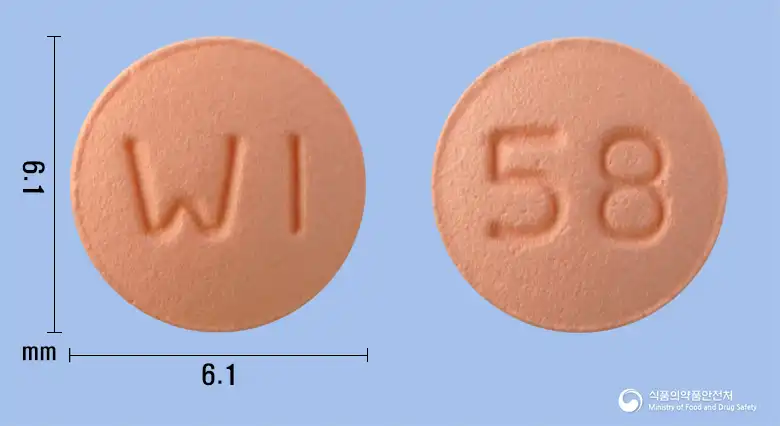 Combination
Rosuvastatin Calcium 5.2mg · Candesartan Cilexetil 8mg
Tablet · Prescription medication · Combination
Hanin Pharmaceutical Co., Ltd.
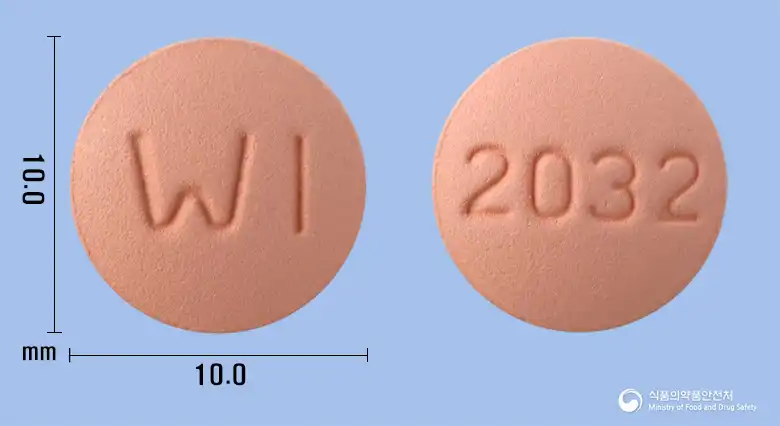 Combination
Rosuvastatin Calcium 20.8mg · Candesartan Cilexetil 32mg
Tablet · Prescription medication · Combination
Hwanin Pharmaceutical Co., Ltd.
Even with the same ingredient, the dose and directions can differ by strength and dosage form. Talk to a doctor or pharmacist before switching from a medication you are already taking.
No questions yet.
For anything that needs medical judgment, consult a doctor or pharmacist.
This drug information is based on data provided by the Korea Ministry of Food and Drug Safety.
Consult a doctor or pharmacist for accurate dosage, administration, and usage instructions.