
 한국어
한국어 English
 日本語
日本語 中文(简体)
 Viewing nowCombination
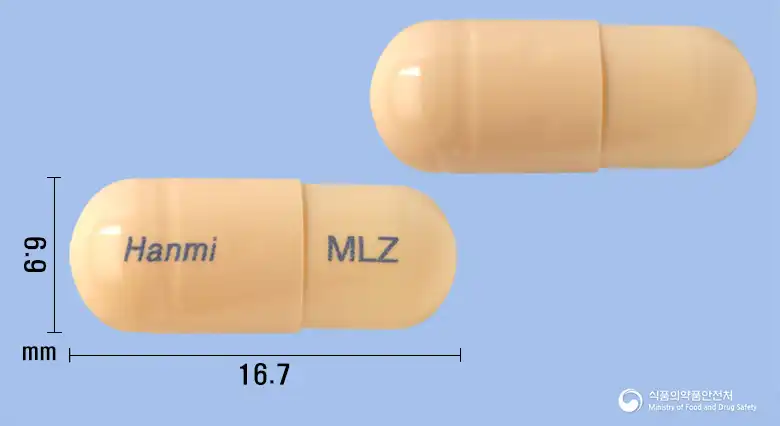
Montelizin Capsule (Montelukast, Levocetirizine)
Montelukast Sodium 10.4mg · Levocetirizine Hydrochloride 5mg
Hard capsule · Prescription medication · Combination
Hanmi Pharmaceutical Co., Ltd.
MFDS item code 201702390 · Approved 2017.05.16 · Insurance code 643507760
Relief of symptoms of asthma and allergic rhinitis
This medication helps relieve symptoms such as nasal congestion, sneezing, and runny nose due to allergic rhinitis in patients suffering from asthma and perennial allergic rhinitis.
Adults and adolescents aged 15 years and older: Take 1 capsule orally once a day in the evening.
This medication has been associated with reports of neuropsychiatric adverse events and may cause anxiety, aggressive behavior, depression, hallucinations, and suicidal thoughts while taking. It is important to notify your doctor immediately if you experience any new symptoms or changes in behavior while taking this medication. This medication should not be administered to patients with certain allergic reactions, renal failure, pregnant women, nursing mothers, or patients with lactose intolerance. Patients with impaired kidney or liver function and the elderly require careful monitoring by a physician as this medication may increase blood concentration levels. Common side effects include upper respiratory infections, nasopharyngitis, gastrointestinal disturbances, tonsillitis, and rarely dry mouth, insomnia, headache, and drowsiness. This medication is not for the treatment of acute asthma attacks; an emergency medication should be used for acute symptoms, and this medication should not be substituted for inhaled corticosteroids abruptly. It is not to be used alone for exercise-induced bronchospasm, and patients with aspirin hypersensitivity should avoid taking aspirin or non-steroidal anti-inflammatory drugs (NSAIDs). Rarely, systemic eosinophilia and vasculitis symptoms may develop while taking this medication, so consult your doctor if these symptoms appear. Drowsiness, fatigue, and weakness may occur after taking this medication, so caution is advised when driving or operating machinery, and avoid taking it with alcohol or central nervous system depressants. Clinically significant interactions with other drugs are rare, but caution is advised when used with certain enzyme inducers. It's best to consult with a physician or pharmacist before use. It is recommended that pregnant or nursing women avoid this medication; during pregnancy, it should only be used if absolutely necessary and under the supervision of a physician. Safety and efficacy in children under 15 years have not been established, so it should not be used in this age group. In case of overdose, since there is no specific antidote, symptomatic treatment and clinical monitoring are necessary. If severe symptoms occur, seek medical attention immediately. This medication is sensitive to light; do not open until ready for use, store out of reach of children, and do not transfer to another container.
Hives, facial swelling, respiratory distress, asthma, suicidal thoughts and behavior, suicidal ideation, serious neuropsychiatric adverse events (anxiety, aggressive behavior, confusion, depression, disorientation, attention deficits, stuttering, hallucinations, insomnia, memory impairment, obsessive-compulsive symptoms, psychomotor hyperactivity, sleepwalking, tics), bronchospasm during acute asthma attacks, systemic eosinophilia, vasculitis, jaundice (liver dysfunction), severe neurological symptoms (headache, thunderclap headache, seizures).
Not everyone experiences these, and they can vary from person to person.
This medication may be sensitive to air and moisture, so it should be stored in a tightly sealed container. It is important to maintain storage temperatures between 1 and 30 degrees Celsius. Proper storage will ensure the medication's effectiveness.
Contains white or pale yellow tablets and pale apricot-colored tablets in a soft, opaque hard capsule.
30 capsules / bottle
Even with the same ingredient, strength, dosage form and how it is taken can differ.
Viewing nowCombinationMontelukast Sodium 10.4mg · Levocetirizine Hydrochloride 5mg
Hard capsule · Prescription medication · Combination
Hanmi Pharmaceutical Co., Ltd.
 Combination
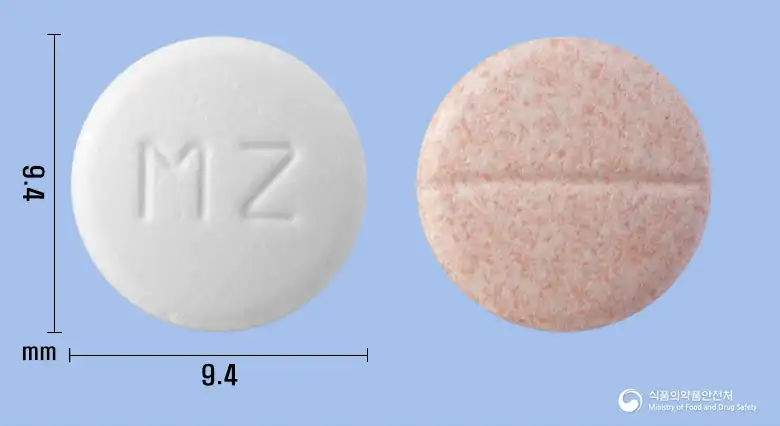
Montelukast Sodium 5.2mg · Levocetirizine Hydrochloride 5mg
Chewable Tablet · Prescription medication · Combination
Hanmi Pharmaceutical Co., Ltd.
Montelukast Sodium 10.4mg · Levocetirizine Hydrochloride 5mg
Tablet · Prescription medication · Combination
(Co., Ltd.) Donggu BioPharm
 Combination
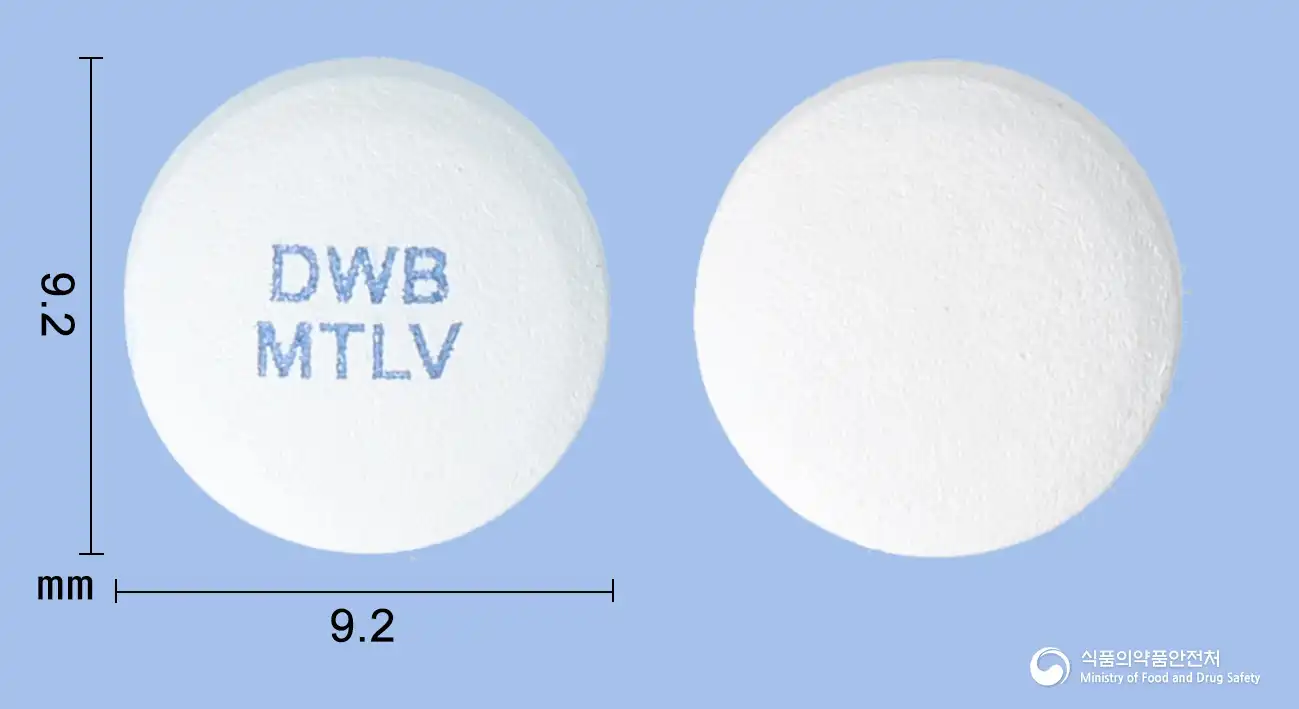
Montelukast Sodium 10.4mg · Levocetirizine Hydrochloride 5mg
Tablet · Prescription medication · Combination
Daewoong Bio Co., Ltd.
Montelukast Sodium 10.4mg · Levocetirizine Hydrochloride 5mg
Tablet · Prescription medication · Combination
Genupharm Co., Ltd.
 Combination
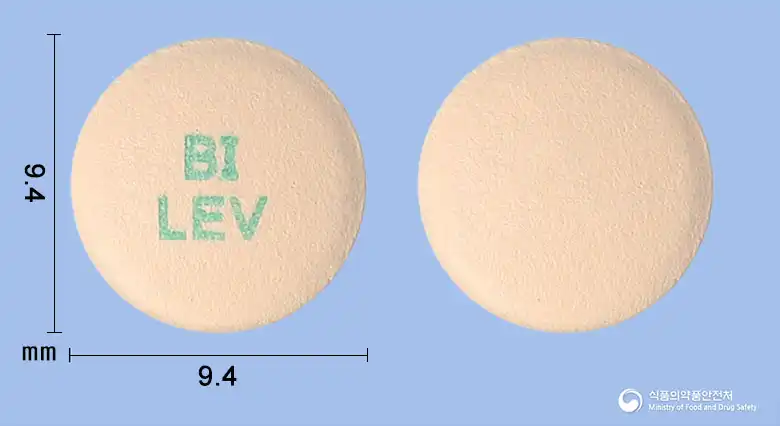
Montelukast Sodium 10.4mg · Levocetirizine Hydrochloride 5mg
Tablet · Prescription medication · Combination
Bionex Co., Ltd.
 Combination
Montelukast Sodium 10.4mg · Levocetirizine Hydrochloride 5mg
Tablet · Prescription medication · Combination
Medica Korea Co., Ltd.
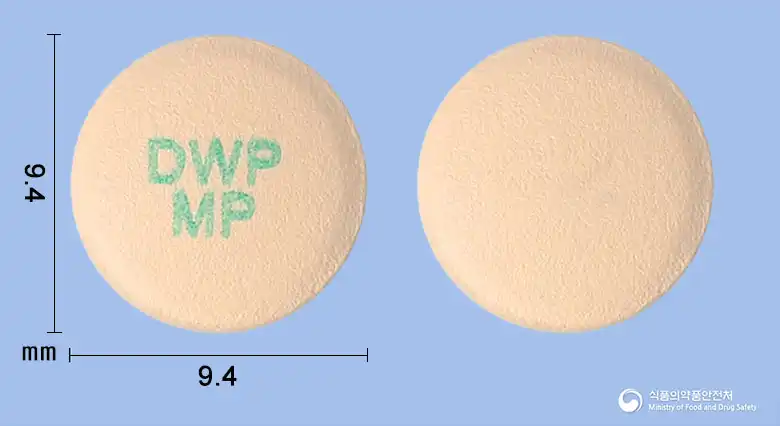 Combination
Montelukast Sodium 10.4mg · Levocetirizine Hydrochloride 5mg
Tablet · Prescription medication · Combination
DaeWon Pharmaceutical Co., Ltd.
Even with the same ingredient, the dose and directions can differ by strength and dosage form. Talk to a doctor or pharmacist before switching from a medication you are already taking.
No questions yet.
For anything that needs medical judgment, consult a doctor or pharmacist.
This drug information is based on data provided by the Korea Ministry of Food and Drug Safety.
Consult a doctor or pharmacist for accurate dosage, administration, and usage instructions.