Medication info
Nuvigil Tablet 250 mg (Armodafinil)

Nuvigil Tablet 250 mg (Armodafinil)

Prescription medicationTabletOral
Ingredient · strength
Armodafinil›250mg / 1 tablet
Manufacturer / importer
TEVA-HANDOK PHARMA CO., LTD.
Appearance
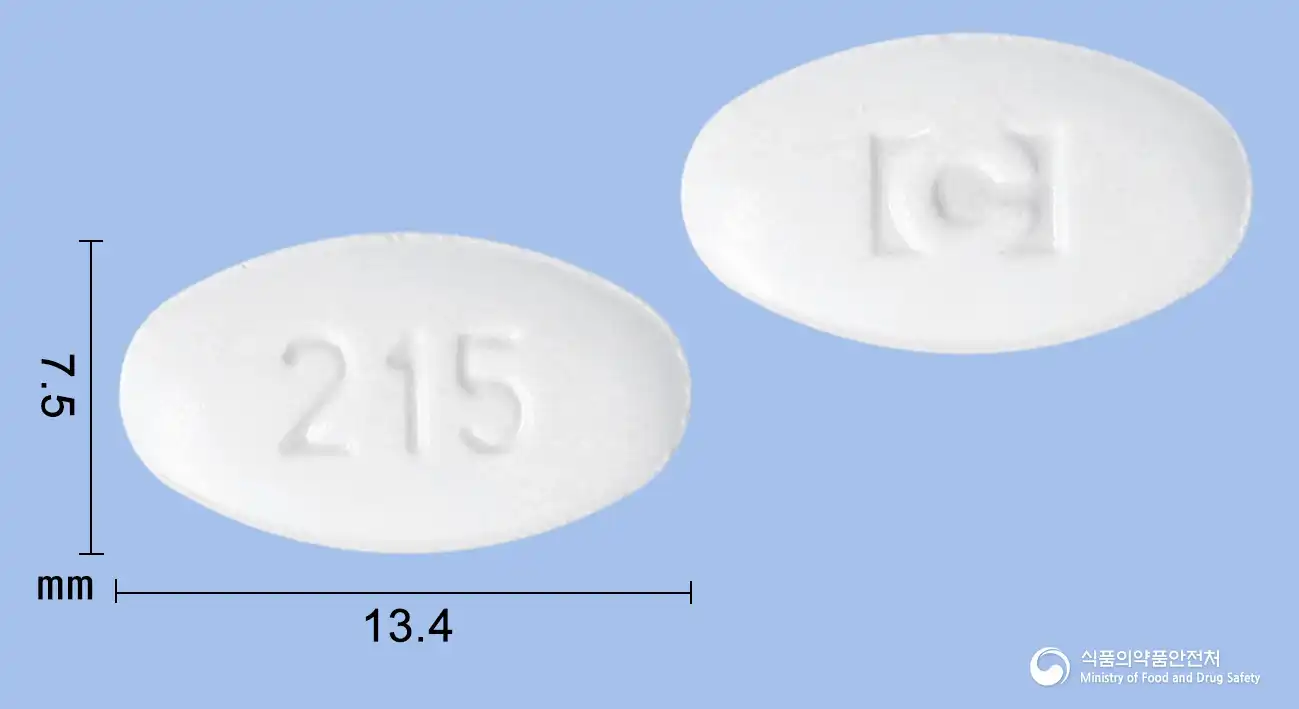
White or off-white oval tablet
Packaging
30 tablets/box [10 tablets/PTP X 3]
Approval status
Active

MFDS item code 201702285 · Approved 2017.05.04 · Insurance code 626900860

Summary

Main use
Improvement of excessive sleepiness associated with narcolepsy in adults
Who takes it
Adults
Adult dose
Adults: Take 150mg once daily in the morning. The dose may be increased to a maximum of 250mg daily. The dose should be adjusted when coadministered with CYP3A4 substrate drugs such as triazolam and cyclosporine. Drugs eliminated through CYP2C9 and CYP2C19 metabolism, such as phenytoin, or mainly through CYP2C19 metabolism, such as diazepam, propranolol, and S-mephenytoin, have prolonged elimination when coadministered with this medicine; therefore, dose reduction and monitoring for toxicity are required. The dose should be reduced in patients with severe hepatic impairment.

Ingredients

Importer
TEVA-HANDOK PHARMA CO., LTD.

Efficacy & effects

Improvement of excessive sleepiness associated with narcolepsy in adults

  • Narcolepsy
  • excessive sleepiness
View approved original text

This medication is used to alleviate excessive sleepiness associated with narcolepsy in adult patients.

How to take

Adult dose

Adults: Take 150mg once daily in the morning. The dose may be increased to a maximum of 250mg daily. The dose should be adjusted when coadministered with CYP3A4 substrate drugs such as triazolam and cyclosporine. Drugs eliminated through CYP2C9 and CYP2C19 metabolism, such as phenytoin, or mainly through CYP2C19 metabolism, such as diazepam, propranolol, and S-mephenytoin, have prolonged elimination when coadministered with this medicine; therefore, dose reduction and monitoring for toxicity are required. The dose should be reduced in patients with severe hepatic impairment.

Precautions

This medication is used for patients with severe sleepiness, but in some cases, the state of wakefulness may not return to normal, so the level of sleepiness should be checked frequently. Activities such as driving or operating dangerous machinery should be avoided during the use of this drug. This medication can cause serious skin rashes and is not recommended for use in children. If symptoms such as rash, high fever, or vomiting occur, treatment should be stopped immediately and a doctor should be consulted. Severe allergic reactions such as angioedema or anaphylaxis can occur rarely, and if symptoms such as swelling of the face or neck or difficulty breathing develop, immediate medical attention should be sought. A condition called multi-organ hypersensitivity may occur, which can present with various symptoms such as fever, rash, and liver function abnormalities; if suspected, the medication should be stopped immediately. There is a risk of exacerbation of psychiatric symptoms, so patients with a history of depression, anxiety, or psychosis should be carefully monitored, and discontinuation should occur if symptoms arise. Since it may affect the heart and blood pressure, electrocardiogram tests and monitoring of blood pressure and heart rate are necessary before and during use. Patients with a history of heart disease should not use this medication. Women who are pregnant or breastfeeding, children under 18 years old, patients with moderate or severe hypertension, arrhythmia patients, and anyone allergic to this medication's ingredients should not take this drug. Patients with severely impaired liver or kidney function require dosage adjustments, and elderly patients should also be monitored closely based on their physical condition. Common side effects include headache, nausea, dizziness, insomnia, anxiety, diarrhea, dry mouth, depression, dyspepsia, fatigue, palpitations, upper abdominal pain, restlessness, decreased appetite, constipation, contact dermatitis, reduced appetite, depressive mood, attention disorders, shortness of breath, sweating, increased gamma-glutamyl transferase, increased heart rate, influenza-like illness, loose stools, migraine, irritability, pain, sensory abnormalities, polyuria, fever, and seasonal allergies. Drug interactions may occur, so be sure to inform your doctor, especially if you are taking contraceptives, antidepressants, anticonvulsants, anticoagulants, etc. In cases of overdose, symptoms such as insomnia, confusion, hallucinations, and heart issues may occur; immediate medical treatment should be sought, and there is currently no specific antidote for this medication. Long-term use may lead to dependence or abuse potential, so it should be taken according to a doctor's instructions, and if any abnormal symptoms occur, immediate consultation should be made.

Side effects

  • Drowsiness
  • skin rash
  • Stevens-Johnson syndrome
  • toxic epidermal necrolysis
  • angioedema
  • anaphylactic-like reaction
  • multiorgan hypersensitivity
  • myocarditis
  • hepatitis
  • abnormal liver function tests
Show 225 more
  • hematological abnormalities
  • pruritus
  • myasthenia
  • psychosis
  • depression
  • mania
  • anxiety
  • agitation
  • insomnia
  • suicidal ideation
  • symptoms of psychosis
  • symptoms of mania
  • aggressive or hostile behavior
  • headache
  • nausea
  • dizziness
  • diarrhea
  • dry mouth
  • dyspepsia
  • fatigue
  • palpitations
  • upper abdominal pain
  • agitation
  • loss of appetite
  • constipation
  • contact dermatitis
  • depressed mood
  • attention deficit
  • shortness of breath
  • sweating
  • increased gamma-glutamyl transferase
  • increased heart rate
  • influenza-like illness
  • loose stools
  • migraine
  • hyperesthesia
  • pain
  • paresthesia
  • polyuria
  • fever
  • seasonal allergies
  • thirst
  • tremor
  • vomiting
  • hyperesthesia
  • insomnia
  • depression
  • abnormal thoughts
  • confusion
  • drowsiness
  • paresthesia
  • muscle rigidity
  • hyperactivity
  • amnesia
  • migraine
  • tremor
  • dizziness
  • CNS excitation
  • sensory decline
  • cooperation disorder
  • speech disorder
  • taste disturbance
  • hallucination
  • mania
  • psychosis
  • delusion
  • abdominal pain
  • dry mouth
  • bloating
  • reflux
  • oral ulcer
  • tachycardia
  • palpitations
  • vasodilation
  • ectopic beats
  • arrhythmia
  • bradycardia
  • hypertension
  • hypotension
  • increased cough
  • asthma
  • nosebleed
  • rhinitis
  • pharyngitis
  • sinusitis
  • abnormal urination
  • frequent urination
  • menstrual disturbance
  • blurred vision
  • vision abnormalities
  • dry eyes
  • sweating
  • acne
  • itching
  • erythema multiforme
  • eosinophilia
  • leukopenia
  • mild allergic reaction
  • urticaria
  • hypersensitivity
  • back pain
  • cervical pain
  • myalgia
  • myasthenia
  • leg cramps
  • arthralgia
  • spasm
  • myasthenia
  • chest pain
  • peripheral edema
  • thirst
  • abnormal liver function tests
  • ECG abnormalities
  • weight gain
  • weight loss
  • flu-like syndrome
  • chills
  • neck stiffness
  • rhinitis
  • pharyngitis
  • pulmonary disease
  • asthma
  • nosebleed
  • nausea
  • diarrhea
  • dyspepsia
  • loss of appetite
  • constipation
  • liver dysfunction
  • bloating
  • oral ulcer
  • thirst
  • hyperesthesia
  • insomnia
  • anxiety
  • depression
  • dizziness
  • drowsiness
  • paresthesia
  • muscle tone
  • abnormal movement
  • hyperactivity
  • agitation
  • confusion
  • emotional instability
  • tremor
  • dizziness
  • hypertension
  • tachycardia
  • palpitations
  • vasodilation
  • eosinophilia
  • amblyopia
  • vision abnormalities
  • eye pain
  • taste disturbance
  • edema
  • sweating
  • herpes simplex
  • abnormal urination
  • hematuria
  • pyuria
  • headache
  • back pain
  • flu-like syndrome
  • chest pain
  • chills
  • neck stiffness
  • rhinitis
  • pharyngitis
  • pulmonary disease
  • asthma
  • nosebleed
  • nausea
  • diarrhea
  • dyspepsia
  • dry mouth
  • loss of appetite
  • constipation
  • liver dysfunction
  • bloating
  • oral ulcer
  • thirst
  • hyperesthesia
  • insomnia
  • anxiety
  • depression
  • dizziness
  • drowsiness
  • paresthesia
  • muscle tone
  • abnormal movement
  • hyperactivity
  • agitation
  • confusion
  • emotional instability
  • tremor
  • dizziness
  • hypertension
  • tachycardia
  • palpitations
  • vasodilation
  • eosinophilia
  • amblyopia
  • vision abnormalities
  • eye pain
  • taste disturbance
  • edema
  • sweating
  • herpes simplex
  • abnormal urination
  • hematuria
  • pyuria
  • insomnia
  • restlessness
  • disorientation
  • confusion
  • agitation
  • hallucination
  • nausea
  • diarrhea
  • tachycardia
  • bradycardia
  • hypertension
  • chest pain

Not everyone experiences these, and they can vary from person to person.

Storage

This medication may be sensitive to air or moisture, so keep it in a tightly sealed container. It is recommended to store at room temperature between 1 to 30 degrees Celsius. This will help maintain the drug's effectiveness over time.

Appearance and packaging

Appearance

White or off-white oval tablet

Package unit

30 tablets/box [10 tablets/PTP X 3]

Same-ingredient medicines

Even with the same ingredient, strength, dosage form and how it is taken can differ.

Even with the same ingredient, the dose and directions can differ by strength and dosage form. Talk to a doctor or pharmacist before switching from a medication you are already taking.

Questions about this medicine

No questions yet.

For anything that needs medical judgment, consult a doctor or pharmacist.

Related searches

Search tags

Suggested searches

This drug information is based on data provided by the Korea Ministry of Food and Drug Safety.
Consult a doctor or pharmacist for accurate dosage, administration, and usage instructions.