
 한국어
한국어 English
 日本語
日本語 中文(简体)
 Viewing now
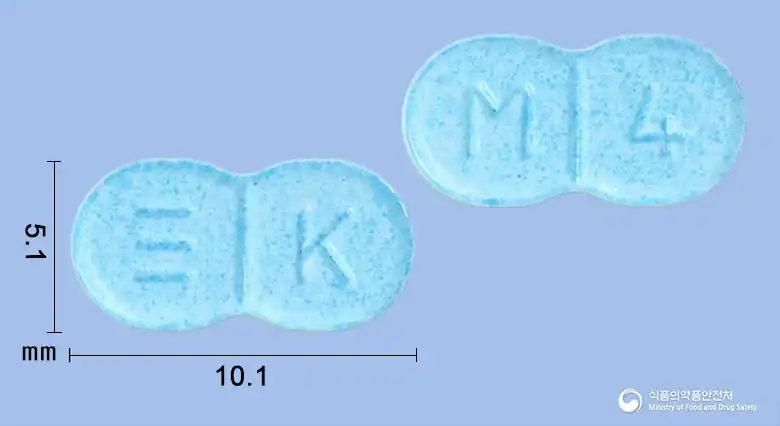
Medirol Tablets 4 mg (Glimipiride)
Glimepiride 4mg
Tablet · Prescription medication
Samik Pharmaceutical Co., Ltd.
MFDS item code 201702259 · Approved 2017.04.28 · Insurance code 644003850
Improves blood sugar control in type 2 diabetes
This medication is used in conjunction with diet and exercise therapy to help control blood sugar in patients with type 2 diabetes. It can be administered alone, but may also be used in combination with other oral hypoglycemics or insulin when blood sugar control is inadequate. Specifically, it may be used with metformin when there is insufficient effect from sulfonylureas or when using metformin alone. It supports blood sugar management in various ways, thereby helping in the treatment of diabetes. This medication improves blood sugar control in type 2 diabetes.
Administered orally once a day. This medication should be taken before breakfast or just before the first meal. The initial dose is started with 1 mg of Glimipiride, and the dosage can be increased by 1 mg at intervals of 1 to 2 weeks. Generally, when a dosage of 4 mg or more is given, additional effects are minimal, although the dosage can be increased to 6 mg or 8 mg if necessary. When used in combination with insulin, administer 1 dose daily.
This medication should not be used in patients with insulin-dependent diabetes, diabetic ketoacidosis, or in a comatose state. Avoid taking this medication or its components if you are allergic to it or to any sulfonylureas. Patients with severely impaired liver or kidney function should consult a physician before using this medication, and switching to insulin treatment is recommended. Pregnant women, women who may become pregnant, and breastfeeding women should not take this medication. Patients with severe infections, before and after surgery, and those with severe trauma may require insulin treatment, so caution should be exercised when using this medication. In cases of gastrointestinal disorders such as diarrhea or vomiting, food absorption may be impaired, increasing the risk of hypoglycemia, so caution is advised. During the first week of treatment with this medication, there is a higher risk of hypoglycemia, so blood sugar levels should be checked frequently and monitored carefully. Particularly in the elderly, those with poor nutritional status or irregular eating habits, those who exercise excessively, and those who frequently consume alcohol, the risk of hypoglycemia is increased. Patients with weakened liver or kidney function, those with other endocrine disorders, and those on other medications should also be cautious of hypoglycemia. Symptoms of hypoglycemia include headache, severe hunger, nausea, fatigue, anxiety, confusion, drowsiness, and reduced consciousness; if these symptoms occur, immediate sugar intake and consultation with a healthcare provider are advised. When taking this medication, it is important to maintain regular meals, exercise, and weight management, and to frequently check blood sugar control. If you are taking other medications, be sure to inform your doctor or pharmacist, as there may be interactions with this medication. If an overdose occurs, severe hypoglycemia may occur, and immediate medical attention should be sought for appropriate treatment. The safety and efficacy of this medication have not been confirmed in children, so it is not used in pediatric patients. The elderly may have reduced kidney function, so dose adjustments may be necessary. Store this medication out of children's reach, in its original container, and do not stop or alter the dosage on your own without doctor's instructions.
Not everyone experiences these, and they can vary from person to person.
This medication should be stored in an airtight container to prevent exposure to air or moisture and should be kept at room temperature between 1 to 30 degrees Celsius. Proper storage will help maintain the medication's effectiveness and safety.
Light blue rectangular tablet
100 tablets/bottle, 30 tablets/bottle
Even with the same ingredient, strength, dosage form and how it is taken can differ.
Viewing nowGlimepiride 4mg
Tablet · Prescription medication
Samik Pharmaceutical Co., Ltd.
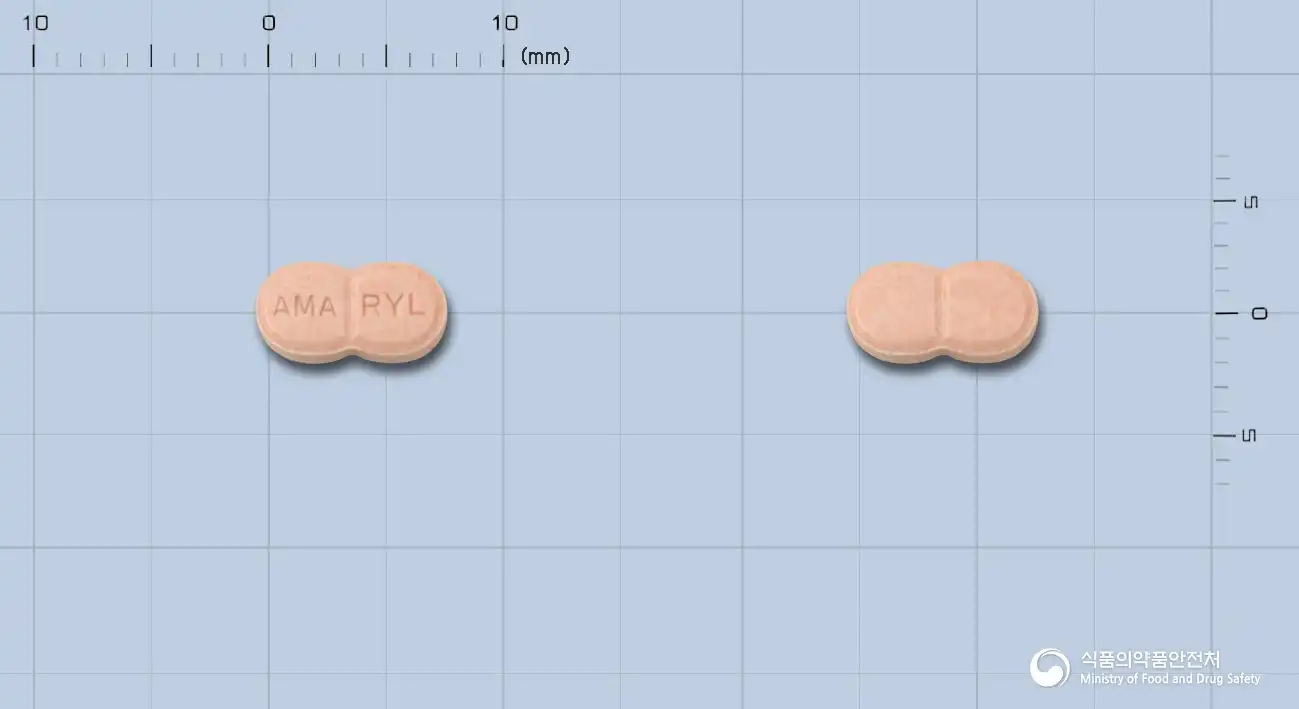
Glimepiride 1mg
Tablet · Prescription medication
Handok Co., Ltd.
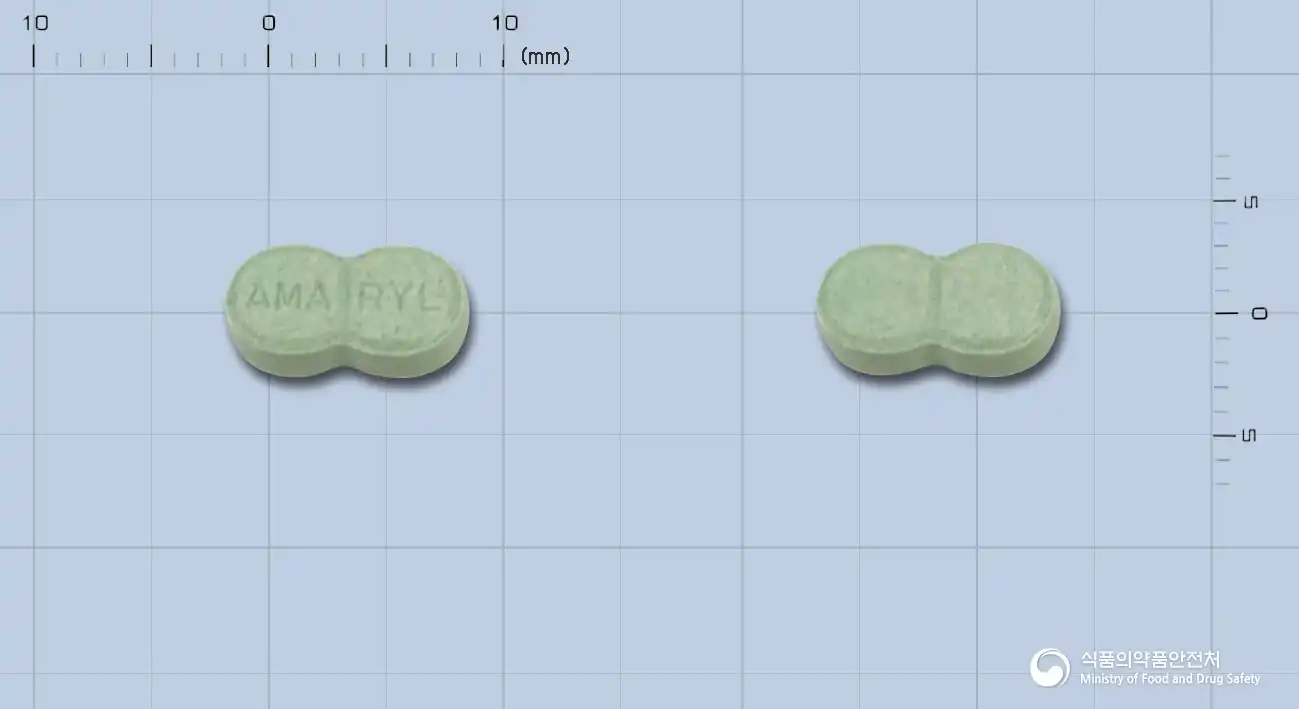
Glimepiride 2mg
Tablet · Prescription medication
Handok Co., Ltd.
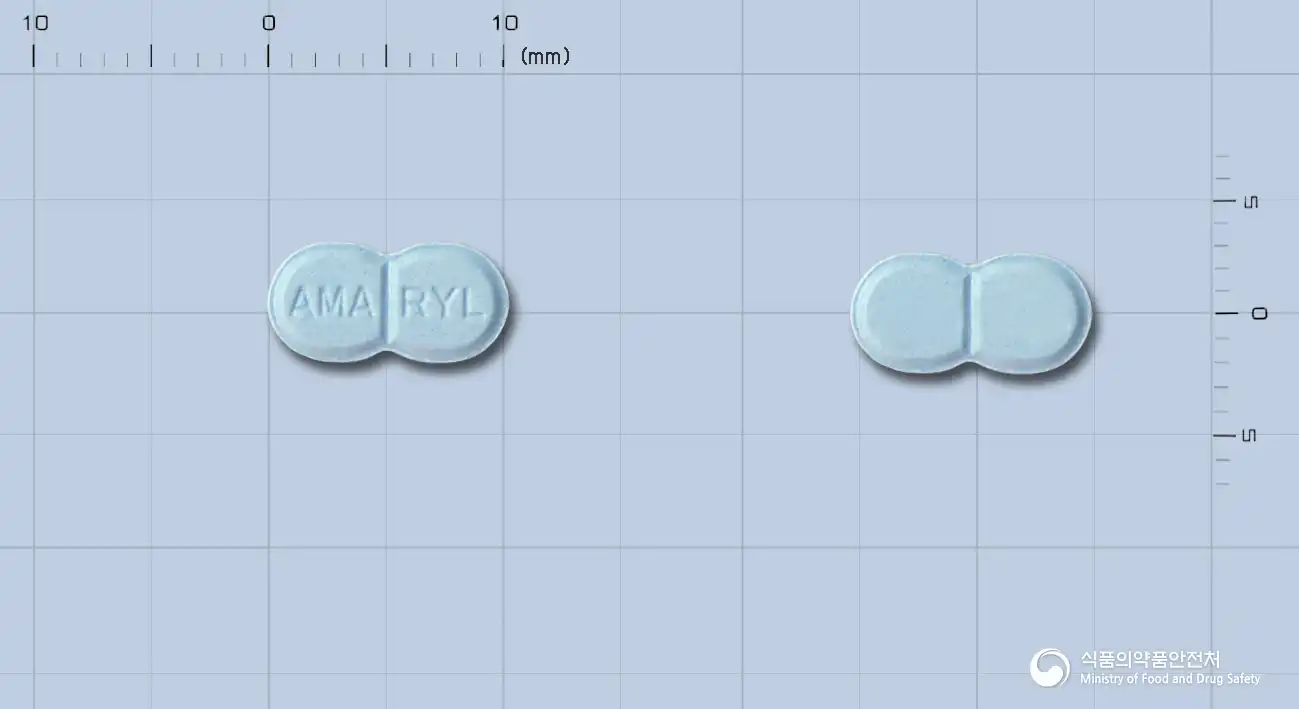
Glimepiride 4mg
Tablet · Prescription medication
(Hanmi Pharmaceutical Co., Ltd.)
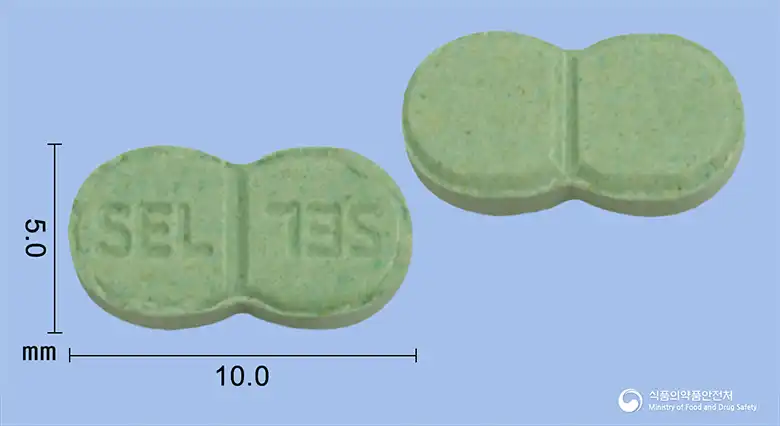
Glimepiride 2mg
Tablet · Prescription medication
Seoul Pharmaceutical Co., Ltd.
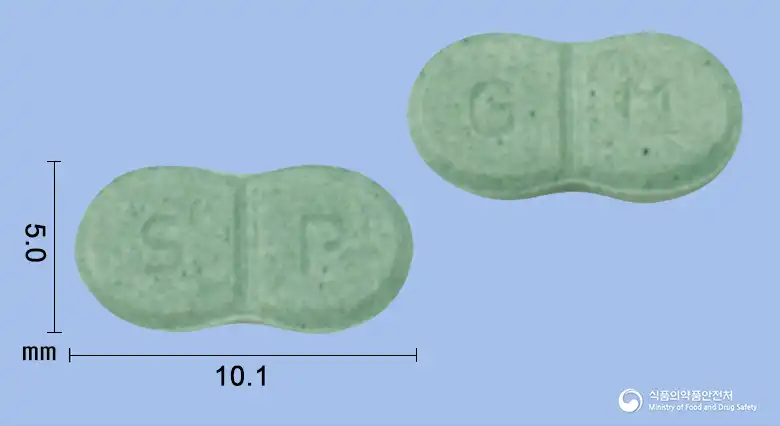
Glimepiride 2mg
Tablet · Prescription medication
Shinpoong Pharmaceutical Co., Ltd.
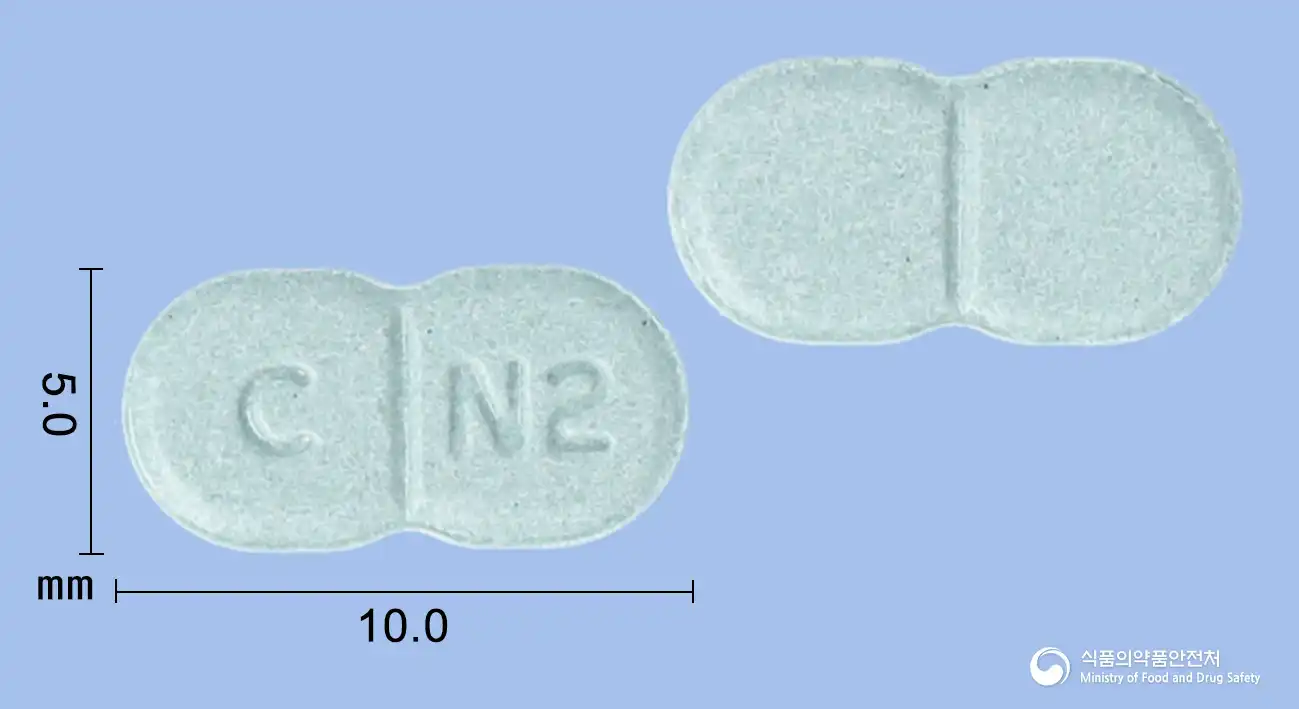
Glimepiride 2mg
Tablet · Prescription medication
Jongkundang Co., Ltd.
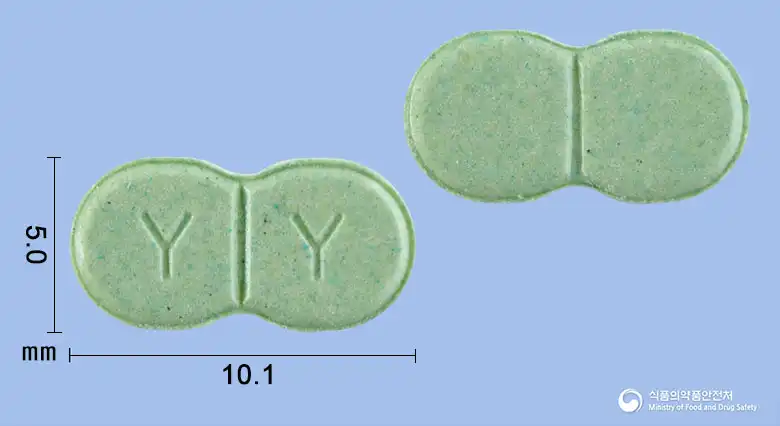
Glimepiride 2mg
Tablet · Prescription medication
IYun Pharmaceuticals Co., Ltd.
Even with the same ingredient, the dose and directions can differ by strength and dosage form. Talk to a doctor or pharmacist before switching from a medication you are already taking.
No questions yet.
For anything that needs medical judgment, consult a doctor or pharmacist.
This drug information is based on data provided by the Korea Ministry of Food and Drug Safety.
Consult a doctor or pharmacist for accurate dosage, administration, and usage instructions.