
 한국어
한국어 English
 日本語
日本語 中文(简体)
 Viewing nowCombination
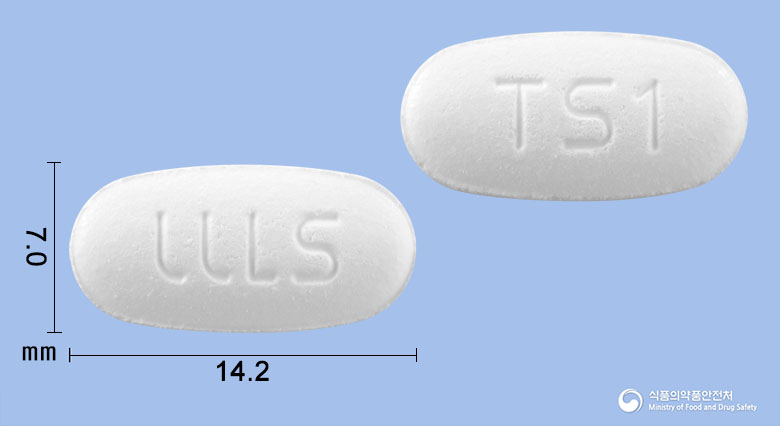
Telmistar Tablet 40/5mg
Telmisartan 40mg · Amlodipine Besylate 6.935mg
Tablet · Prescription medication · Combination
White Life Sciences Co., Ltd.
MFDS item code 201702256 · Approved 2017.04.28 · Insurance code 625201780
Improvement in blood pressure control of essential hypertension with the combination of amlodipine or telmisartan.
This medication is used in patients with essential hypertension whose blood pressure is not sufficiently controlled with monotherapy of amlodipine or telmisartan. It helps to effectively control blood pressure, thereby reducing the risk of complications associated with hypertension. It contributes to maintaining stable blood pressure through consistent use.
The recommended dosage of this medication is one tablet once daily, to be taken with water, regardless of meals. It is recommended to take it at the same time every day (e.g., in the morning). In patients with renal impairment, treatment should start at a lower dose in severe cases, and the dose should be gradually increased. For patients with liver impairment, the daily intake should not exceed 40 milligrams. For the elderly, treatment should start at a lower dose, and the dose should be gradually increased.
The safety and efficacy of this medication have not been established for pediatric patients under 18 years; therefore, its use is not recommended.
This medication should not be used during pregnancy, especially in the second and third trimesters, as it can cause serious harm to the fetus. If pregnancy is confirmed, discontinuation of this medication should occur immediately, and it is recommended to switch to another safe treatment. Patients with allergies to the active ingredient or related components, pregnant or potentially pregnant women, nursing mothers, patients with cholestatic diseases, severe liver disease, certain heart diseases, severe hypotension, shock, unstable heart failure following acute myocardial infarction, patients intolerant to additives, and those with diabetes or severe kidney impairment should not use this medication. Special precautions are required when using this medication in patients with primary aldosteronism, aortic stenosis or mitral stenosis, liver impairment, gastrointestinal diseases, renal artery hypertension, dialysis patients, and the elderly. Common side effects may include dizziness, peripheral edema, etc., and serious side effects such as fainting have been reported on rare occasions. It may cause blood pressure to drop too low, so patients with fluid or salt depletion should consult their doctor before use, and if hypotensive symptoms appear, they should lie down immediately and take necessary measures. Due to the risk of hyperkalemia, potassium levels should be monitored routinely, and caution is required when used with potassium supplements or potassium-containing medications. Patients with impaired renal function should regularly check serum potassium and creatinine levels, and it should be administered cautiously to heart failure patients. This medication may cause drowsiness or dizziness, so caution should be taken when driving or operating dangerous machinery. It may interact with other medications; therefore, it is essential to inform the doctor or pharmacist, especially if taking digoxin, lithium, warfarin, or non-steroidal anti-inflammatory drugs. In case of overdose, hypotension, heart rate changes, renal failure, etc., may occur, so immediate contact with a medical institution for appropriate treatment is necessary. Keep out of reach of children, store the product sealed, and do not transfer it to another container.
Severe swelling (edema), urticaria, difficulty breathing, severe allergic reactions, angioedema, severe skin reactions, Stevens-Johnson syndrome, jaundice, liver abnormalities, severe headache, seizures, confusion of consciousness, vision disturbances, paralysis, severe neurological symptoms, significantly reduced urine output, severe generalized swelling and increase in blood pressure, severe edema or urination disturbances, sepsis, anaphylactic reaction, myocardial infarction, ventricular tachycardia, arrhythmia,
Not everyone experiences these, and they can vary from person to person.
This medication should be stored in a container that blocks light and air, ideally at room temperature between 1 to 30 degrees Celsius. Storing it this way will help maintain the medication's effectiveness.
White or off-white rectangular tablet
30 tablets (10 tablets/AluAlu packaging x 3), 30 tablets/bottle
Even with the same ingredient, strength, dosage form and how it is taken can differ.
Viewing nowCombinationTelmisartan 40mg · Amlodipine Besylate 6.935mg
Tablet · Prescription medication · Combination
White Life Sciences Co., Ltd.
 Combination
Telmisartan 40mg · Amlodipine Besylate 6.935mg
Prescription medication · Combination
Boehringer Ingelheim Korea Co., Ltd.
 Combination
Telmisartan 40mg · Amlodipine Besylate 13.87mg
Prescription medication · Combination
Boehringer Ingelheim Korea Co., Ltd.
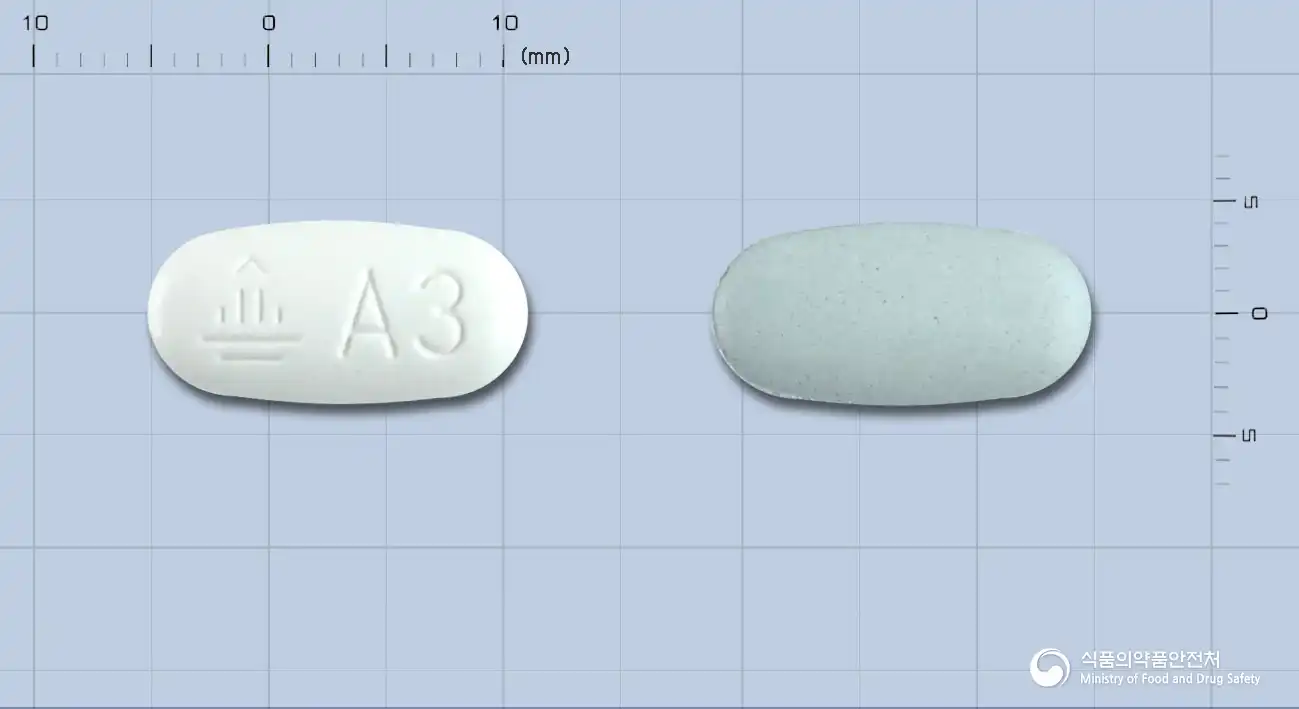 Combination
Telmisartan 80mg · Amlodipine Besylate 6.935mg
Prescription medication · Combination
Boehringer Ingelheim Korea Co., Ltd.
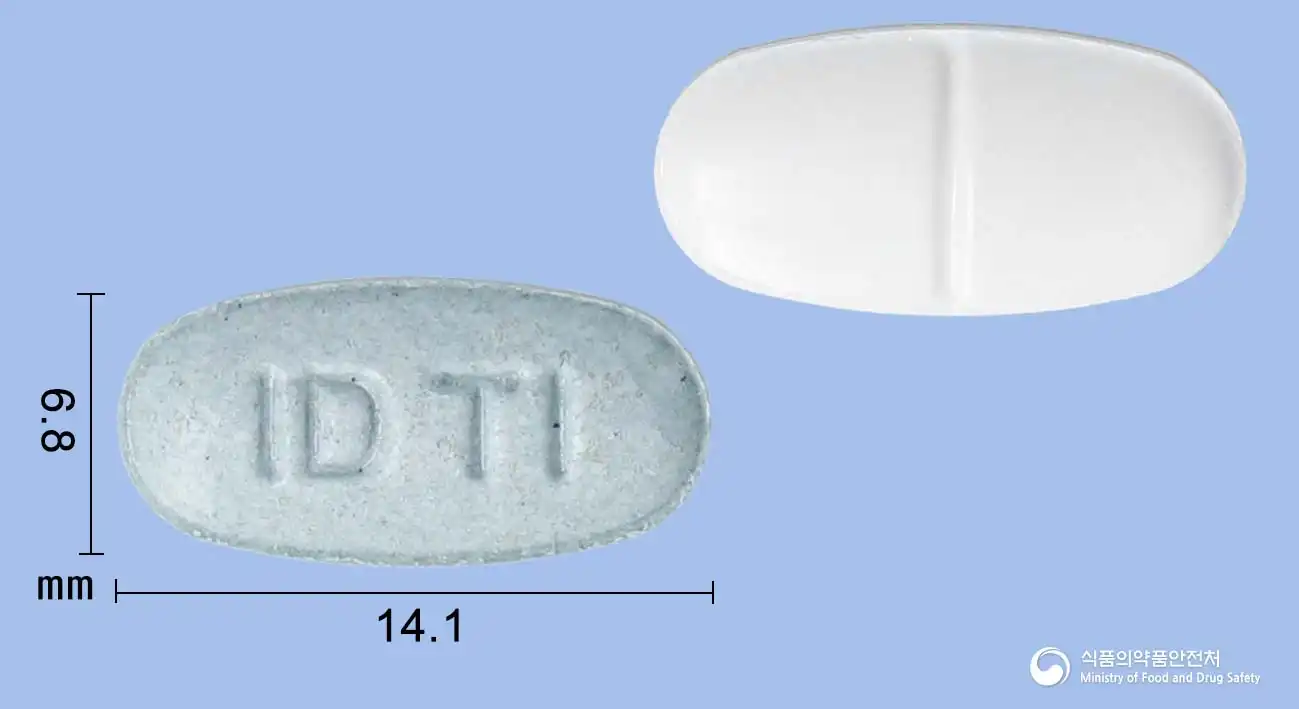 Combination
Telmisartan 40mg · Amlodipine Besylate 6.935mg
Prescription medication · Combination
Ildong Pharmaceutical Co., Ltd.
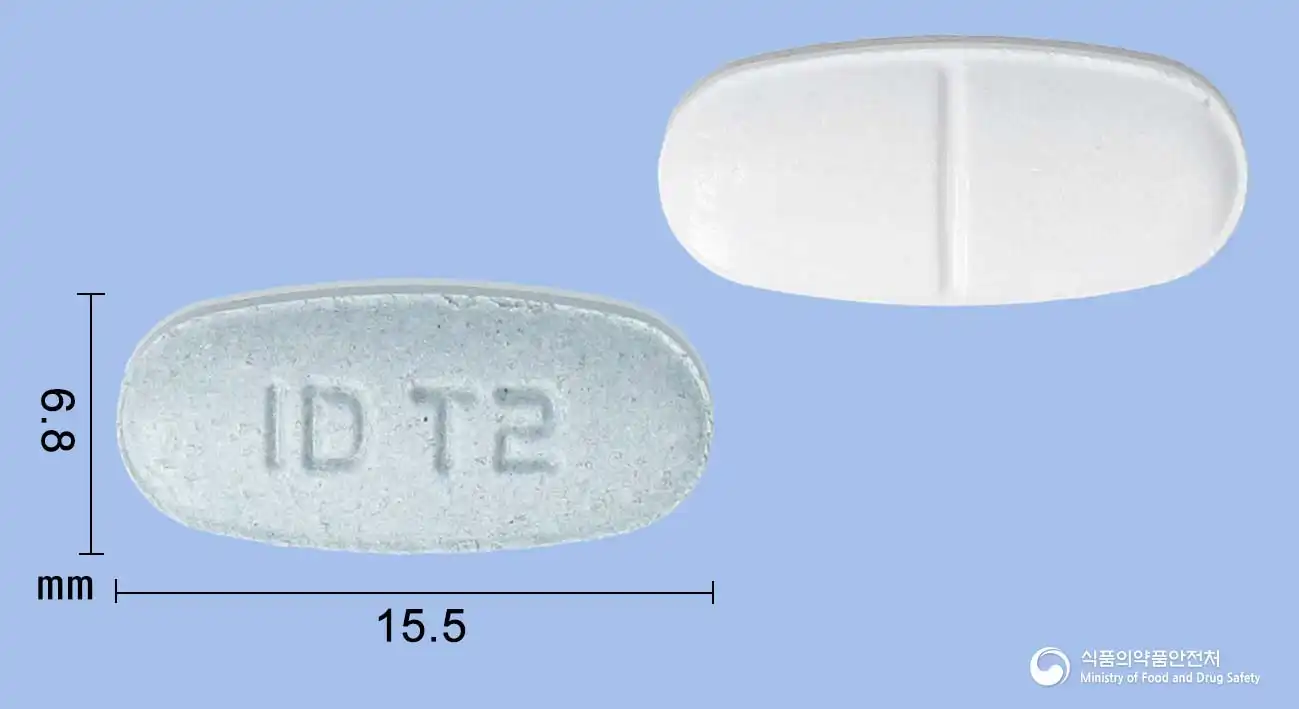 Combination
Telmisartan 40mg · Amlodipine Besylate 13.87mg
Prescription medication · Combination
ILDONG Pharmaceutical Co., Ltd.
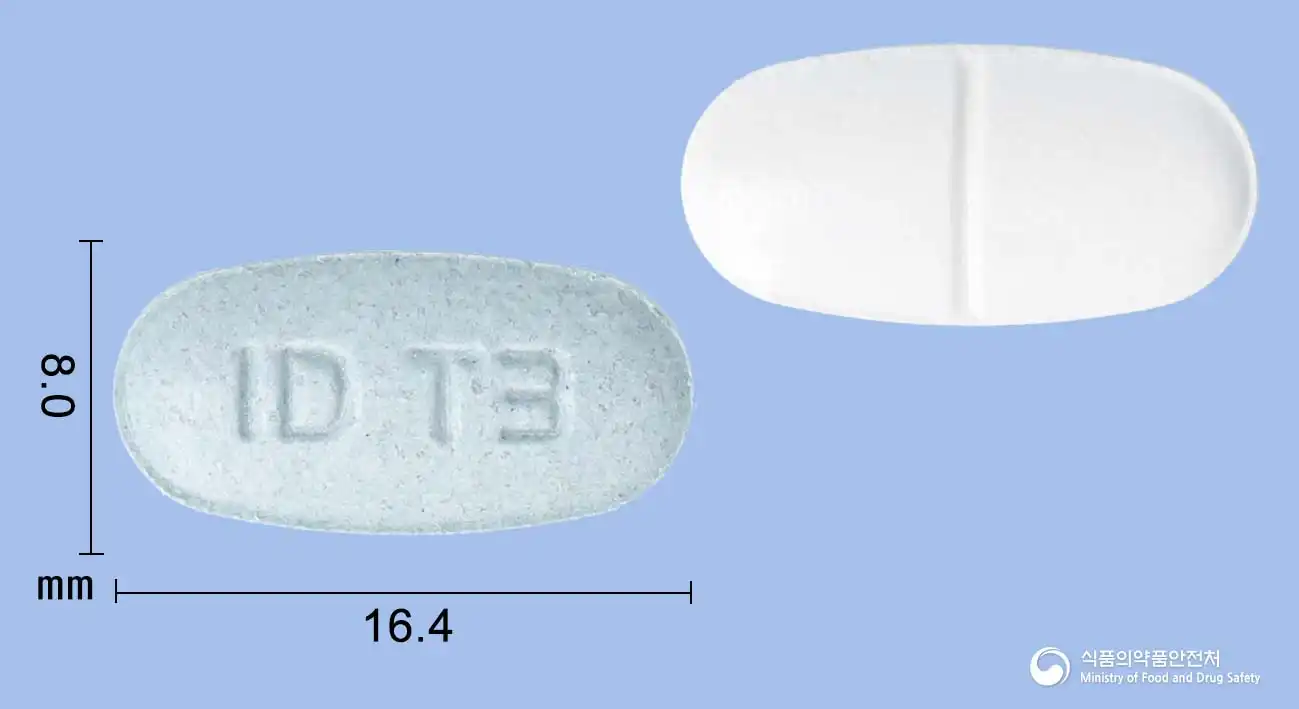 Combination
Telmisartan 80mg · Amlodipine Besylate 6.935mg
Prescription medication · Combination
Ildong Pharmaceutical Co., Ltd.
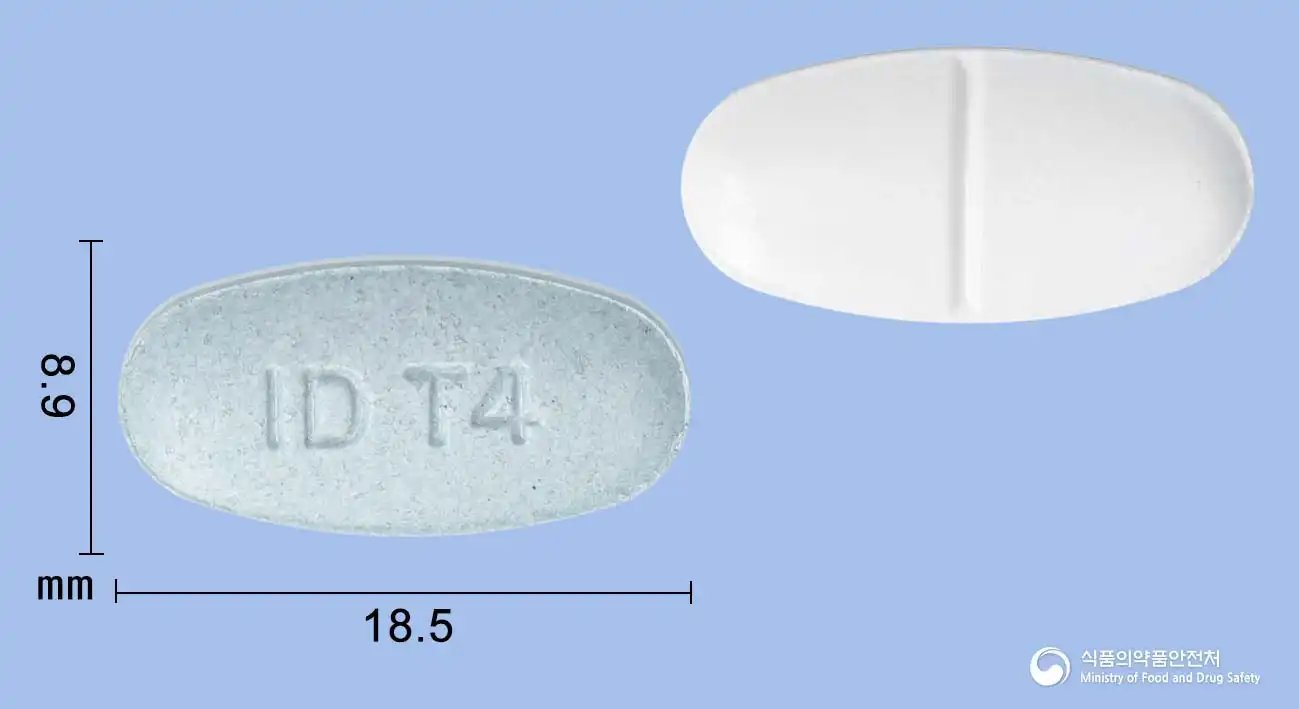 Combination
Telmisartan 80mg · Amlodipine Besylate 13.87mg
Prescription medication · Combination
Ildong Pharmaceutical Co., Ltd.
Even with the same ingredient, the dose and directions can differ by strength and dosage form. Talk to a doctor or pharmacist before switching from a medication you are already taking.
No questions yet.
For anything that needs medical judgment, consult a doctor or pharmacist.
This drug information is based on data provided by the Korea Ministry of Food and Drug Safety.
Consult a doctor or pharmacist for accurate dosage, administration, and usage instructions.