
 한국어
 English
 日本語
 中文(简体)
 Viewing now
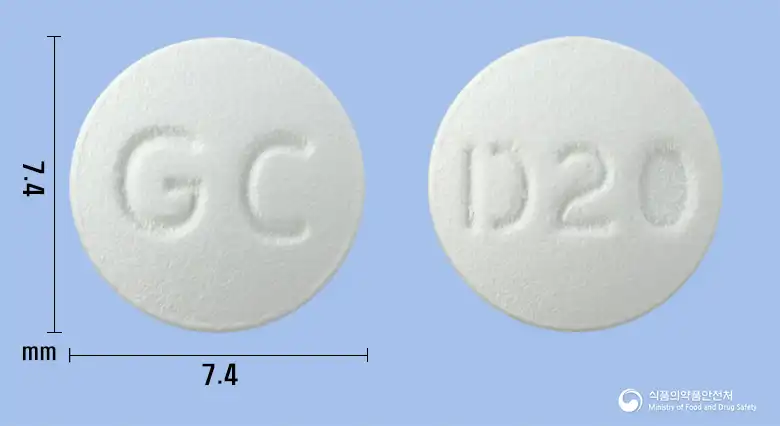
Neoato Tablets 20 mg (Atorvastatin Calcium Hydrate)
Atorvastatin Calcium Hydrate 21.7mg
Tablet · Prescription medication
Green Cross Corp.
MFDS item code 201701635 · Approved 2017.04.04 · Insurance code 643605350
Improvement of hyperlipidemia; reduction of the risk of cardiovascular diseases (such as myocardial infarction and stroke)
This medication helps reduce the risk of myocardial infarction, stroke, vascular surgeries, and angina in adults with various cardiovascular disease risk factors and in patients with type 2 diabetes. In addition, it lowers the risks of myocardial infarction and stroke in patients with clinical evidence of heart disease and also decreases the likelihood of hospitalization due to congestive heart failure and the occurrence of angina. It effectively reduces total cholesterol, LDL-cholesterol, Apo-B, and triglyceride levels in patients with primary hypercholesterolemia and mixed dyslipidemia, while increasing HDL-cholesterol levels. Moreover, it is effective in patients with dysbetalipoproteinemia and elevated triglycerides when dietary adjustments alone are insufficient. In pediatric patients aged 10 to 17 with heterozygous familial hypercholesterolemia, it effectively lowers total cholesterol and LDL-cholesterol levels, thereby reducing the risk of cardiovascular diseases. Thus, this medication is widely used to improve cardiovascular health and manage hyperlipidemia.
Patients should follow a standard cholesterol-lowering diet before and during treatment with atorvastatin. This medication may be taken at any time of day, with or without food. 1. Hyperlipidemia The recommended initial dose is 10 mg of atorvastatin once daily. However, patients requiring a greater reduction in LDL cholesterol may start with 20 mg or 40 mg (only for patients requiring a reduction in LDL cholesterol of 45 % or more) once daily. This medication is administered once daily at doses ranging from 10 ~ 80 mg. The initial and maintenance doses of this medication should be individualized according to the patient's characteristics, taking into account the treatment goals and response. Lipid levels should be analyzed 2 ~ 4 weeks after starting treatment and/or adjusting the dose, and the dose should be adjusted accordingly. Because the treatment goal is to lower LDL cholesterol, LDL cholesterol levels are recommended for use when initiating treatment and evaluating the treatment response. However, if LDL cholesterol levels are unavailable, total cholesterol levels should be used to monitor the treatment response. Patients with homozygous familial hypercholesterolemia This medication is administered at a dose of 10 ~ 80 mg once daily, in combination with other lipid-lowering treatments (e.g., LDL apheresis), or when such lipid-lowering treatments are not available. ○ Patients with renal impairment: Renal disease does not affect the plasma concentration of atorvastatin or its LDL cholesterol-lowering effect; therefore, no dose adjustment is necessary. ○ Older adults: The efficacy and safety in patients aged 70 years or older are generally similar to those in the usual adult patient population.
10 ~ 17 years: The recommended initial dose is 10 mg of this medication once daily, and the recommended maximum dose is 20 mg daily (there are no clinical data on doses higher than 20 mg of this medication in pediatric patients.).
This medication may cause unusual symptoms in muscles, so if there is severe muscle pain or weakness, or a significant increase in creatine kinase levels, it should be discontinued immediately and consult a doctor. Patients with impaired liver function or active liver disease should not take this medication and should undergo regular liver function tests. This drug should not be used during pregnancy or by women who may become pregnant, and by breastfeeding women. Children under 10 years of age or patients with muscle disorders should also not take this medication. Patients with a history of alcohol dependence, liver disease, or kidney dysfunction should take this medication with special caution. This medication may interact with other drugs; therefore, consultation with a physician or pharmacist is particularly advised when taken with certain antibiotics, antifungals, HIV treatments, antacids, antihypertensive drugs, antidiabetic agents, or oral contraceptives. Grapefruit juice can increase the blood concentration of this drug, so excessive intake should be avoided. If symptoms such as muscle pain, weakness, or fever occur during treatment, report to a doctor immediately for testing. If symptoms like hepatitis, jaundice, nausea, vomiting, or fatigue appear, discontinue use and consult a healthcare professional. Regular liver function and muscle status tests are essential during the course of this medication. This medication should not be administered to patients with specific genetic lactose intolerance, and it should be kept out of the reach of children. There is no specific antidote for overdose, so treatment should be based on symptoms, while monitoring liver function and muscle enzyme levels. Elderly patients or those with reduced kidney function should be carefully monitored for muscle abnormalities and other side effects. Appropriate contraceptive measures should be used during treatment, and consultation with a healthcare professional is necessary if planning pregnancy or if already pregnant.
Not everyone experiences these, and they can vary from person to person.
This medication may be sensitive to air or moisture, so it must be stored in a tightly sealed container. The recommended storage temperature is room temperature between 1 and 30 degrees Celsius. Proper storage will help maintain the medication's potency over time.
White, round, film-coated tablet
30 tablets/bottle, 100 tablets/bottle
Even with the same ingredient, strength, dosage form and how it is taken can differ.
Viewing nowAtorvastatin Calcium Hydrate 21.7mg
Tablet · Prescription medication
Green Cross Corp.
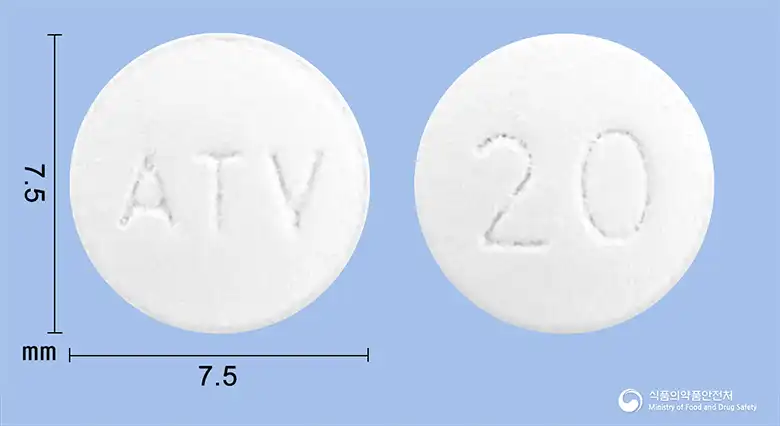
Atorvastatin Calcium Trihydrate 21.7mg
Tablet · Prescription medication
Viatris Korea Co., Ltd.
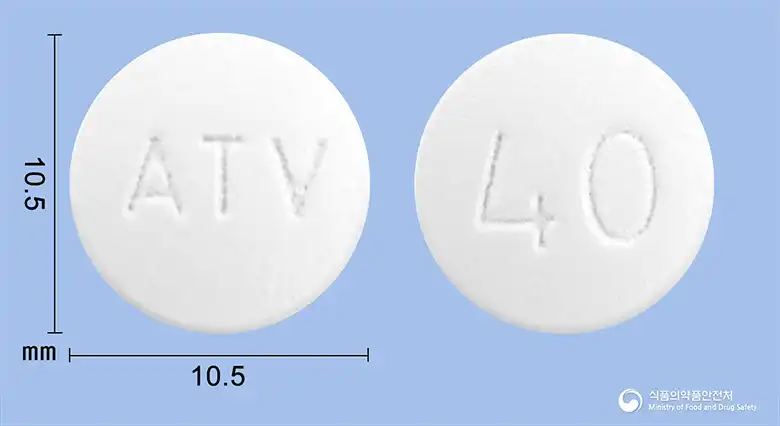
Atorvastatin Calcium Trihydrate 43.4mg
Tablet · Prescription medication
Viatris Korea Co., Ltd.
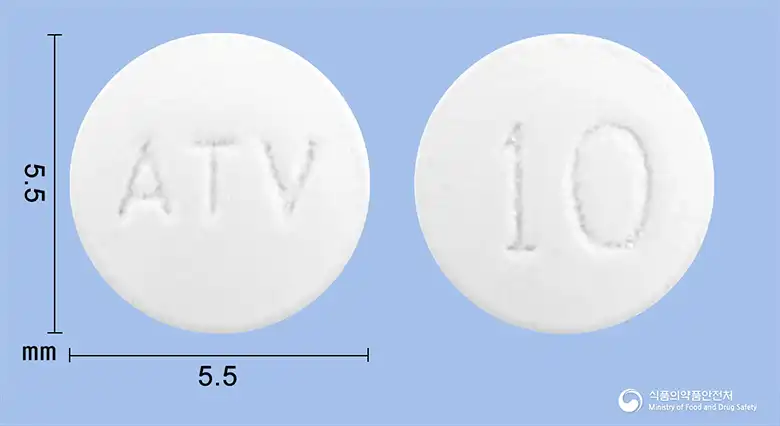
Atorvastatin Calcium Trihydrate 10.85mg
Tablet · Prescription medication
Viatris Korea Co., Ltd.
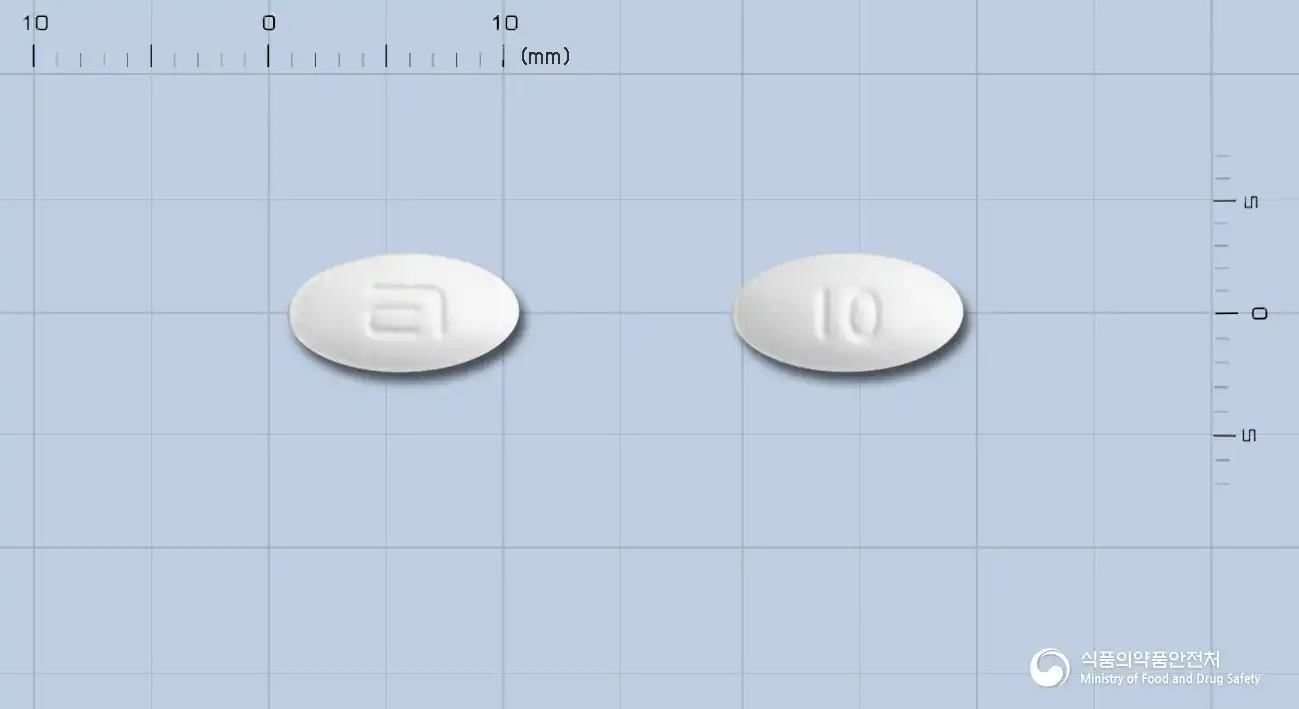
Atorvastatin Calcium Trihydrate 10.85mg
Tablet · Prescription medication
Kyungdong Pharmaceutical Co., Ltd.
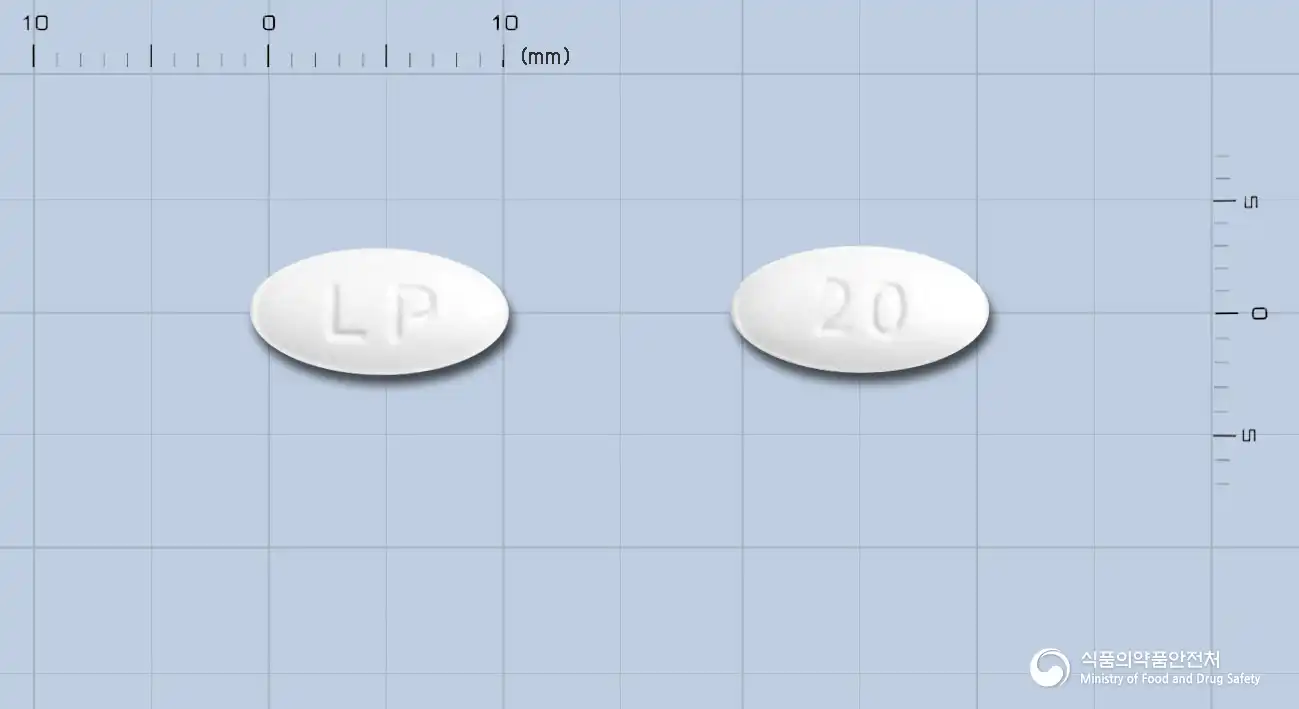
Atorvastatin Calcium Trihydrate 21.69mg
Tablet · Prescription medication
Shinil Pharmaceutical Co., Ltd.
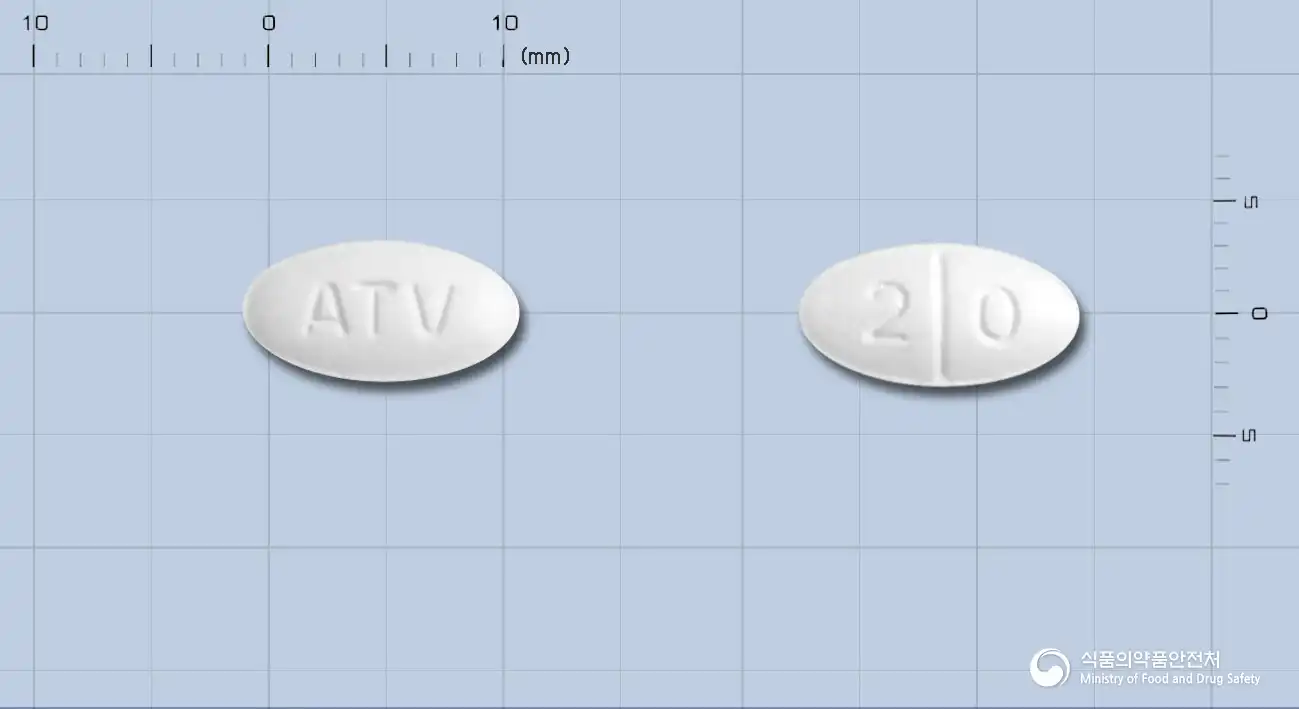
Atorvastatin Calcium Trihydrate 21.69mg
Tablet · Prescription medication
Daewon Pharmaceutical Co., Ltd.
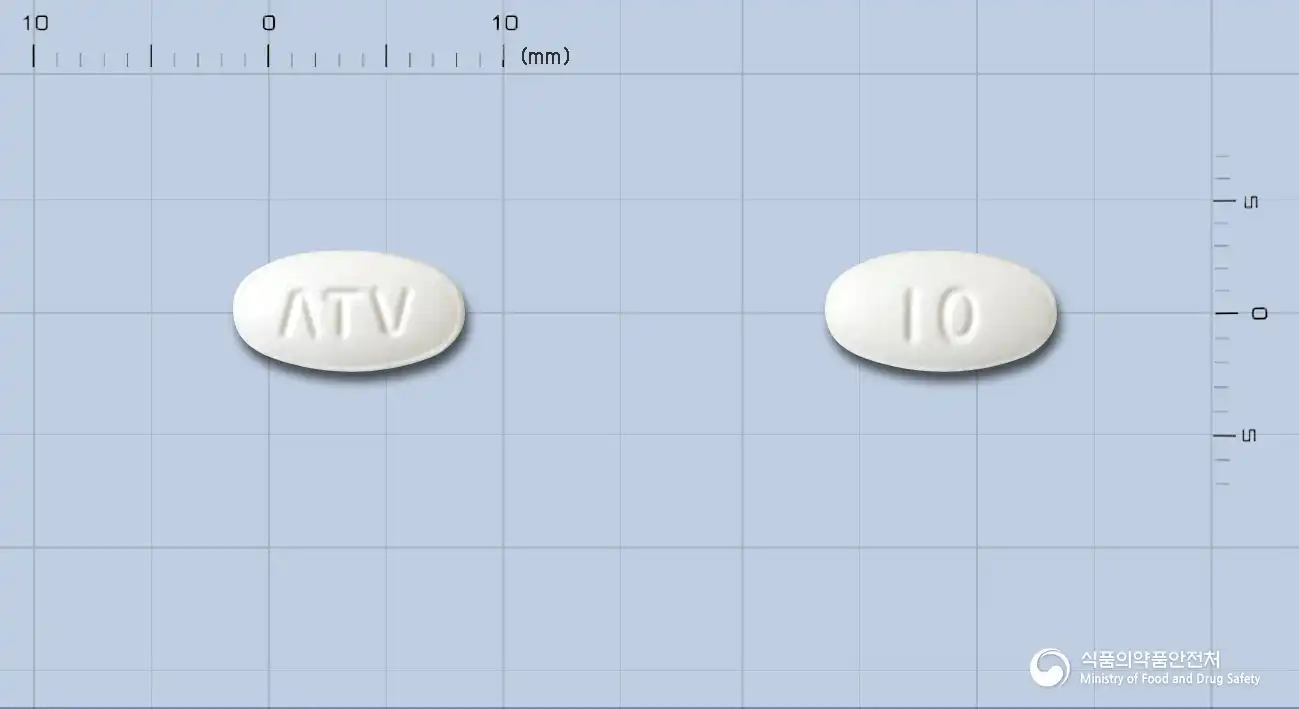
Atorvastatin Calcium Trihydrate 10.845mg
Tablet · Prescription medication
Daewon Pharmaceutical Co., Ltd.
Even with the same ingredient, the dose and directions can differ by strength and dosage form. Talk to a doctor or pharmacist before switching from a medication you are already taking.
No questions yet.
For anything that needs medical judgment, consult a doctor or pharmacist.
This drug information is based on data provided by the Korea Ministry of Food and Drug Safety.
Consult a doctor or pharmacist for accurate dosage, administration, and usage instructions.