Treatment of bacterial infections including respiratory and urogenital infections
Acute and chronic bronchitis
lobar pneumonia
bronchopneumonia
empyema
lung abscess
tonsillitis
sinusitis
otitis media
cystitis
urethritis
pyelonephritis
pelvic infection
View approved original textHide original text
This medicine is effective for treating infections caused by a variety of bacteria. It is used for the treatment of respiratory infections such as acute or chronic bronchitis, pneumonia, empyema, and lung abscess. It also helps with upper respiratory infections such as tonsillitis, sinusitis, and otitis media. It is effective for the treatment of urinary tract infections including cystitis, urethritis, pyelonephritis, pelvic inflammatory disease, and gonorrhea. This medication is also used for skin and soft tissue infections, boils and abscesses, wound infections, osteomyelitis, and dental infections. Thus, this drug is widely used for the treatment of various bacterial infections.
How to take
Adult dose
For adult patients with severe infections and respiratory infections, 2 tablets orally every 12 hours.
Precautions
This medication should not be used in patients with a history of hypersensitivity to penicillin and beta-lactam antibiotics, especially those who have experienced anaphylaxis or severe skin reactions in the past.
Patients with infectious mononucleosis or lymphocytic leukemia should avoid this medication, as it may increase the risk of skin rashes.
Patients with liver function issues should be cautious, as taking this medication may cause a recurrence of liver damage.
Patients with impaired liver or kidney function may need dosage adjustment and monitoring of intervals due to potentially elevated drug concentrations, and careful use is required for those with allergy predispositions.
Elderly patients or those in poor general health need regular observation for the risk of bleeding due to Vitamin K deficiency.
During the use of this medication, if unusual symptoms such as diarrhea, abdominal pain, rash, or difficulty breathing occur, discontinuation of the medication and consultation with a physician must be done immediately.
For long-term use, it is important to regularly check for adverse reactions through liver function, kidney function, and blood tests.
Women who are pregnant or may become pregnant should avoid using this medication, especially during the first trimester, and breastfeeding mothers should also be cautious due to potential side effects in the infant.
When taking other medications concurrently, the possibility of interactions exists, so patients must inform their doctor or pharmacist of all medications currently being taken.
In cases of overdose, symptoms such as vomiting, diarrhea, rash, and convulsions may arise, so urgent medical attention is necessary.
Side effects and when to seek care immediately
Serious side effects
Hives, severe swelling (edema), chest tightness, difficulty breathing, cold sweat, pallor, severe rash accompanied by fever, blistering, peeling of the skin, pain in mucous membranes of mouth/eyes, shortness of breath or difficulty breathing, asthma attacks, respiratory abnormalities with cough and fever, jaundice (yellowing of skin or eyes), extreme fatigue, sudden and severe headache, thunderclap headache, seizures, altered consciousness, visual disturbances, paralysis, urination
Not everyone experiences these, and they can vary from person to person.
Storage
This medication may be sensitive to air or moisture, so it must be stored in a tightly closed container. Additionally, to maintain the drug's effectiveness, it is important to keep it in a cool, dry place below 25 degrees Celsius.
Appearance and packaging
Appearance
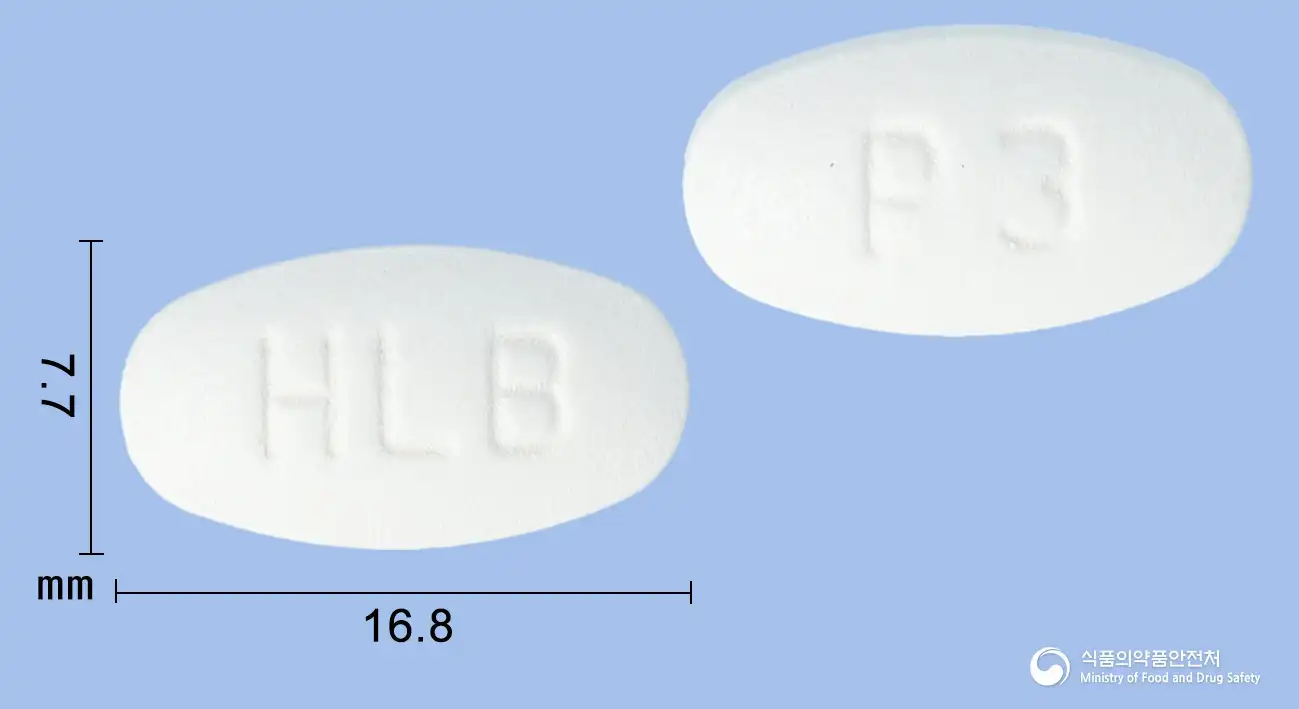
White or almost white rectangular film-coated tablet
Package unit
100 tablets (10 tablets/PTP x10)
Same-ingredient medicines
Even with the same ingredient, strength, dosage form and how it is taken can differ.
Even with the same ingredient, the dose and directions can differ by strength and dosage form. Talk to a doctor or pharmacist before switching from a medication you are already taking.
Questions about this medicine
No questions yet.
For anything that needs medical judgment, consult a doctor or pharmacist.
This drug information is based on data provided by the Korea Ministry of Food and Drug Safety. Consult a doctor or pharmacist for accurate dosage, administration, and usage instructions.

 한국어
한국어 English
 日本語
日本語 中文(简体)