
 한국어
한국어 English
 日本語
日本語 中文(简体)
 Viewing nowCombination
Ephegen Tablets
Ephedrine Hydrochloride 10mg · Anhydrous Caffeine 10mg +1 more
Tablet · OTC medication · Combination
Huons Meditech Co., Ltd.
MFDS item code 201701158 · Notified 2017.03.06
Relief of cold symptoms (sore throat, cough, etc.)
This medication is used to relieve various symptoms of colds, including sore throat, cough, phlegm, chills, fever, headache, joint pain, and muscle pain.
For those aged 15 and older, take 2 tablets at a time, 3 times a day, 30 minutes after meals.
This medication should not be taken by individuals who regularly consume more than three glasses of alcohol daily as it may cause liver damage; please consult a doctor or pharmacist. The acetaminophen ingredient in this medication can rarely cause severe skin reactions, so if any unusual symptoms such as rash or itching occur, discontinue use immediately. The maximum daily dose of acetaminophen is 4,000mg, and caution should be exercised to ensure the total dosage from all acetaminophen-containing products, including this medication, does not exceed this limit. Individuals with known allergies to this medication or who have experienced allergic reactions to this or similar medications should not take it. Those with asthma or who have previously experienced asthma symptoms when taking medications related to this medication, and infants under three months of age should not take this medication. Individuals who are currently taking or have discontinued MAO inhibitors (such as antidepressants or antipsychotics) within the last two weeks should also avoid this medication. While taking this medication, it should not be combined with cough suppressants, other cold medications, antipyretics, sedatives, or antihistamines. Infants with chickenpox or influenza and children under 15 years old should always consult a doctor before taking this medication, and particular caution should be exercised if symptoms such as nausea or vomiting occur. For children under 2 years of age, unless in special circumstances, it is advisable not to administer this medication, and careful observation by a guardian is necessary during use. Those with allergies, liver, kidney, heart, thyroid disorders, diabetes, high blood pressure, gastrointestinal disorders, elderly patients, and women who are pregnant or breastfeeding should consult a healthcare professional before use. If symptoms such as rash, itching, nausea, vomiting, dizziness, shortness of breath, skin rash and blistering, or jaundice appear during use, stop taking the medication immediately and consult a doctor. If symptoms do not improve after taking the medication 5-6 times, it is important to stop taking the medication and consult healthcare personnel. Adhere strictly to the prescribed dosage, avoid prolonged use, and ensure that children are administered the medication under the supervision of an adult. During treatment, avoid alcohol consumption and be cautious as the metabolism of acetaminophen can slow down when taken with barbiturates or tricyclic antidepressants, or alcohol. Rare instances of metabolic acidosis may occur when combining this medication with specific antibiotics, so follow a physician's guidance when taking this medication with other drugs.
Rash, redness, itching, nausea, vomiting, loss of appetite, constipation, swelling, dizziness, anxiety, tremor, insomnia, high anion gap metabolic acidosis (HAGMA)
Not everyone experiences these, and they can vary from person to person.
Do not take this medication with other products containing acetaminophen, MAO inhibitors (such as antidepressants, antipsychotics, mood stabilizers, anti-Parkinson's medications), cough suppressants, other cold medications, antipyretics, sedatives, or antihistamines (oral medications for rhinitis, motion sickness, allergy, etc.), and formulations containing diphenhydramine (including topically applied products). Caution is advised when taking barbiturates, tricyclic antidepressants, and alcohol.
This medication should be stored in a tightly sealed container to prevent air or moisture from entering. It is advisable to maintain a storage temperature between 1 degree and 30 degrees Celsius.
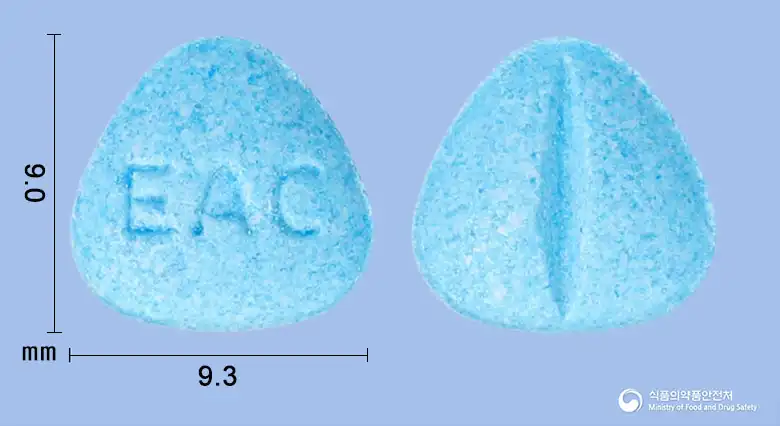
Pale blue triangular tablets
60 tablets/bottle
Even with the same ingredient, strength, dosage form and how it is taken can differ.
Viewing nowCombinationEphedrine Hydrochloride 10mg · Anhydrous Caffeine 10mg +1 more
Tablet · OTC medication · Combination
Huons Meditech Co., Ltd.
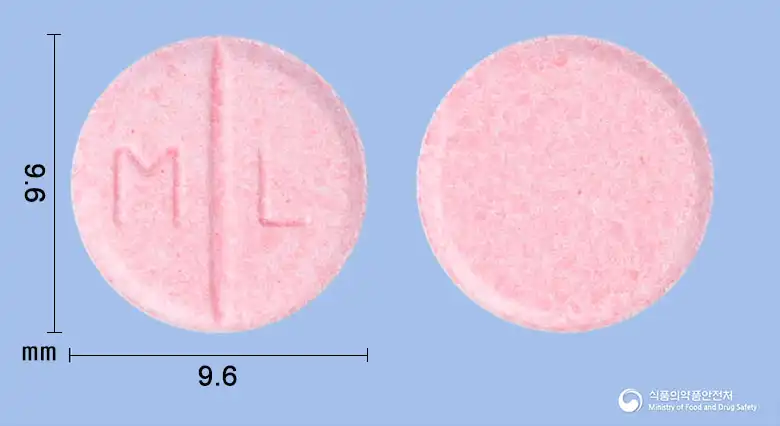 Combination
Ephedrine Hydrochloride 25mg · Anhydrous Caffeine 25mg +1 more
Tablet · OTC medication · Combination
Bynex Co., Ltd.
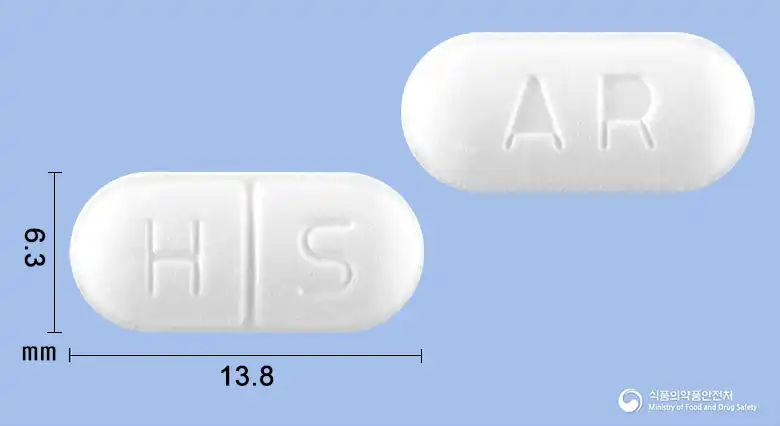 Combination
Ephedrine Hydrochloride 25mg · Anhydrous Caffeine 25mg +1 more
Tablet · OTC medication · Combination
Huons Co., Ltd.
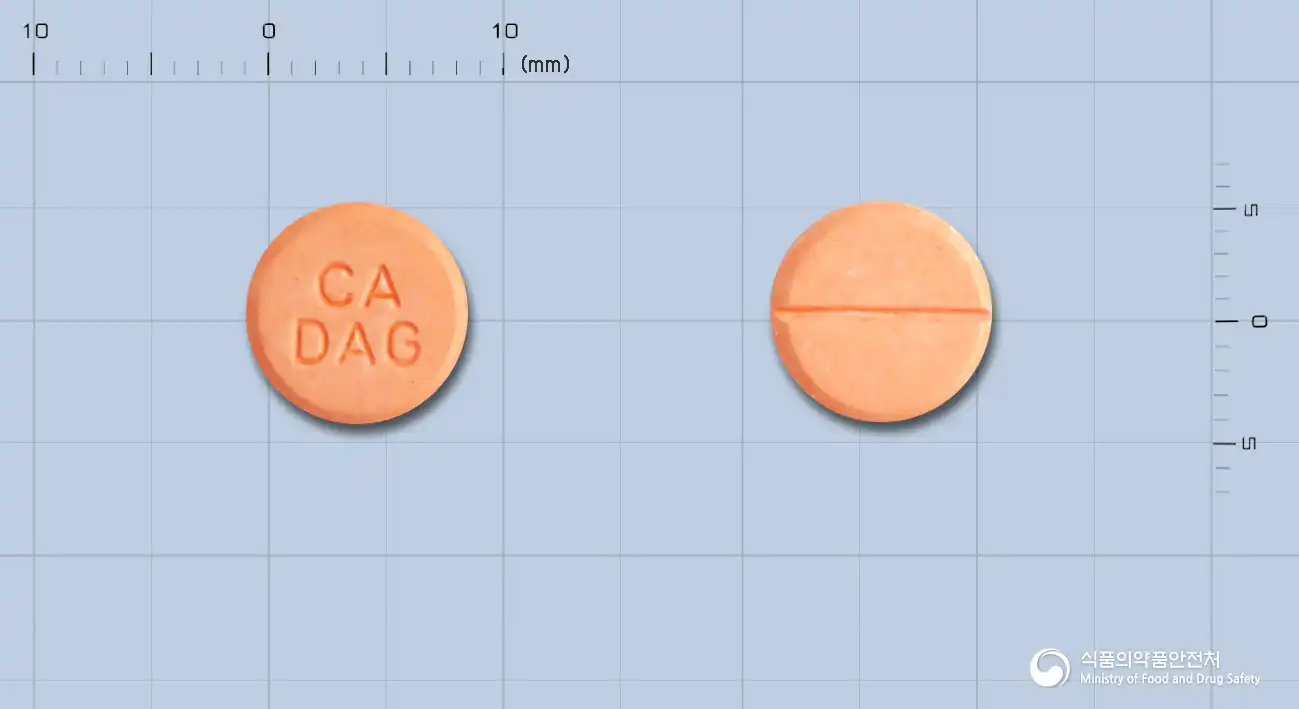 Combination
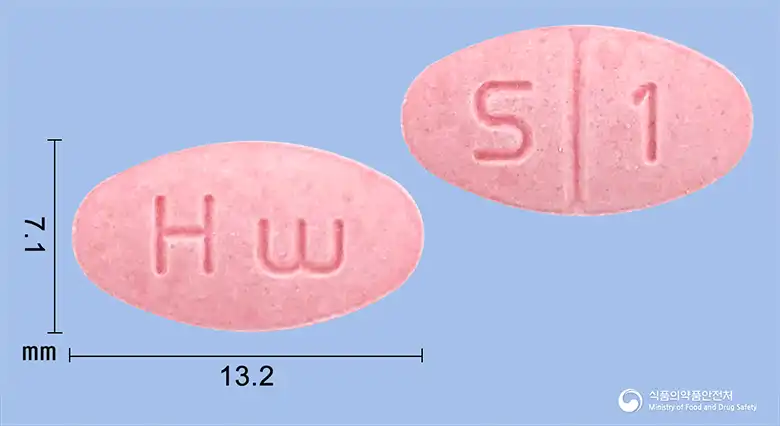
Ephedrine Hydrochloride 13mg · Acetaminophen 200mg +1 more
Tablet · OTC medication · Combination
Joah Pharmaceutical Co., Ltd.
 Combination
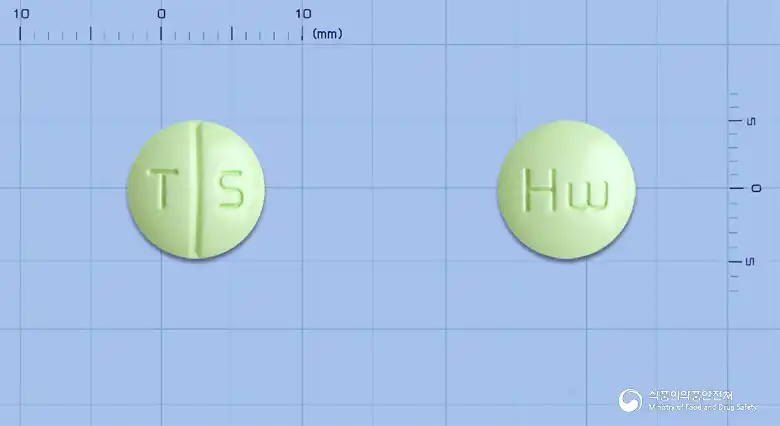
Acetaminophen 200mg · Ephedrine Hydrochloride 25mg +1 more
Tablet · OTC medication · Combination
Albozen Korea Co., Ltd.
 Combination
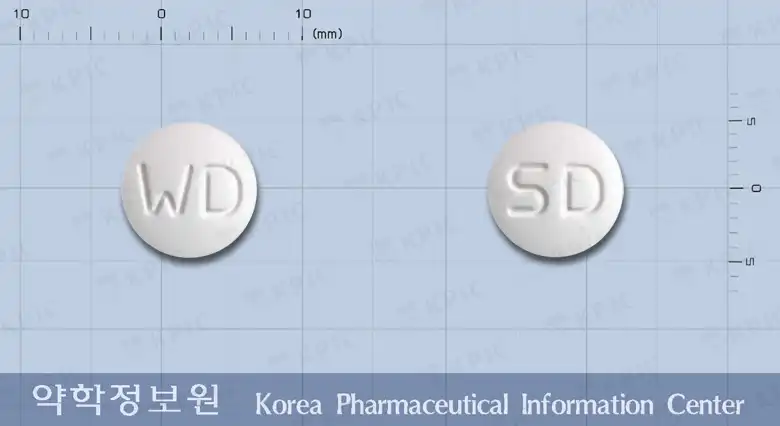
Acetaminophen 200mg · Ephedrine Hydrochloride 15mg +1 more
Tablet · OTC medication · Combination
Alvogen Korea Co., Ltd.
 Combination
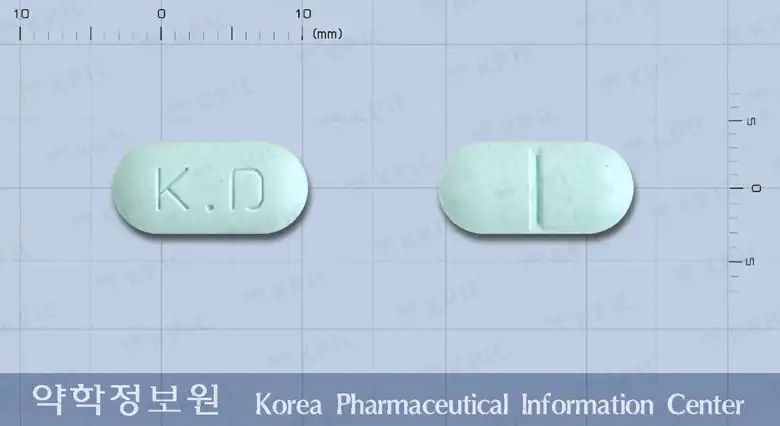
Ephedrine Hydrochloride 12.5mg · Anhydrous Caffeine 50mg +1 more
Tablet · OTC medication · Combination
Pharmgen Science Co., Ltd.
 Combination
Ephedrine Hydrochloride 25mg · Anhydrous Caffeine 25mg +1 more
Tablet · OTC medication · Combination
Kwang Dong Pharmaceutical Co., Ltd.
Even with the same ingredient, the dose and directions can differ by strength and dosage form. Talk to a doctor or pharmacist before switching from a medication you are already taking.
No questions yet.
For anything that needs medical judgment, consult a doctor or pharmacist.
This drug information is based on data provided by the Korea Ministry of Food and Drug Safety.
Consult a doctor or pharmacist for accurate dosage, administration, and usage instructions.