
 한국어
한국어 English
 日本語
日本語 中文(简体)
 Viewing nowCombination
Sedacunoze Soft Capsules
Acetaminophen 180mg · Pseudoephedrine Hydrochloride 15mg +3 more
Soft capsule · OTC medication · Combination
Gyeongnam Pharmaceutical Co., Ltd.
MFDS item code 201700502 · Notified 2017.01.26
Relief of cold symptoms (runny nose, nasal congestion, etc.)
This medication helps alleviate various symptoms caused by colds. It improves respiratory symptoms such as runny nose, nasal congestion, sneezing, sore throat, cough, and phlegm, and alleviates systemic symptoms such as chills, fever, headache, joint pain, and muscle pain. Overall, it reduces the uncomfortable symptoms of cold to help patients recover quickly to their daily lives. It is used for the relief of cold symptoms.
Ages 15 years and above and adults: Take 2 capsules three times a day, 30 minutes after meals
Ages 8 years and above to under 15 years: Take 1 capsule three times a day, 30 minutes after meals
This medication can strain the liver, so individuals who regularly consume large amounts of alcohol should consult a doctor or pharmacist before taking it. Due to the presence of acetaminophen, a serious allergic reaction causing severe skin rash or blisters may rarely occur. If a rash or hypersensitivity reaction appears during use, stop taking it immediately. Be cautious not to exceed the maximum daily dosage of 4,000 mg of acetaminophen in this medication, and do not take it concurrently with other medications containing acetaminophen. Additionally, if severe rash or pustules occur due to the pseudoephedrine component, stop taking it immediately and consult an expert. Those allergic to this medication or its ingredients, have a history of asthma attacks, infants under 3 months, individuals currently taking or recently stopped taking certain antidepressants, and those with severe hypertension or kidney disease should not take this medication. Avoid taking cough suppressants, expectorants, other cold medications, antipyretics, sedatives, or antihistamines while using this medication. Particularly, children who have had chickenpox or influenza, those with allergic tendencies, or individuals with liver, kidney, or heart diseases should consult an expert before use. If unusual symptoms such as rashes, vomiting, dizziness, severe hives, breathing difficulties, or jaundice occur during use, stop taking it immediately and consult medical personnel. It is generally safer not to administer this medication to children under 2 years of age unless in specific situations, and it should be taken under a doctor's guidance. Adhere to the prescribed method of use and dosage when taking, and avoid prolonged use. When children take this medication, supervision by a guardian is necessary. Additionally, avoid alcohol during use and refrain from driving or operating machinery, as drowsiness may occur. Caution is needed if this medication is taken simultaneously with certain antidepressants or alcohol, as it may slow down drug metabolism. Finally, store this medication out of reach of children, avoid direct sunlight, and keep it tightly closed in a cool, dry place. Do not transfer it to another container as it may pose a risk of misuse; keep it in its original container.
Rash, redness (hyperemia), itching, nausea, vomiting, loss of appetite, constipation, edema (swelling), difficulty urinating (urinary obstruction), persistent or severe thirst, dizziness, anxiety, tremors, insomnia, high anion gap metabolic acidosis (HAGMA)
Not everyone experiences these, and they can vary from person to person.
Do not take with other products containing acetaminophen, MAO inhibitors (antidepressants, antipsychotics, mood stabilizers, anti-Parkinson's medications, etc.), cough suppressants, other cold medications, antipyretics, sedatives, or antihistamines. Individuals who have taken MAO inhibitors within 2 weeks prior should not take this medication. Patients treated with barbiturates, tricyclic antidepressants, and alcohol should consult a physician or
Do not consume alcohol while taking this medication.
Store this medicine in a tightly closed container to prevent air or moisture from entering and it is preferable to keep it at room temperature between 1 to 30 degrees Celsius. Storing it this way helps maintain the effectiveness of the drug and prevents deterioration.
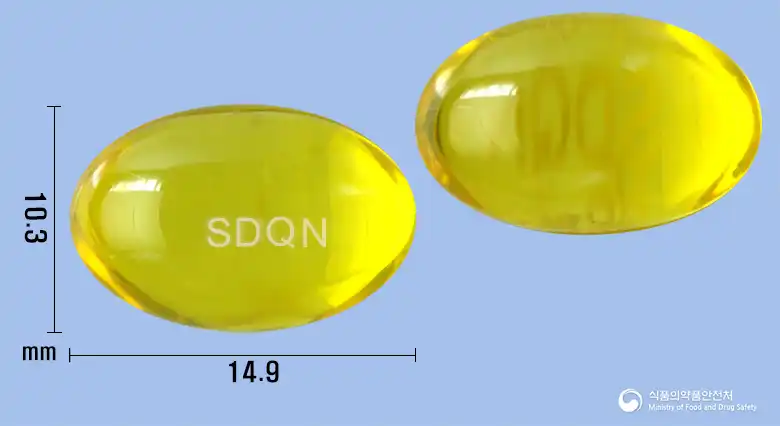
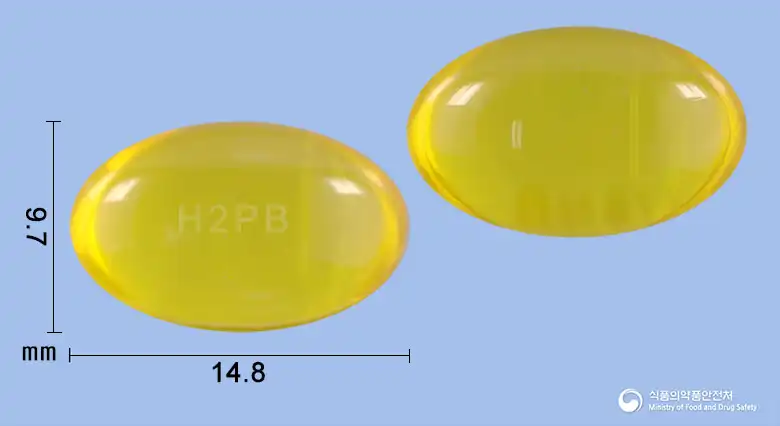
Yellow transparent oval soft capsule containing clear liquid ranging from light yellow to yellow
10 capsules/PTP
Even with the same ingredient, strength, dosage form and how it is taken can differ.
Viewing nowCombinationAcetaminophen 180mg · Pseudoephedrine Hydrochloride 15mg +3 more
Soft capsule · OTC medication · Combination
Gyeongnam Pharmaceutical Co., Ltd.
 Combination
Acetaminophen 180mg · Pseudoephedrine Hydrochloride 15mg +3 more
Soft capsule · OTC medication · Combination
Dongwha Pharmaceutical Co., Ltd.
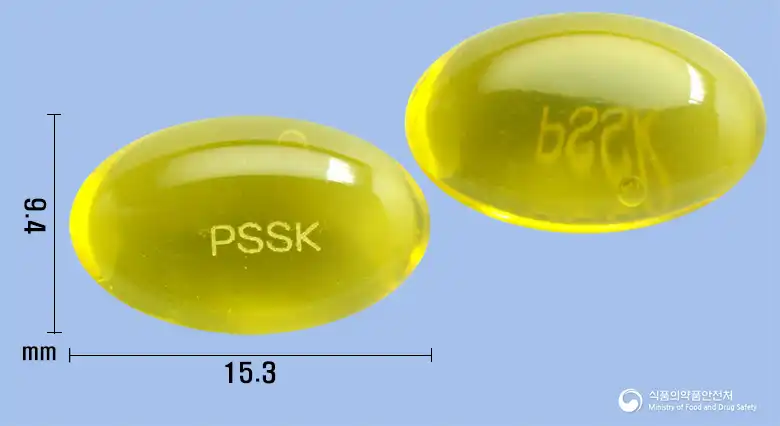 Combination
Acetaminophen 180mg · Pseudoephedrine Hydrochloride 15mg +3 more
Soft capsule · OTC medication · Combination
Cosmax Pharma Co., Ltd.
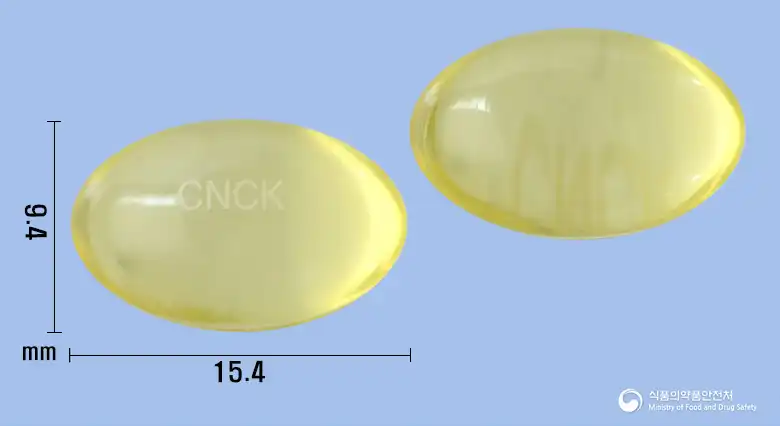 Combination
Acetaminophen 180mg · Pseudoephedrine Hydrochloride 15mg +3 more
Soft capsule · OTC medication · Combination
Dongkook Pharmaceutical Co., Ltd.
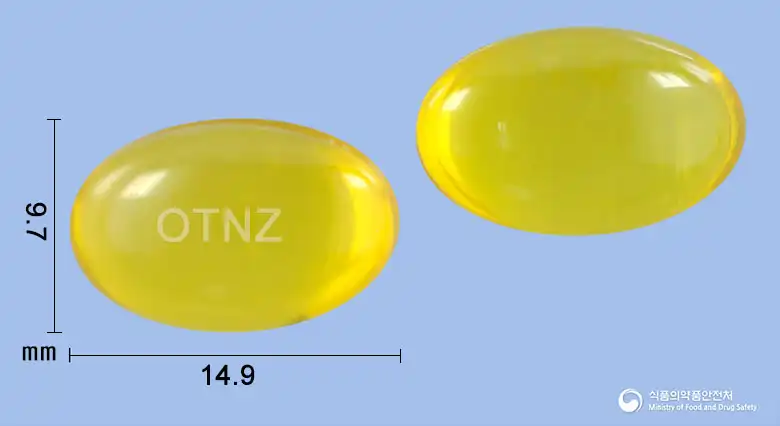 Combination
Acetaminophen 180mg · Pseudoephedrine Hydrochloride 15mg +3 more
Soft capsule · OTC medication · Combination
Cosmax Pharma Co., Ltd.
 Combination
Acetaminophen 180mg · Pseudoephedrine Hydrochloride 15mg +3 more
Soft capsule · OTC medication · Combination
Cosmax Pharma Co., Ltd.
Acetaminophen 178mg · Pseudoephedrine Hydrochloride 15mg +3 more
Soft capsule · OTC medication · Combination
Cosmax Pharma Co., Ltd.
 Combination
Acetaminophen 180mg · Pseudoephedrine Hydrochloride 15mg +3 more
Soft capsule · OTC medication · Combination
Cosmax Pharma Co., Ltd.
Even with the same ingredient, the dose and directions can differ by strength and dosage form. Talk to a doctor or pharmacist before switching from a medication you are already taking.
No questions yet.
For anything that needs medical judgment, consult a doctor or pharmacist.
This drug information is based on data provided by the Korea Ministry of Food and Drug Safety.
Consult a doctor or pharmacist for accurate dosage, administration, and usage instructions.