
 한국어
한국어 English
 日本語
日本語 中文(简体)
 Viewing now
Ranitidine Tablets (Ranitidine Hydrochloride)
Ranitidine Hydrochloride 168mg
Tablet · Prescription medication
Samnam Pharmaceutical Co., Ltd.
MFDS item code 201607339 · Approved 2016.12.28
Improvement of gastric ulcers and gastric mucosal lesions, alleviation of excessive gastric acid symptoms
This medication is used to treat various gastrointestinal diseases, including gastric and duodenal ulcers, Zollinger-Ellison syndrome, and gastroesophageal reflux disease. It also helps prevent Mendelson's syndrome before anesthesia and prevents ulcers after surgery. It is effective in treating gastric and duodenal ulcers induced by non-steroidal anti-inflammatory drugs (NSAIDs). It is also applicable in improving gastric mucosal damage during acute exacerbations of acute and chronic gastritis and upper gastrointestinal bleeding. It can also be used to alleviate symptoms of excess gastric acid, heartburn, and belching. Overall, it helps protect the gastric mucosa and improve symptoms of related diseases.
For adults, Ranitidine is administered as 150 mg orally twice a day, in the morning and before bedtime. For gastric and duodenal ulcers, 150 mg is taken twice a day orally or 300 mg is taken once at bedtime. Patients with duodenal ulcers may take 300 mg twice a day. The same dosing regimen is used for ulcer prevention due to non-steroidal anti-inflammatory drug use.
For children, clinical studies are not established; however, doses of 150 mg (2 mg per kg of body weight) can be administered twice a day for ages 8 to 18 years.
This medication should not be used in patients who have had an allergic reaction to its ingredients. It should not be administered to patients with a rare condition known as acute porphyria, as it may worsen symptoms. Patients with lactose intolerance or certain genetic metabolic disorders should also avoid this medication. Patients with poor kidney function may require dosage adjustment, as this medication may remain in the body longer, increasing the risk of side effects. Patients with liver dysfunction should also use this medication with caution. Patients with a history of drug allergies and the elderly should be particularly careful when taking this medication. If taking non-steroidal anti-inflammatory drugs concurrently, regular health check-ups are necessary. This medication may mask symptoms of gastric cancer, so patients with gastric ulcers and new indigestion patients over middle age should confirm the malignancy before treatment. If Helicobacter pylori infection is present, eradication therapy should be performed concurrently. During the course of this medication, there may be rare occurrences of severe allergic reactions, blood abnormalities, liver dysfunction, cardiac rhythm disturbances, gastrointestinal issues, and neurological symptoms, so any unusual symptoms should be reported to medical personnel immediately. Dizziness or drowsiness may occur, so it is advised to avoid driving or operating dangerous machinery. This medication can interact with other drugs, affecting their efficacy or side effects, so it is important to inform medical personnel of all medications being taken. Especially when used with anticoagulant medications, blood tests should be performed frequently. Pregnant women or women who may become pregnant and nursing mothers should consider the necessity and risks of using this medication, as its effects on the fetus or infant are not well established. There is a need for caution in using this medication in children, as its safety is not well established. Elderly patients may require careful adjustment of dosage or intervals between doses, as the drug may remain in their bodies for longer due to reduced kidney function. This medication may promote bacterial growth in the stomach by reducing gastric acid secretion, so ophthalmologic examinations may be needed if used long-term. In case of overdose, special toxic symptoms are rare, but suitable treatment such as vomiting or gastric lavage should be administered, and blood dialysis may be performed if necessary.
Not everyone experiences these, and they can vary from person to person.
This medication is sensitive to light; it should be stored in an opaque container. Additionally, it is important to store it at room temperature between 1°C and 30°C to maintain its effectiveness.
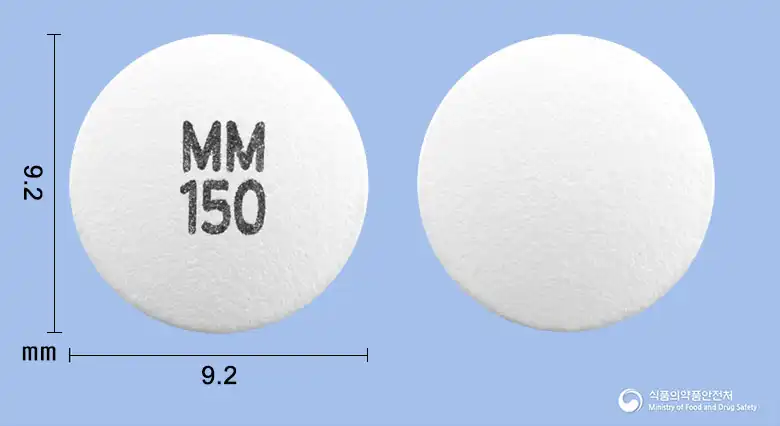
Round film-coated tablets, beige to yellowish color
30 tablets per bottle, 100 tablets per bottle
Even with the same ingredient, strength, dosage form and how it is taken can differ.
Viewing nowRanitidine Hydrochloride 168mg
Tablet · Prescription medication
Samnam Pharmaceutical Co., Ltd.
Ranitidine Hydrochloride 168mg
Prescription medication
Ildong Pharmaceutical Co., Ltd.
Ranitidine Hydrochloride 168mg
Tablet · Prescription medication
Hana Pharmaceutical Co., Ltd.
Ranitidine Hydrochloride 56mg
Prescription medication
Ildong Pharmaceutical Co., Ltd.
Ranitidine Hydrochloride 336mg
Prescription medication
Ildong Pharmaceutical Co., Ltd.
Ranitidine Hydrochloride 168mg
Tablet · Prescription medication
Hanin Pharmaceutical Co., Ltd.
Ranitidine Hydrochloride 112mg
Solution · Prescription medication
Hanin Pharmaceutical Co., Ltd.
Ranitidine Hydrochloride 56mg
Solution · Prescription medication
Hanin Pharmaceutical Co., Ltd.
Even with the same ingredient, the dose and directions can differ by strength and dosage form. Talk to a doctor or pharmacist before switching from a medication you are already taking.
No questions yet.
For anything that needs medical judgment, consult a doctor or pharmacist.
This drug information is based on data provided by the Korea Ministry of Food and Drug Safety.
Consult a doctor or pharmacist for accurate dosage, administration, and usage instructions.