
 한국어
한국어 English
 日本語
日本語 中文(简体)
Dosage form image
Viewing nowBialseti Liquid (Levocetirizine Hydrochloride)
Levocetirizine Hydrochloride 0.05mg
Solution · Prescription medication
(Co., Ltd.) Boryung Biopharma
MFDS item code 201606429 · Notified 2016.11.01 · Insurance code 670500892
Relief of symptoms of allergic rhinitis and chronic urticaria
This medication alleviates the symptoms of seasonal and perennial allergic rhinitis and reduces the unpleasant symptoms associated with chronic idiopathic urticaria. Additionally, it is used in conjunction with topical hydrocortisone preparations to enhance the treatment of dermatitis and eczema accompanied by itching, and is applicable for adults and children aged 6 and above. By alleviating these symptoms, it assists in improving the quality of daily life for patients.
Adults and children aged 6 years and above: 5mg (liquid form 10mL) levocetirizine hydrochloride orally administered once daily, regardless of meals. For adults with renal impairment, the dose should be adjusted according to renal function. Creatinine clearance (CLCR) 50 ≤ CLCR < 80: 5mg once daily 30 ≤ CLCR < 50: 5mg twice daily 10 ≤ CLCR < 30: 5mg once every three days
Children aged over 2 years to under 6 years: 1.25mg (liquid form 2.5mL) orally administered twice a day. Children aged over 1 year to under 2 years: 1.25mg (liquid form 2.5mL) orally administered once a day.
This medication should not be used in patients with hypersensitivity to specific components or those allergic to hydroxyzine or piperazine derivatives. It is also safest to avoid in patients with severely impaired renal function or those undergoing hemodialysis, as well as in women who are pregnant or potentially pregnant, and in nursing mothers. Infants under 1 year of age should not use this medicine, and it is recommended to administer the liquid form rather than tablets to children under 6 years of age. Patients with kidney or liver dysfunction, as well as the elderly, should use this medicine cautiously as it may increase serum concentrations of the drug. Common neurological side effects may include drowsiness, headache, dizziness, and fatigue, while gastrointestinal symptoms may include dry mouth or indigestion, abdominal pain, and others. Rarely reported side effects include arrhythmias, changes in blood cell counts, allergic reactions, blurred vision, liver dysfunction, and changes in kidney function. In children, fever, diarrhea, vomiting, and otitis media may frequently occur. After taking the medication, drowsiness or fatigue may arise, thus caution is advised when driving or operating machinery that requires concentration. Additionally, concomitant use with alcohol or other CNS depressants can significantly increase drowsiness and impaired focus, so avoidance of combined use is recommended. Patients with conditions that make urination difficult should use this drug cautiously as it may increase the risk of urinary retention. As with other antihistamines, this drug should not be used in combination with alcohol, and there may be interactions with some medications, so consultation with a physician or pharmacist is advised. It is safest for pregnant or nursing women to avoid this medication, as there has not been sufficient research regarding its effects on fetuses or nursing infants. For children, appropriate dosages according to age and weight must be used, especially avoiding use in infants under 1 year. Elderly patients may experience elevated drug concentrations due to decreased renal function, so starting with a lower dose and adjusting for adverse reactions is necessary. Before allergy testing, it may be advisable to temporarily discontinue this medication, as it could affect test results. In cases of overdose, adults may experience severe drowsiness, and in children, anxiety and restlessness may be the initial manifestations, necessitating immediate medical attention for appropriate treatment. There is no antidote for this medication, so treatment during overdose focuses on alleviating symptoms, and the medication is not effectively removed through hemodialysis.
Not everyone experiences these, and they can vary from person to person.
This medication is sensitive to light and should be stored in a tightly sealed container that blocks light. It is crucial to maintain storage temperatures between 1 degree and 30 degrees Celsius.
Colorless, transparent solution in a brown glass or plastic bottle
500ml/bottle
Even with the same ingredient, strength, dosage form and how it is taken can differ.
Levocetirizine Hydrochloride 0.05mg
Solution · Prescription medication
(Co., Ltd.) Boryung Biopharma
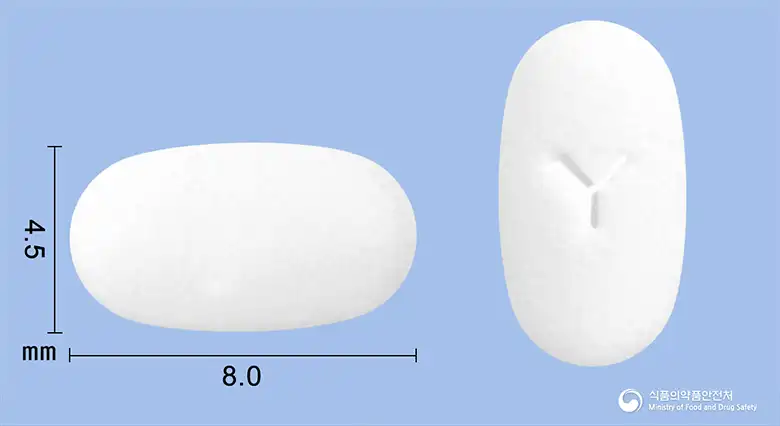
Levocetirizine Hydrochloride 5mg
Tablet · Prescription medication
HanKook UCB Pharma Co., Ltd.
Levocetirizine Hydrochloride 50mg
Solution · Prescription medication
Korea UCB Pharmaceutical Co., Ltd.
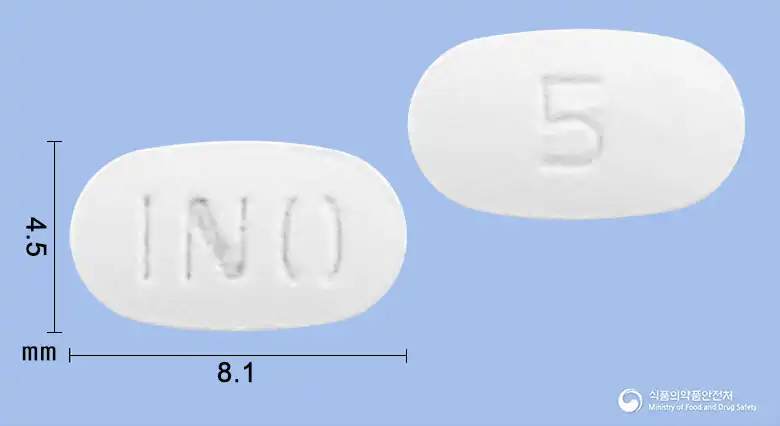
Levocetirizine Hydrochloride 5mg
Tablet · Prescription medication
HK inno.N Co., Ltd.
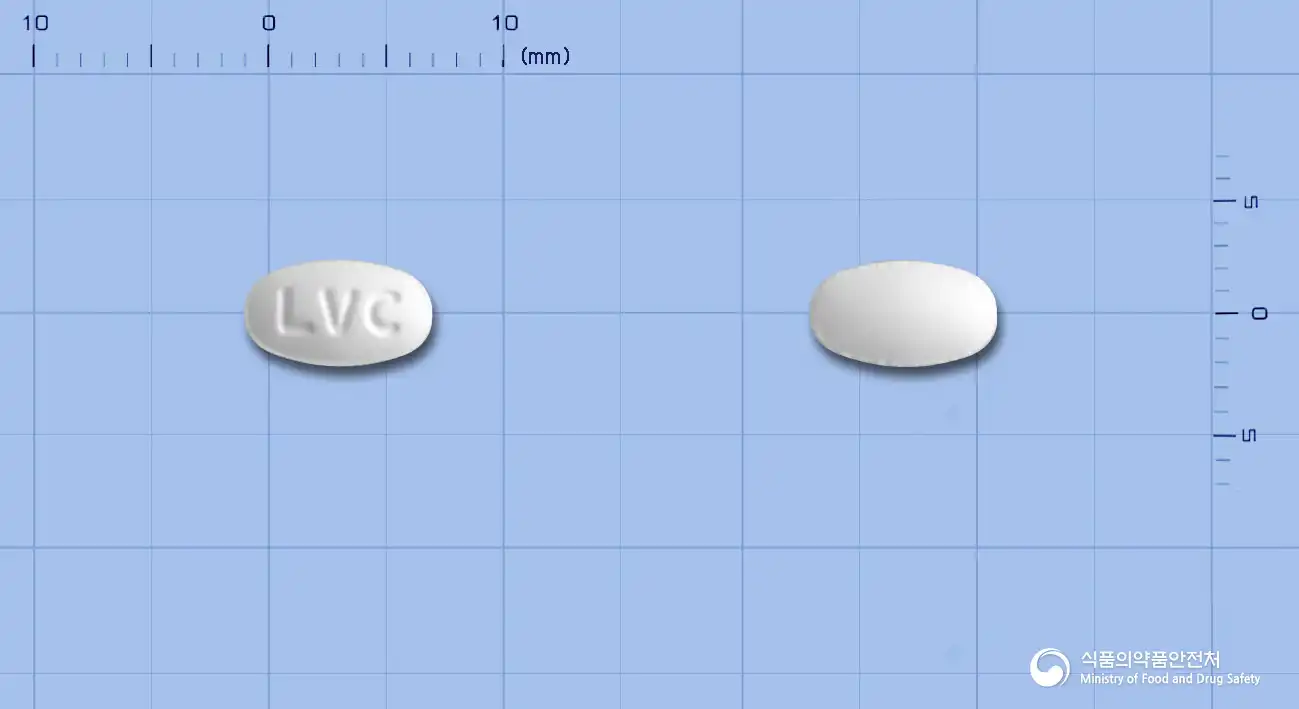
Levocetirizine Hydrochloride 5mg
Tablet · Prescription medication
Hanwha Pharmaceutical Co., Ltd.
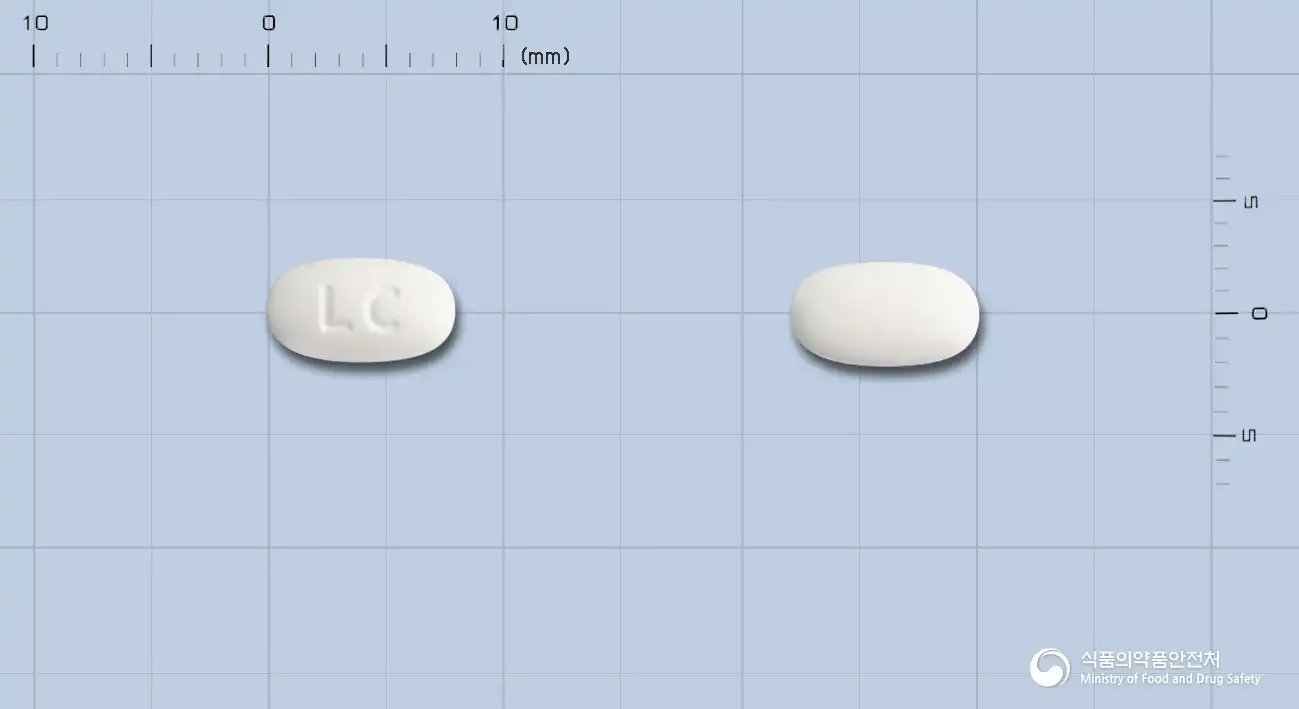
Levocetirizine Hydrochloride 5mg
Tablet · Prescription medication
Dongkwang Pharmaceutical Co., Ltd.
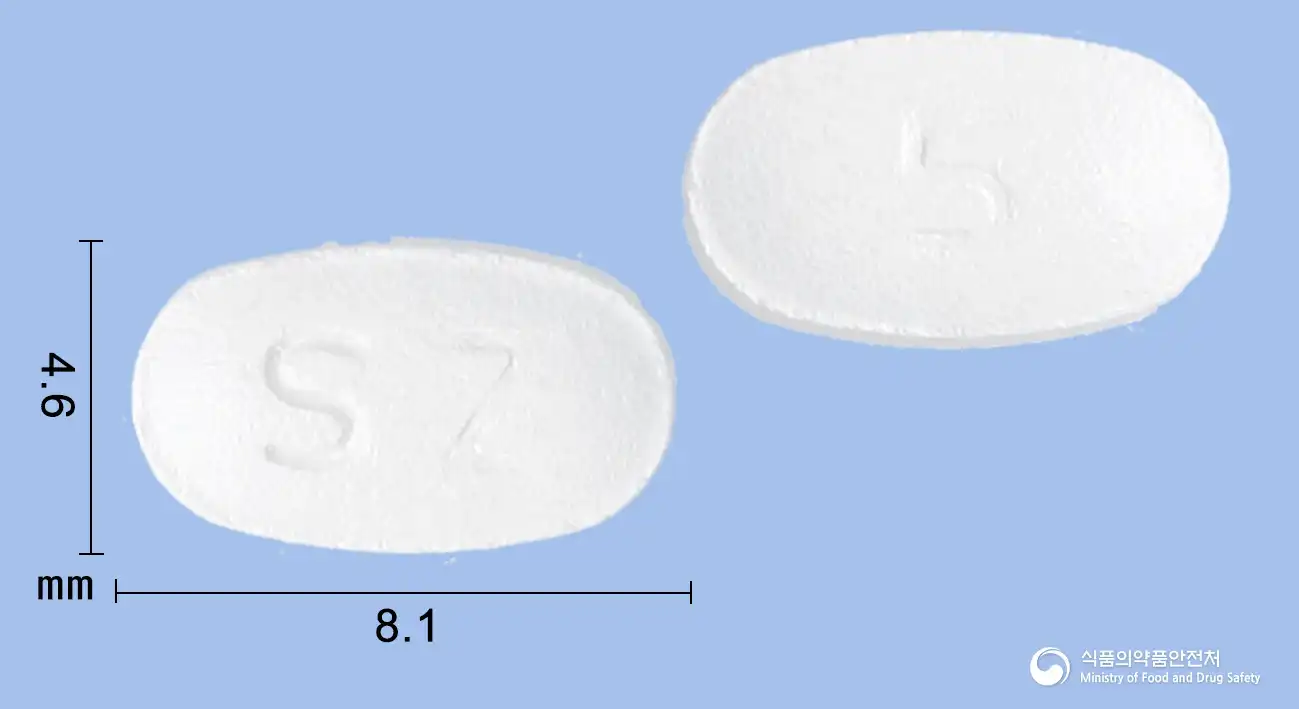
Levocetirizine Hydrochloride 5mg
Tablet · Prescription medication
Kyungdong Pharmaceutical Co., Ltd.
Levocetirizine Hydrochloride 5mg
Tablet · Prescription medication
Hanlim Pharmaceutical Co., Ltd.
Even with the same ingredient, the dose and directions can differ by strength and dosage form. Talk to a doctor or pharmacist before switching from a medication you are already taking.
No questions yet.
For anything that needs medical judgment, consult a doctor or pharmacist.
This drug information is based on data provided by the Korea Ministry of Food and Drug Safety.
Consult a doctor or pharmacist for accurate dosage, administration, and usage instructions.