
 한국어
 English
 日本語
 中文(简体)
 Viewing now
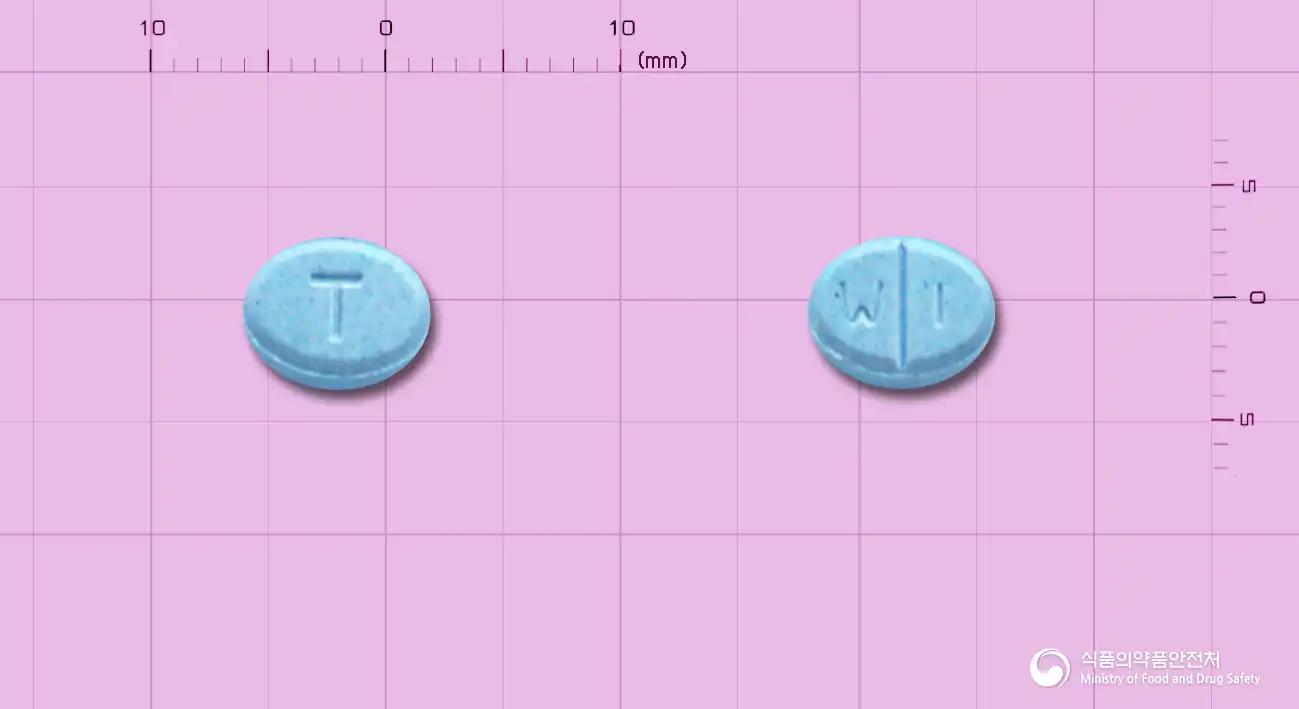
Trilam Tablets 0.125 mg (Triazolam)
Triazolam 0.125mg
Tablet · Prescription medication
Hanin Pharmaceutical Co., Ltd.
MFDS item code 201605409 · Approved 2016.09.05 · Insurance code 657202920
Short-term treatment of insomnia
This medication is used for the short-term treatment of insomnia. It helps improve symptoms of difficulty falling asleep or frequent awakenings, aiding in achieving comfortable sleep. It is effective in alleviating fatigue and decreased concentration caused by insomnia. When used for a short term, it is considered safe and helps improve the quality of sleep, thus supporting the restoration of vitality in daily life.
This medicine should be administered for a short period (usually 7-10 days), and the treatment period should not exceed 2-3 weeks. To achieve the maximum effect and avoid serious adverse reactions, it is advisable to individualize the dose and administer the minimum effective dose. Take care not to increase the prescribed dose. If the dose must be increased because there is no response at a low dose, adverse reactions may occur in a dose-dependent manner; therefore, administer cautiously while closely observing the patient. Depending on the patient, administer triazolam 0.125 ~ 0.25 mg orally before bedtime. Doses exceeding 0.25 mg are not recommended because adverse reactions increase in a dose-dependent manner. The initial dose is triazolam 0.125 mg. If there is no response at a low dose, 0.25㎎ may be administered, but do not exceed 0.25 mg. The risk of dependence may increase with the dose and duration of treatment. Therefore, administer the lowest appropriate dose for the shortest possible period, and frequently reassess the need for continued treatment. Abrupt discontinuation or rapid dose reduction after continued administration of this medicine may cause withdrawal reactions that can be life-threatening. To reduce the risk of withdrawal reactions, discontinue or reduce the dose of this medicine by gradual tapering (see section ‘1. Warnings’ under Precautions for Use). If withdrawal reactions occur, consider temporarily stopping the taper or increasing the dose to the previous dose. The dose should then be reduced more slowly.
This medication can induce sleep, so it may impair the ability to drive or perform other complex tasks while not fully awake. Such actions can be very dangerous as the individual may not recall them. This risk is higher when taken with alcohol or other central nervous system depressants. If such symptoms occur, it is necessary to consult a doctor immediately and discontinue use. Additionally, this medication can rarely cause serious allergic reactions, including anaphylaxis. If symptoms such as swelling of the tongue, vocal cords, or larynx, difficulty breathing, or vomiting occur, immediate emergency treatment is required, and this medication should not be taken again if such symptoms arise. Long-term use of this medication may increase daytime anxiety, which can be withdrawal symptoms when the medication is suddenly discontinued. In such cases, it is recommended to consult a doctor before stopping the medication. This medication can suppress the central nervous system, causing drowsiness, dizziness, memory issues, etc., so activities requiring concentration, such as driving or operating machinery, should be avoided while taking it. Caution is particularly needed for the elderly or weak patients who are at a higher risk of falls. Taking it alongside opioids can enhance sedative effects, leading to respiratory depression or coma; therefore, it should only be taken in minimal doses under a doctor's instruction when absolutely necessary. This medication carries risks of misuse and dependency, so it must be used strictly according to a doctor's prescription and guidance. Moreover, it should be stored safely, and any remaining medication should be disposed of properly. Suddenly stopping the medication can cause severe withdrawal symptoms, so dosage should be reduced gradually according to a doctor's instructions. Women who are pregnant or may become pregnant, breastfeeding women, patients with acute angle-closure glaucoma, and those with drug or alcohol dependence should not take this medication. Additionally, patients with impaired liver or kidney function, the elderly, or those with heart or lung diseases require special caution when taking this medication. This medication can interact with other drugs, so it's critical to inform the doctor about any current medications or alcohol consumption, especially when taking certain antibiotics, antifungals, antidepressants, or sedatives. Finally, this medication is not recommended for children as its safety and efficacy have not been established.
sleep driving, preparing food while asleep, eating, making phone calls, engaging in complex behaviors such as sexual intercourse, severe anaphylaxis, anaphylactic reactions, tongue angioedema, supraglottic angioedema, laryngeal angioedema, respiratory distress, throat obstruction, nausea, vomiting, increased anxiety during the day, excessive aggression, extroversion, decreased self-control, unusual behavior, restlessness, hallucinations, depersonalization, worsening depression, drowsiness, dizziness, ataxia, coordination disorders, antecedent amnesia, tremors, abdominal cramps, muscle cramps, discomfort, sensory disturbances, insomnia, hyperesthesia, tachycardia, fatigue, confusion, amnesia, convulsions, pain, depression, visual disturbances, headache, heaviness in the head, transient amnesia, constipation, gustatory disturbances, diarrhea, thirst, dermatitis, allergies, dreams, nightmares, tinnitus, sensory abnormalities, weakness, congestion, stupor, anxiety, ataxic coordination, chest discomfort, subcutaneous hemorrhage, palpitations, chest tightness, elevated blood pressure, decreased blood pressure, lethargy, twisting of the tongue, elevated ALT, elevated AST, elevated γ-GTP, elevated ALP, amnesia, state of confusion, state of agitation, dystonia, appetite loss, sedation, speech disorders, jaundice, itching, changes in libido, menstrual irregularities, urinary incontinence, urinary retention, stimulation, excited state, increased muscle cramps, sleep disturbances, hallucinations, aggression, falls, syncope, somnambulism, delusions, unusual behavior, heartburn, burning sensation, gastritis, vasomotor edema, anaphylactic shock, drug abuse, drug dependence, drug withdrawal syndrome, delirium, confusion, weakness, convulsions, tremors, abdominal and muscle cramps, vomiting, sweating, discomfort, sensory disturbances, insomnia, tremor, delirium, depression, hallucinations, mania, psychosis, seizures, suicidal impulses, convulsions, confusion, discordance, drowsiness, stuttering, coma, respiratory depression, apnea
Not everyone experiences these, and they can vary from person to person.
This medication may be sensitive to light, so it should be stored in a sealed container that blocks light. The storage temperature should ideally be maintained at room temperature between 1 to 30 degrees Celsius. Proper storage will help maintain the medication's effectiveness and safety.
White oval tablet
30 tablets/bottle, 200 tablets/bottle
Even with the same ingredient, strength, dosage form and how it is taken can differ.
Viewing nowTriazolam 0.125mg
Tablet · Prescription medication
Hanin Pharmaceutical Co., Ltd.
Triazolam 0.25mg
Tablet · Prescription medication
Hwain Pharmaceutical Co., Ltd.

Triazolam 0.125mg
Tablet · Prescription medication
Myungjin Pharmaceutical Co., Ltd.

Triazolam 0.25mg
Tablet · Prescription medication
Myungin Pharmaceutical Co., Ltd.
Triazolam 0.125mg
Tablet · Prescription medication
Pfizer Korea Co., Ltd.
Triazolam 0.25mg
Tablet · Prescription medication
Pfizer Pharmaceuticals Korea Co., Ltd.
Even with the same ingredient, the dose and directions can differ by strength and dosage form. Talk to a doctor or pharmacist before switching from a medication you are already taking.
No questions yet.
For anything that needs medical judgment, consult a doctor or pharmacist.
This drug information is based on data provided by the Korea Ministry of Food and Drug Safety.
Consult a doctor or pharmacist for accurate dosage, administration, and usage instructions.