
 한국어
한국어 English
 日本語
日本語 中文(简体)
 Viewing nowCombination
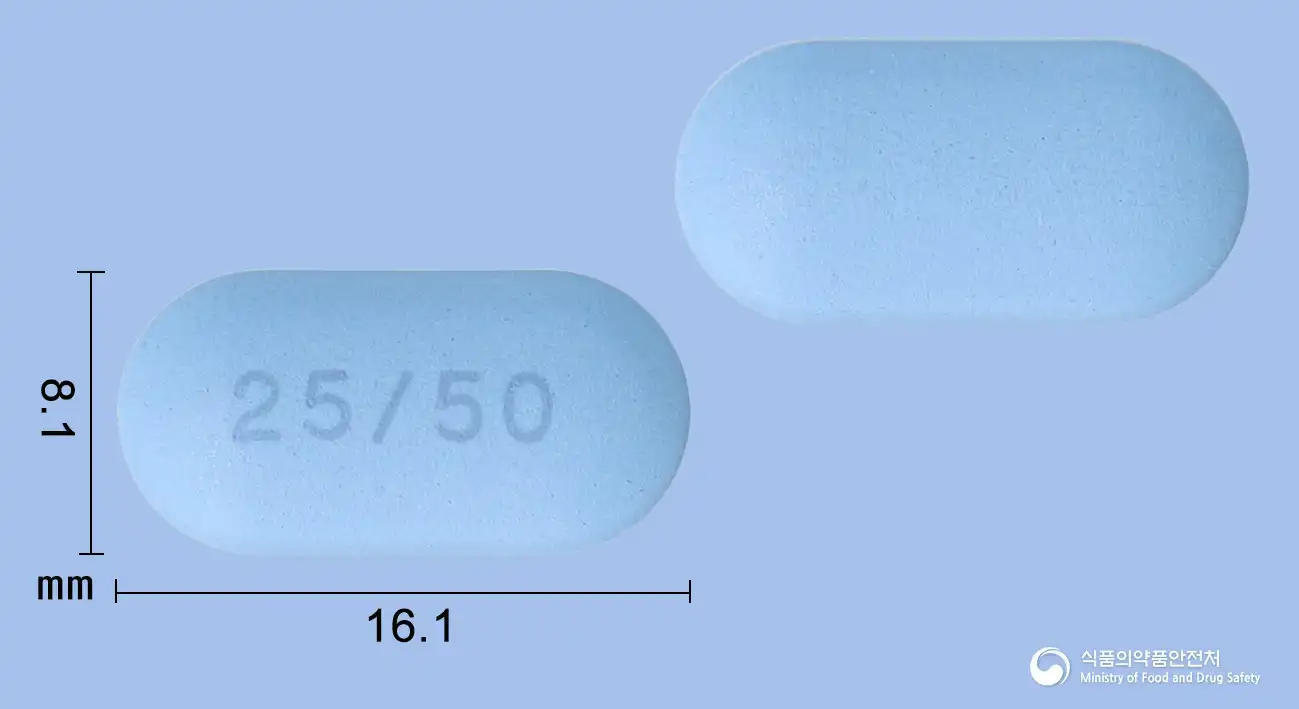
Duvimet Extended-Release Tablet 0.25/500 mg
Metformin Hydrochloride 500mg · Lobeglitazone Sulfate 0.25mg
Tablet · Prescription medication · Combination
Jongkundang Co., Ltd.
MFDS item code 201605368 · Approved 2016.09.01 · Insurance code 643307560
Improvement of blood sugar control in adult type 2 diabetes
This medication is used to improve blood sugar control in adult patients with type 2 diabetes mellitus. It can be taken in addition to monotherapy with metformin when blood sugar control is difficult with diet and exercise alone. It also helps effectively in controlling blood sugar when replacing the combination therapy of rosiglitazone and metformin. Thus, this medication plays an important role in enhancing blood sugar management and supporting diabetes treatment.
This medication is generally administered once daily with the evening meal, incrementally adjusting the dosage to reduce gastrointestinal side effects associated with metformin. For this medication at 0.5/1000 mg extended-release, take 1 tablet once a day. Patients taking 0.25/500 mg, 0.25/750 mg, or 0.25/1000 mg extended-release tablets should take 2 tablets simultaneously once daily. The maximum daily dosage is not to exceed the provided recommendations.
This medication should be used cautiously in patients with conditions that stress the heart. In particular, it is advisable not to use this medication in patients with heart failure or those with a history of heart failure. During treatment, symptoms of heart failure such as weight changes, shortness of breath, and edema should be carefully monitored. If such symptoms occur, inform the healthcare provider immediately to evaluate the condition and receive appropriate action. This medication should not be used in patients with impaired kidney function, and regular checks should be conducted to ensure kidney function is normal. It is also safer for patients with liver dysfunction to avoid this medication. This medication can rarely cause severe metabolic acidosis, known as lactic acidosis, therefore if symptoms such as weakness, muscle pain, difficulty breathing, or abdominal pain occur, visit a hospital immediately. Excessive alcohol consumption increases the risk of lactic acidosis, so alcohol should be avoided while taking this medication. When used with other medications that lower blood sugar, there is a risk of hypoglycemia, so it is essential to regularly monitor blood sugar levels and remain vigilant. Women who are pregnant or might become pregnant, as well as nursing mothers, should not use this medication. Caution is needed as the safety and efficacy of this medication have not been sufficiently verified in children or the elderly. In case of overdose, inform the healthcare provider immediately and receive necessary treatment. This medication may interact with other drugs, so it is essential to inform the physician or pharmacist about any other medications being taken. If during treatment there are signs of weight gain, edema, fatigue, or liver dysfunction, consult the healthcare provider immediately. Due to the characteristics of thiazolidinedione class drugs, there is an increased risk of fractures, thus care should be taken regarding bone health. While taking this medication, it is crucial to strictly adhere to the prescribed dosage and schedule, and not to arbitrarily increase or decrease the dosage. Regular blood tests and kidney and liver function checks during treatment are important.
Edema, excessive and rapid weight changes, shortness of breath, dyspnea, difficulty breathing, heart failure, lactic acidosis, liver dysfunction (increased ALT, increased AST, jaundice), acute kidney failure, acute myocardial infarction, sepsis, headache, seizures, confusion, visual disturbances, paralysis, hypoglycemia, severe edema accompanied by increased blood pressure, kidney function decline, increased serum creatinine, acute respiratory distress syndrome, worsening asthma, pulmonary edema, pneumonia, brainstem infarction
Not everyone experiences these, and they can vary from person to person.
This medication is sensitive to air and moisture, so it should be stored in a tightly sealed container. The storage temperature should be maintained between 1 to 30 degrees Celsius at room temperature.
Blue elongated extended-release film-coated tablet
Bottle packaging - 30 tablets/bottle
Even with the same ingredient, strength, dosage form and how it is taken can differ.
Viewing nowCombinationMetformin Hydrochloride 500mg · Lobeglitazone Sulfate 0.25mg
Tablet · Prescription medication · Combination
Jongkundang Co., Ltd.
 Combination
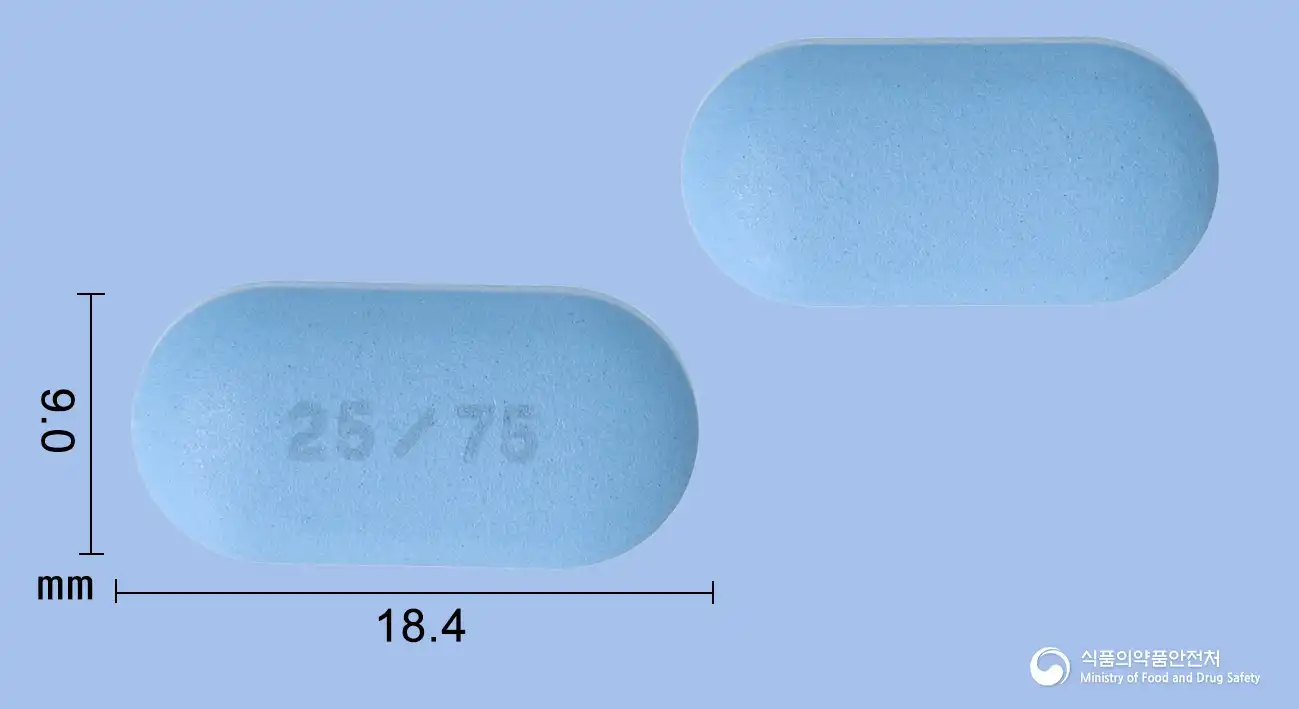
Metformin Hydrochloride 750mg · Lobeglitazone Sulfate 0.25mg
Tablet · Prescription medication · Combination
Jongkundang Co., Ltd.
 Combination
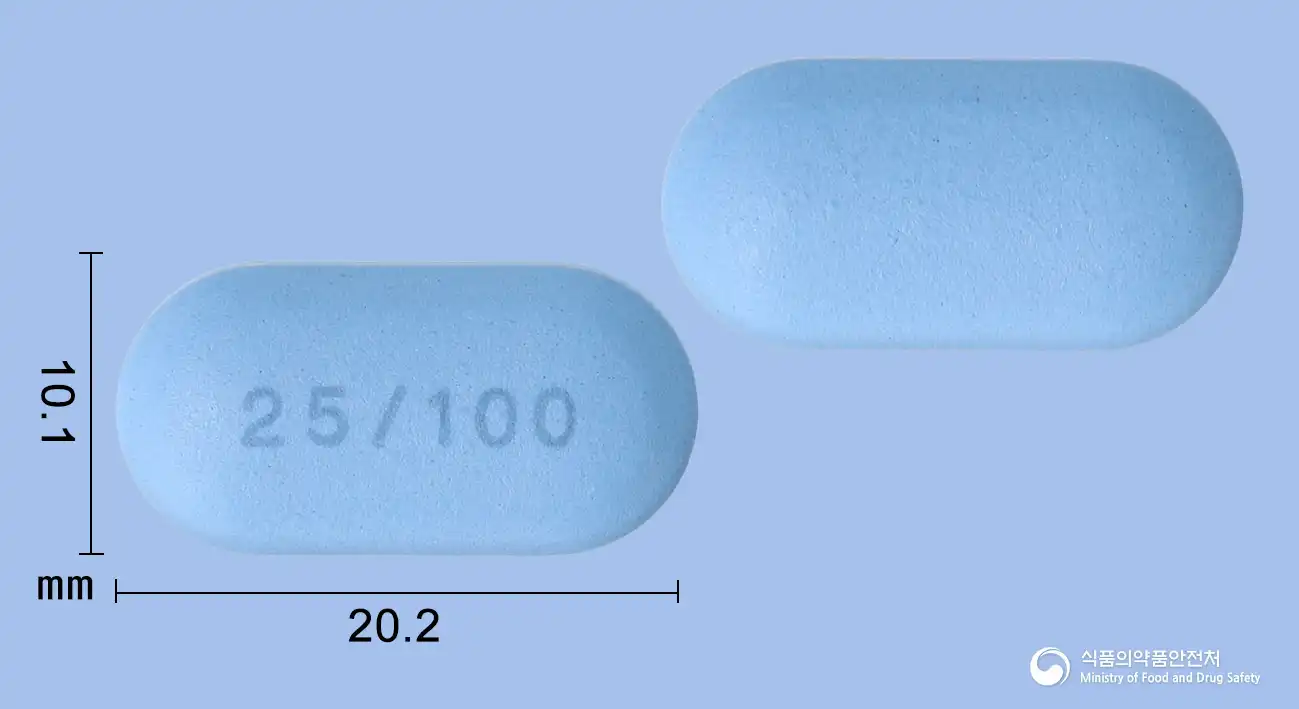
Metformin Hydrochloride 1000mg · Lobeglitazone Sulfate 0.25mg
Tablet · Prescription medication · Combination
Jongkundang Co., Ltd.
 Combination
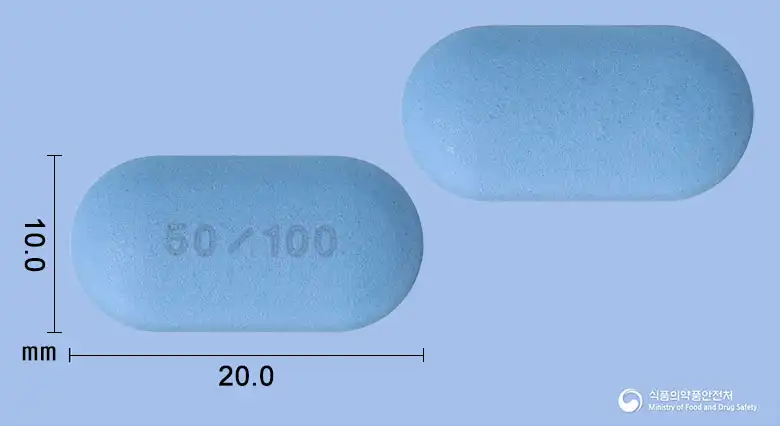
Metformin Hydrochloride 1000mg · Lobeglitazone Sulfate 0.5mg
Tablet · Prescription medication · Combination
Jongkundang Co., Ltd.
Even with the same ingredient, the dose and directions can differ by strength and dosage form. Talk to a doctor or pharmacist before switching from a medication you are already taking.
No questions yet.
For anything that needs medical judgment, consult a doctor or pharmacist.
This drug information is based on data provided by the Korea Ministry of Food and Drug Safety.
Consult a doctor or pharmacist for accurate dosage, administration, and usage instructions.