
 한국어
 English
 日本語
 中文(简体)
 Viewing nowCombination
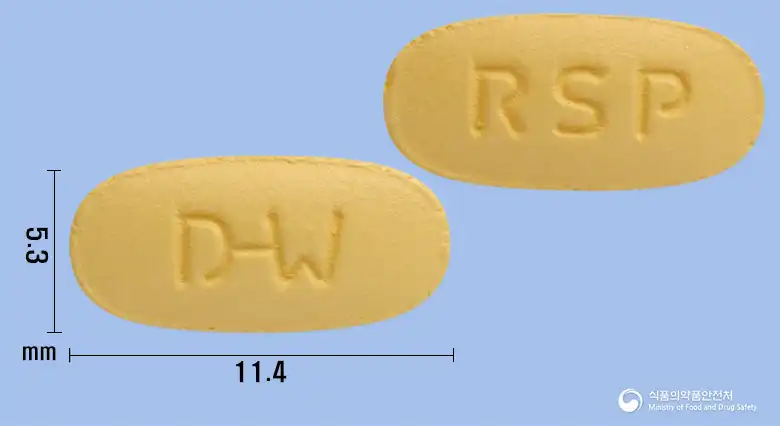
Resetron Plus Tablet
Risedronate Sodium 2.5 Hydrate 40.162mg · Cholecalciferol Concentrate Powder 56mg
Tablet · Prescription medication · Combination
Dongwha Pharmaceutical Co., Ltd.
MFDS item code 201605346 · Approved 2016.08.31 · Insurance code 642706430
Treatment and prevention of osteoporosis in postmenopausal women; treatment of osteoporosis in men
This medication is primarily used for the treatment and prevention of osteoporosis in postmenopausal women and men.
Adults: Administer 1 tablet orally once weekly Elderly patients: No dosage adjustment is necessary in elderly patients (60 years of age and older), because the bioavailability and pharmacokinetics of this drug are similar to those in younger people. Patients with renal impairment: No dosage adjustment is necessary in patients with a creatinine clearance of 30ml/min or greater. This drug is contraindicated in patients with severe renal impairment and a creatinine clearance below 30ml/min. Food interferes with the absorption of this drug; therefore, to ensure adequate absorption, take it as follows. Take it at least 30 minutes before breakfast, or at least 2 hours before or after consuming food or beverages at any time of day. To facilitate passage of this drug into the stomach and reduce the possibility of esophageal irritation, take it while upright with a sufficient amount of plain water (170 ~ 230ml). Taking this drug with other beverages, including mineral water, may reduce its absorption. This drug must not be chewed or sucked because of the possibility of oropharyngeal ulceration. Patients should also not lie down for at least 30 minutes after taking this drug. Patients whose dietary intake of calcium and vitamin D is insufficient should take supplements. Patients at increased risk of vitamin D deficiency (e.g., patients over 70 years of age, patients in nursing homes, and patients with chronic diseases) may need to take additional vitamin D supplements. Patients with gastrointestinal malabsorption syndromes may require higher doses of vitamin D supplements, and measurement of 25-hydroxyvitamin D concentrations should be considered. The recommended daily intake of vitamin D is 400 IU to 800 IU. Once-weekly administration of this drug provides a week's supply of vitamin D at 800 IU daily. If a patient forgets to take this drug on the scheduled day, they should take it on the day they remember. The next dose should be taken on the originally scheduled day. Do not take 2 tablets on the same day.
Pediatrics: The safety and efficacy in children and adolescents who are still growing have not been established.
This medication can irritate the stomach and esophagus, so it should be taken with a sufficient amount of water and the patient should not lie down for a certain period after taking it. If symptoms such as difficulty swallowing, chest pain, or heartburn occur, the patient should stop taking the medicine immediately and consult a physician. This drug is not to be used in patients with certain esophageal diseases, severe renal impairment, or those with lactose intolerance. Care must be taken not to take this medication with drugs or foods containing calcium, magnesium, iron, etc., as it may interfere with drug absorption. This medication is used for treating osteoporosis and may require calcium and vitamin D supplementation, so it should be taken appropriately as directed by a physician. Some patients may experience side effects such as gastrointestinal disturbances, myalgia, arthralgia, headache, skin rash, etc., and if there are any abnormal symptoms, they should be reported. Use of this medication is restricted during pregnancy or breastfeeding, so consultation with a physician is essential. In case of overdose, blood calcium levels may drop, so immediate medical attention is required if symptoms occur. To use this medication safely, it is very important to strictly follow the dosage and instructions provided by a physician.
Not everyone experiences these, and they can vary from person to person.
This medication may be sensitive to air and moisture, so it must be stored in a tightly sealed container. It is recommended to maintain a storage temperature between 1 to 30 degrees Celsius. Proper storage will help maintain the medication's effectiveness and safety for a longer period.
Light orange oval film-coated tablet
4 tablets/PTP
Even with the same ingredient, strength, dosage form and how it is taken can differ.
Viewing nowCombinationRisedronate Sodium 2.5 Hydrate 40.162mg · Cholecalciferol Concentrate Powder 56mg
Tablet · Prescription medication · Combination
Dongwha Pharmaceutical Co., Ltd.
 Combination
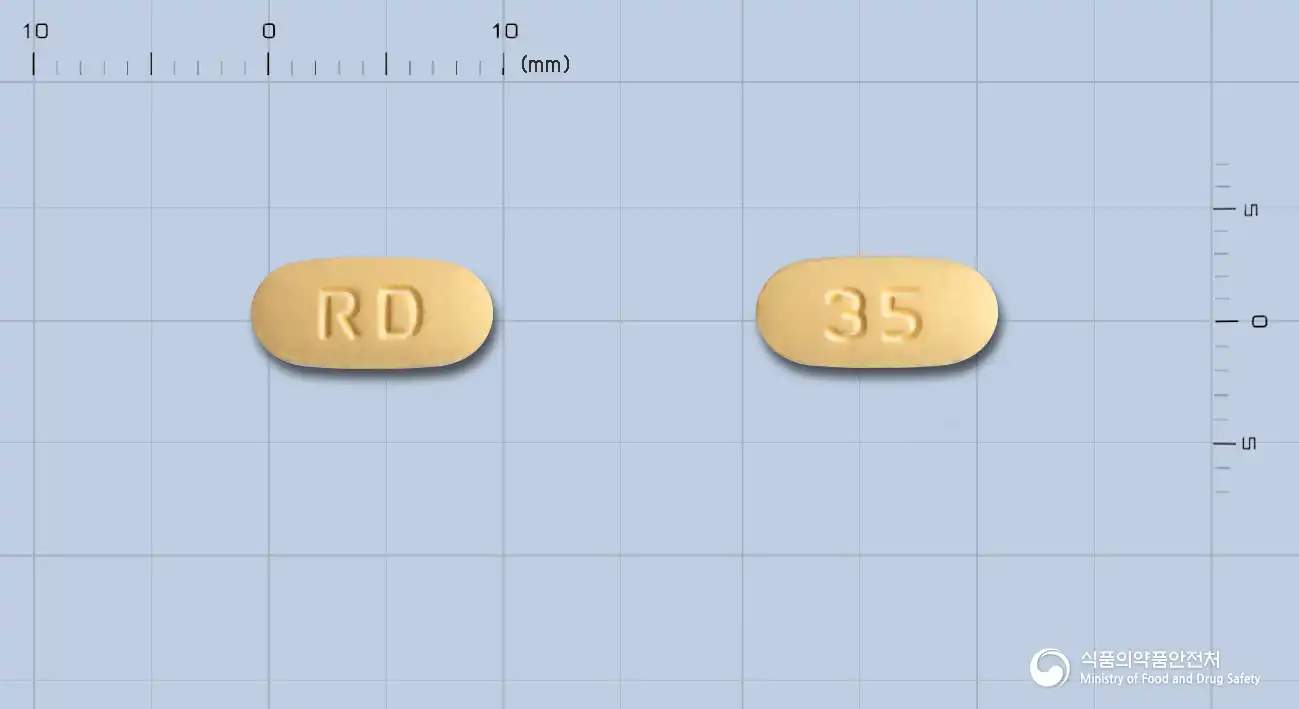
Risedronate Sodium 2.5 Hydrate 40.162mg · Cholecalciferol Concentrate Powder 56mg
Tablet · Prescription medication · Combination
Daewoong Pharmaceutical Co., Ltd.
 Combination
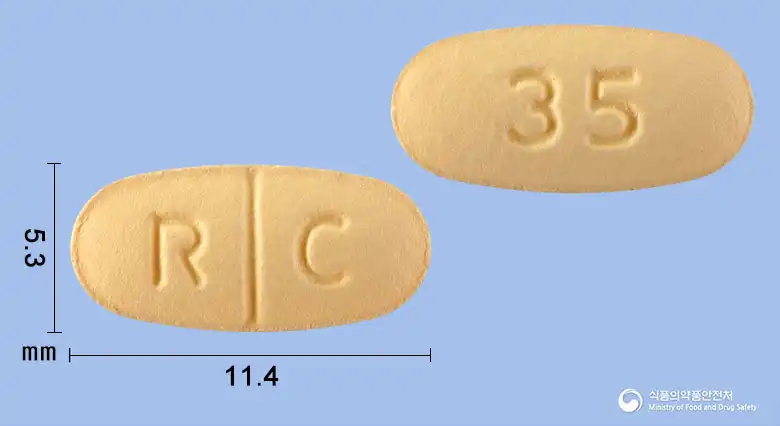
Risedronate Sodium 2.5 Hydrate 40.162mg · Cholecalciferol Concentrate Powder 56mg
Tablet · Prescription medication · Combination
Hanlim Pharmaceutical Co., Ltd.
 Combination
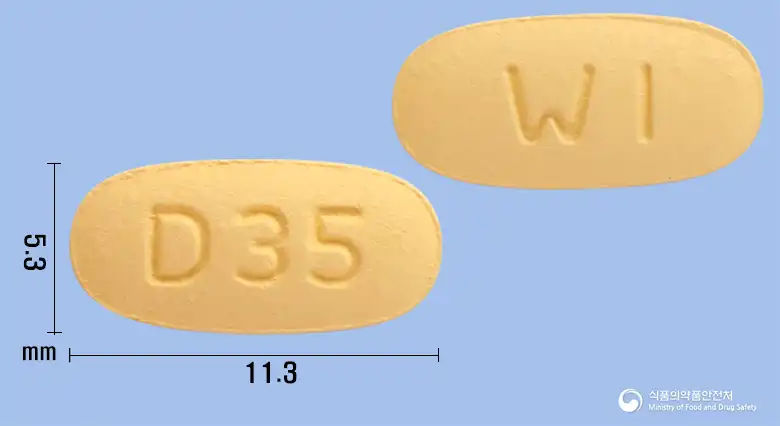
Risedronate Sodium 2.5 Hydrate 40.162mg · Cholecalciferol Concentrate Powder 56mg
Tablet · Prescription medication · Combination
Hanin Pharmaceutical Co., Ltd.
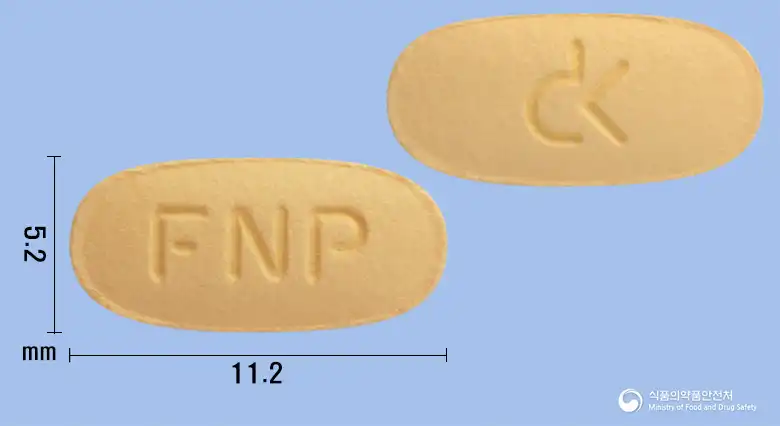 Combination
Risedronate Sodium 2.5 Hydrate 40.162mg · Cholecalciferol Concentrate Powder 56mg
Tablet · Prescription medication · Combination
Dongkuk Pharmaceutical Co., Ltd.
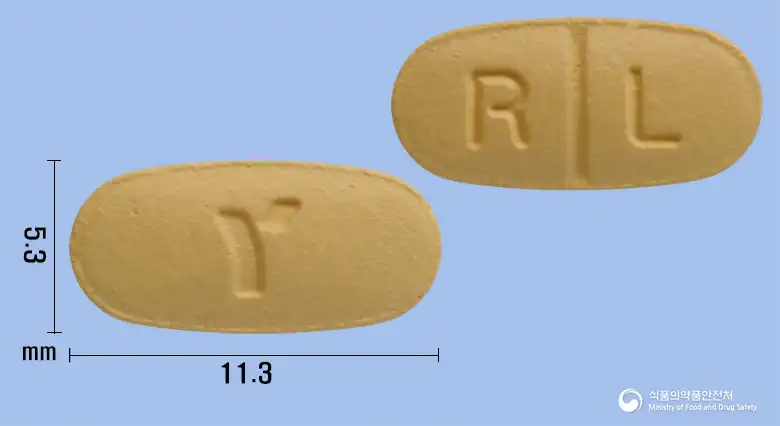 Combination
Risedronate Sodium 2.5 Hydrate 40.162mg · Cholecalciferol Concentrate Powder 56mg
Tablet · Prescription medication · Combination
Yu Young Pharmaceutical Co., Ltd.
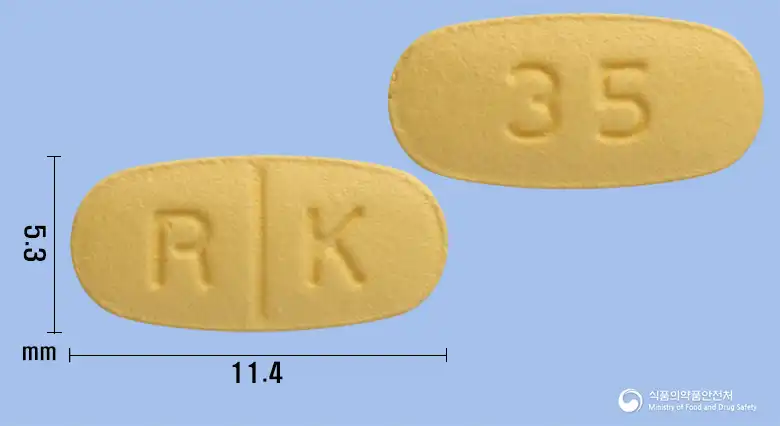 Combination
Risedronate Sodium 2.5 Hydrate 40.162mg · Cholecalciferol Concentrate Powder 56mg
Tablet · Prescription medication · Combination
Korea Prime Pharmaceutical Co., Ltd.
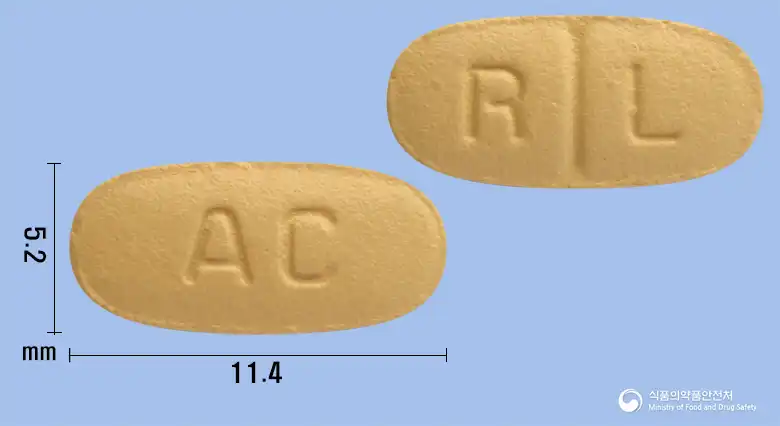 Combination
Risedronate Sodium 2.5 Hydrate 40.162mg · Cholecalciferol Concentrate Powder 56mg
Tablet · Prescription medication · Combination
Allico Pharmaceutical Co., Ltd.
Even with the same ingredient, the dose and directions can differ by strength and dosage form. Talk to a doctor or pharmacist before switching from a medication you are already taking.
No questions yet.
For anything that needs medical judgment, consult a doctor or pharmacist.
This drug information is based on data provided by the Korea Ministry of Food and Drug Safety.
Consult a doctor or pharmacist for accurate dosage, administration, and usage instructions.