
 한국어
 English
 日本語
 中文(简体)
 Viewing now
Health Pion Controlled Release Tablet 150 mg (Bupropion Hydrochloride)
Bupropion Hydrochloride 150mg
Tablet · Prescription medication
Myungjin Pharmaceutical Co., Ltd.
MFDS item code 201605174 · Approved 2016.08.30 · Insurance code 651904440
Treatment of depression; short-term adjunctive treatment of nicotine dependence during smoking cessation
This medication is used as a short-term adjunct therapy for treating nicotine dependence during smoking cessation. It also assists in treating depression. Therefore, it is effectively utilized for smoking cessation and the improvement of depression.
Swallow this medication whole. Do not crush, split, or chew it. Short-term adjunctive treatment of nicotine dependence during smoking cessation It is recommended to start this medication while the patient is still smoking and to set a “target quit date” within the first 2 weeks after starting treatment, usually in the second week. Administer 150mg once daily for 6 days as the initial dose, then increase to 150mg twice daily. Doses should be taken at least 8 hours apart. The maximum dose per administration should not exceed 150mg, and the total daily dose should not exceed 300mg. Patients should receive this medication for at least 7 weeks. No dosage adjustment is necessary when coadministered with a nicotine patch. Depression Increase the dose gradually to minimize agitation, markedly hyperactive behavior, and insomnia, which are often observed early in treatment. If necessary, the dose may be temporarily reduced, or a sedative-hypnotic with an intermediate or long duration of action may be administered for a short period. Avoiding administration at bedtime may minimize insomnia. If the patient continues to experience distress from adverse reactions, stop increasing the dose. Initial dose: The usual target dose of this medication in adults is 150mg twice daily (300mg/day). Administer 1 tablet once in the morning (150mg/day, 150mg once daily) for at least 4 days. If the patient tolerates it adequately, increase to 1 tablet twice daily (300mg/day, 150mg twice daily), with at least 8 hours between doses. Dose increases above 300mg/day: For patients whose symptoms have not improved after several weeks at 300mg/day, an increase to a maximum of 400mg/day (200mg twice daily) may be considered. Maintenance dose: Patients with recurrent major depression who responded to 8 weeks of acute treatment with this medication received the same dose (150mg twice daily) as maintenance therapy for 44 weeks. Use this medication with extreme caution in patients with severe cirrhosis, and do not exceed 100mg per day or 150mg every 2 days in these patients. In patients with mild to moderate cirrhosis, consider reducing the frequency and/or dose. Use with caution in patients with renal impairment, and consider reducing the frequency and/or dose.
The safety and efficacy of this medication in patients under 18 years of age have not been established.
This medication may increase the risk of suicidal thoughts or behaviors, particularly in young adults aged 18 to 24 when treating psychiatric disorders, so the physician should carefully consider the administration. Moreover, when this medication is used for smoking cessation, significant psychiatric symptoms like depression or suicidal thoughts may also appear, necessitating close observation by patients and caretakers. This medication should be given cautiously to patients with a risk of seizures, and the recommended dosage should not be exceeded. In patients with impaired liver or kidney function, metabolism and excretion of this drug may be delayed, requiring dosage adjustments and careful monitoring. Patients with a history of seizure disorder, central nervous system tumors, or sudden cessation of alcohol or certain drugs should not receive this medication. This medication should not be used in combination with other bupropion-containing drugs, especially to avoid overlap in treatments for smoking cessation or depression. During administration, various adverse reactions may occur, including seizures, hypersensitivity, psychotic symptoms, suicidal tendencies, and cardiovascular abnormalities, so patient conditions should be monitored regularly. This medication may affect tasks requiring concentration, such as driving or operating machinery, so caution is advised. Women who are pregnant or planning to become pregnant should consult a physician, as this drug may affect the fetus, and it is advisable to avoid use while breastfeeding. Safety and efficacy have not been established in children and adolescents, so use is not recommended. In case of overdose, severe side effects such as seizures, loss of consciousness, and heart irregularities may occur, and immediate medical attention is required, along with appropriate treatment as directed by a physician. This medication should be taken strictly according to the prescribed dosage and regimen, and caution should be observed to avoid arbitrary cessation or dose escalation.
Suicidal impulses, suicidal thoughts, suicide attempts, depression, hostility, aggression, anger, depressive mood, anxiety, behavioral changes, seizures, abdominal pain, insomnia, anxiety, dizziness, nausea, dry mouth, constipation, diarrhea, loss of appetite, oral ulcers, thirst, muscle pain, joint pain, palpitations, rhinitis, increased cough, pharyngitis, sinusitis, shortness of breath, nosebleed, rash, itching, hives, altered taste, tinnitus, frequent urination, weakness, lethargy, flushing, tachycardia, elevated blood pressure, orthostatic hypotension, vasodilation, fainting, hypotension, abnormal dreams, memory impairment, paresthesia, headache, anxiety, restlessness, confusion, delusions, paranoid thinking, hallucinations, irritability, depersonalization, Parkinsonism, dystonia, ataxia, cramps, inability to cooperate, blood sugar disorders, weight loss, elevated liver enzyme levels, jaundice, hepatitis, sweating, angioedema, anaphylaxis, joint pain, fever, visual disturbances, vaginal bleeding, urgent urination, urinary tract infection, fever, facial swelling, musculoskeletal chest pain, photophobia, palpitations, migraines, flashes, vomiting, dysphagia, drowsiness, hyperreactivity, memory decline, central nervous system stimulation, pharyngitis, sinusitis, sweating, itching, hives, blurred vision, diplopia, urgent urination, vaginal bleeding, erectile dysfunction, polyuria, prostate disorders, ejaculation abnormalities, cystitis, dyspareunia, dysuria, gynecomastia, menopause, pain during erection, salpingitis, incontinence, urinary retention, vaginitis, hyperglycemia, hypoglycemia, edema, peripheral edema, diabetes, petechiae, anemia, leukocytosis, leukopenia, lymphadenopathy, pancytopenia, thrombocytopenia, alopecia, angioedema, exfoliative dermatitis, hypertrichosis, pupillary control abnormalities, dry eyes, hearing loss, diplopia, increased intraocular pressure, mydriasis, chills, weakness, lethargy, positional hypotension, stroke, fainting, complete heart block, extrasystole, myocardial infarction, phlebitis, pulmonary edema, bruxism, gastroesophageal reflux, gingivitis, stomatitis, increased salivation, tongue swelling, colitis, esophagitis, gastrointestinal bleeding, gingival bleeding, liver damage, pancreatitis, gastric ulcer, leg cramps, muscle rigidity, rhabdomyolysis, muscle weakness, cooperation issues, decreased libido, discomfort, emotional instability, hyperactivity, muscle hypertonia, sensory impairment, suicide, dizziness, amnesia, ataxia, derealization, hypomania, EEG abnormalities, inability to move, aphasia, coma, delirium, dysarthria, movement disorders, euphoria, extrapyramidal syndrome, diminished movement, increased libido, manic reactions, neuralgia, neuropathy, paranoid thoughts, suicide attempts, tardive dyskinesia, bronchospasm, pneumonia, erectile dysfunction, polyuria, prostate disorders, ejaculation abnormalities, cystitis, dyspareunia, dysuria, gynecomastia, menopause, pain during erection, salpingitis, incontinence, urinary retention, vaginitis, hyperglycemia, hypoglycemia, inappropriate antidiuretic hormone symptoms, edema, peripheral edema, diabetes, petechiae, anemia, leukocytosis, leukopenia, lymphadenopathy, pancytopenia, thrombocytopenia, alopecia, angioedema, exfoliative dermatitis, hypertrichosis, pupillary control abnormalities, dry eyes, hearing loss, diplopia, increased intraocular pressure, mydriasis
Not everyone experiences these, and they can vary from person to person.
This medication is sensitive to light and should be stored in a light-protected container. It is also important to store it at a cool temperature below 25 degrees Celsius to maintain the efficacy of the drug.
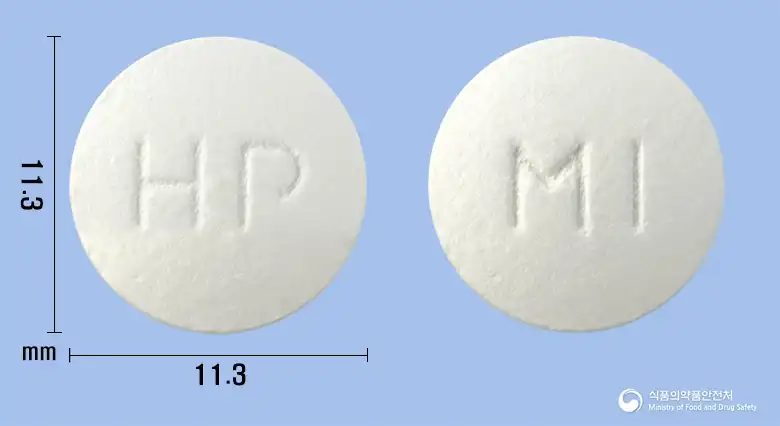
White, double-sided, convex, round film-coated tablet
28 tablets (14 tablets/PTP×2)
Even with the same ingredient, strength, dosage form and how it is taken can differ.
Viewing nowBupropion Hydrochloride 150mg
Tablet · Prescription medication
Myungjin Pharmaceutical Co., Ltd.
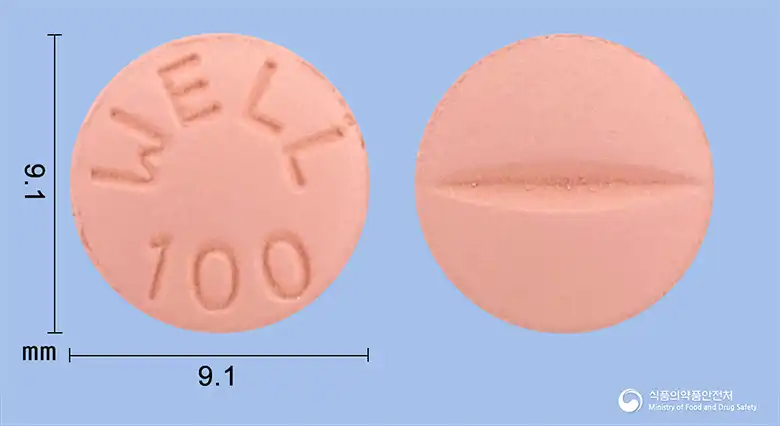
Bupropion Hydrochloride 100mg
Tablet · Prescription medication
Unimed Pharmaceutical Co., Ltd.

Bupropion Hydrochloride 300mg
Tablet · Prescription medication
GlaxoSmithKline Co., Ltd.
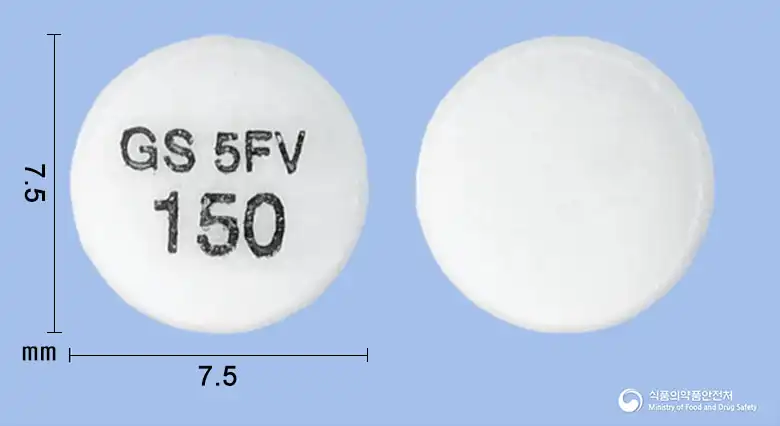
Bupropion Hydrochloride 150mg
Tablet · Prescription medication
GlaxoSmithKline Co., Ltd.
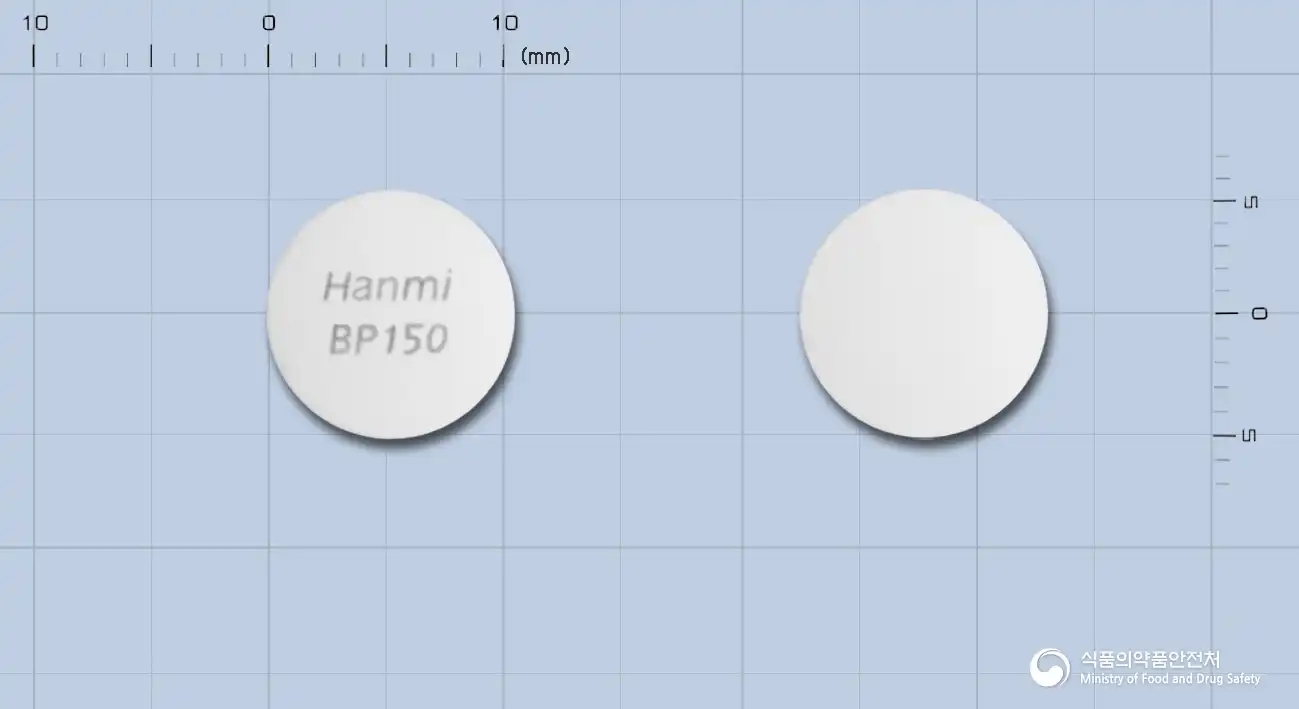
Bupropion Hydrochloride 150mg
Tablet · Prescription medication
Hanmi Pharmaceutical Co., Ltd.
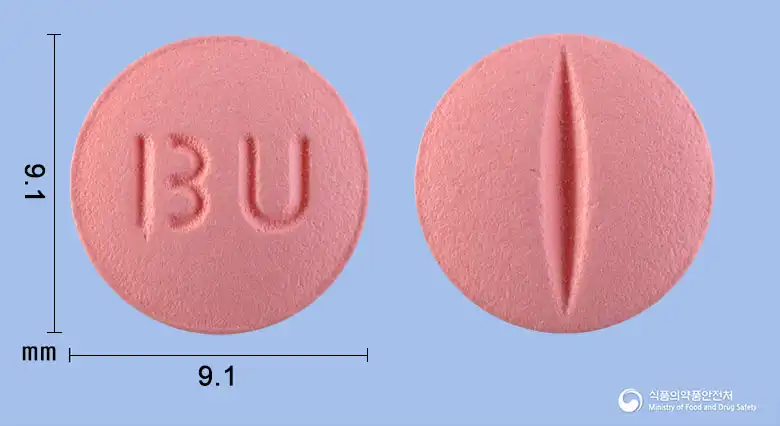
Bupropion Hydrochloride 100mg
Tablet · Prescription medication
Albotec Korea Co., Ltd.
Bupropion Hydrochloride 100mg
Tablet · Prescription medication
Daehan New Pharm Co., Ltd.
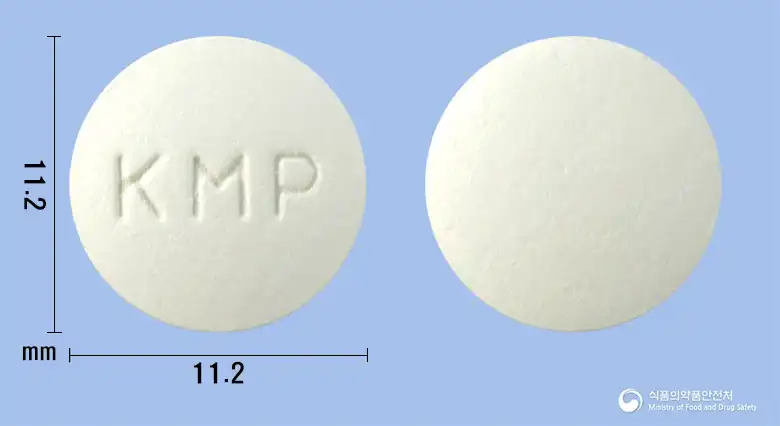
Bupropion Hydrochloride 150mg
Tablet · Prescription medication
Genupharm Co., Ltd.
Even with the same ingredient, the dose and directions can differ by strength and dosage form. Talk to a doctor or pharmacist before switching from a medication you are already taking.
No questions yet.
For anything that needs medical judgment, consult a doctor or pharmacist.
This drug information is based on data provided by the Korea Ministry of Food and Drug Safety.
Consult a doctor or pharmacist for accurate dosage, administration, and usage instructions.