
 한국어
한국어 English
 日本語
日本語 中文(简体)
 Viewing now
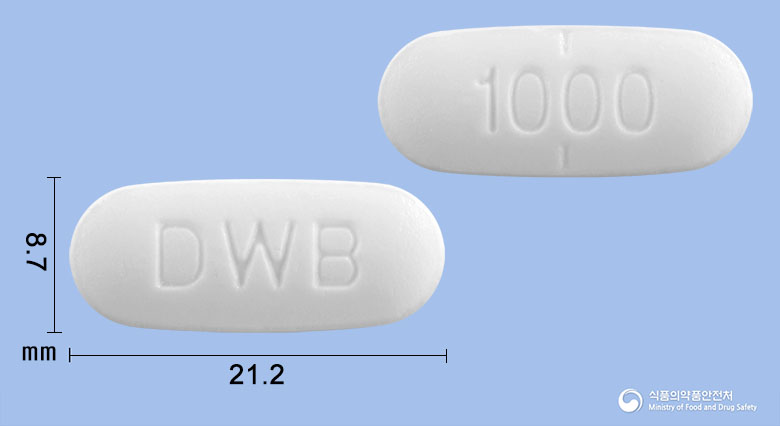
Diapolmin Tablet 1000 Milligrams (Metformin Hydrochloride)
Metformin Hydrochloride 1000mg
Tablet · Prescription medication
Daewoong Bio Co., Ltd.
MFDS item code 201605144 · Approved 2016.08.26 · Insurance code 694001860
Improvement of type 2 diabetes (blood sugar control)
This medication is used for the treatment of type 2 diabetes patients who have difficulty controlling their blood sugar with diet and exercise alone. It can be used either alone or in combination with other oral hypoglycemic agents or insulin, particularly in overweight adult patients. It can also be used in children aged 10 years and older and adolescents during their growth period, either as monotherapy or in combination with insulin, aiding in comprehensive blood sugar management. This drug effectively controls patients' blood sugar, contributing to the maintenance of a healthy lifestyle.
The dosing regimen should be determined based on individual drug efficacy and tolerability, and should not exceed the recommended maximum daily dose. The medication should be started at a low dose to minimize gastrointestinal side effects and to ascertain the minimum effective dose needed for proper blood sugar control, typically given 500 mg 2 to 3 times a day with meals. Dosage increments should be made gradually, by 500 mg weekly to a maximum of 2000 mg.
Can be used in children aged 10 years and older or adolescents during their growth period. The typical starting dose is 500 mg once daily, administered with meals or shortly after eating. After one week, blood sugar levels should be monitored to adjust the dosage.
This medication may cause severe lactic acidosis or hypoglycemia, so caution is necessary. It should not be administered to patients with moderate to severe renal impairment or those in states that may affect renal function, such as acute infection or heart failure. Patients undergoing tests using radiographic iodine contrast agents must temporarily discontinue this medication before and after the test, resuming only after renal function has returned to normal. It is contraindicated in patients who have had allergic reactions to this medication or biguanides, those with type 1 diabetes, and those with severe metabolic acidosis. Treatment should be temporarily halted in cases of severe infection, serious trauma, or surgery, and can be resumed once the patient's condition stabilizes. Patients with impaired liver function or excessive alcohol intake are also not suitable candidates for this medication. Caution should be exercised in patients with irregular blood sugar control, low food intake, or those undergoing vigorous exercise or interacting with other medications. Lactic acidosis is rare but a very serious side effect; if symptoms such as malaise, muscle pain, difficulty breathing, or abdominal pain occur, immediate medical attention should be sought. Gastrointestinal disturbances may occur while taking this medication, which are common initially but typically resolve over time. Rarely, side effects such as skin rashes, anemia, liver function abnormalities, and hypoglycemia (rarely severe delayed hypoglycemia) may occur. Regular renal function examinations should be conducted to reduce the risk of accumulation and side effects, especially in elderly patients or those with weakened renal function. Alcohol can influence lactate metabolism, increasing the risk of lactic acidosis, so patients should avoid alcohol during treatment. During pregnancy, this medication crosses the placenta, necessitating close monitoring of fetal growth, and is not used in cases of certain pregnancy complications. While this medication is excreted in breast milk, there have been no reported adverse reactions in infants, but the decision to continue treatment and breastfeeding should be made carefully. It can be used in children and adolescents, but growth and development should be monitored closely. In cases of overdose, there is a risk of lactic acidosis, and treatment should be sought immediately at a medical facility, with hemodialysis available for drug removal. Co-administration with other medications may alter blood sugar control effects, so careful monitoring of blood glucose and patient condition is required. This medication does not cause weight gain and may assist in weight maintenance or loss.
Lactic acidosis, severe allergic reactions (hives, severe swelling), severe skin adverse reactions (severe rash with fever, blisters, skin peeling, pain in mouth/eye mucosa), respiratory problems (difficulty breathing or worsening asthma, coughing with fever indicative of respiratory issues), symptoms of liver problems (jaundice, generalized weakness), serious neurological symptoms (sudden and severe headache, thunderclap headache, seizures)
Diarrhea, nausea, vomiting, abdominal bloating, loss of appetite, indigestion, constipation, abdominal pain, unpleasant or metallic taste, rash, anemia, leukopenia, thrombocytopenia, vitamin B12 deficiency, liver function abnormalities, hypoglycemia (rarely severe delayed hypoglycemia)
Not everyone experiences these, and they can vary from person to person.
This medication should be stored in a tightly sealed container to protect it from air and moisture. It is important to maintain a storage temperature between 1 and 30 degrees Celsius. This ensures that the effectiveness of the medication is well preserved and prevents degradation.
White, rectangular film-coated tablet
30 tablets/bottle, 100 tablets/bottle
Even with the same ingredient, strength, dosage form and how it is taken can differ.
Viewing nowMetformin Hydrochloride 1000mg
Tablet · Prescription medication
Daewoong Bio Co., Ltd.
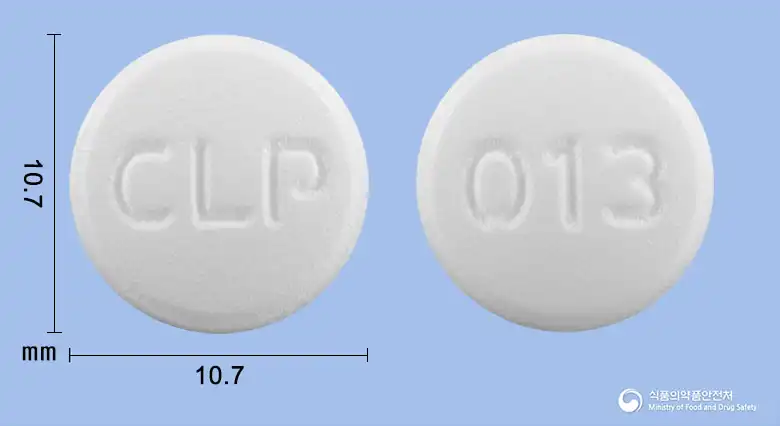
Metformin Hydrochloride 500mg
Tablet · Prescription medication
(Celltrion Pharmaceuticals)
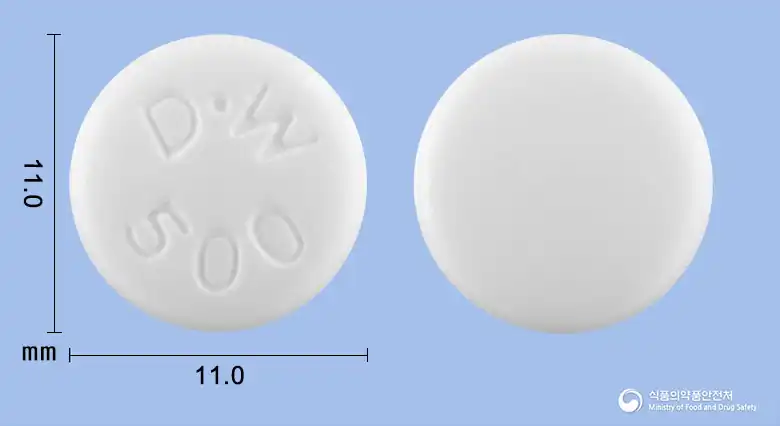
Metformin Hydrochloride 500mg
Tablet · Prescription medication
(Daewoong Pharmaceutical)
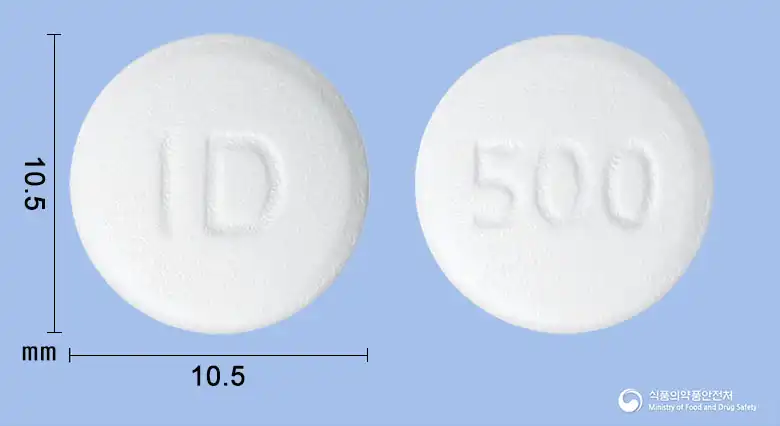
Metformin Hydrochloride 500mg
Tablet · Prescription medication
(Ildong Pharmaceutical Co., Ltd.)
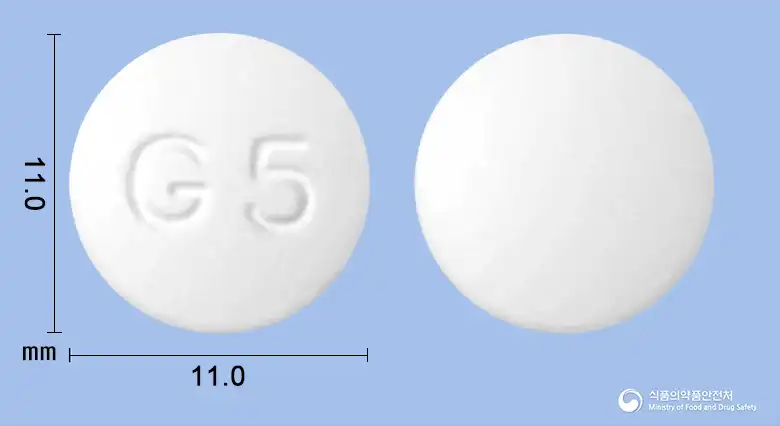
Metformin Hydrochloride 500mg
Tablet · Prescription medication
(Ilseong IS Co., Ltd.)
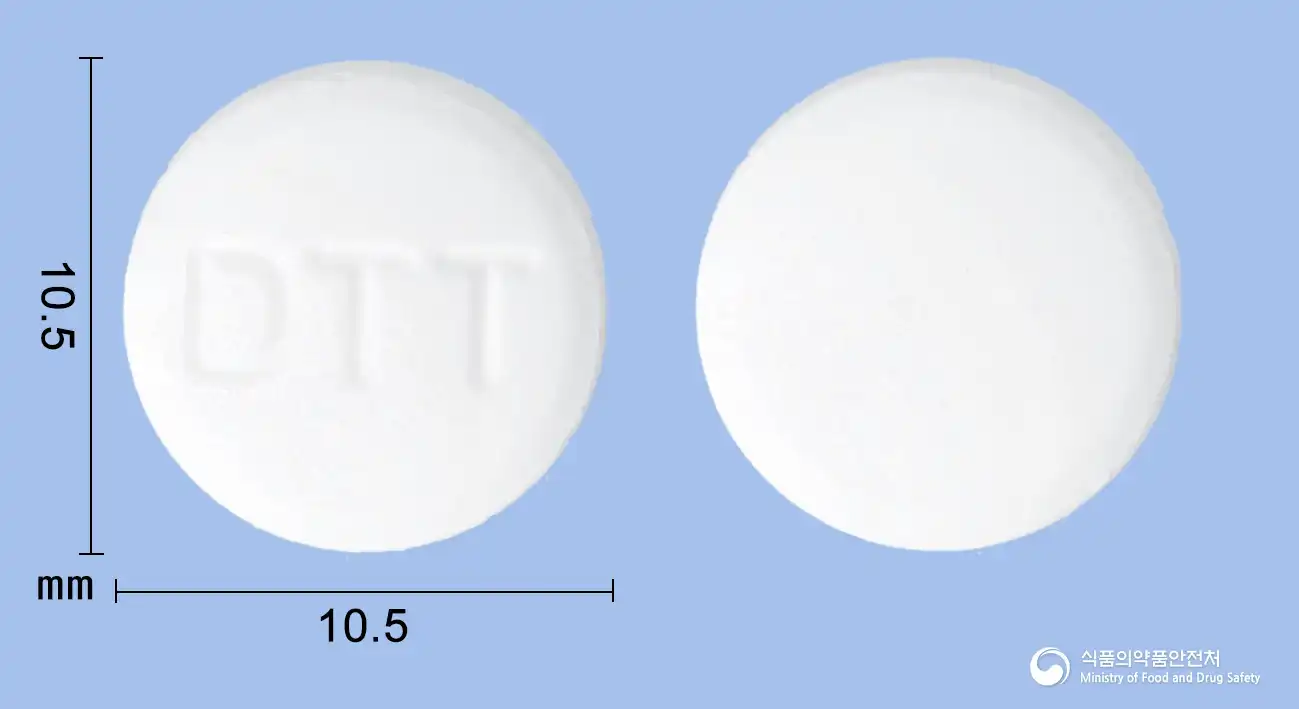
Metformin Hydrochloride 500mg
Tablet · Prescription medication
(Kyungdong Pharmaceutical Co., Ltd.)
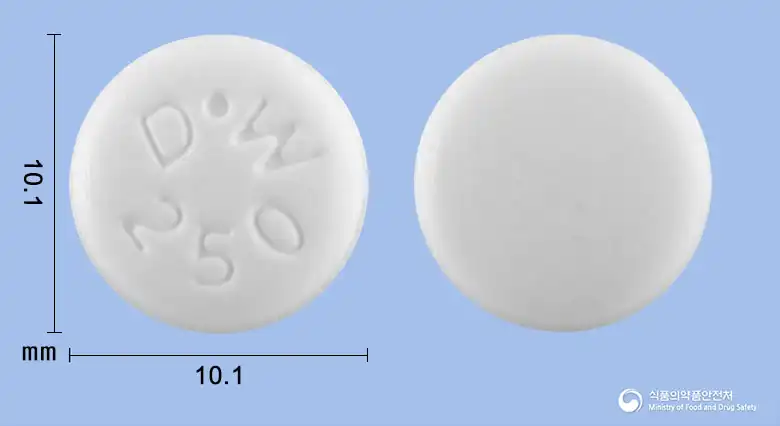
Metformin Hydrochloride 250mg
Tablet · Prescription medication
(Daewoong Pharmaceutical)

Metformin Hydrochloride 500mg
Tablet · Prescription medication
(Youngpoong Pharmaceutical Co., Ltd.)
Even with the same ingredient, the dose and directions can differ by strength and dosage form. Talk to a doctor or pharmacist before switching from a medication you are already taking.
No questions yet.
For anything that needs medical judgment, consult a doctor or pharmacist.
This drug information is based on data provided by the Korea Ministry of Food and Drug Safety.
Consult a doctor or pharmacist for accurate dosage, administration, and usage instructions.