
 한국어
 English
 日本語
 中文(简体)
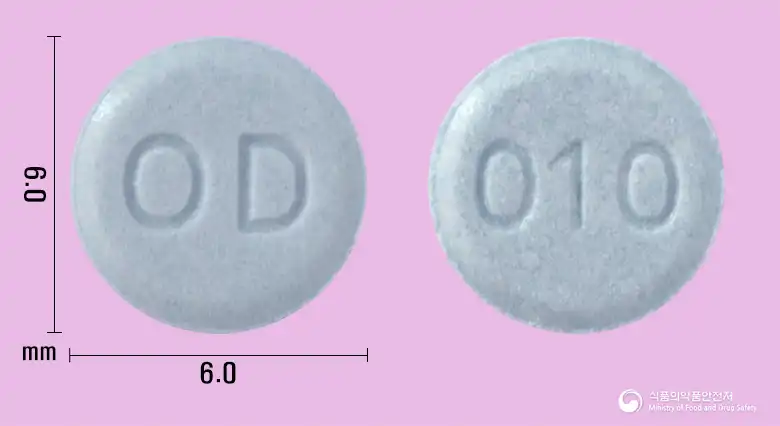 Viewing now
Oxycodone Hydrochloride 10 mg Tablet
Oxycodone Hydrochloride 10mg
Tablet · Prescription medication
Hana Pharmaceutical Co., Ltd.
MFDS item code 201605077 · Approved 2016.08.25 · Insurance code 657805890
Relief of moderate to severe pain requiring opioid analgesics
This medication is used to relieve moderate to severe pain. As an opioid analgesic, it effectively controls strong pain, reducing the discomfort of the patient. It aids in managing severe pain such as post-surgical pain or cancer pain, and can be used safely with appropriate dosage adjustments. This contributes to improving the quality of life for the patient.
When administering to patients with chronic pain, rather than administering whenever pain occurs, administer at regular intervals (4~6 hours) at the lowest dose that prevents recurrence of pain and provides adequate analgesia. This medicine is administered to adults aged 18 years and older. 1) Patients who have not previously taken opioid analgesics: The usual initial dose is 5 mg of oxycodone hydrochloride hydrate every 4~6 hours. The dose should be adjusted according to the individual patient's response to the initial dose and the severity of adverse reactions. 2) Switching from fixed-ratio opioid/acetaminophen, opioid/aspirin, or opioid/nonsteroidal anti-inflammatory drug combination analgesics: When switching from a fixed-ratio opioid/non-opioid analgesic regimen to this medicine, determine whether to continue the non-opioid analgesic. If it is decided to discontinue the non-opioid analgesic, titrate the dose of this medicine, taking into account the level of pain relief and adverse reactions associated with the medication regimen. If the non-opioid analgesic is to be continued as a separate single-ingredient product, set the initial dose of this medicine based on the most recent opioid dose as the baseline for subsequent dose increases. The dose should be adjusted according to the individual patient's response and the severity of adverse reactions. 3) Switching in patients currently taking opioid analgesics: When switching from another opioid analgesic regimen to this medicine, determine the initial dose by calculating the potency and conversion ratio of the existing analgesic. 10 mg of this medicine is equivalent to 20 mg of oral morphine. In general, reduce the therapeutic dose by 25~50 % of the daily dose while carefully monitoring for withdrawal symptoms and signs.
Do not administer to children and adolescents under 18 years of age.
This drug is a powerful analgesic that acts on the central nervous system, and can cause severe respiratory depression or coma if taken with other central nervous system depressants or alcohol, so caution is needed. This medication should not be used in patients with an allergy to it, severe respiratory diseases, severe liver or kidney dysfunction, women who are pregnant or breastfeeding, and children under the age of 18. Special caution is required for patients with heart disease, hypotension, liver disease, seizure disorders, etc., and the patient's condition should be closely monitored during administration. Long-term use of this medication can lead to physical dependence and tolerance, so doses should be gradually reduced to avoid withdrawal symptoms when stopping suddenly. Drowsiness or dizziness may occur during use, so it is advisable to avoid driving or operating dangerous machinery. Constipation is a common side effect, and dietary adjustments or medications to prevent constipation should be discussed with a doctor. This medication may interact with other drugs, so if the patient is taking other medications, they must inform their doctor or pharmacist. In case of overdose, respiratory distress, decreased consciousness, and severe hypotension may occur, and immediate emergency care should be sought; an antidote may be administered if necessary. It is safest for pregnant or nursing women to avoid this drug, as there is a risk of side effects in the fetus or newborn. Elderly or frail patients may have heightened sensitivity to this medication, so it should be started at a low dose and administered cautiously. This medication has not been proven safe and effective for children, so it should not be used in this population.
Yawning, sneezing, tearing, sweating, nausea, vomiting, diarrhea, abdominal pain, pupil dilation, headache, insomnia, anxiety, delusions, seizures, tremors, pain in muscles and joints throughout the body, dyspnea, palpitations, shortness of breath, slow breathing, irregular breathing, apnea, head injury, hypotension, shock, confusion, decreased cardiovascular function, myocardial infarction, atelectasis, bronchospasm, laryngeal edema, paralytic ileus, toxic megacolon, anaphylactic reaction, nausea, constipation, vomiting, headache, itching, insomnia, dizziness, weakness, drowsiness, rash, urticaria, allergic reaction, photosensitivity reaction, thrombosis, heart failure, bleeding, migraine, palpitations, tachycardia, arrhythmia, blood pressure fluctuations, hypotension, orthostatic hypotension, syncope, agitation, anxiety, mood changes, restlessness, dry mouth, tension, sensory abnormalities, neuralgia, neuropathy, personality disorders, tremors, vasodilation, strange dreams, nightmares, tingling, heavy feeling in the head, drowsiness, insomnia, dizziness, hallucinations, consciousness disturbance, muscle contraction, headache, visual disturbances, miosis, seizures, tremors, forgetfulness, abnormal euphoria, hyperalgesia, loss of appetite, diarrhea, indigestion, dysphagia, gingivitis, glossitis, nausea, vomiting, thirst, gastric discomfort, abdominal pain, abdominal distention, altered taste, belching, hiccups, gastritis, constipation, nausea, vomiting, edema, peripheral edema, back pain, chills, fever, influenza-like syndrome, infection, throat pain, sepsis, anemia, iron deficiency anemia, leukopenia, arthralgia, arthritis, bone pain, myalgia, pathological fractures, bronchitis, increased coughing, shortness of breath, nosebleed, laryngospasm, lung abnormalities, pharyngitis, rhinitis, sinusitis, central sleep apnea syndrome, shingles, exfoliative dermatitis, dry skin, urinary tract infection, dysuria, urine retention, dehydration, decreased libido, erectile dysfunction, amblyopia, weakness, fatigue, chest tightness, amenorrhea, gout, hyperglycemia
Not everyone experiences these, and they can vary from person to person.
This medication should be stored in a tightly sealed container that blocks light, and it is safe to keep at room temperature between 1 to 30 degrees Celsius. Proper storage will help maintain the drug's effectiveness and prevent deterioration.
Blue round tablet
100 tablets (10 tablets/PTP x 10)
Even with the same ingredient, strength, dosage form and how it is taken can differ.
Viewing nowOxycodone Hydrochloride 10mg
Tablet · Prescription medication
Hana Pharmaceutical Co., Ltd.
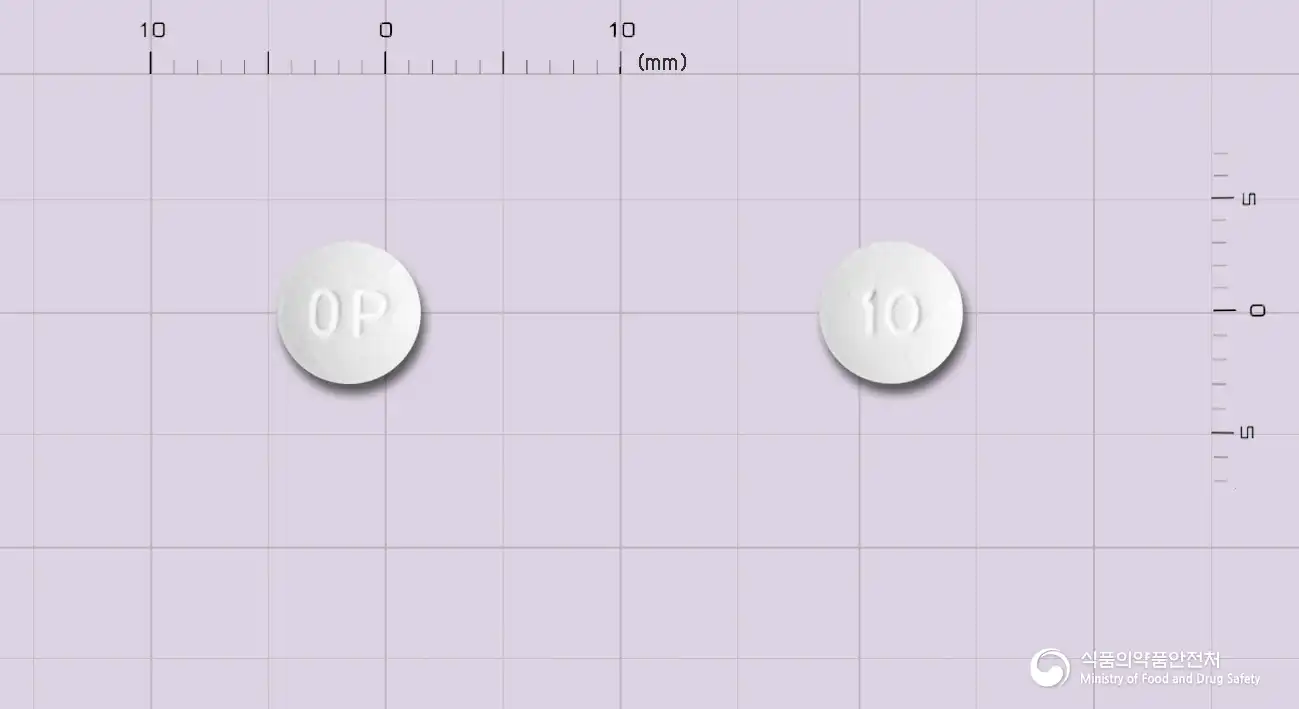
Oxycodone Hydrochloride 10mg
Tablet · Prescription medication
Hanmi Mundipharma Co., Ltd.
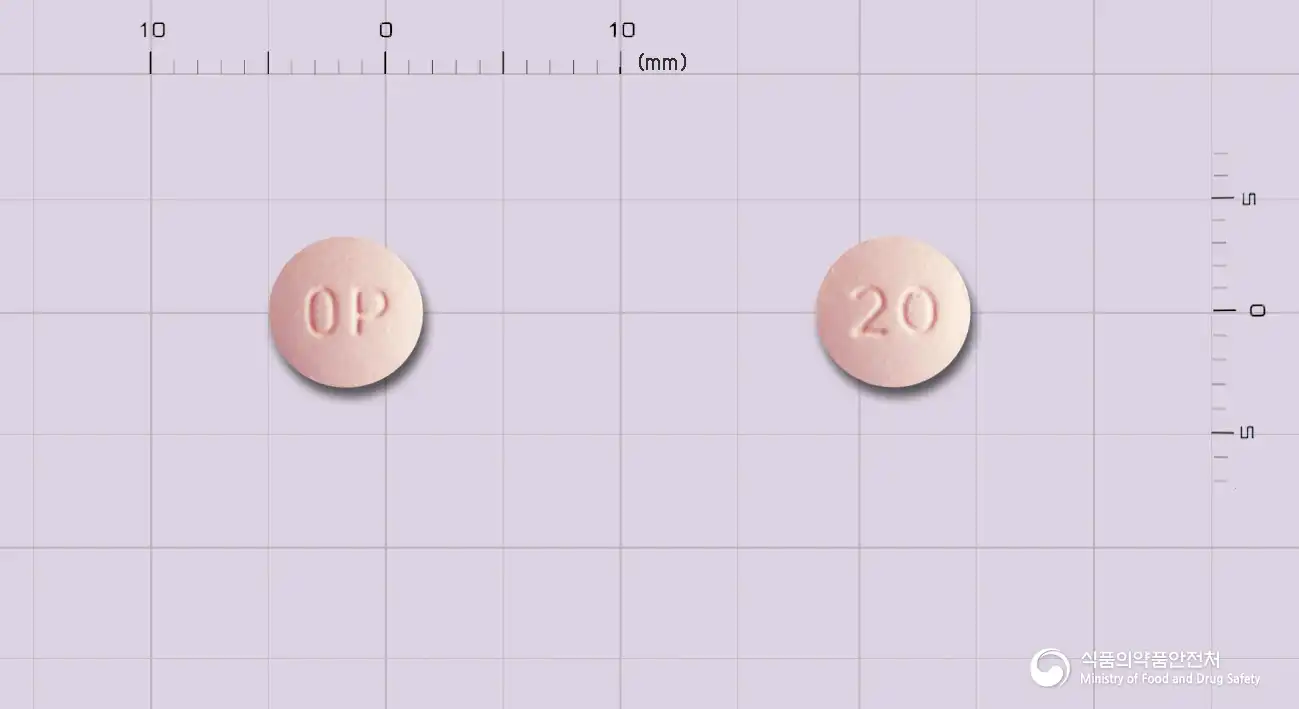
Oxycodone Hydrochloride 20mg
Tablet · Prescription medication
Korea Mundi Pharma Co., Ltd.
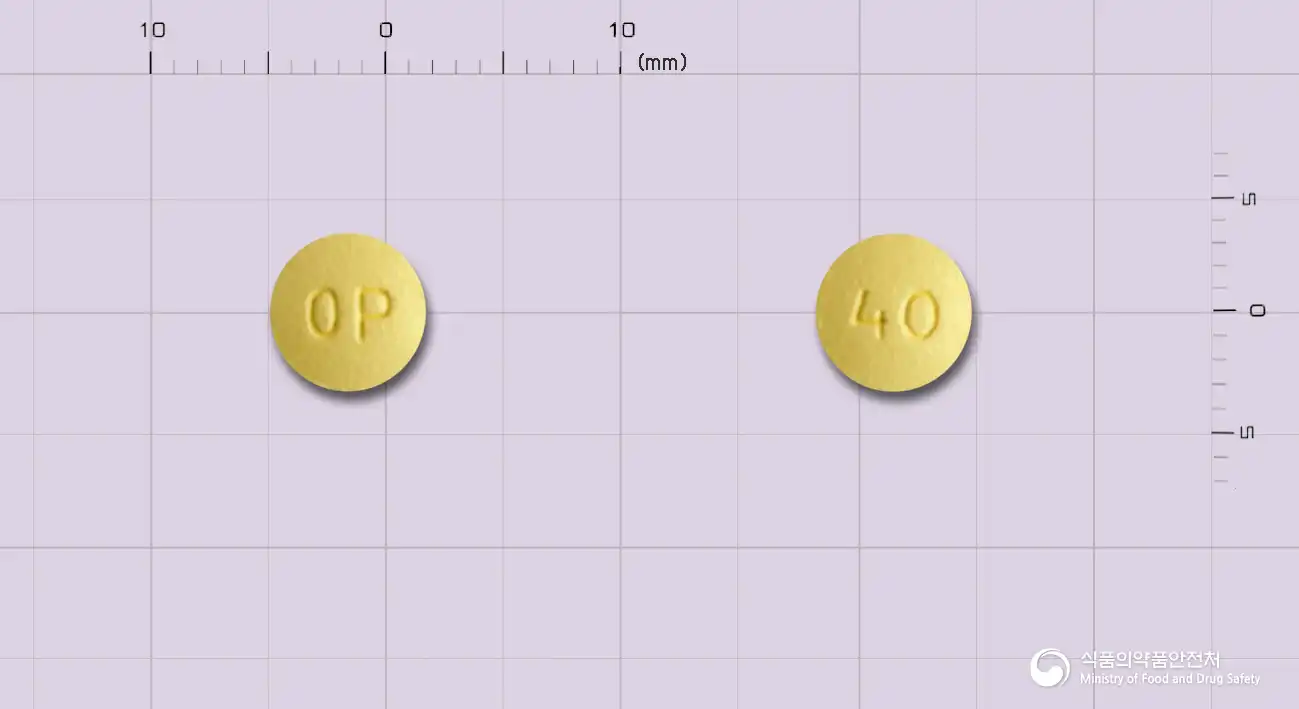
Oxycodone Hydrochloride 40mg
Tablet · Prescription medication
Korea Mundipharma Co., Ltd.
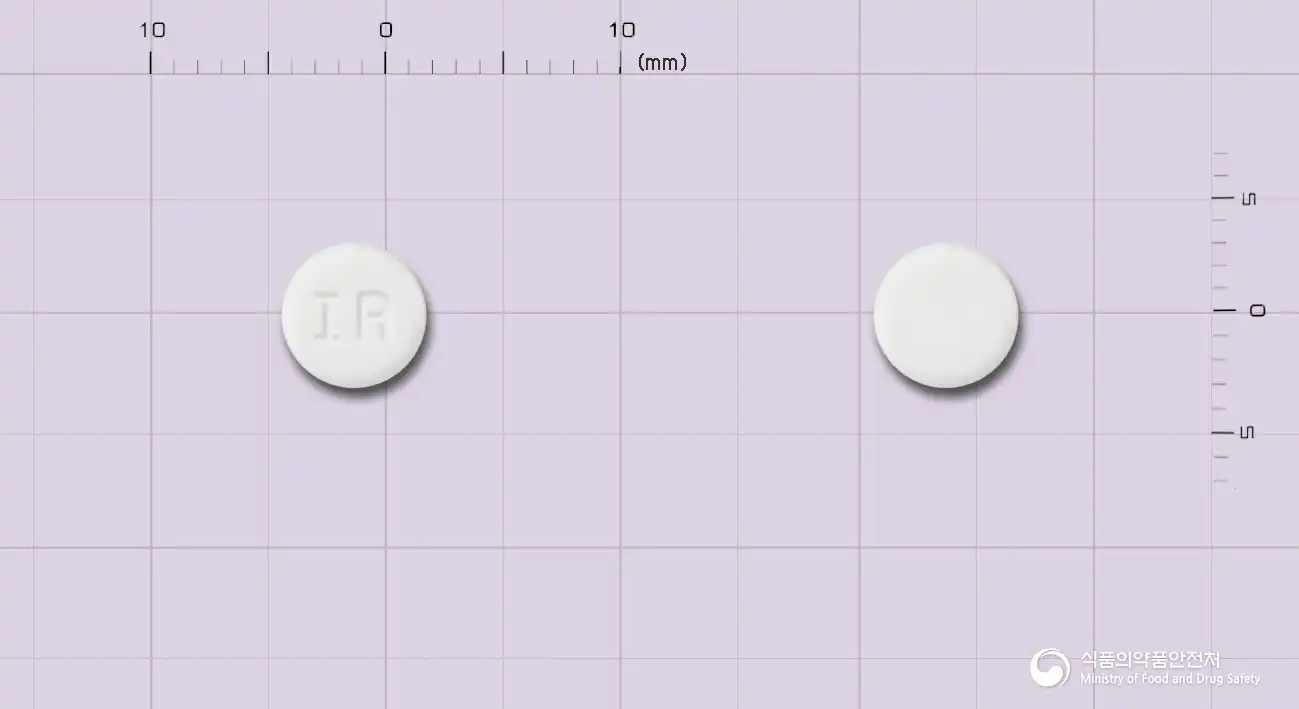
Oxycodone Hydrochloride 5mg
Tablet · Prescription medication
Unimed Pharmaceuticals Co., Ltd.
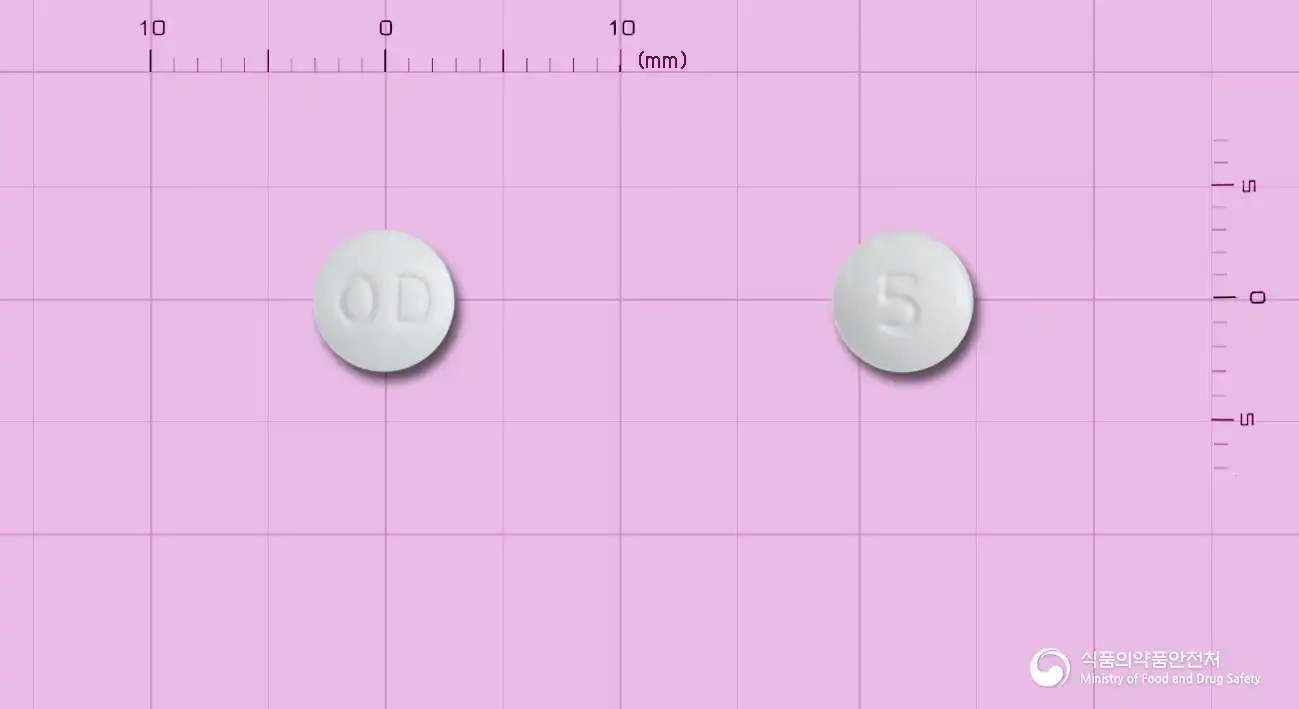
Oxycodone Hydrochloride 5mg
Tablet · Prescription medication
Hana Pharmaceutical Co., Ltd.
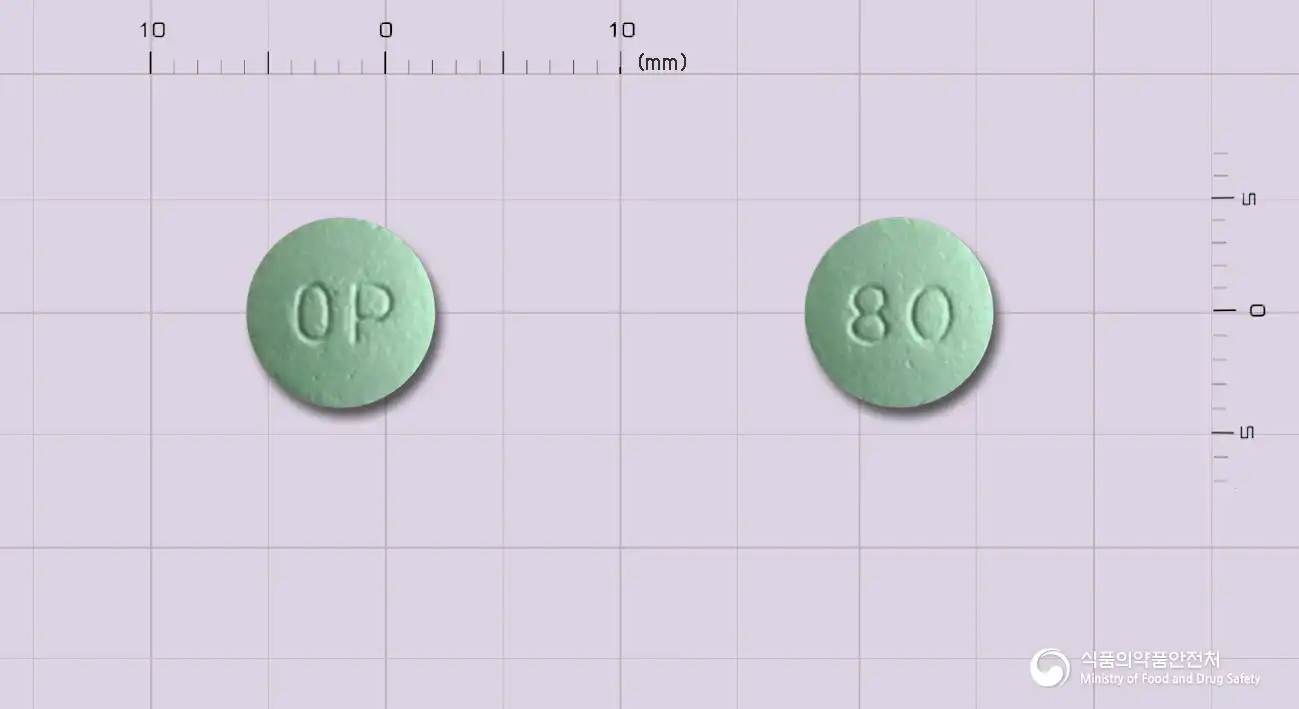
Oxycodone Hydrochloride 80mg
Tablet · Prescription medication
Korea Mundi Pharma Co., Ltd.
Oxycodone Hydrochloride 10mg
Solution · Prescription medication
Korea Mundipharma Co., Ltd.
Even with the same ingredient, the dose and directions can differ by strength and dosage form. Talk to a doctor or pharmacist before switching from a medication you are already taking.
No questions yet.
For anything that needs medical judgment, consult a doctor or pharmacist.
This drug information is based on data provided by the Korea Ministry of Food and Drug Safety.
Consult a doctor or pharmacist for accurate dosage, administration, and usage instructions.