
 한국어
한국어 English
 日本語
日本語 中文(简体)
 Viewing now
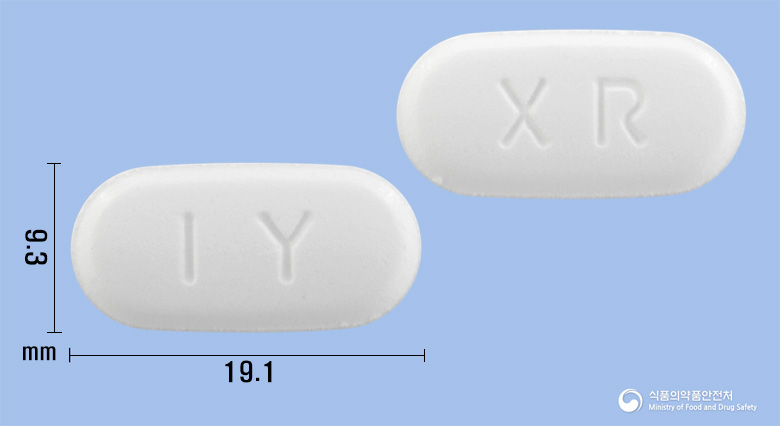
Ilyang Metformin Sustained-Release Tablets (Metformin Hydrochloride)
Metformin Hydrochloride 500mg
Tablet · Prescription medication
Ilyang Pharmaceutical Co., Ltd.
MFDS item code 201605005 · Approved 2016.08.18
Improvement of Type 2 Diabetes (blood sugar control)
This medication is used to treat adult patients with Type 2 diabetes for whom diet and exercise alone are not sufficient for blood sugar control, especially those who are overweight. It can be used alone or in combination with other oral hypoglycemic agents or insulin to help improve blood sugar control.
The initial dose is 500 mg of Metformin hydrochloride sustained-release tablet taken once daily with dinner. After one week, blood sugar levels should be measured to adjust the dosage, with a maximum daily dose of 2000 mg. When increasing the dose, it should be increased by 500 mg weekly, with a maximum of 2000 mg taken once daily with dinner. If blood sugar control is not achieved with the maximum dosage of 2000 mg once daily, a dosage of 1000 mg taken twice daily (with meals) should be considered.
This medication can rarely cause serious lactic acidosis, which has been reported to lead to fatal cases. Caution is necessary when used with other diabetes medications as severe hypoglycemia may occur. It should not be prescribed to patients with moderate to severe renal impairment or conditions such as dehydration, severe infections, or acute myocardial infarction. It should also not be used in patients with acute or unstable heart failure, certain radiological examinations, drug hypersensitivity, or in patients with Type 1 diabetes. Patients with severe infections or major trauma should discontinue the oral intake until recovery and normalization of kidney function. Patients scheduled for surgery should stop using this medication 48 hours before surgery and can resume afterward once kidney function is confirmed to be normal. Caution is also required in patients with malnutrition, frailty, liver dysfunction, or excessive alcohol intake. Kidney function should be regularly monitored during treatment, especially in elderly patients or those with reduced kidney function. The risk of hypoglycemia is present, hence caution is needed for irregular meals, vigorous exercise, and interactions with other medications. Gastrointestinal symptoms (nausea, vomiting, diarrhea, etc.) are common at the beginning of treatment but usually adapt over time. If skin rashes or itching occur, administration should be stopped immediately and a physician consulted. Alcohol intake may affect lactate metabolism and increase risk, hence it should be avoided. During pregnancy, it may affect fetal growth and should be used cautiously under a doctor's judgment, while it is not recommended during breastfeeding. It is advisable not to use in children or adolescents under the age of 17, as safety and efficacy have not been established. In case of overdose, drug removal through blood dialysis is possible; immediate medical assistance should be sought. This medication should be taken strictly according to a doctor’s instructions, and the tablets should be swallowed whole without chewing or crushing. During treatment, blood sugar levels, kidney function, and vitamin B12 levels should be monitored regularly, and any unusual symptoms should be reported to healthcare professionals immediately.
Lactic acidosis
Not everyone experiences these, and they can vary from person to person.
This medication should be stored in a tightly sealed container to prevent exposure to air or moisture. Additionally, it should be kept in a location that avoids extreme heat or cold, ideally at a temperature between 1 and 30 degrees Celsius.
White rectangular tablets
30 tablets/bottle, 300 tablets/bottle
Even with the same ingredient, strength, dosage form and how it is taken can differ.
Viewing nowMetformin Hydrochloride 500mg
Tablet · Prescription medication
Ilyang Pharmaceutical Co., Ltd.
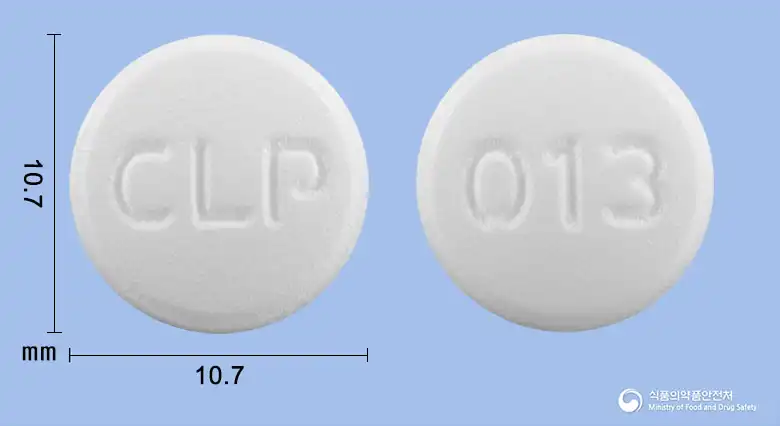
Metformin Hydrochloride 500mg
Tablet · Prescription medication
(Celltrion Pharmaceuticals)
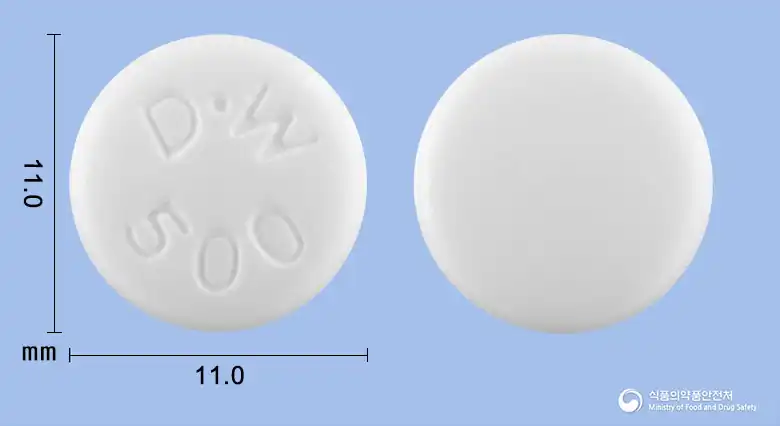
Metformin Hydrochloride 500mg
Tablet · Prescription medication
(Daewoong Pharmaceutical)
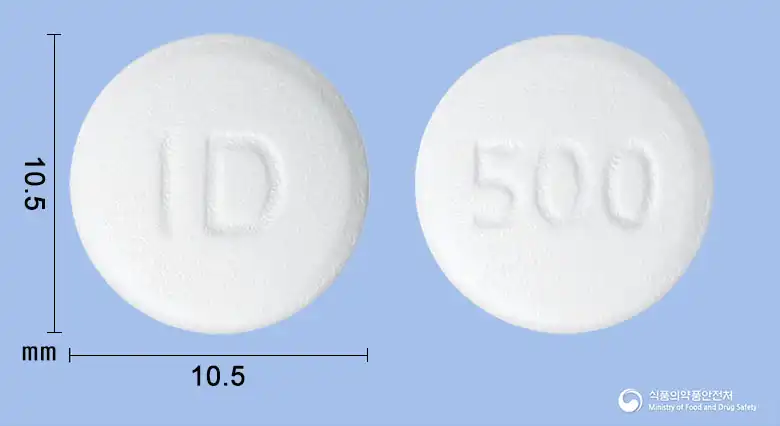
Metformin Hydrochloride 500mg
Tablet · Prescription medication
(Ildong Pharmaceutical Co., Ltd.)
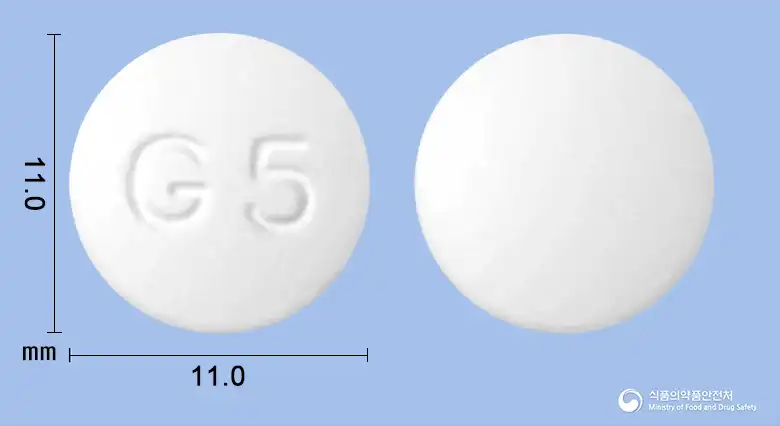
Metformin Hydrochloride 500mg
Tablet · Prescription medication
(Ilseong IS Co., Ltd.)
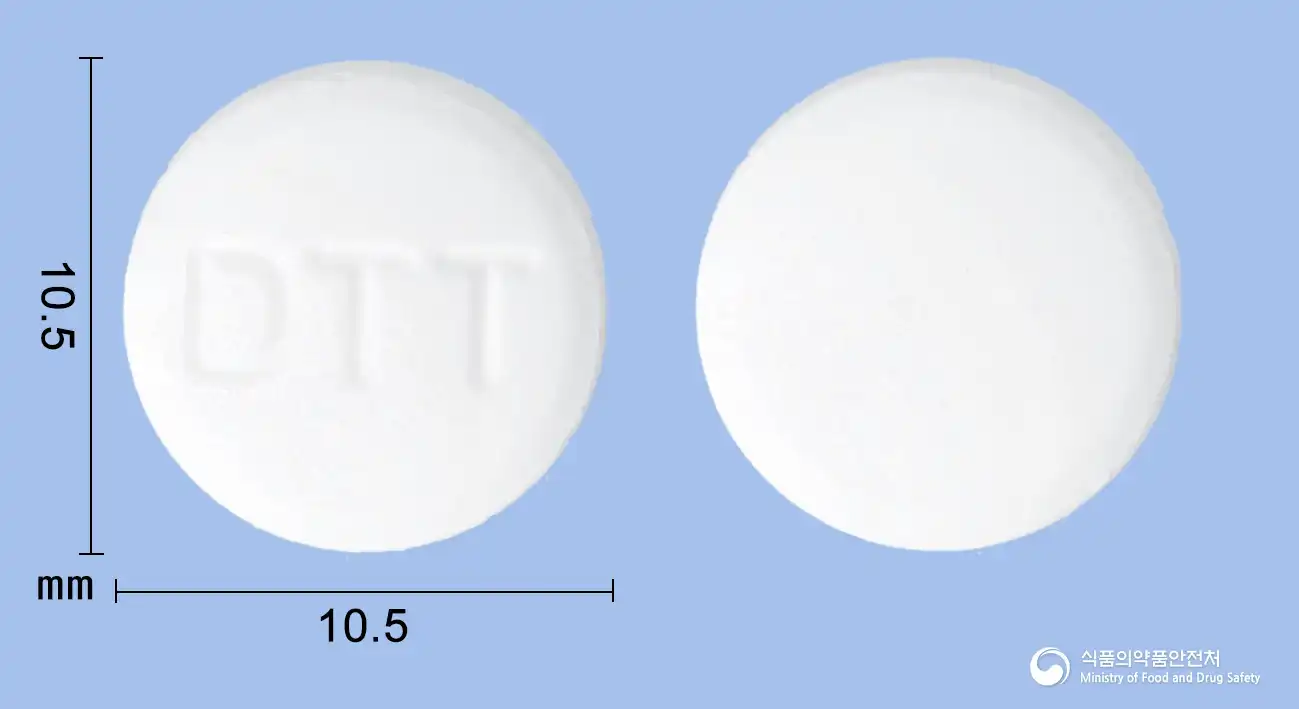
Metformin Hydrochloride 500mg
Tablet · Prescription medication
(Kyungdong Pharmaceutical Co., Ltd.)
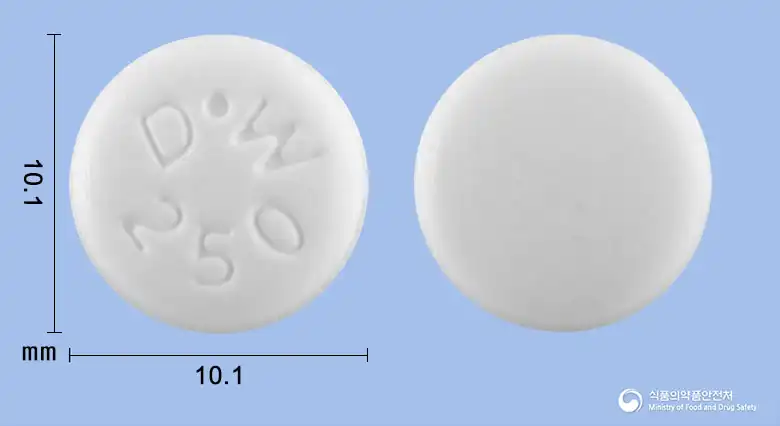
Metformin Hydrochloride 250mg
Tablet · Prescription medication
(Daewoong Pharmaceutical)
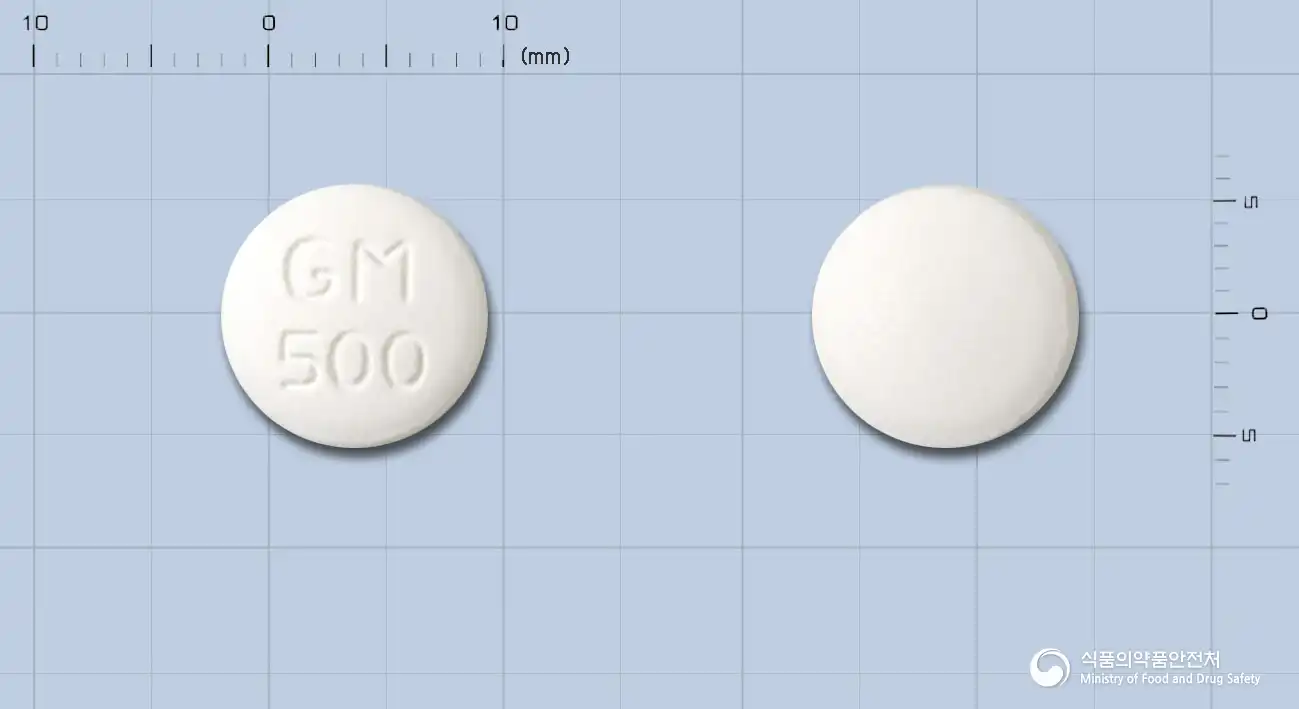
Metformin Hydrochloride 500mg
Tablet · Prescription medication
(Youngpoong Pharmaceutical Co., Ltd.)
Even with the same ingredient, the dose and directions can differ by strength and dosage form. Talk to a doctor or pharmacist before switching from a medication you are already taking.
No questions yet.
For anything that needs medical judgment, consult a doctor or pharmacist.
This drug information is based on data provided by the Korea Ministry of Food and Drug Safety.
Consult a doctor or pharmacist for accurate dosage, administration, and usage instructions.