
 한국어
한국어 English
 日本語
日本語 中文(简体)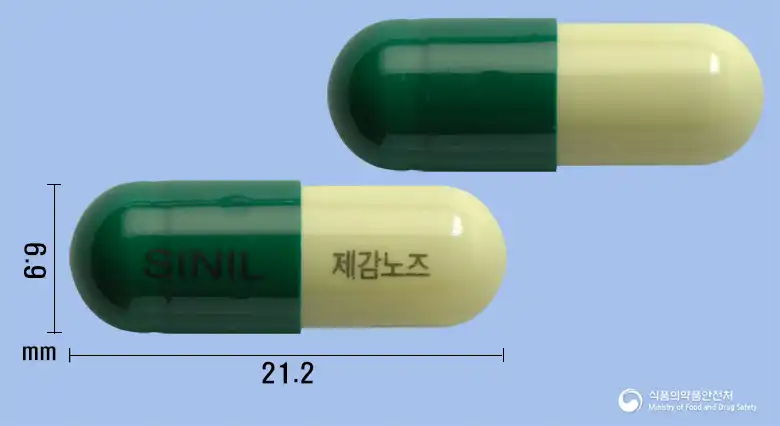
Summary
- Main use
- Relief of cold symptoms (runny nose, nasal congestion, etc.)
- Who takes it
- Adults
- Adult dose
- 2 capsules taken 30 minutes after meals, 3 times a day.
Ingredients
- Chlorpheniramine Maleate1mg / 1 capsule
- Thiamine Nitrate4mg / 1 capsule
- Riboflavin2mg / 1 capsule
- Pseudoephedrine Hydrochloride15mg / 1 capsule
- Anhydrous Caffeine15mg / 1 capsule
- Ascorbic Acid15.46mg / 1 capsule
- Acetaminophen100mg / 1 capsule
- Socheongryongtang Dried Extract (13→1)77mg / 1 capsule
- Manufacturer
- 신일제약(주)
Efficacy & effects
Relief of cold symptoms (runny nose, nasal congestion, etc.)
- Runny nose
- nasal congestion
- sneezing
- sore throat
- chills
- fever
- headache
- joint pain
- muscle pain
View approved original textHide original text
This medication is used to relieve multiple symptoms of colds, including runny nose, nasal congestion, sneezing, sore throat, chills, fever, headache, joint pain, and muscle pain.
How to take
Adult dose
2 capsules taken 30 minutes after meals, 3 times a day.
Precautions
This medication may put strain on the liver; therefore, those who drink alcohol frequently should consult a doctor or pharmacist before use. Due to some ingredients in this medication, serious skin rashes or allergic reactions may occur rarely, and if any skin abnormalities occur, use should be discontinued immediately. Care should be taken not to exceed the maximum daily dosage of the ingredients in this medication, and when taking other medications, duplicate ingredients should be avoided. Due to certain components, severe adverse skin reactions may occur; therefore, if symptoms like fever or skin rashes occur, use should be immediately discontinued, and a healthcare professional should be consulted. Those with a known allergy to this medication or who have had respiratory issues such as asthma with similar medications in the past should not take it. Very young infants, individuals with specific genetic disorders, or those with severe hypertension or kidney disease should also avoid using this medication. It is safest not to take it with other cold medications, analgesics, sedatives, or antihistamines. Children, especially infants under 3 months and children under 15 years old, must consult a doctor before use, necessitating special caution. Individuals with a history of allergic reactions or specific conditions and pregnant or nursing women should also consult a healthcare professional before taking it. If symptoms such as rashes, vomiting, dizziness, or shortness of breath occur during use, discontinue and consult a doctor immediately. The prescribed dosage and method of use should be strictly followed, and prolonged use should be avoided, along with abstaining from alcohol during the course of treatment. Caution should be exercised as drowsiness may occur, thus avoiding driving or operating machinery. Consult a healthcare professional if potential adverse effects may arise when taken with certain medications.
Side effects and when to seek care immediately
Serious side effects
- Hives, swelling, tightness in the chest, difficulty breathing, cold sweat, pallor → severe allergic reaction
- Severe rash with high fever, blisters, shedding skin, pain in oral/ocular mucosa → severe skin abnormal reaction
- Shortness of breath or difficulty breathing, coughing with fever accompanying respiratory issues → respiratory problems
- Jaundice (yellowing of the skin or eyes), extreme fatigue → liver issues (jaundice)
- Sudden and extremely severe headaches, lightning
Mild side effects
- Nausea
- vomiting
- loss of appetite
- constipation
- thirst
- dizziness
- anxiety
- tremors
- insomnia
- rash
Show 4 moreCollapse
- redness
- itching
- swelling
- difficulty urinating
Not everyone experiences these, and they can vary from person to person.
Interactions
Drug interactions
Do not take this medication with other products containing acetaminophen, MAO inhibitors (antidepressants, antipsychotics, mood stabilizers, antiparkinsonian drugs, etc.), antitussives, other cold medicines, antipyretics, sedatives, or antihistamines. Do not take it within two weeks after stopping MAO inhibitors. This may interact with diabetes medications, gout medications, arthritis medications, anticoagulants, steroids, barbiturates.
Food interactions
This medication may have interactions with alcohol, potassium-containing preparations, licorice-containing products, glycyrrhizin or its salts.
Storage
This medication should be stored in a tightly closed container to protect it from air and moisture, preferably at room temperature between 1°C and 30°C. Storing in this manner will help maintain the effectiveness of the medication for a longer period.
Appearance and packaging
Appearance
A hard capsule with a light brown powder, with a dark green upper part and a yellowish-green lower part
Package unit
12 capsules (12 capsules/PTP packaging x 1)
Questions about this medicine
No questions yet.
For anything that needs medical judgment, consult a doctor or pharmacist.