
 한국어
한국어 English
 日本語
日本語 中文(简体)
 Viewing now
Daewoong Montelukast Chewable Tablet 4mg (Montelukast Sodium)
Montelukast Sodium 4.16mg
Chewable Tablet · Prescription medication
Daewoong Bio Co., Ltd.
MFDS item code 201604409 · Approved 2016.07.18 · Insurance code 694001680
Prevention of asthma and relief of allergic rhinitis symptoms
This medication helps to prevent asthma attacks and manage asthma on an ongoing basis. It also alleviates various symptoms of seasonal and perennial allergic rhinitis, making the patient's life more comfortable. It is primarily used to improve symptoms of asthma and allergic rhinitis.
This medication is taken once daily. Asthma patients should take it in the evening. Patients with allergic rhinitis should adjust the time of administration according to their condition. Patients with both asthma and allergic rhinitis should take 1 tablet once daily in the evening. This medication is administered 1 hour before meals or 2 hours after meals.
Children aged 2 to 5 years should chew 4 mg of montelukast once daily. This medication is administered 1 hour before meals or 2 hours after meals.
This medication is used to treat asthma and alleviate allergy symptoms. During the use of this medication, there may be abnormalities in the neuropsychiatric system, so if symptoms such as agitation, anxiety, depression, hallucinations, or suicidal thoughts occur, consult a doctor immediately. This medication contains an artificial sweetener called aspartame, and it should not be taken by individuals with phenylketonuria, a hereditary disease. It contains lactose, so patients with lactose intolerance or certain genetic metabolic disorders should avoid this medication. Side effects, such as fatigue, headache, dyspepsia, rash, and cough, may occur, so if any abnormal symptoms persist, inform a doctor. This medication is not effective for acute asthma attacks, so always carry an emergency inhaler and use it when necessary. Patients with hypersensitivity to aspirin or non-steroidal anti-inflammatory drugs should not use these medications concurrently while taking this medication. Consult a doctor before taking this medication if you are pregnant or nursing, and children or the elderly should also take it under the guidance of a healthcare professional. There is no specific antidote for overdose, so strictly adhere to the prescribed dosage and visit a medical institution immediately in case of overdose. This medication should be kept out of reach of children, and it is recommended not to transfer it to another container. Consult a doctor for appropriate action if asthma symptoms worsen or new symptoms appear during use.
Hives, severe swelling (edema), angioedema, chest tightness, difficulty breathing, cold sweat, paleness, hypersensitivity (anaphylaxis), severe allergic reactions, severe rashes accompanied by high fever, blisters, peeling skin, pain in mucous membranes of the mouth/eyes, toxic epidermal necrolysis, Stevens-Johnson syndrome, severe skin adverse reactions, shortness of breath or difficulty breathing, asthma attacks, respiratory abnormalities with coughing and fever, pulmonary eosinophilia, and skin reactions.
Weakness/fatigue, fever, abdominal pain, trauma, dyspepsia, infectious gastroenteritis, toothache, dizziness, headache, nasal congestion, cough, influenza, rash, elevated ALT, elevated AST, pyuria, pharyngitis, sinusitis, nausea, diarrhea, loss of appetite, otitis, viral infections, laryngitis, runny nose, ear pain, gastroenteritis, eczema, chickenpox, pneumonia, dermatitis, conjunctivitis, drowsiness, sensory disturbances/diminished sensation, palpitations, epistaxis, diarrhea, and others.
Not everyone experiences these, and they can vary from person to person.
This medication is susceptible to moisture and light, so it should be stored at room temperature between 1°C and 30°C. It is also important to keep it in a sealed container to prevent air from entering.
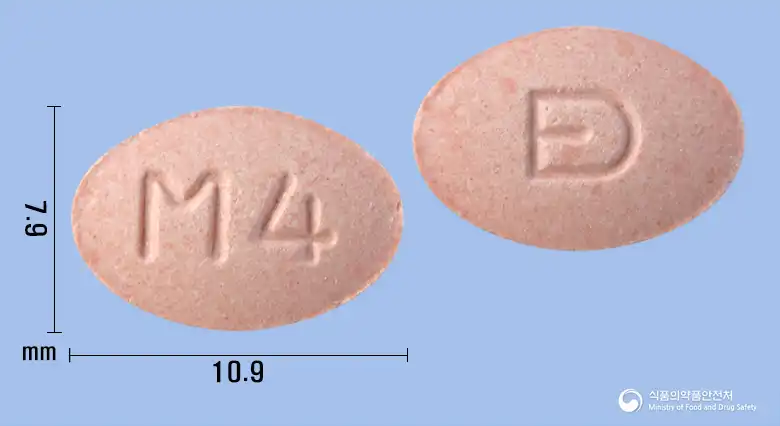
Pink chewable tablets with a biconvex oval shape
28 tablets/Alu-Alu
Even with the same ingredient, strength, dosage form and how it is taken can differ.
Viewing nowMontelukast Sodium 4.16mg
Chewable Tablet · Prescription medication
Daewoong Bio Co., Ltd.
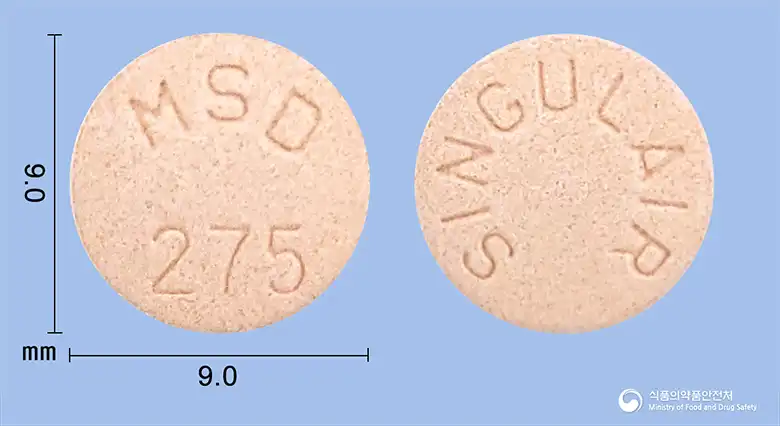
Montelukast Sodium 5.2mg
Chewable Tablet · Prescription medication
Korea Organon Co., Ltd.
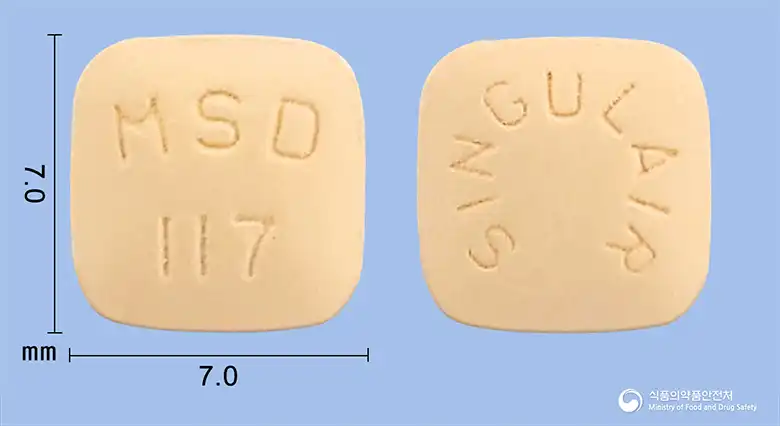
Montelukast Sodium 10.4mg
Tablet · Prescription medication
Korea Organon Co., Ltd.
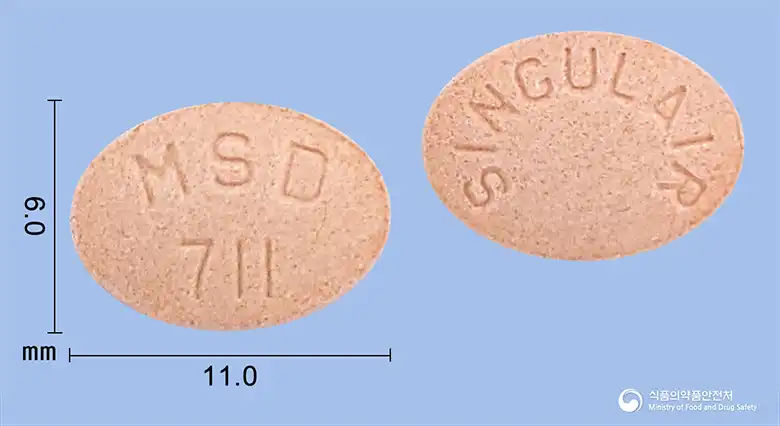
Montelukast Sodium 4.16mg
Chewable Tablet · Prescription medication
Korea Organon Co., Ltd.
Montelukast Sodium 4.16mg
Prescription medication
Korea Organon Co., Ltd.
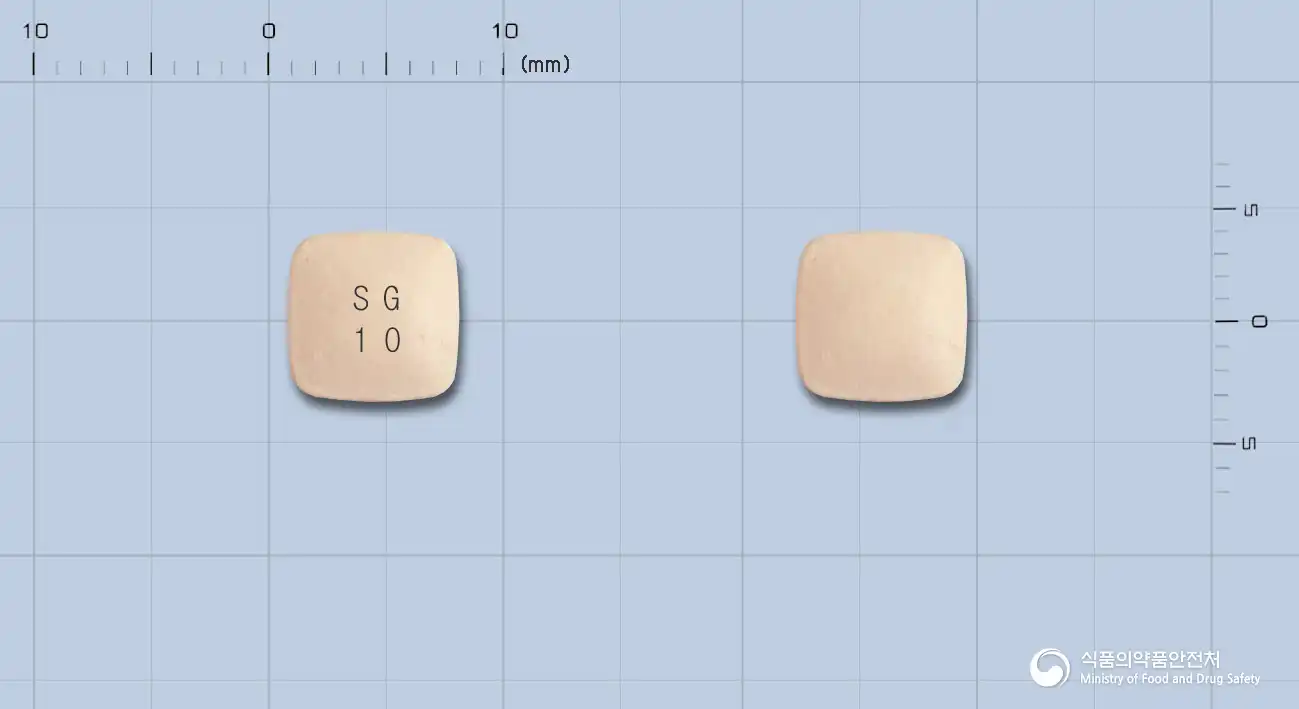
Montelukast Sodium 10.4mg
Tablet · Prescription medication
JW Pharmaceutical Co., Ltd.
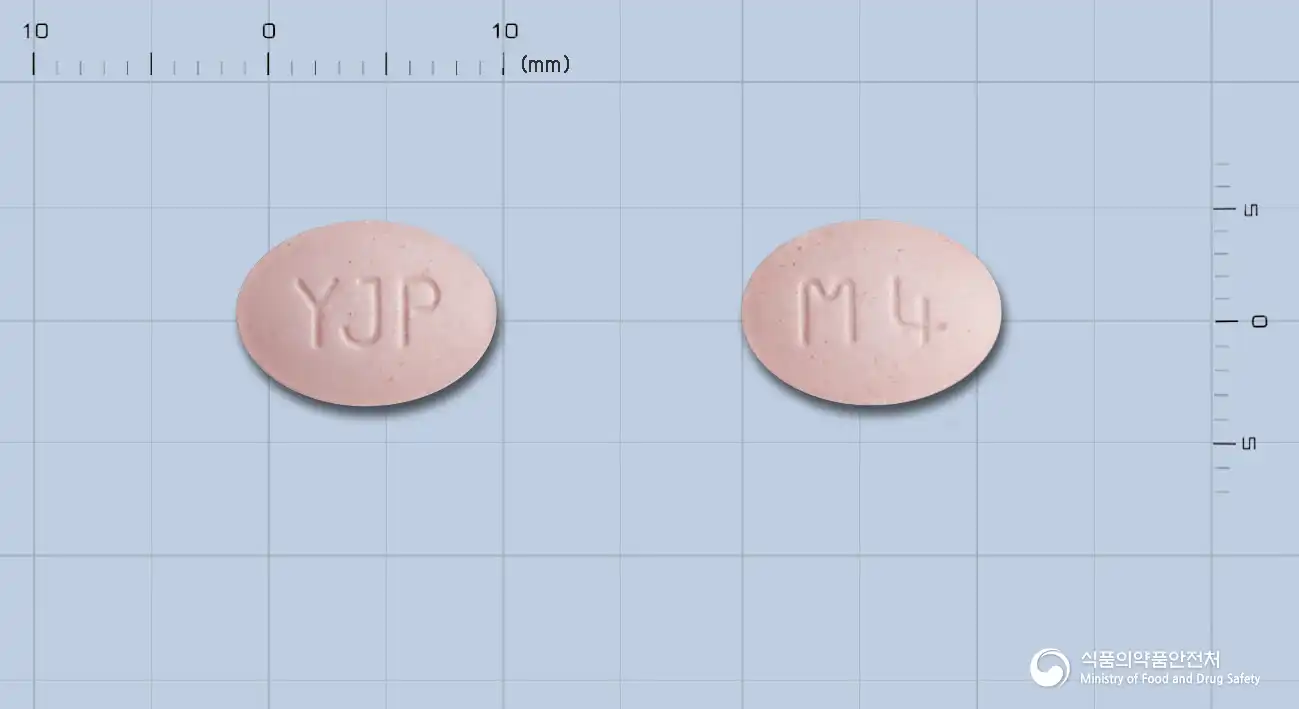
Montelukast Sodium 4.16mg
Chewable Tablet · Prescription medication
Youngjin Pharmaceutical Co., Ltd.
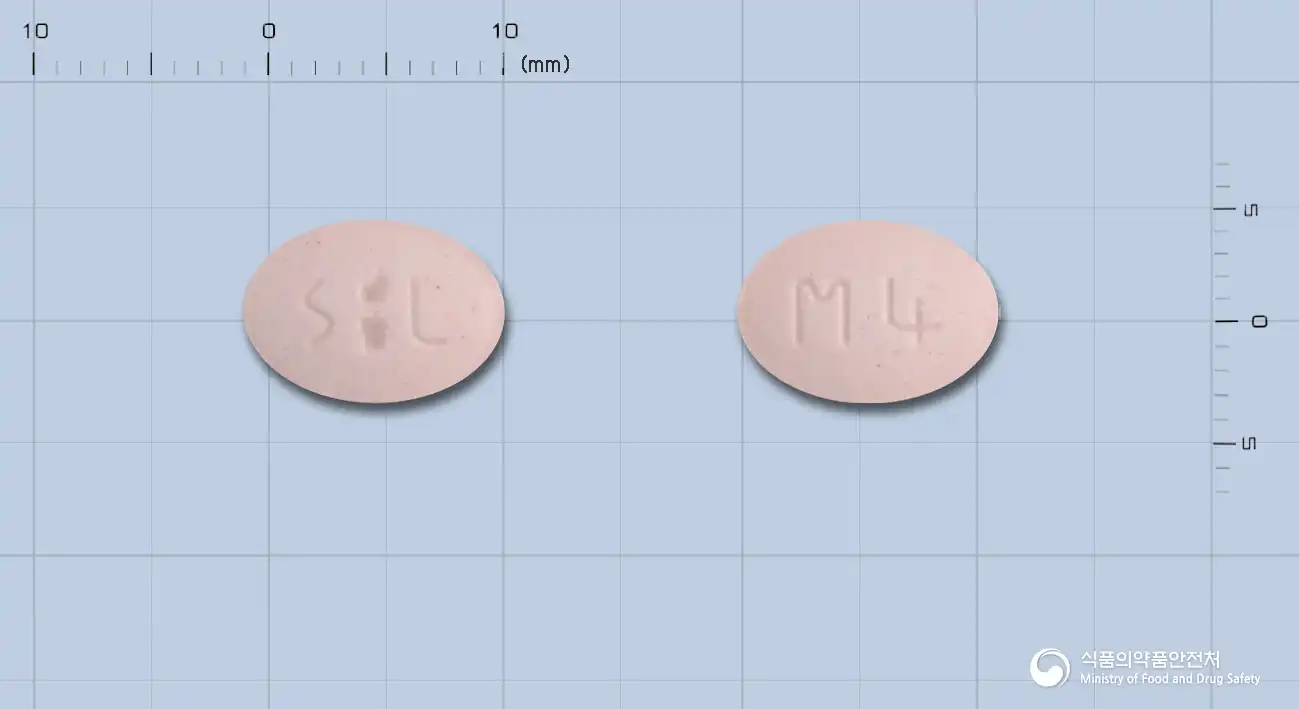
Montelukast Sodium 4.16mg
Chewable Tablet · Prescription medication
Samil Pharmaceutical Co., Ltd.
Even with the same ingredient, the dose and directions can differ by strength and dosage form. Talk to a doctor or pharmacist before switching from a medication you are already taking.
No questions yet.
For anything that needs medical judgment, consult a doctor or pharmacist.
This drug information is based on data provided by the Korea Ministry of Food and Drug Safety.
Consult a doctor or pharmacist for accurate dosage, administration, and usage instructions.